Newsletters


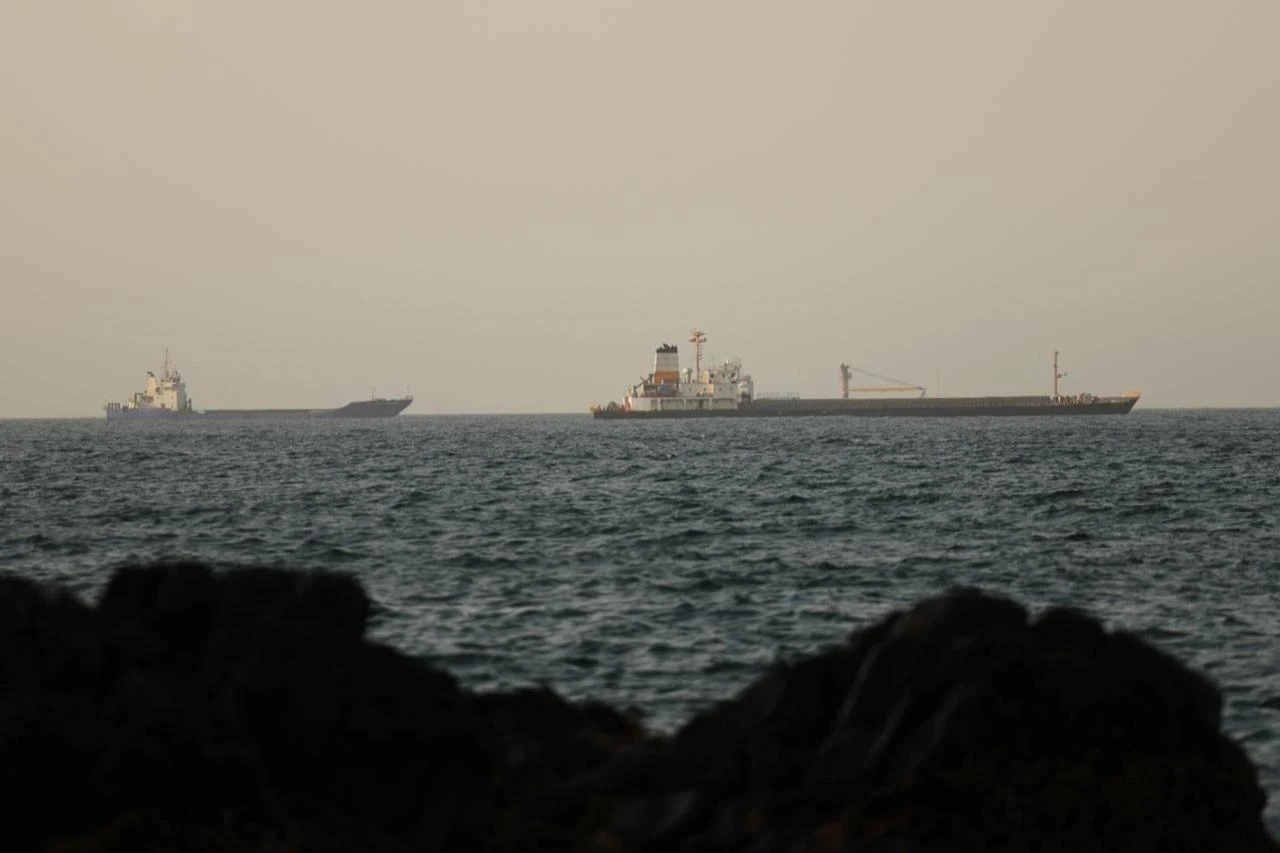


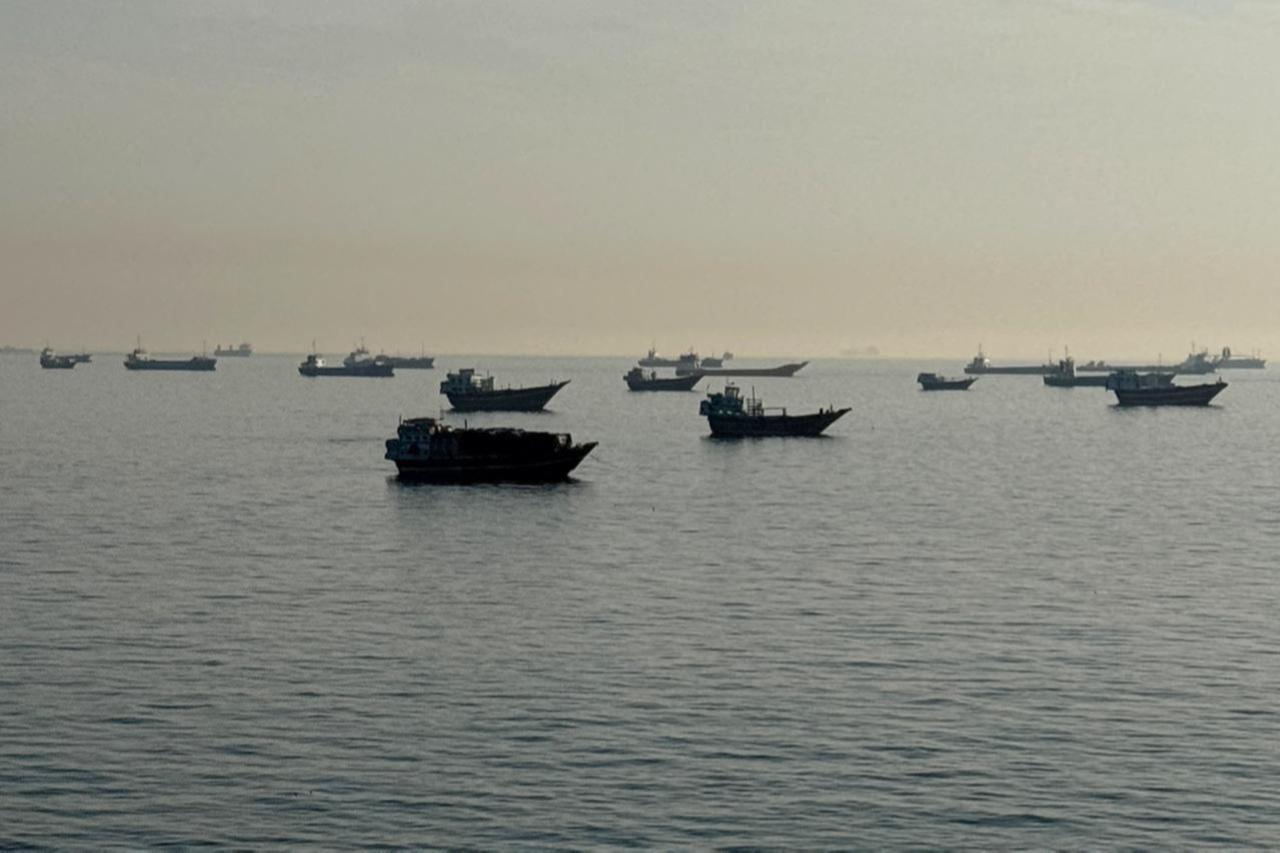
Qatar said Sunday that maritime navigation activities can resume immediately for all types of vessels and ships, reversing a June 29 advisory that had urged the temporary suspension of sailing and fishing boats.
The announcement was made in a statement by Qatar's Ministry of Transport posted on X.
"Maritime navigation activities can now resume normally for all types of maritime vessels and ships, as of the date of this announcement," the ministry said.
The June 29 advisory had called for the temporary suspension of sailing and fishing boats until further notice, while commercial shipping was exempted from the measure.
Qatar did not provide a reason for the advisory. The measure came a day after Qatar said one of its nationals had died after sustaining injuries from shrapnel due to "military operations in the region," following the disappearance of his vessel.
The Ministry of Transport urged all maritime vessel operators and users to comply with maritime regulations and instructions in effect.
"The MOT urges everyone to abide by the maritime regulations and instructions in effect to ensure the highest levels of safety and security for all trips," it said.
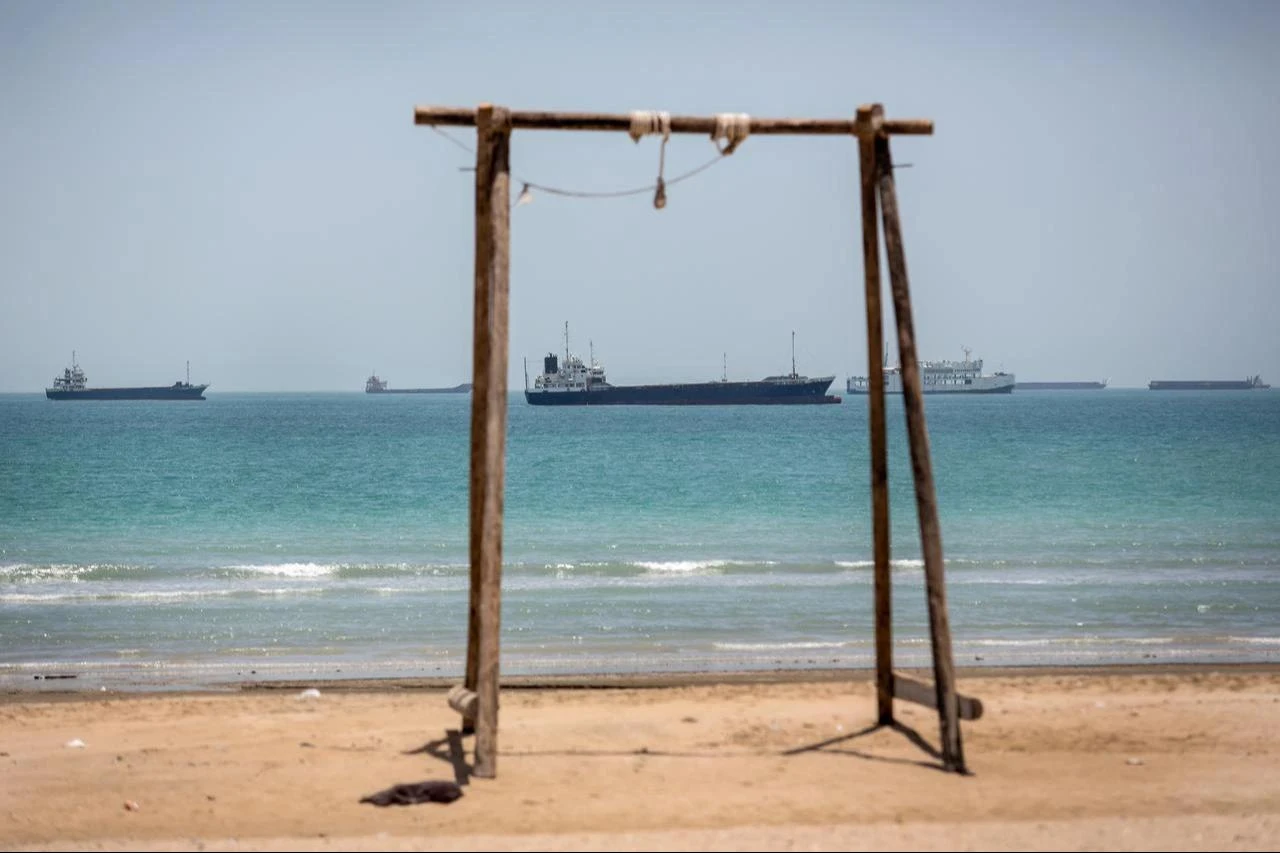

The announcement came as regional shipping routes remained under scrutiny after Iran's parliament speaker and chief nuclear negotiator Mohammad Bagher Ghalibaf warned Tuesday that free passage through the Strait of Hormuz is guaranteed for only 60 days under a recently signed memorandum of understanding with the U.S.
"Iran will under no circumstances relinquish its rights in the Strait of Hormuz," Ghalibaf said in a televised interview posted to his Telegram channel, describing the corridor's openness as a conditional concession rather than a permanent commitment.
His remarks came days after a fresh round of military exchanges between Iranian-aligned forces and U.S. installations in the region over the weekend, which Ghalibaf described as a serious breach of the ceasefire framework.
"In the latest ceasefire violation, U.S. bases in Bahrain and Kuwait were targeted," he said, presenting the strikes as Tehran's response to what it views as American noncompliance.


 Set as preferred source
 Set as preferred source


 1 min read
 1 min read