Newsletters


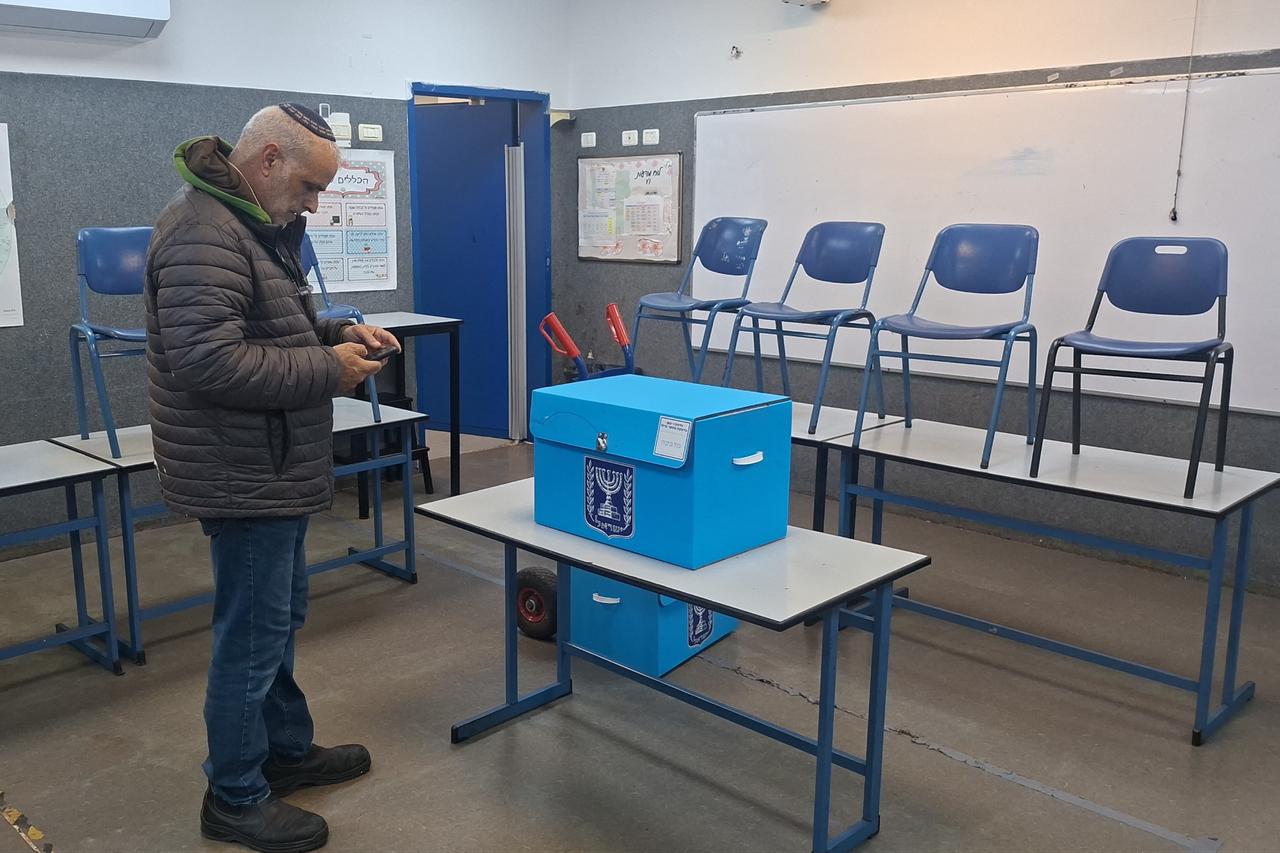


Israelis began voting Tuesday in an election that pits Netanyahu’s right-wing coalition against a centrist opposition led by former military chief Gadi Eisenkot, with Palestinian-led parties potentially holding the balance of power in a divided parliament.
Over 7.3 million people are eligible to vote for the 120-member Knesset, with polling stations opening at 7 a.m. local time (0500 GMT) and scheduled to close at 10 p.m. (2000 GMT), according to Israel’s Central Elections Committee.
A total of 12,018 polling stations and approximately 18,000 ballot boxes have been set up nationwide, supported by around 100,000 election workers.
Thirty-seven parties and electoral lists are competing for parliamentary seats.
Under Israel’s proportional representation system, parties must secure at least 3.25% of valid votes to enter parliament, while a governing coalition needs the support of at least 61 lawmakers.


The election marks Israel’s first general vote since the Oct. 7, 2023, attacks and the subsequent Israeli military offensive in Gaza, followed by confrontations with Lebanon and Iran.
It is also the first general election held on schedule since 1988, after decades of governments collapsing before completing their four-year terms.
Final surveys published by Israel’s three main television broadcasters put Eisenkot’s centrist Yashar party narrowly ahead of Netanyahu’s Likud.
Yashar is projected to win 22 to 23 seats, compared with 19 to 21 for Likud. The Together alliance, led by former Prime Minister Naftali Bennett and Yair Lapid, is forecast to finish third with 14 or 15 seats.
Other opposition parties include the Democrats, led by former general Yair Golan, and Yisrael Beiteinu, headed by former Defense Minister Avigdor Lieberman.
Despite Eisenkot’s projected lead, neither side appears close to securing a parliamentary majority. The three surveys project Netanyahu’s right-wing and religious bloc winning 50 seats, while the opposition bloc is expected to secure between 52 and 56. Palestinian-led parties are forecast to win a combined 14 to 16 seats.
The figures leave both leading candidates facing difficult coalition negotiations. Winning the most seats does not automatically make a party leader prime minister.
President Isaac Herzog will consult the elected parties before assigning the task of forming a government to the lawmaker considered most likely to command majority support.
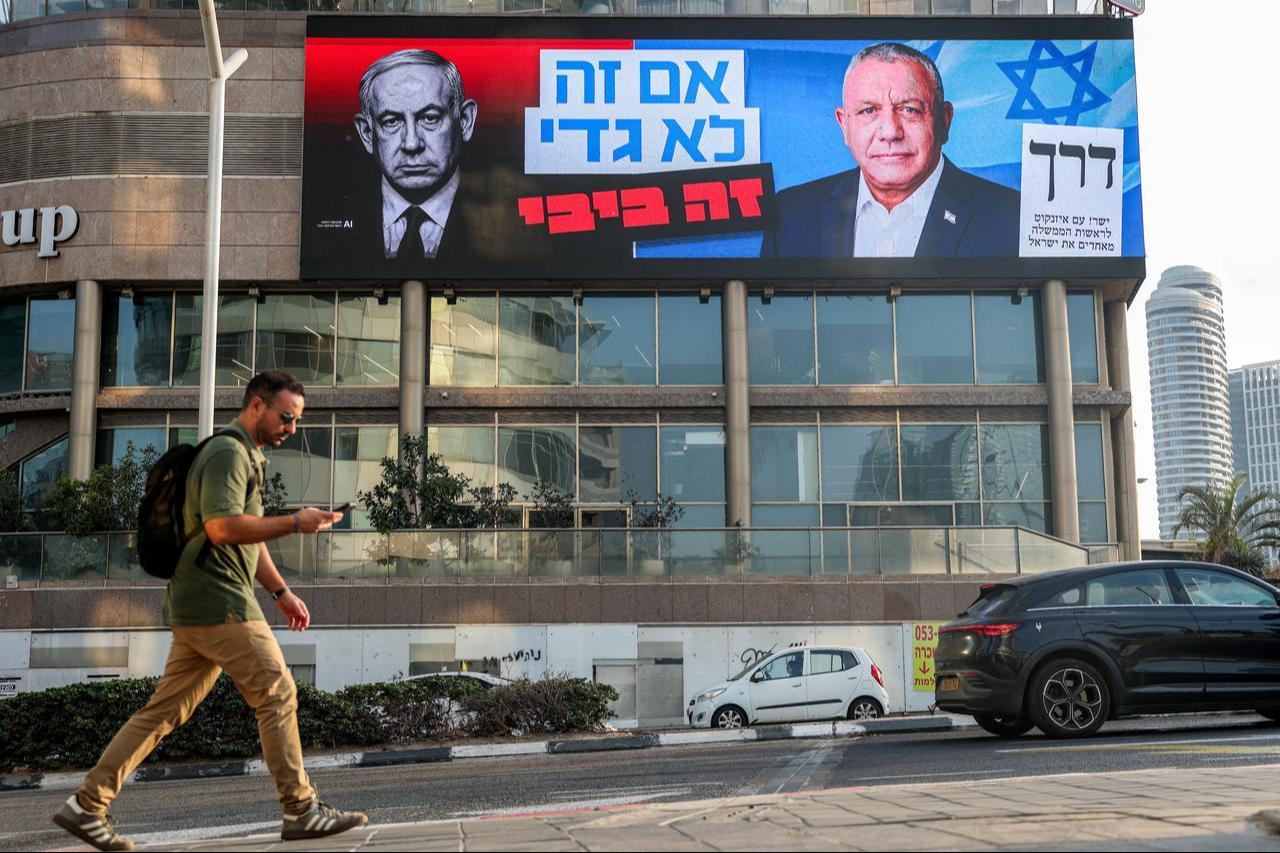
Netanyahu, 77, is seeking another term after serving as prime minister for more than 18 years across three periods.
His campaign focuses on national security, but he faces criticism over the failure to prevent the Oct. 7 attacks, his handling of subsequent conflicts and his opposition to an independent inquiry into the security failures.
He is also standing trial on corruption charges, which he denies, and faces an International Criminal Court arrest warrant over alleged war crimes and crimes against humanity in Gaza.
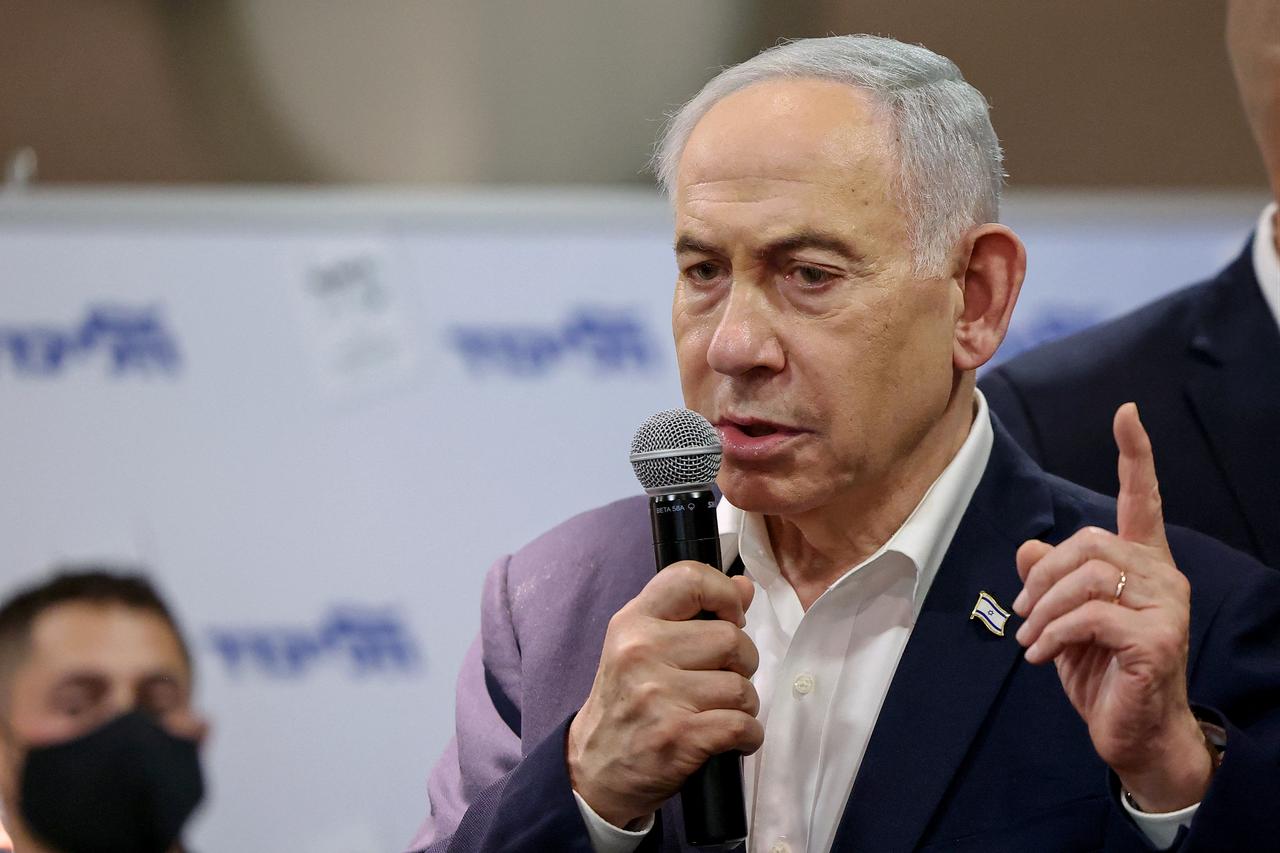
His potential partners include far-right parties led by National Security Minister Itamar Ben-Gvir and Finance Minister Bezalel Smotrich, who support expanding illegal settlements in the occupied West Bank and reject Palestinian statehood, alongside ultra-Orthodox parties facing criticism over military-service exemptions.
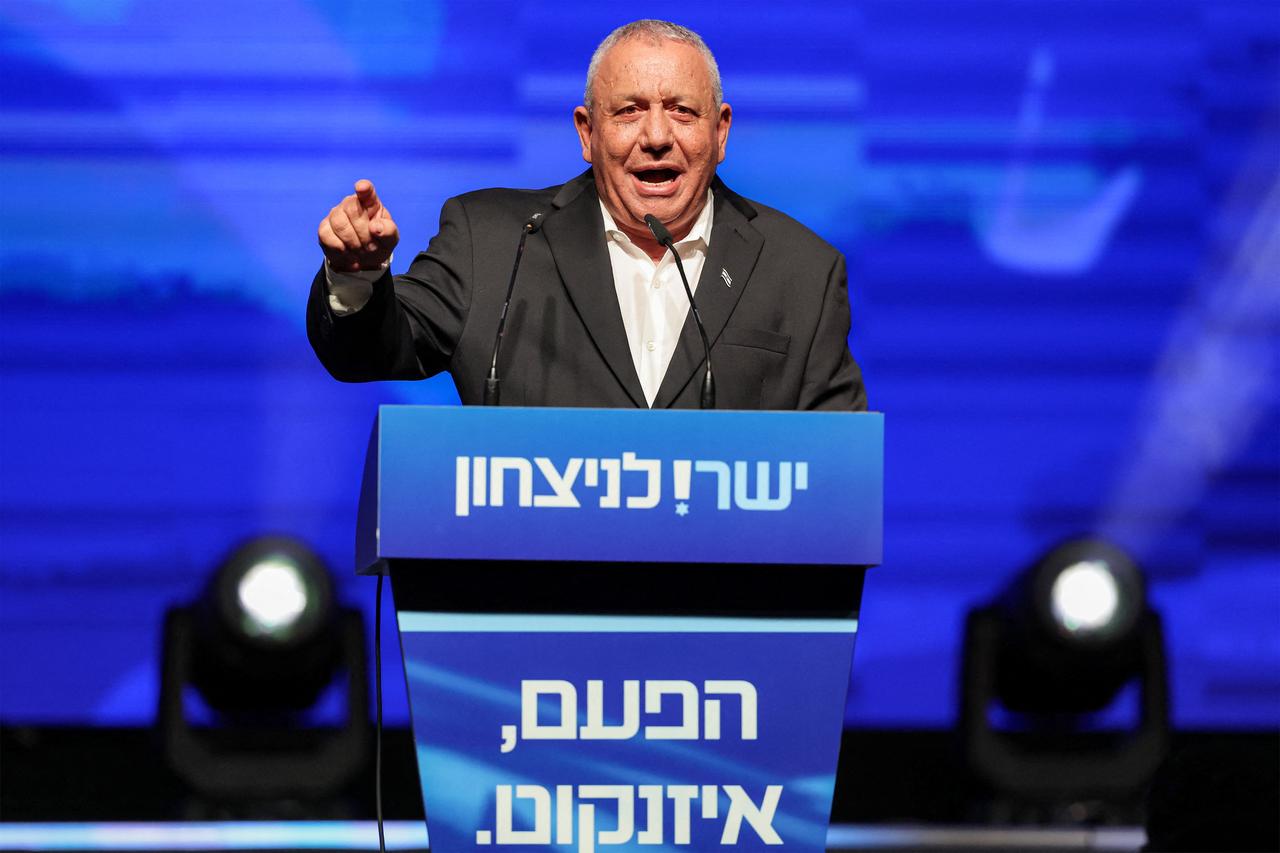
Eisenkot, 66, a former military chief who joined Netanyahu's emergency government after the Oct. 7 attacks, later left over the handling of the Gaza offensive.
He campaigns on government accountability and political stability, supporting an official inquiry into the attacks and an end to broad military-service exemptions for ultra-Orthodox men.
However, he opposes a fully sovereign Palestinian state under current conditions and calls for dismantling Hamas' military capabilities and rule in Gaza.
The Joint List and the United Arab List, known as Ra'am, could hold the balance of power if neither major bloc secures the 61 seats needed to govern. Polls project the parties winning around nine seats and between five and seven seats, respectively, but opposition divisions complicate efforts to secure their support.
If neither Netanyahu nor Eisenkot can assemble a majority, prolonged negotiations could leave Netanyahu as caretaker prime minister and potentially trigger another election. Smaller parties polling near the 3.25% electoral threshold could prove decisive because those that fail to cross it win no seats.
Exit polls are expected after voting ends at 10 p.m. local time Tuesday, with initial results due overnight. Official results are scheduled for publication by Nov. 4, and coalition negotiations could continue for weeks.


 Set as preferred source
 Set as preferred source


 1 min read
 1 min read