Newsletters


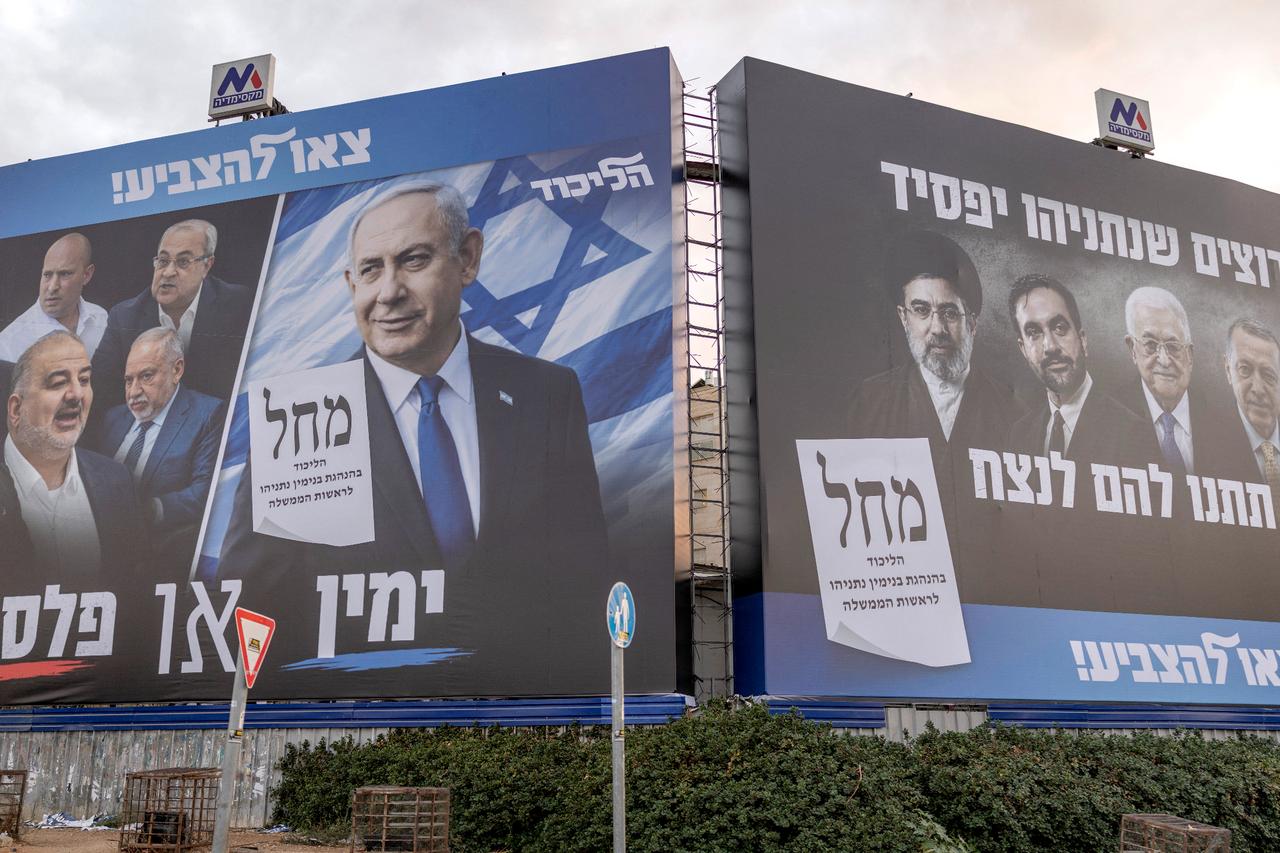


Israeli Prime Minister Benjamin Netanyahu's bloc would win 50 of the Knesset’s 120 seats, trailing rival Gadi Eisenkot’s camp, according to the final Israeli election polls released Friday before Tuesday’s, Oct. 27, parliamentary vote.
Neither camp is projected to reach the 61-seat majority needed to govern alone, leaving Arab parties and undecided voters as possible deciders, the surveys by public broadcaster KAN and private Channel 12 showed.
The polls were the last legally allowed before the vote.
Israeli law bars publishing new poll results from the end of the Friday before Election Day until polling stations close, a rule the Israel Democracy Institute says was adopted in 2007 to prevent misleading information and manipulation of public opinion.
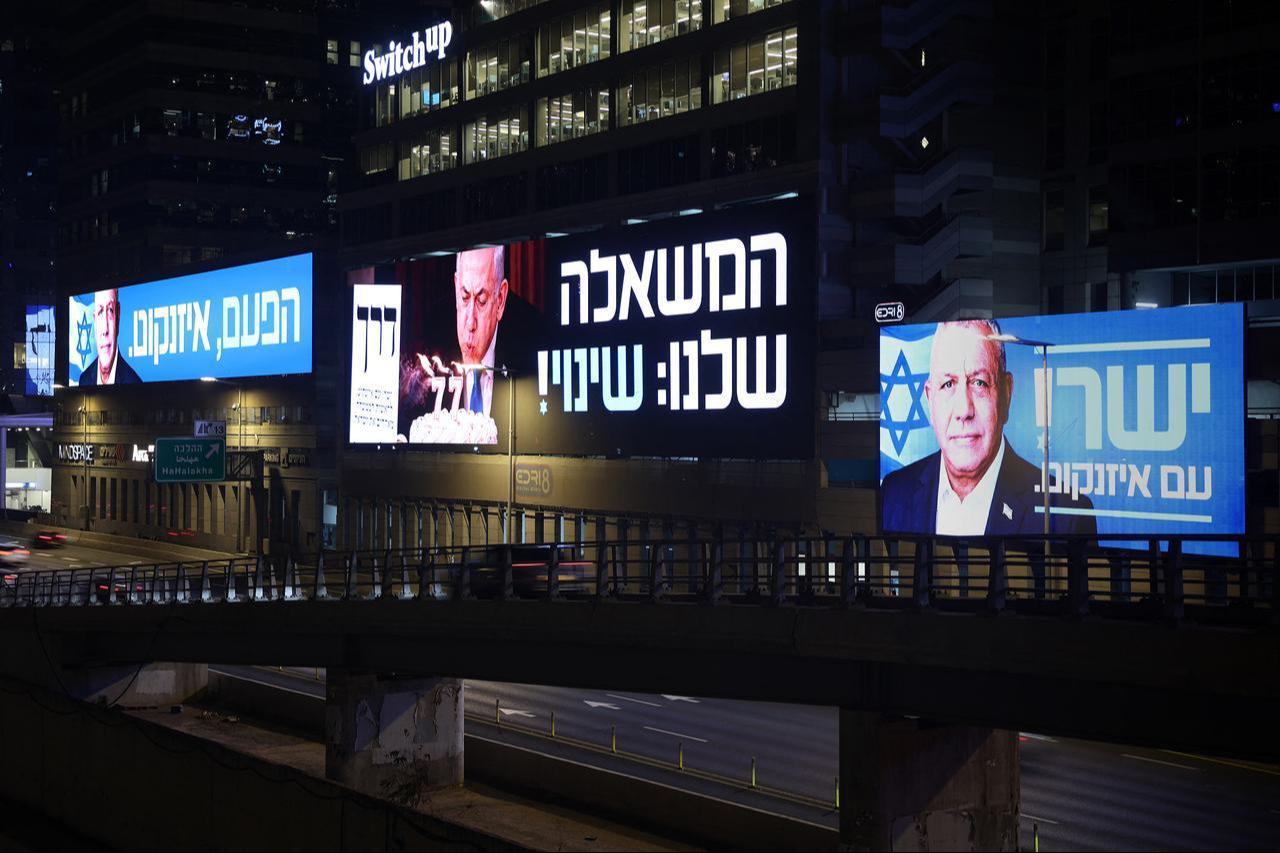
Channel 12’s poll projected Eisenkot’s Yashar party as the largest with 23 seats, unchanged from its previous survey. Netanyahu’s Likud gained two seats to 21, and former Prime Minister Naftali Bennett’s Together party held at 15.
Yair Golan’s Democrats rose to 10 seats, while the Joint List led by Yousef Jabareen held at nine. Shas, Yisrael Beiteinu and Jewish Power each got eight; United Torah Judaism seven; Religious Zionism–Zehut six; and the United Arab List five.
The Amcha Israel party led by Ofer Winter and the Reservists–Economic list led by Yoaz Hendel fell below the electoral threshold, according to Channel 12.
Channel 12 put the anti-Netanyahu bloc at 70 seats, 56 for Zionist “change bloc” parties and 14 for Arab parties, against 50 for the coalition.
KAN also projected 22 seats for Yashar, 20 for Likud and 14 for Bennett’s party. KAN put Netanyahu’s bloc at 50 seats, down one from the previous week, and Eisenkot’s camp unchanged at 52.
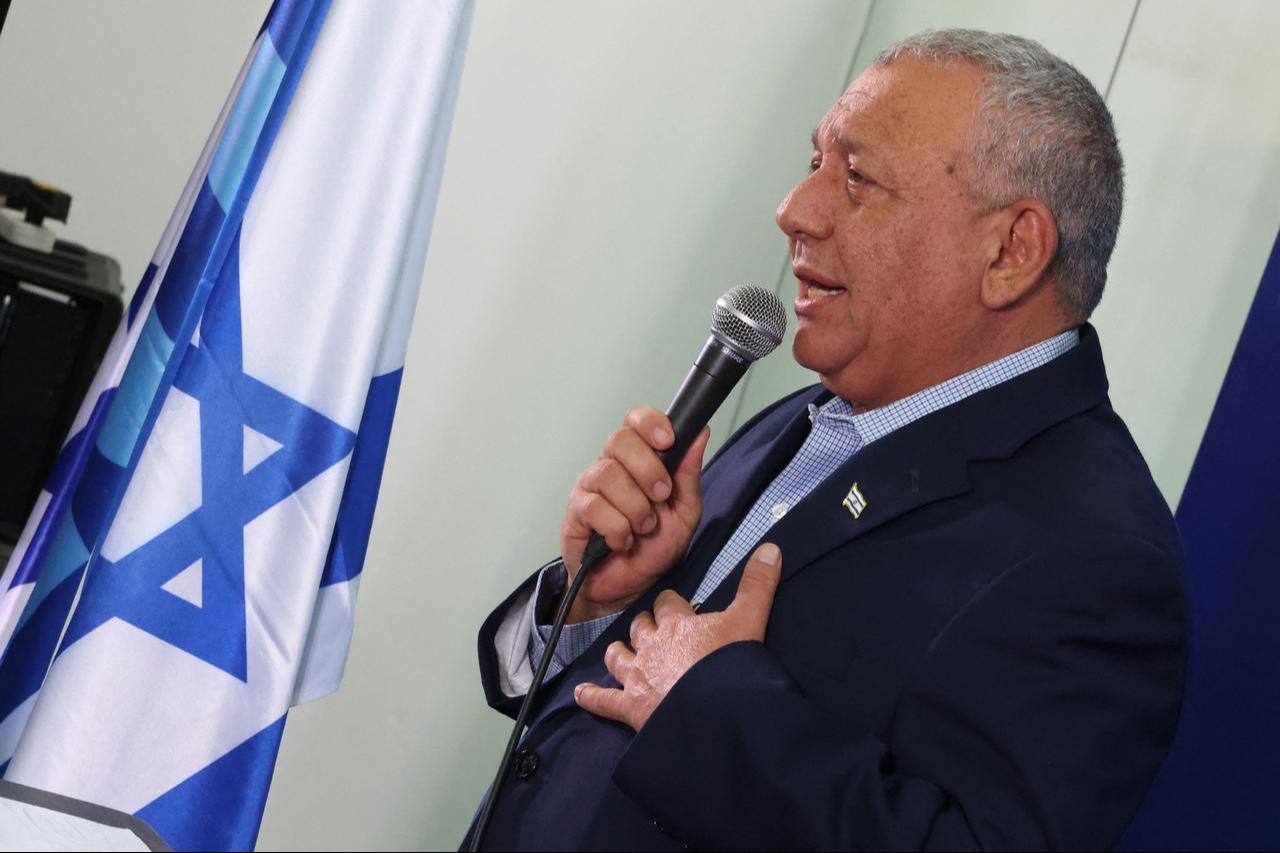

Asked who is more suitable to be prime minister, Eisenkot got 44% to Netanyahu’s 38% in Channel 12’s poll, narrowing from an 11-point gap in the previous survey.
Bennett and Netanyahu tied at 39% in the Channel 12 poll after Bennett led by three points previously. Netanyahu led Avigdor Lieberman 40% to 28%.
KAN found Netanyahu and Bennett tied at 38% for the first time since late August. Against Bennett, Eisenkot got 35% to 22%, while 43% said neither was suitable.
Channel 12’s commentators said two findings encourage Netanyahu: a rise in his suitability rating and higher voting intent among his supporters. They said the gap that had favored the change bloc is narrowing.
In Channel 12’s survey, 46% preferred a government led by the change bloc, 32% a Netanyahu bloc government and 15% a unity government.
Among change bloc voters, 60% said they would prefer a minority government with the United Arab List abstaining if no 61-seat government without Arab parties is formed. Twenty percent preferred new elections and 10% a unity government with Likud.
KAN asked what voters would want if Eisenkot’s camp finished ahead without reaching 61 seats. 27% favored a unity government, 27% new elections and 26% a minority government.
Channel 12’s analysts said the change bloc can currently form a government only with the United Arab List, partly because Lieberman has pledged not to sit in a minority government. They said Netanyahu’s 50 seats leave him little room to maneuver.
74% of Channel 12 respondents said they intend to vote, including 79% of coalition voters, 81% of opposition voters and 62% of Arab party voters.
In KAN’s poll, 71% said they were certain to vote, and 36% had not decided which party to back, up from 30%.
The economy and cost of living topped voters’ concerns at 21% in Channel 12’s poll, followed by the military draft law at 17% and the Oct. 7 failure at 14%. Coalition voters ranked the war with Iran first at 21%.
On security, 58% rated Israel’s situation as poor in KAN’s survey, including 73% of opposition supporters and 28% of coalition supporters.
Channel 12 said about 130,000 eligible voters, Israelis flying in from abroad, and immigrants who arrived from Russia and Ukraine in 2022 could affect the outcome.
Arab citizens make up about 20 percent of Israel’s population of more than 10 million.
Experts and politicians estimate their turnout could reach 60 to 61%, up from 53% in 2022.
The leaders of the two Arab-majority lists told Agence France-Presse (AFP) they were ready, under certain conditions, to cooperate with Eisenkot’s bloc. Most opposition leaders reject such cooperation, and Netanyahu and Eisenkot have ruled out alliances with Arab parties.
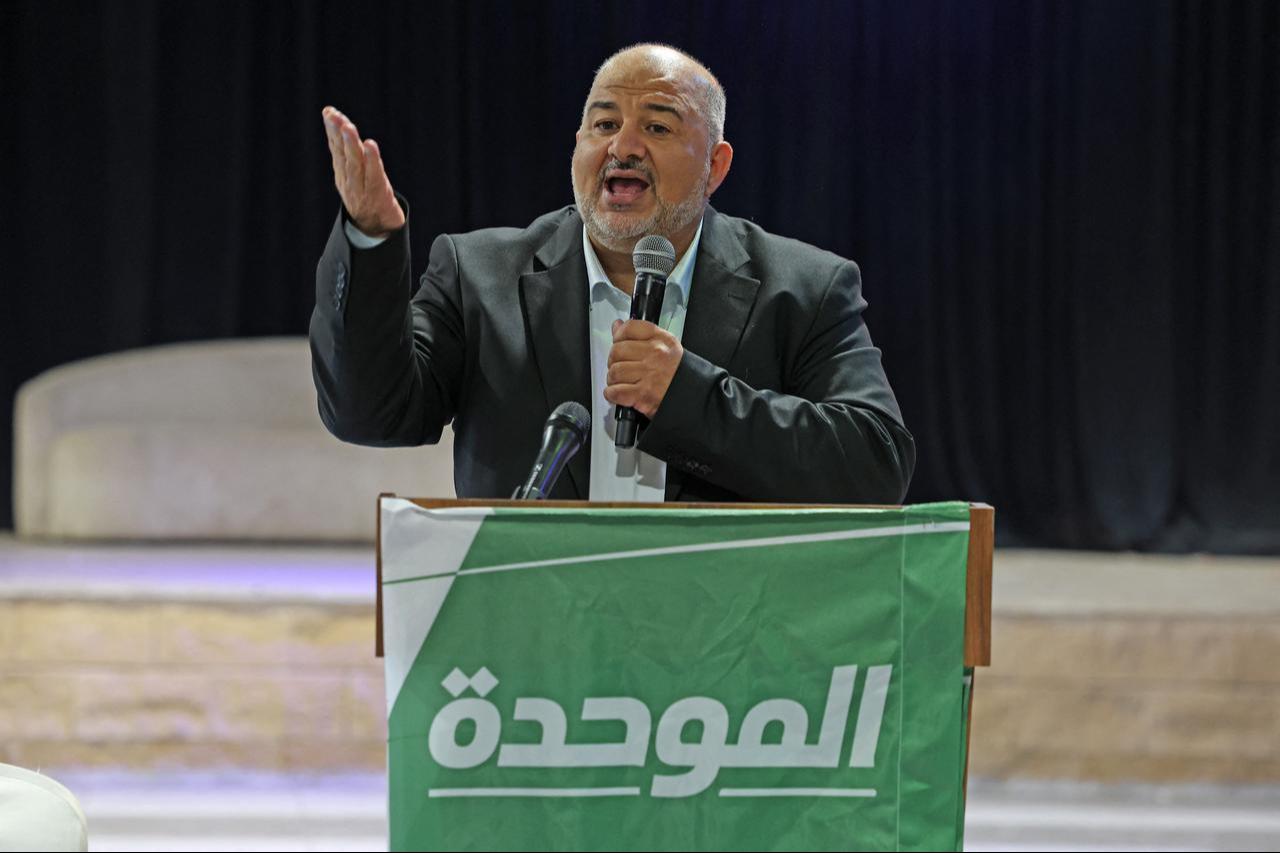
"We want to be influential partners, so that we can bring decisions to the next government’s table and resolve the major problems and challenges facing Arab society," United Arab List leader Mansour Abbas told AFP in Nazareth.
Abbas said adding the party’s first Jewish candidate, former senior police official Yoav Segalovitz, "represents a positive commitment to Arab-Jewish partnership." He said Segalovitz has "considerable professional expertise" fighting crime.
"Allah willing, we will achieve our desired goal of eight seats," Abbas said.
Jabareen said the Joint List could provide a "safety net" for an alternative government and was prepared to “cooperate with opposition parties."
"I do not see, in the near future, a government that we could actually be part of. The current government continues to pursue the war on Gaza, settler terrorism in the West Bank, racist policies and legislation targeting Arab citizens," Jabareen said.
"We are not in anyone’s pocket, and we are not giving anyone a blank check. We have demands," he added.
Imad Bashnaq told Türkiye's state-run Anadolu Agency (AA) that the vote was "decisive and extremely important." He said "a few madmen" have taken control of the government.
"I have always maintained that we, as Arabic speakers, are the only ones capable of bringing about change in the Middle East, not just here within this country," he said, adding, "We are the original rightful owners, and there is no dispute about that. But we are a minority in a state, and this state is a reality we have to deal with."
Areen Ghanayem said, "Every vote makes a difference."
"We need to have a voice and someone who speaks on our behalf and demands the rights that should be ours," she said.
Mohammed Ahmad Abboud said he would vote with the aim of "removing the racist government," citing "escalating violations."
"We must vote to bring about change, real change," said an Acre resident known as "Jojo."
Saeed Abu Sultan, also from Acre, disagreed. "Some people might be able to make a difference, but as for us, we’ve grown accustomed to things as they are. We haven’t felt any change for 30 years," he said.
"Never before has a government treated Arabs with such harshness. The government has viewed Arabs with hostility, nothing less than that," a 68-year-old former high school director told AFP.
"I hope for change," said dance school owner Hanaa Zraiq Sayegh, though she said attitudes toward Arab society were "going backwards."
Barber Ziad Mansour said the community wanted "a good, moderate government, one that treats its people and its country well." "No wars, problems, violence and all these things. We’ve had enough," he said.
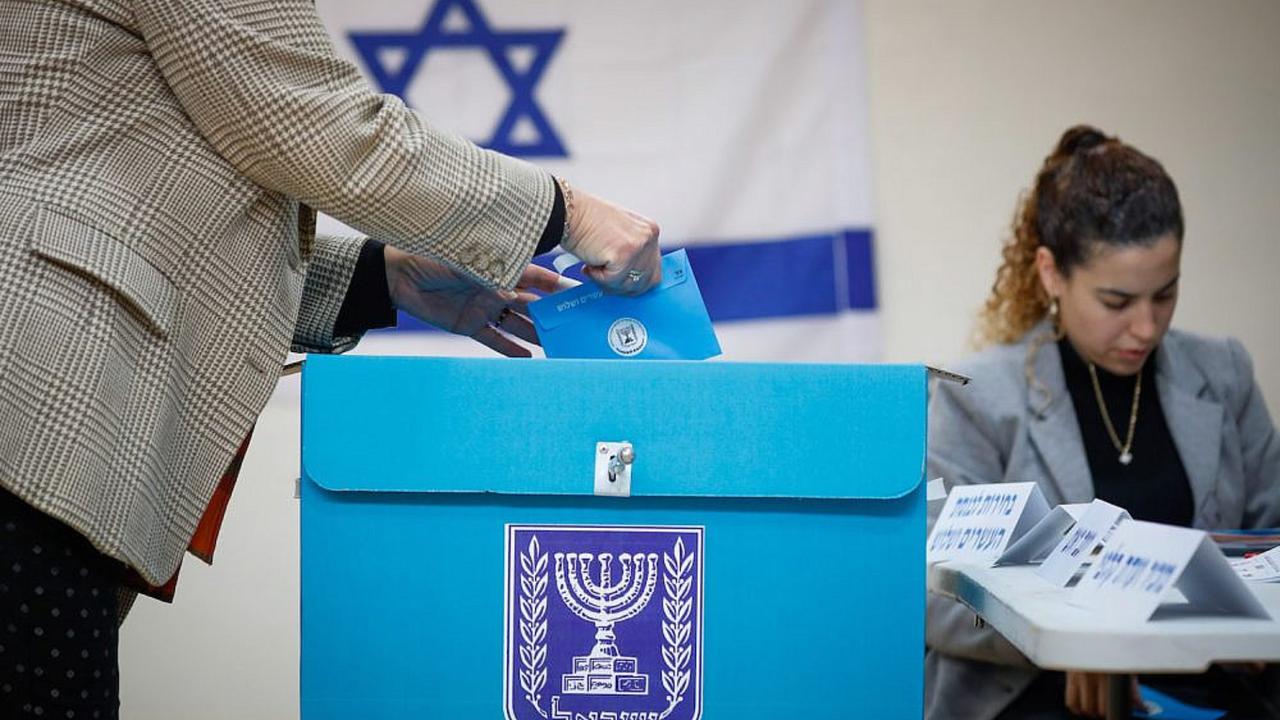
Final Israeli election polls show both camps short of a majority ahead of Tuesday’s vote, the first since Hamas' Oct. 7, 2023, attack.


 Set as preferred source
 Set as preferred source


 1 min read


 1 min read