Newsletters




Israel unleashed what it described as the largest aerial assault in the history of its air force on Saturday, deploying approximately 200 fighter jets in a sweeping campaign against Iranian missile infrastructure and air defence systems across western and central Iran.
The Israeli military said the warplanes "dropped hundreds of munitions targeting approximately 500 objectives, including aerial defence systems and missile launchers," in what it called an "extensive attack" against Tehran's military capabilities. The strikes struck targets spanning multiple Iranian cities, with successive explosions reported from the country's north to its south.
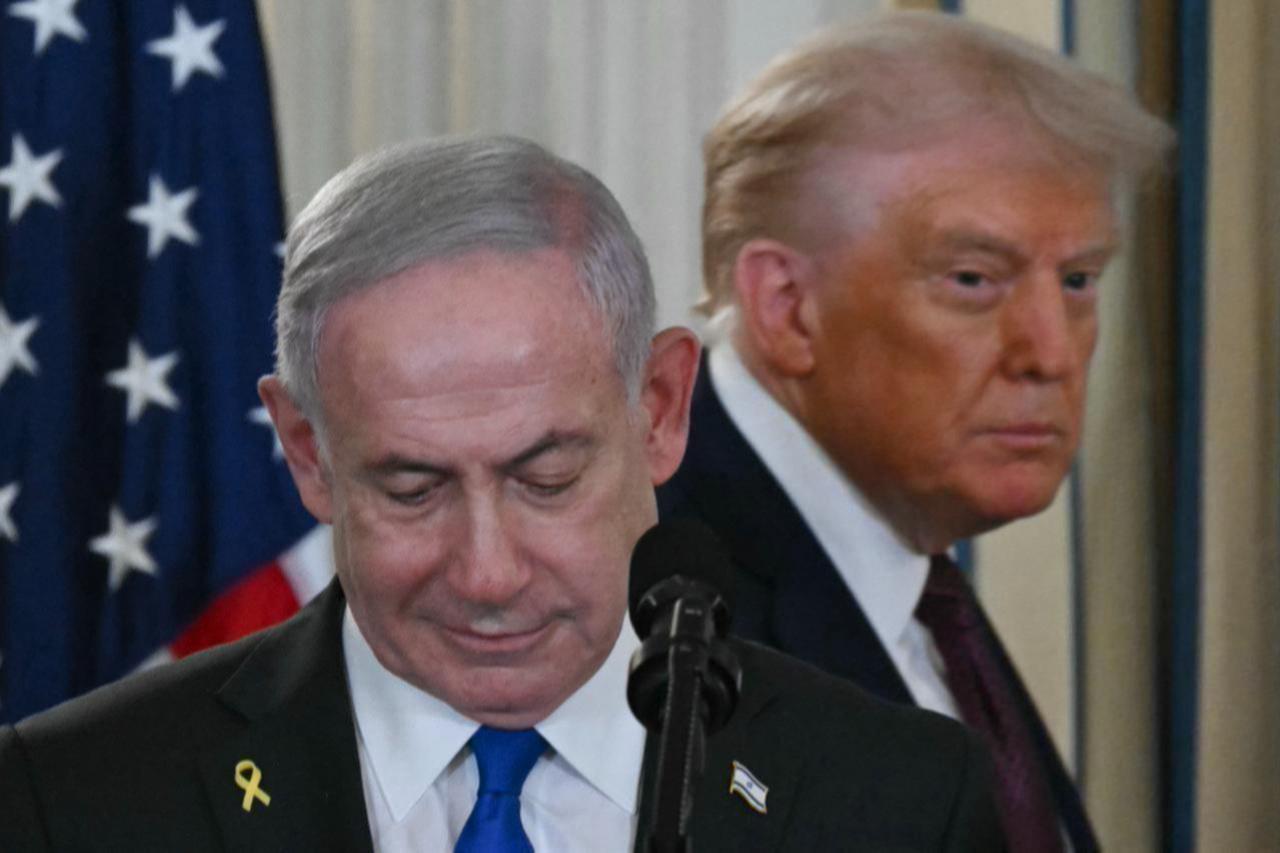
The bombardment came as part of a joint U.S.-Israeli military operation, codenamed "Roaring Lion" by Israel and "Operation Epic Fury" by the Pentagon, that U.S. President Donald Trump characterized as "major combat operations" aimed at dismantling Iran's military and missile capabilities.
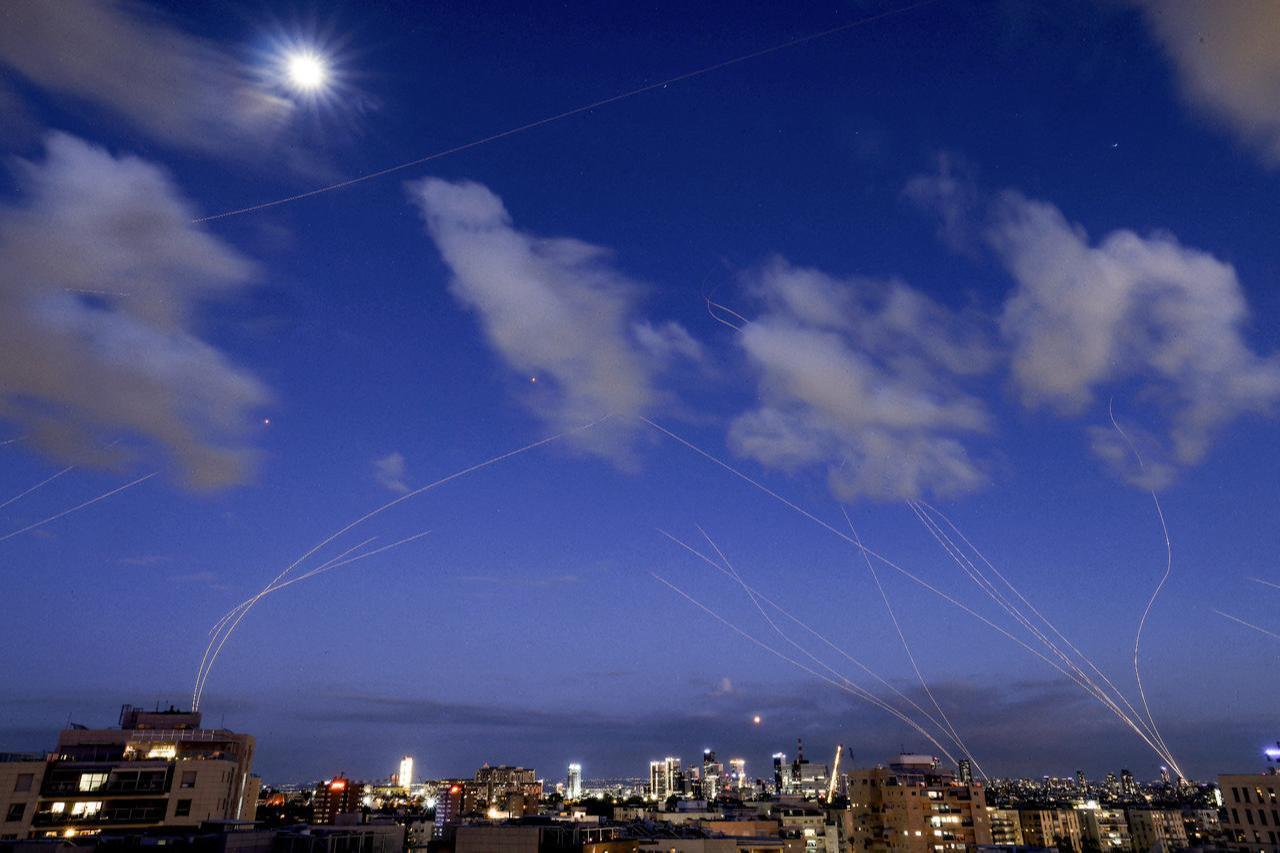

As the assault unfolded, the scope of the strikes became increasingly clear. Iran's Fars news agency reported that two neighbourhoods in southern Bushehr, home to the country's nuclear power plant, were "targeted by missiles." The agency did not provide further details on the Bushehr strikes.
Several successive explosions were also heard near Garmdareh in northern Iran and in Qom, a holy city located south of Tehran, according to Fars. The Israeli military confirmed it had launched additional waves of strikes specifically targeting "the Iranian terror regime's missile launchers and aerial defense systems in central Iran."
The strikes also extended well beyond military targets. Iran's state-run IRNA news agency reported that an Israeli strike hit an elementary girls' school in Minab, a city in the southern Hormozgan province, killing at least 40 people. Iran's Foreign Ministry said the attacks targeted military and defence sites as well as civilian infrastructure across multiple cities.
The rapid escalation drew urgent diplomatic responses from world leaders. German Chancellor Friedrich Merz called on Iran to "immediately" halt its military strikes on Israel and against other "partners" in the Middle East. He urged a "resumption of efforts to find a negotiated solution" and said "the leaders of Tehran must put an end to the violence against their own population."
India's External Affairs Minister Subrahmanyam Jaishankar said he had spoken with both his Israeli and Iranian counterparts. He wrote on X that he reiterated "India's call for dialogue and diplomacy to de-escalate tension" after speaking with Israeli Foreign Minister Gideon Sa'ar, and in a separate post said he "shared India's deep concern at the recent developments in Iran and the region" during a call with Iranian Foreign Minister Seyed Abbas Araghchi.
The strikes came just one day after Oman's Foreign Minister Badr Al-Busaidi announced that a "breakthrough" had been reached in indirect nuclear negotiations between Iran and the United States, with Tehran reportedly agreeing to never stockpile enriched uranium and to accept full verification by the International Atomic Energy Agency. Al-Busaidi had said peace was "within reach."
Israeli Prime Minister Benjamin Netanyahu said the joint operation would last "as long as needed" and was intended to "remove the existential threat posed by the terrorist regime in Iran." Trump, in a prerecorded video address released shortly after the strikes began, called on Iranian civilians to "take over" the government once the attacks conclude.


 Set as preferred source
 Set as preferred source


 1 min read
 1 min read