Newsletters


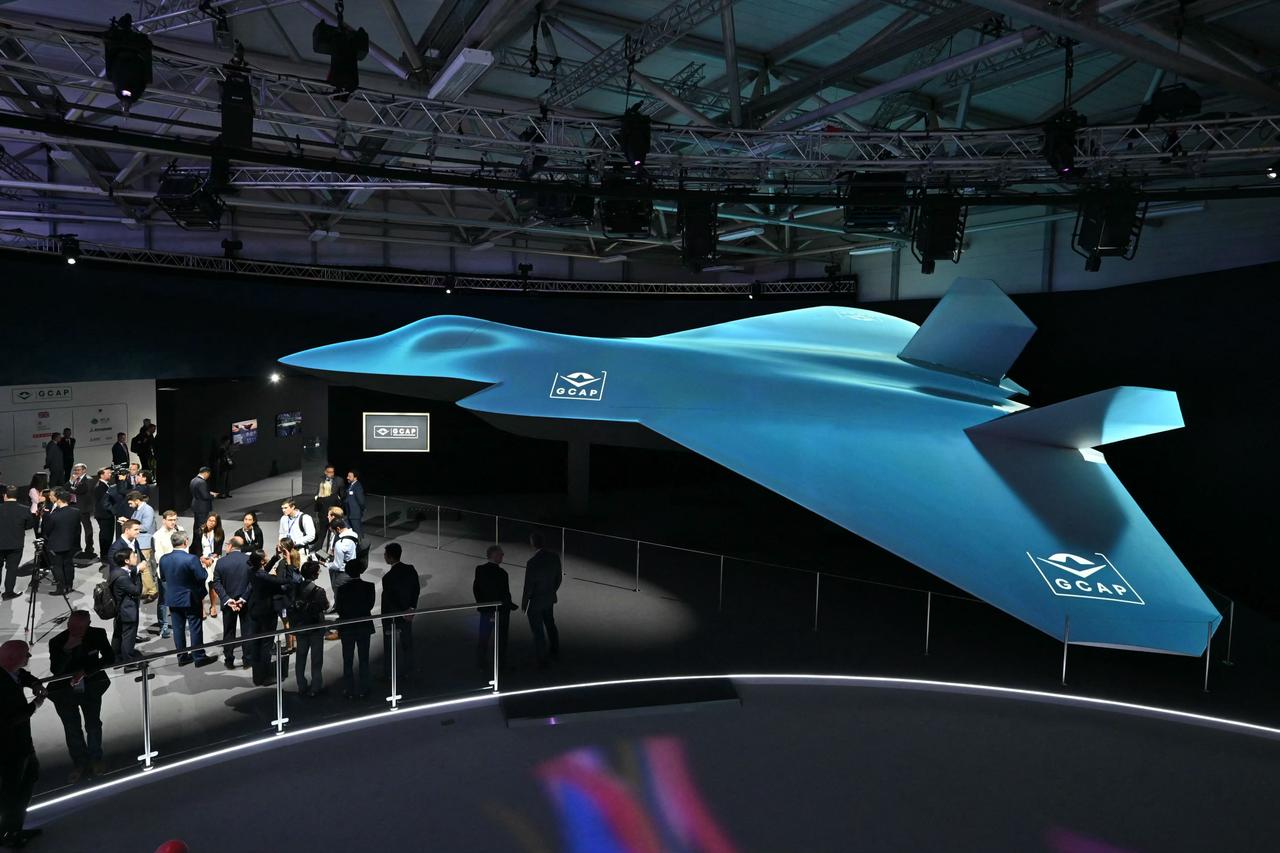


Italian defense giant Leonardo's new chief executive has signaled that Italy would be open to Germany joining the Global Combat Air Program (GCAP), the next-generation fighter jet project it shares with the United Kingdom and Japan, following Berlin's withdrawal from a rival project with France and Spain, the Financial Times (FT) reported.
Lorenzo Mariani, who took the helm of the state-controlled Italian defense group last month, told the Financial Times that German participation in GCAP would delay the project but bring longer-term benefits.
"If you wanted to bring a new nation now, with the same rights as the other three, this would be a little bit disruptive," Mariani said, but added that "the long-term benefits are clear."
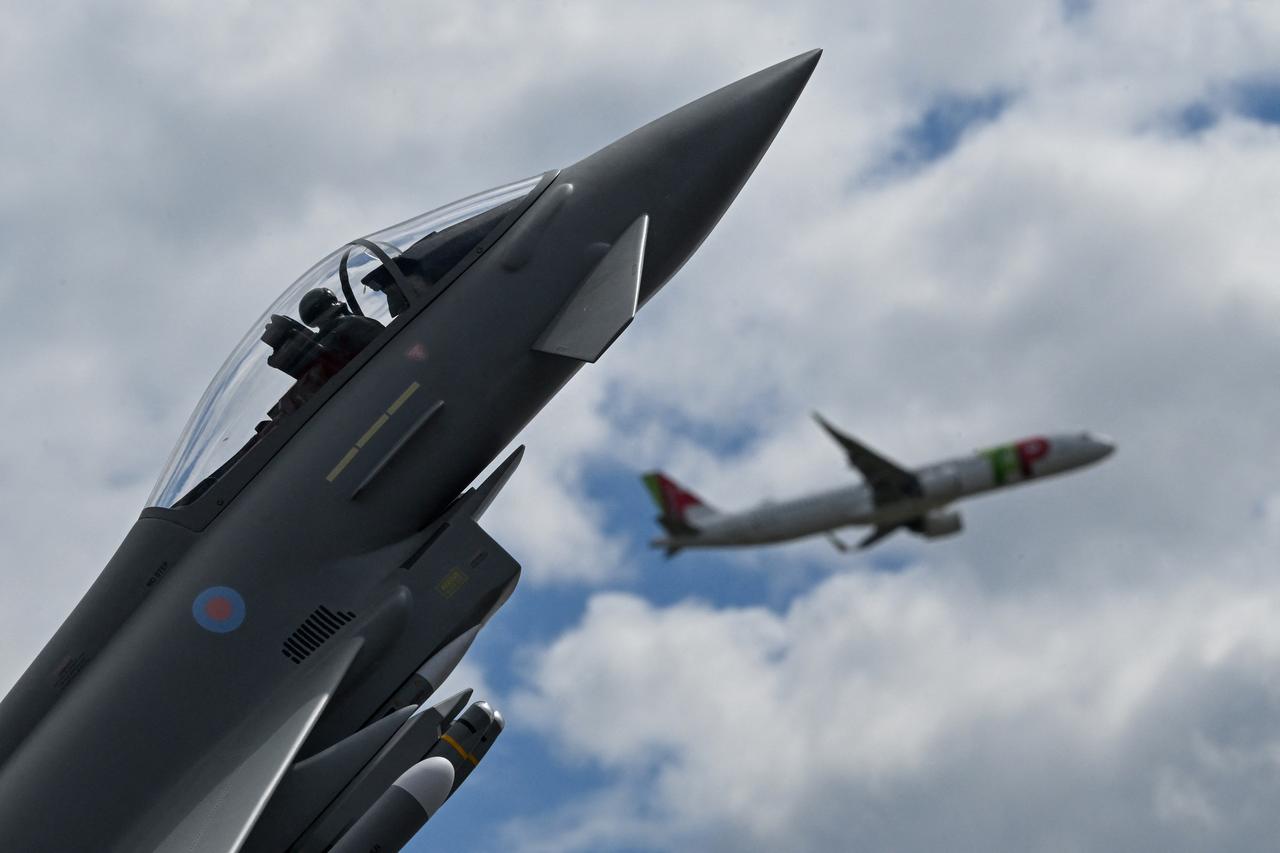
Mariani said that while existing GCAP partners had already agreed on a division of work after difficult negotiations, Leonardo and the U.K.'s BAE Systems had previously worked successfully with Airbus' German-based defense division on the Eurofighter Typhoon.
"I would be glad if some of the German industrial complex joined our activities," he said.
"These programs are always very demanding in terms of investment. Normally, they absorb more than you foresee at the beginning. So having another partner with both money and industrial competence would be good," Mariani added.
He said bringing Germany into the project at this stage would require intensive negotiations.

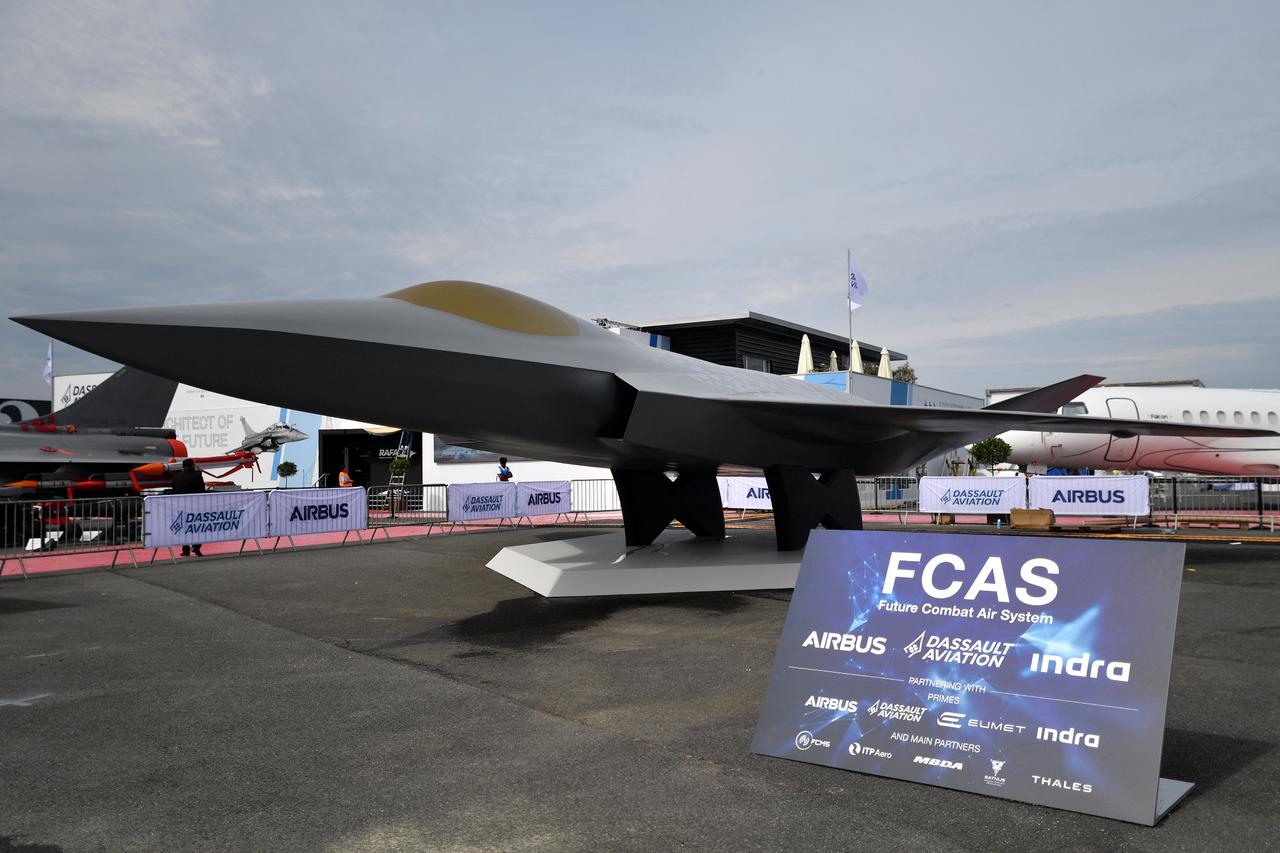
Mariani said he was not surprised by the collapse of the €100 billion ($114.5B) Future Combat Air System (FCAS) project after Berlin pulled the plug, following several attempts by French President Emmanuel Macron and German Chancellor Friedrich Merz to push Airbus and Dassault to resolve their differences.
He said that while political leaders had driven the project forward, FCAS struggled at the industrial level.
"You can start politically, but if the industry doesn't find the right commonalities, the right objectives, the sharing of work, it is really difficult," he said.
The German government and Airbus have indicated Germany is seeking either to lead a new project or to join an existing one if its role is "substantial" and corresponds to "Germany's financial contribution."
Japan, for its part, has been reluctant to admit new partners, seeking to avoid delays and meet GCAP's target of having a fighter jet in service by 2035.
Germany's potential interest comes amid uncertainty over the U.K.'s financial commitment to GCAP after John Healey resigned as defense secretary this month, criticizing the government for being "unwilling to commit the resources that the nation needs to defend the country at this time of rising threats."
His departure was followed hours later by that of Al Carns, the U.K.'s former armed forces minister.
Mariani said he remained confident about continued U.K. participation.
"Combat air is a segment that is so important for the U.K. that they will never abandon the priority," he said, adding, "it's important for the nation, for the way the nation is geographically located and it's important for its industrial competence."
Speaking to Breaking Defense, Paul Taylor, senior visiting fellow at the Brussels-based European Policy Center, described the "fragility" of GCAP as centered on U.K. financing and the project's operational timeline, noting Japan "desperately needs something for 2035."
He said Japan, facing what it considers a significant Chinese threat, has "the most skin in this game" of the three GCAP partners, while "funding of U.K. defense investments is in flux."
Tokyo had reportedly raised concerns over the U.K. holding up funding for an existing £686 million design and development contract.
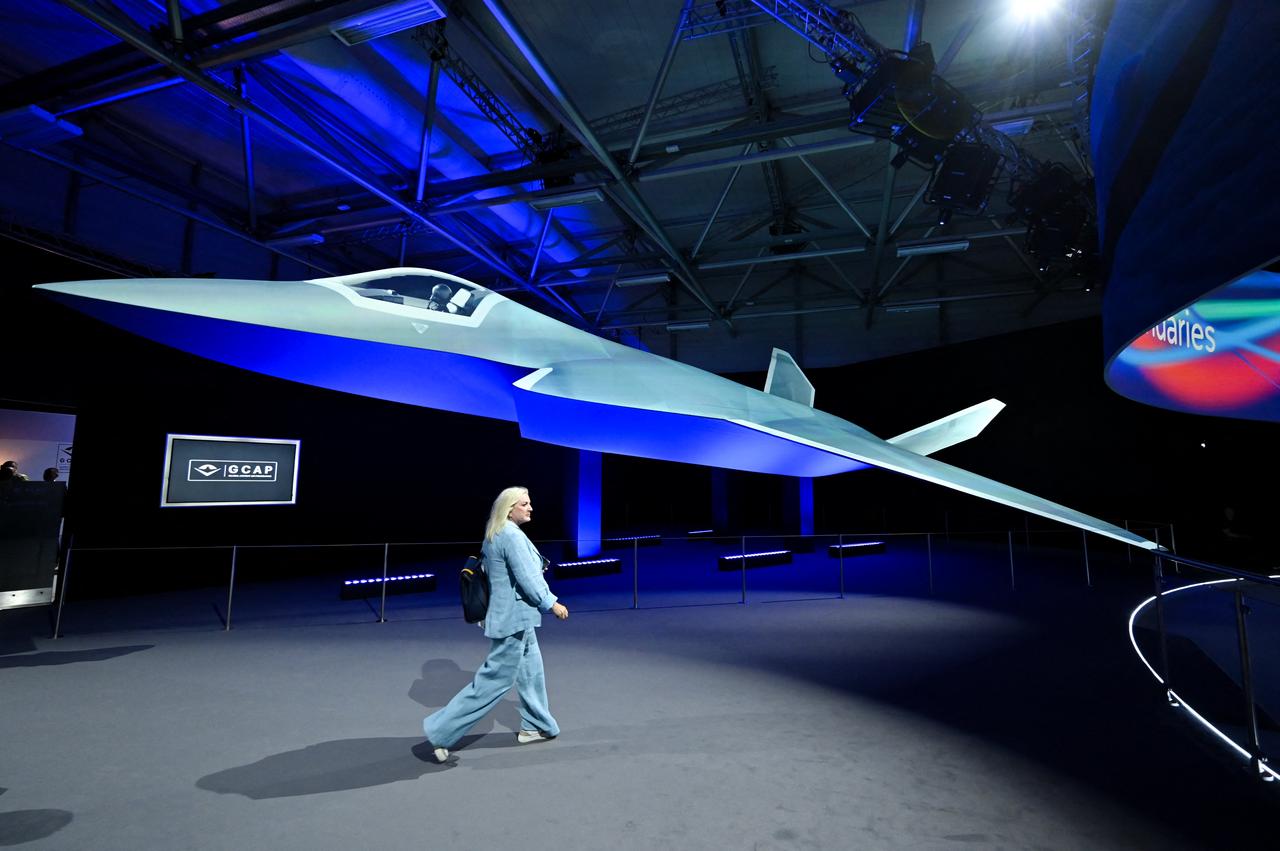
The U.K. has said a contract for the sixth-generation fighter is to be signed within weeks, in line with bilateral talks held over the weekend between Prime Minister Keir Starmer, who resigned on Monday, June 22, and Japanese Prime Minister Sanae Takaichi.
"During the meeting (in London), the prime ministers are expected to confirm their shared commitment to the GCAP, and discuss the launch of the next phase of the international program, including through the international contract that will be signed by the end of the month," the U.K. prime minister's office said in a statement.
GCAP is delivered through the governments of the U.K., Italy and Japan and their respective industries, BAE Systems in the U.K., Leonardo in Italy, and Japan Aircraft Industrial Enhancement Co. Ltd. (JAIEC) in Japan, to produce a next-generation combat air capability designed to defeat future threats from 2040 onward.
The jet is intended to replace British and Italian Eurofighter Typhoons as well as Japanese F-2 multi-role aircraft, with a targeted in-service date of 2035. Beyond the aircraft itself, the program includes a family-of-systems approach incorporating unmanned platforms designed to fly alongside the jet as drone wingmen.


 Set as preferred source
 Set as preferred source


 2 min read
 1 min read