Newsletters


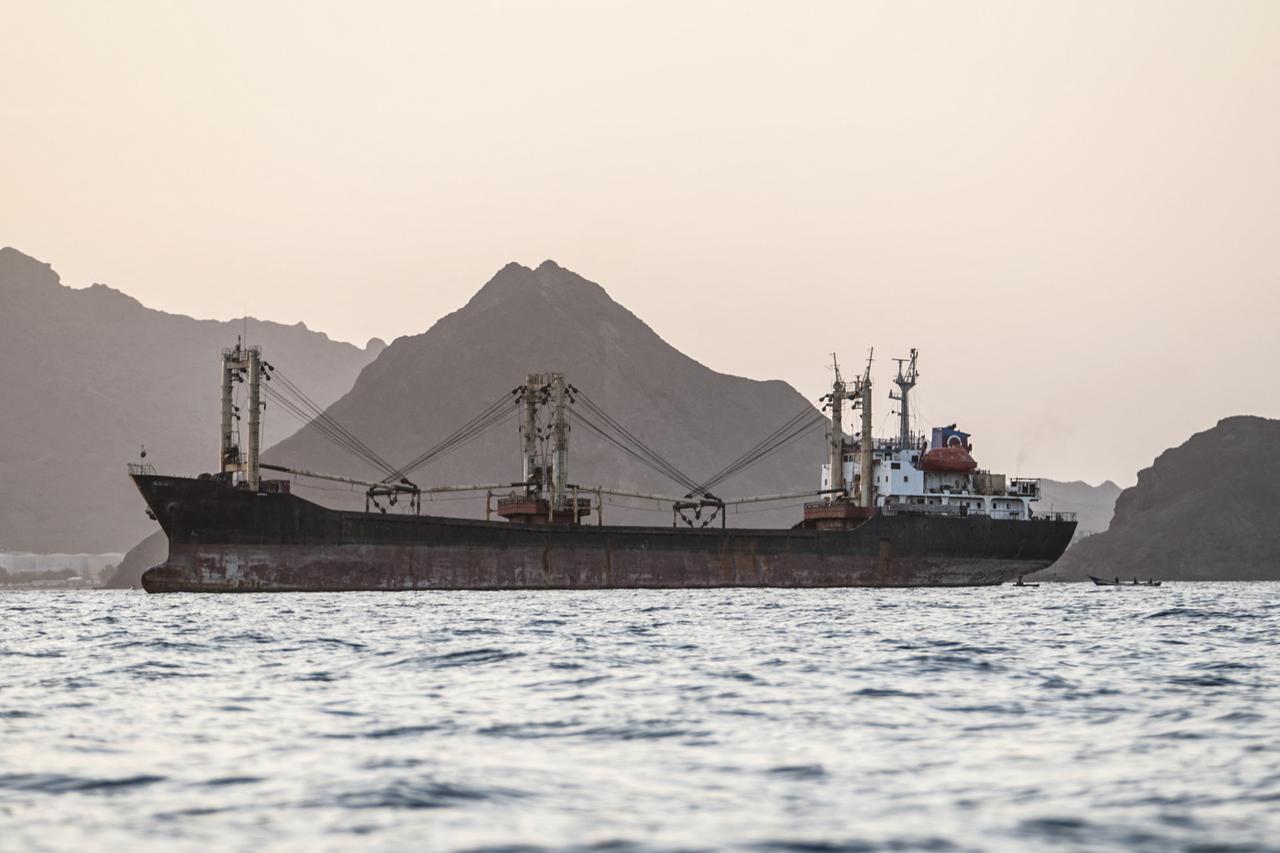


Italy is “not at war” in the Red Sea and will continue supporting the EU’s defensive Aspides naval mission, Foreign Minister Antonio Tajani said Sunday, calling for the operation to be renewed and strengthened as regional tensions rise.
“No, we are not at war,” Tajani told Italian daily Corriere della Sera when asked about a recent attack involving an Italian fighter jet and Houthi statements that they were not at war with Italy.
His comments followed a Houthi strike on Saudi Arabia’s Taif airbase that reportedly damaged an Italian F-2000 Eurofighter on the ground.
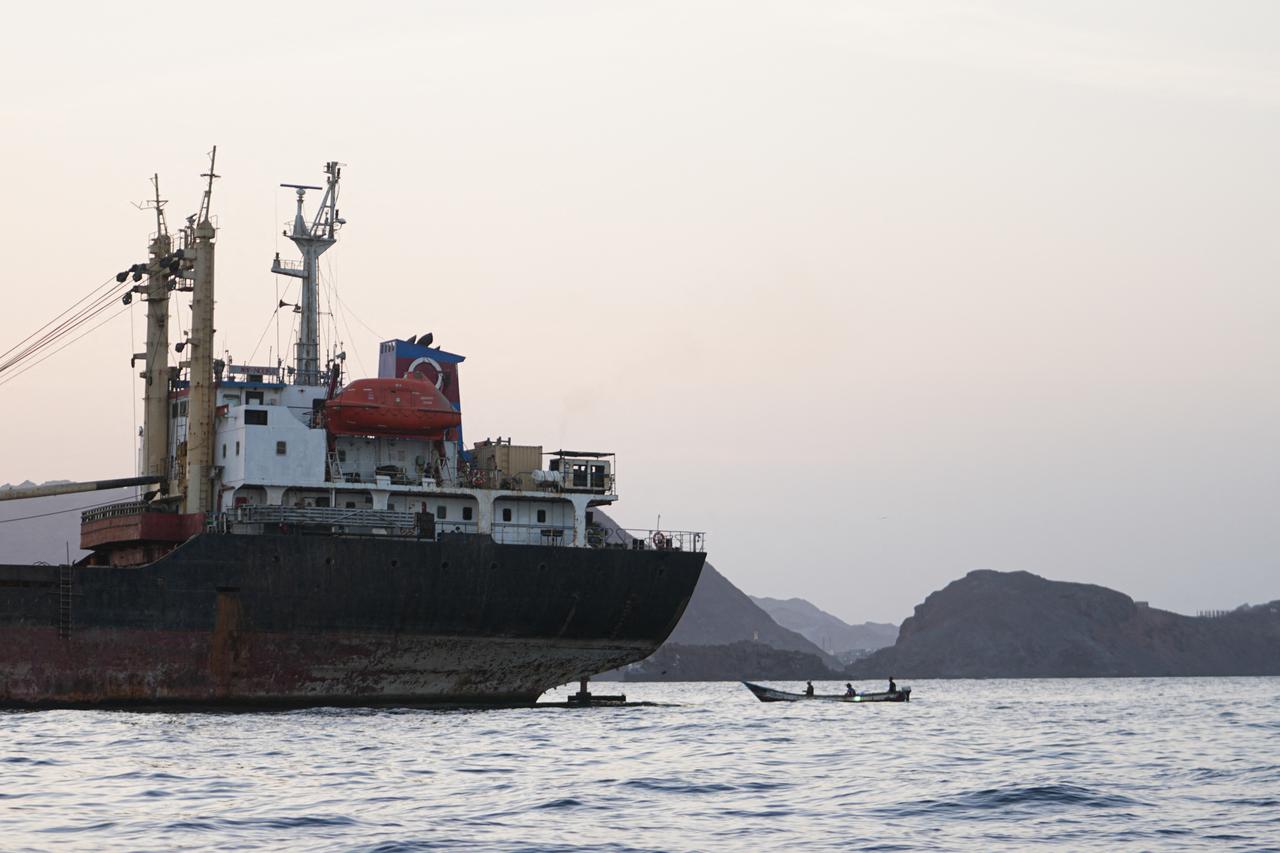

Tajani said Aspides was established as a defensive mission to protect merchant vessels transiting the Red Sea and Bab el-Mandeb from potential Houthi attacks.
He said Italy would continue backing the operation “in the face of the worsening situation in the strait” and urged other European countries to contribute additional naval units or help cover the mission’s costs.
“Aspides absolutely must continue and be strengthened,” Tajani said.
He stressed Italy’s economic interest in the waterway, saying 40% of the country’s total commercial maritime traffic and 60% of its exports to Asia pass through the Red Sea.
Saudi Arabia has faced a series of missile and drone attacks attributed to the Houthis in recent days, while the group now controls access to the Bab el-Mandeb Strait.
Tajani said Italy had been urging other countries for months to contribute to Aspides and would raise the issue again next week in New York during the U.N. General Assembly.
He is expected to discuss the mission at an EU Foreign Affairs Council meeting, a G7 foreign ministers’ meeting and a gathering of the Rome Coalition for Food Security. The coalition, launched by Italy and Croatia, will also discuss freedom and safety of navigation.
Tajani said he would meet U.S. Secretary of State Marco Rubio and plans to sign an agreement on raw materials aimed at securing supplies.
The agreement would include the “Pax Silica” initiative covering critical minerals such as rare earths.
On the conflict involving Iran, Tajani said Italy did not support the war and favored peace.
“A conflict we didn’t share and where we support peace,” he said.
He added that he would meet the Iranian foreign minister in New York despite Italy’s critical stance toward Tehran, particularly over its nuclear program.
Tajani also backed European Commission President Ursula von der Leyen’s proposal to make Canada an associated country of the EU, describing Canada as a strategic partner of Europe and a member of NATO and the G7.
He said his U.N. General Assembly address would focus on cybersecurity, hybrid threats and artificial intelligence.


 Set as preferred source
 Set as preferred source


 1 min read
 1 min read