Newsletters


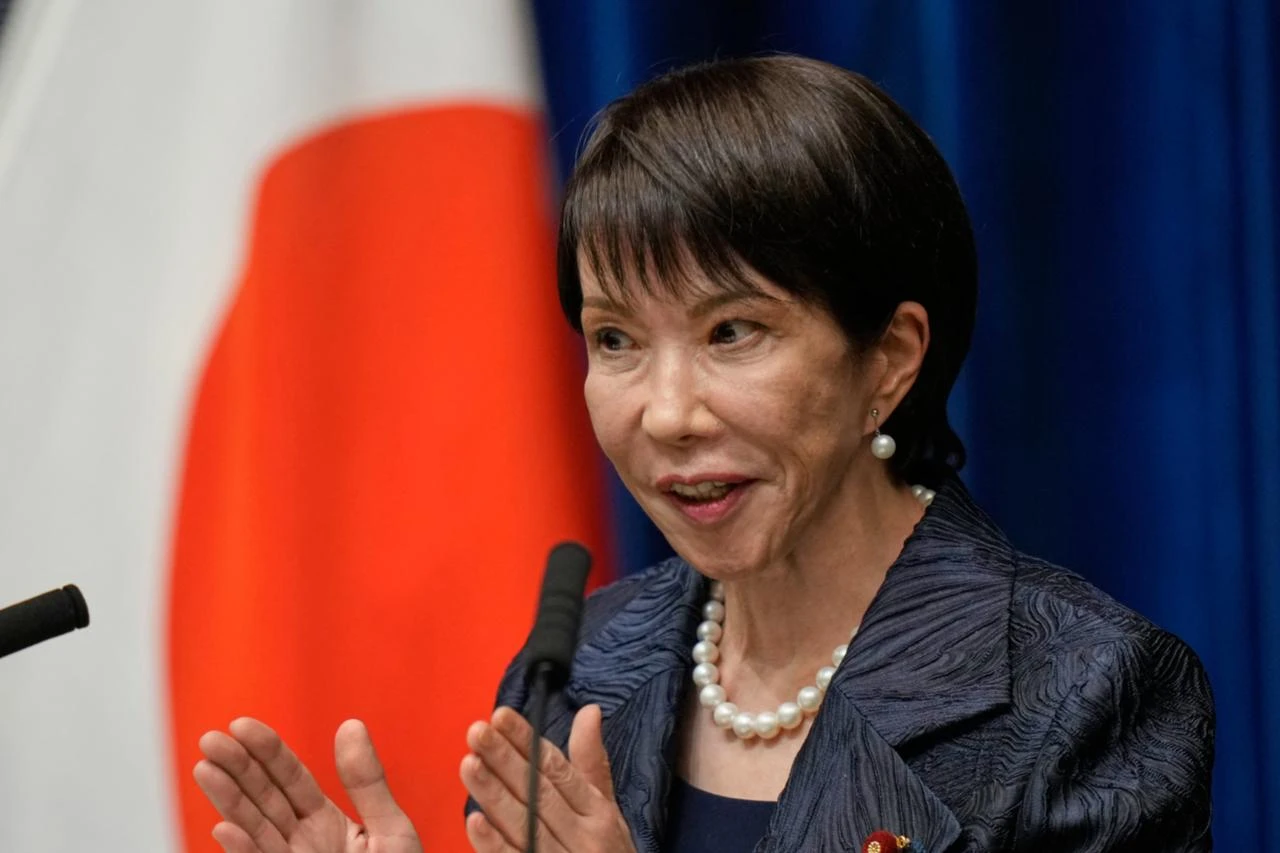


Japan’s Prime Minister Sanae Takaichi called on Monday for international talks to restore free and safe navigation through the Strait of Hormuz and reopen the waterway as soon as possible without additional costs.
After a phone conversation with Oman’s Sultan Haitham bin Tariq Al Said, her second call with the Omani leader since April, Takaichi wrote on X that the situation surrounding Iran had reached a critical stage and stressed the need for an early de-escalation.
"Furthermore, I stated that it is important for free and safe navigation without additional costs in the Strait of Hormuz to be restored as soon as possible and that it is necessary to have firm discussions with the international community, including countries using the strait," Takaichi said.
Haitham briefed Takaichi on the latest developments in Oman’s discussions with Iran and explained Muscat’s position, according to the Japanese Foreign Ministry. The Omani sultan pledged to consult countries using the Strait of Hormuz on the future of the waterway and respect their positions.
Takaichi said Japan would continue coordinating closely with Oman on peace and stability in the region, including over the Strait of Hormuz. The two leaders also discussed regional developments and ways to strengthen cooperation across various fields in pursuit of their mutual interests.
Japan has a major stake in the reopening of the Strait of Hormuz because of its heavy reliance on Middle Eastern oil. About 95% of Japan’s oil imports come from the region, with Saudi Arabia, the UAE, Kuwait, and Qatar among its main suppliers.
Japan also remains particularly dependent on crude shipments passing through Hormuz, making the prolonged disruption a significant energy-security concern for Tokyo.
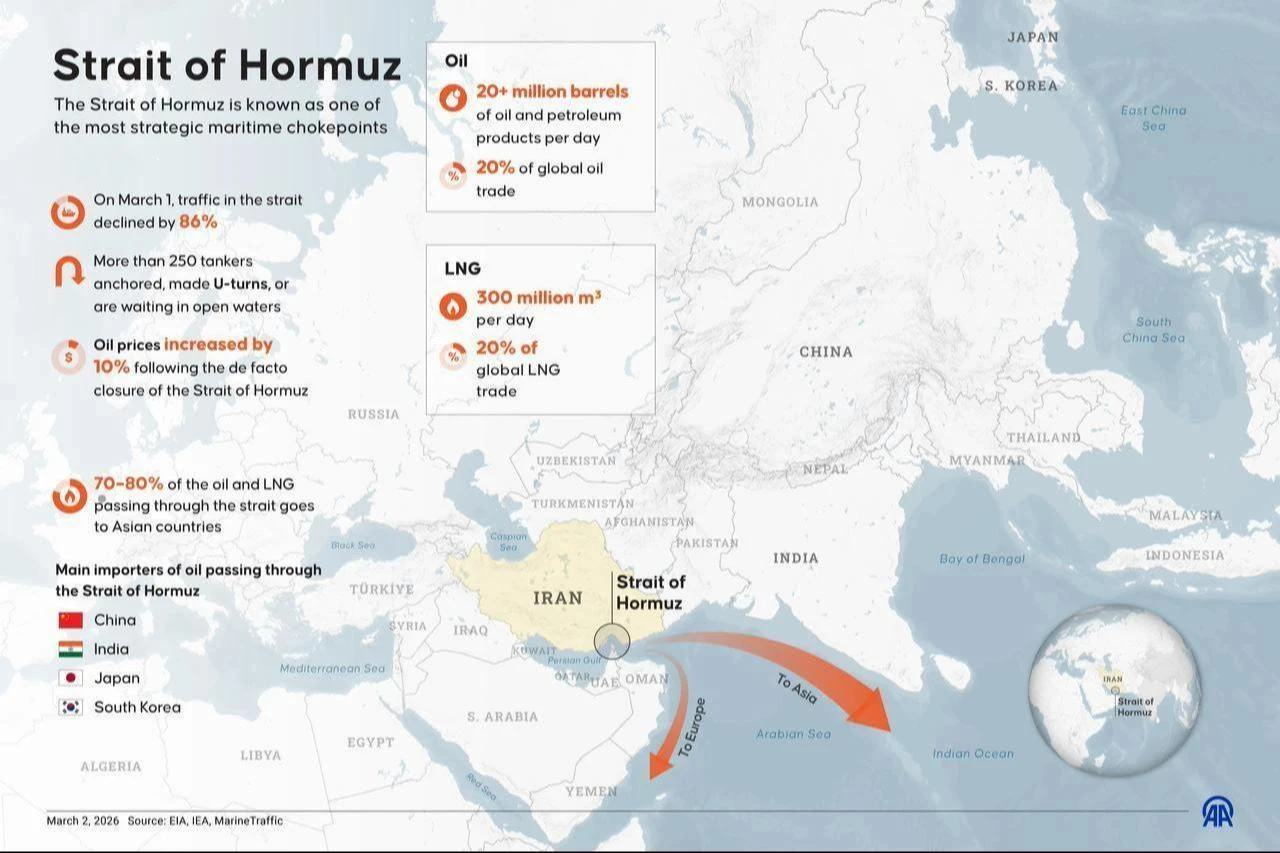

The developments come as Oman and Iran continue talks on arrangements for shipping through the Strait of Hormuz. Iranian Foreign Ministry spokesman Esmaeil Baghaei said the discussions were progressing "smoothly and constructively," with the two sides reaching an understanding on a map for maritime traffic.
Baghaei also said Tehran was not currently discussing transit fees for ships with Oman, but added that Iran should receive compensation if it provides services such as monitoring and ensuring safe passage through the waterway.
Reuters reported last week that Iran was seeking charges equivalent to 5%-7% of the declared value of cargoes, while Oman was considering about 3%. The proposal faced opposition from the US and raised concerns within the shipping industry.


 Set as preferred source
 Set as preferred source


 1 min read
 1 min read