Newsletters


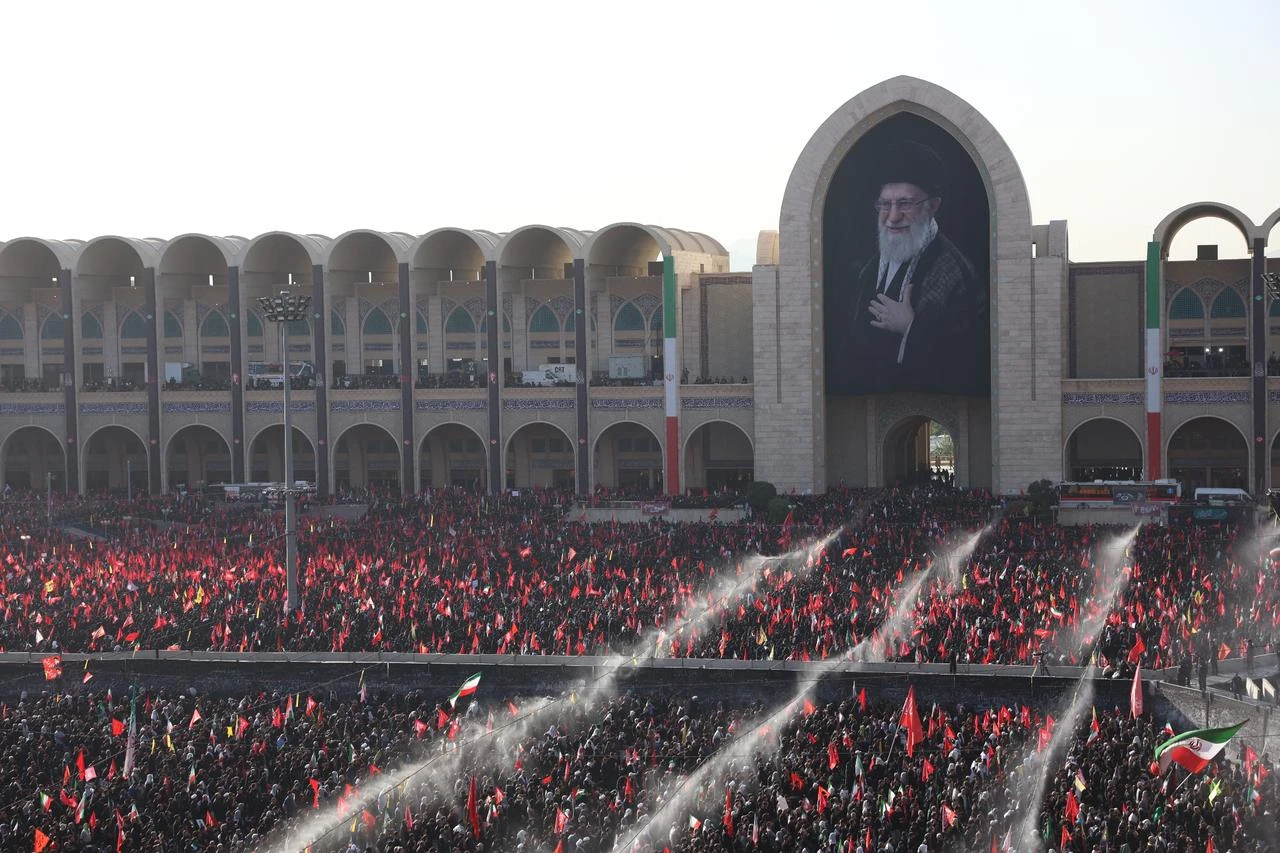


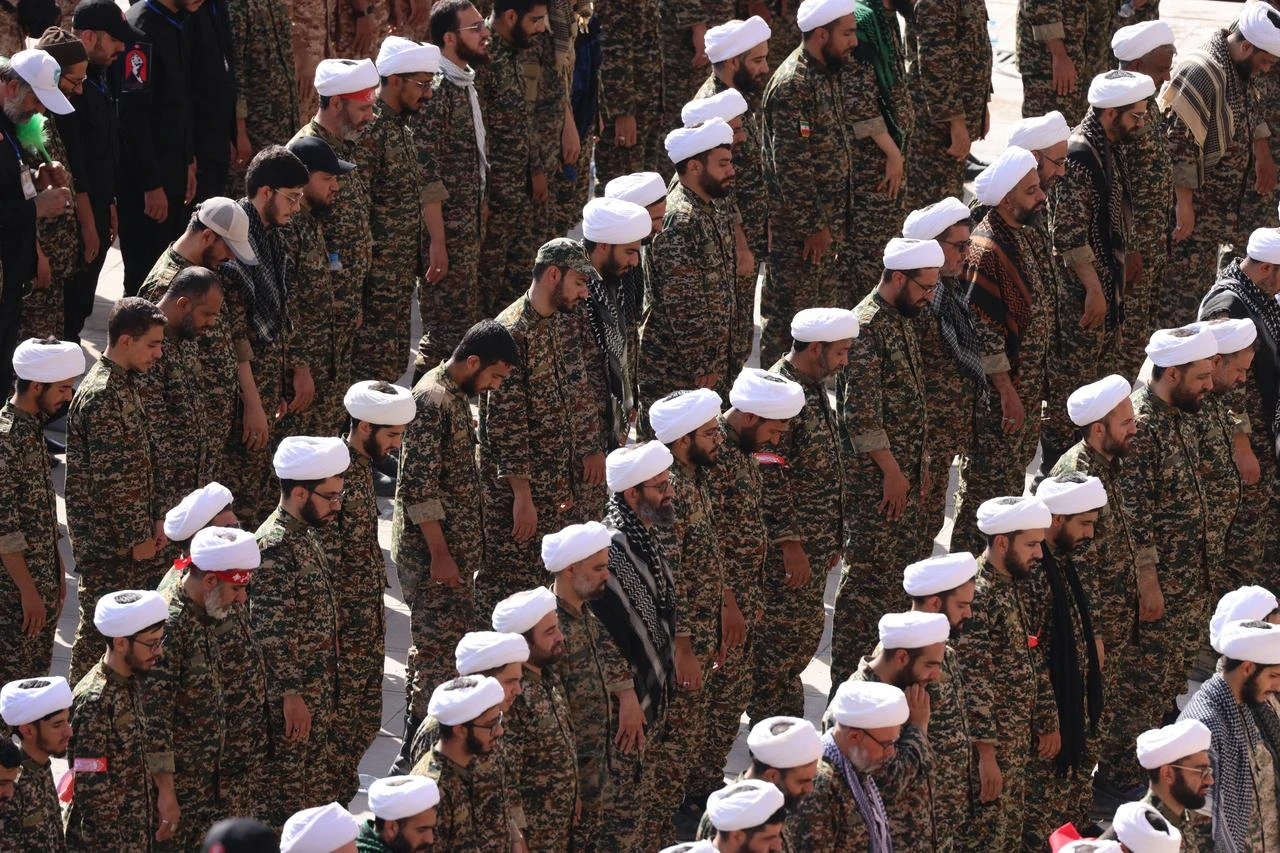
Prayers were held Sunday over the casket of Iran's late supreme leader Ali Khamenei at Tehran's Grand Mosalla complex as three of his sons made their first public appearance since he was killed in a U.S.-Israeli airstrike in late February.
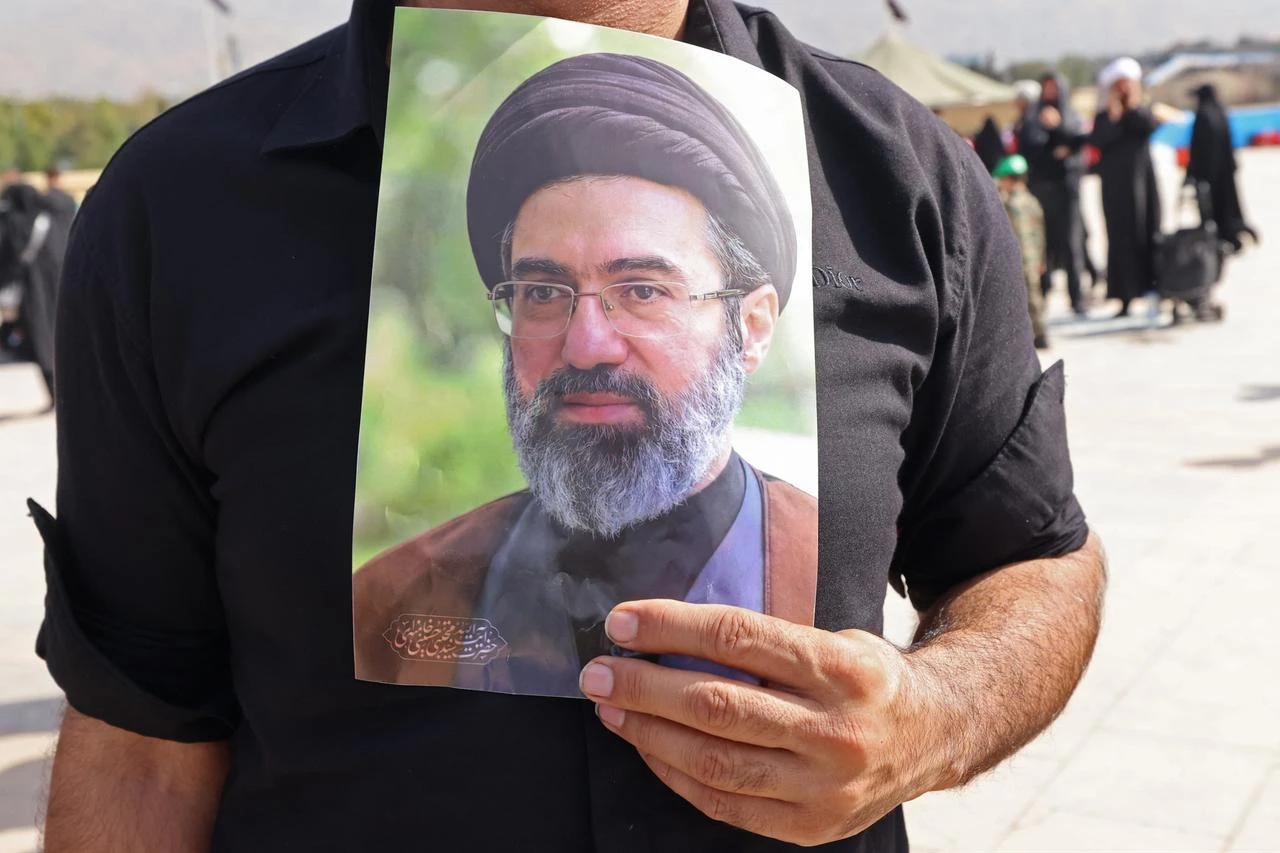
Mostafa, Masoud and Meysam Hosseini Khamenei appeared Sunday to say prayers over their father's body, while Mojtaba Khamenei, who became Iran's third supreme leader after his father's death, remained absent. Mojtaba, who is said to have been wounded in the Feb. 28 attack, has not appeared in public since being named supreme leader.
Khamenei, who ruled the Islamic Republic from 1989, was killed at age 86 on Feb. 28, the first day of the U.S.-Israeli war with Iran.
The Sunday service was led by prominent Shiite cleric Ja'far Sobhani, a 97-year-old scholar who teaches in seminaries in the holy city of Qom.
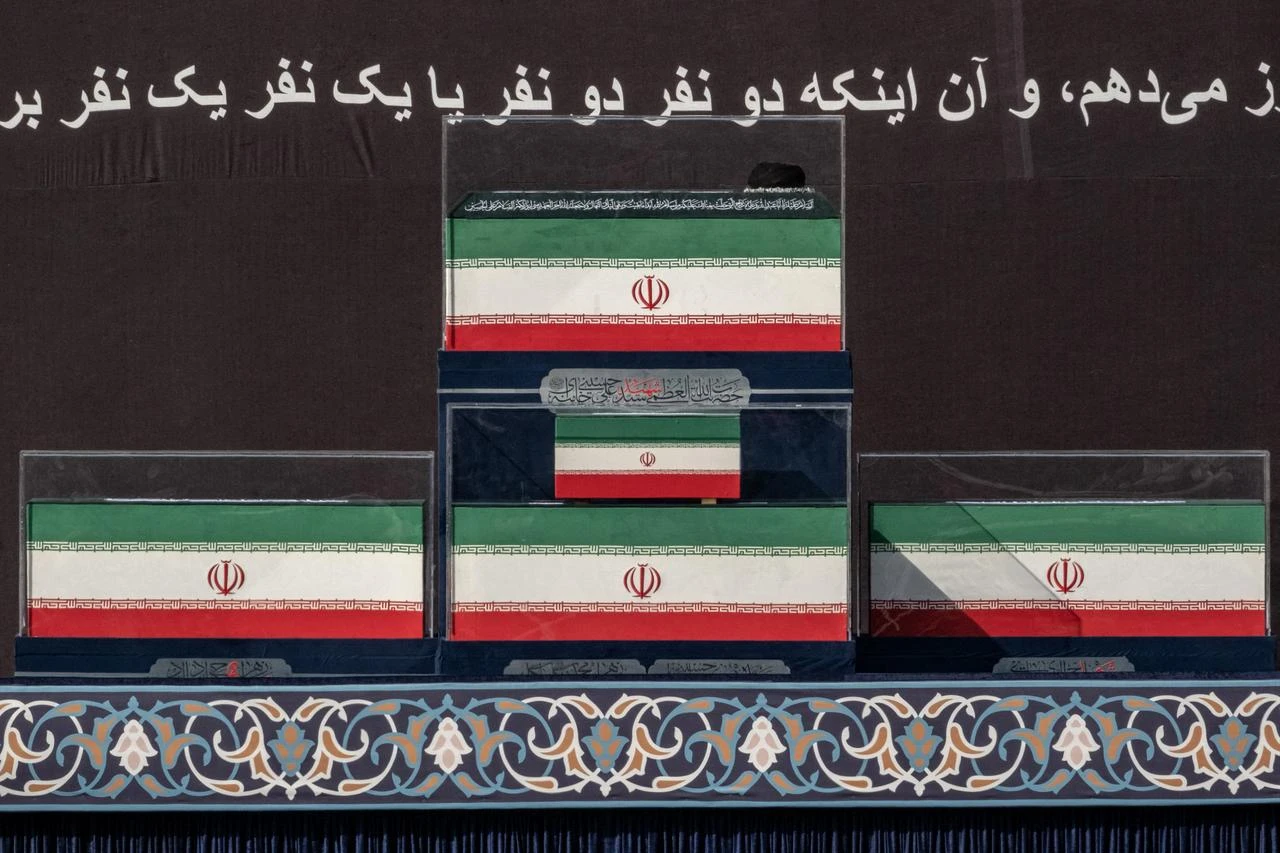

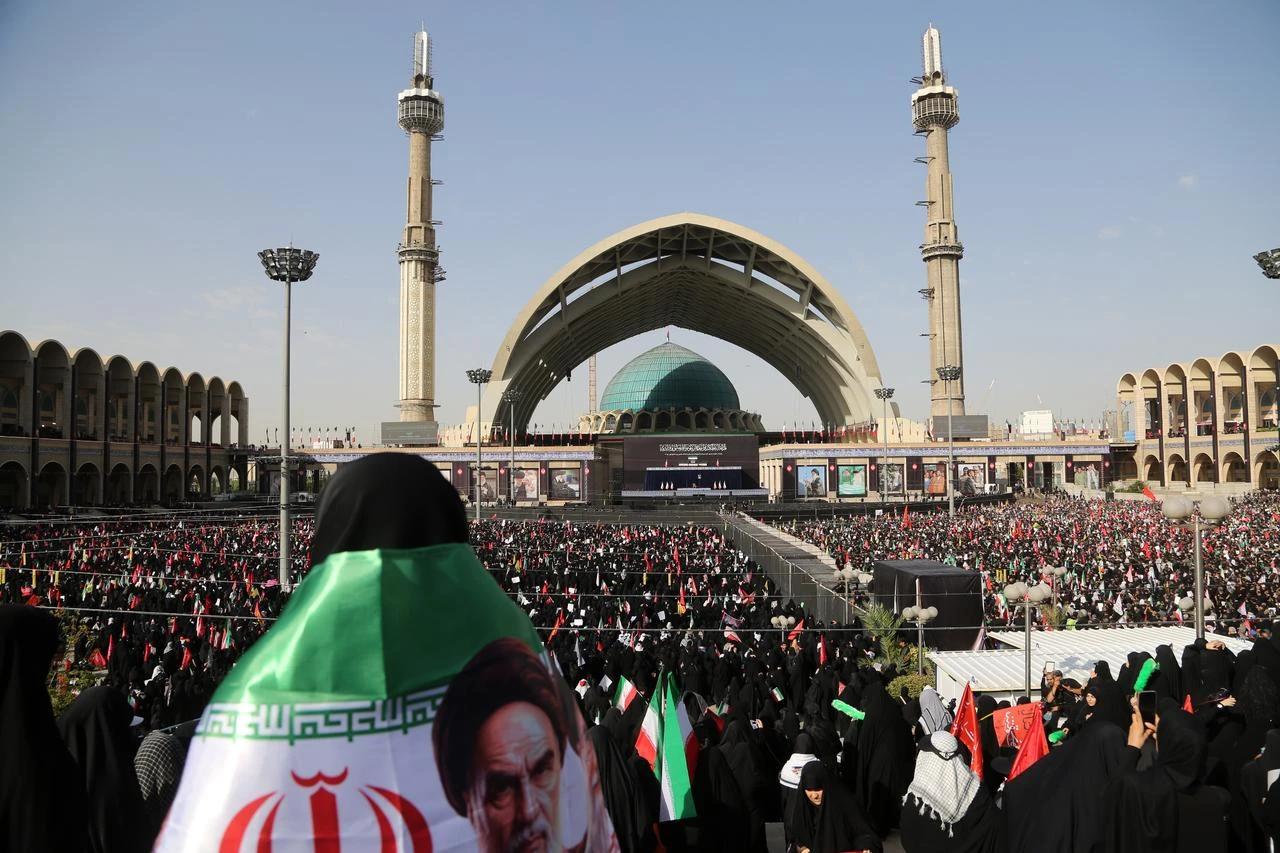
Sunday was declared a public holiday across Iran as large crowds gathered at the Grand Mosalla and surrounding streets, Agence France-Presse (AFP) journalists saw.
Mourners carried Iranian flags and portraits of Khamenei as they made their way to the complex, where they were handed refreshments amid temperatures expected to exceed 35°C.
On Saturday, tens of thousands of Iranians had gathered at the same complex to view the coffins of Khamenei and members of his family. Mourners dressed in black beat their chests, waved Islamic Republic banners and chanted, "Death to America."
Khamenei's coffin, draped in the Iranian flag and topped with his black turban, was placed alongside the coffins of four relatives also killed in the February strikes, including an infant granddaughter.
President Masoud Pezeshkian attended Sunday's ceremony along with senior officials, including Parliament Speaker and Iran's chief negotiator Mohammad Bagher Ghalibaf, as shown on state television.
Authorities said they expect more than 10 million people to take part in ceremonies in Tehran. Significant security measures have been imposed in the capital, while official media warned attendees of the risk of crowd crushes.
The funeral comes after five weeks of intense hostilities that have been paused under a ceasefire and initial accord with the U.S. Both Washington and Tehran have warned they are ready to resume fighting at any time.
During the war, more than 3,000 people were killed, including many senior Iranian politicians and military commanders. Military bases and major infrastructure projects were destroyed, causing billions of dollars in damage.
Iran also struck U.S. bases in the region and asserted control of the Strait of Hormuz, causing a spike in global energy prices. U.S. President Donald Trump said that pushed him to move faster toward peace.
The interim deal reached last month includes the unfreezing of billions of dollars in Iranian assets held abroad and waivers from financial sanctions that had severely damaged Iran's economy.
The Axios news website quoted Trump as saying peace talks had been paused for a week because of the funeral events. Trump also said he was surprised to see some Iranians crying at the funeral, adding: "Maybe it's fake tears."
Iran's embassy in Armenia responded on X, saying, "You don't understand these things because you have neither civilization, nor history, nor honor."
Khamenei had long pursued confrontation with the West, and Tehran has for years supported anti-U.S. and anti-Israel armed groups around the region, including Hamas and Lebanon's Hezbollah.
Delegations from both groups met Foreign Minister Abbas Araghchi on Saturday, state media reported. Representatives of Yemen's Houthi rebels and Palestinian Islamic Jihad also attended the funeral.
The funeral is being watched outside Iran as a test of public support for the government after mass protests before the war in January that rights groups say were suppressed in a crackdown that left thousands dead.
"What is observed today in the emotions, tears, and passionate presence of the people in various scenes is the most telling sign of his position among the Iranian nation and the free people of the world," Pezeshkian said Saturday.
After Monday's procession in Tehran, Khamenei's coffin will be moved Tuesday to Qom for ceremonies, then Wednesday to Iraq's Shiite holy cities of Najaf and Kerbala.
The body will return to Iran on Thursday for a procession in Khamenei's northeastern hometown of Mashhad, where he is to be buried.


 Set as preferred source
 Set as preferred source


 1 min read
 1 min read