Newsletters


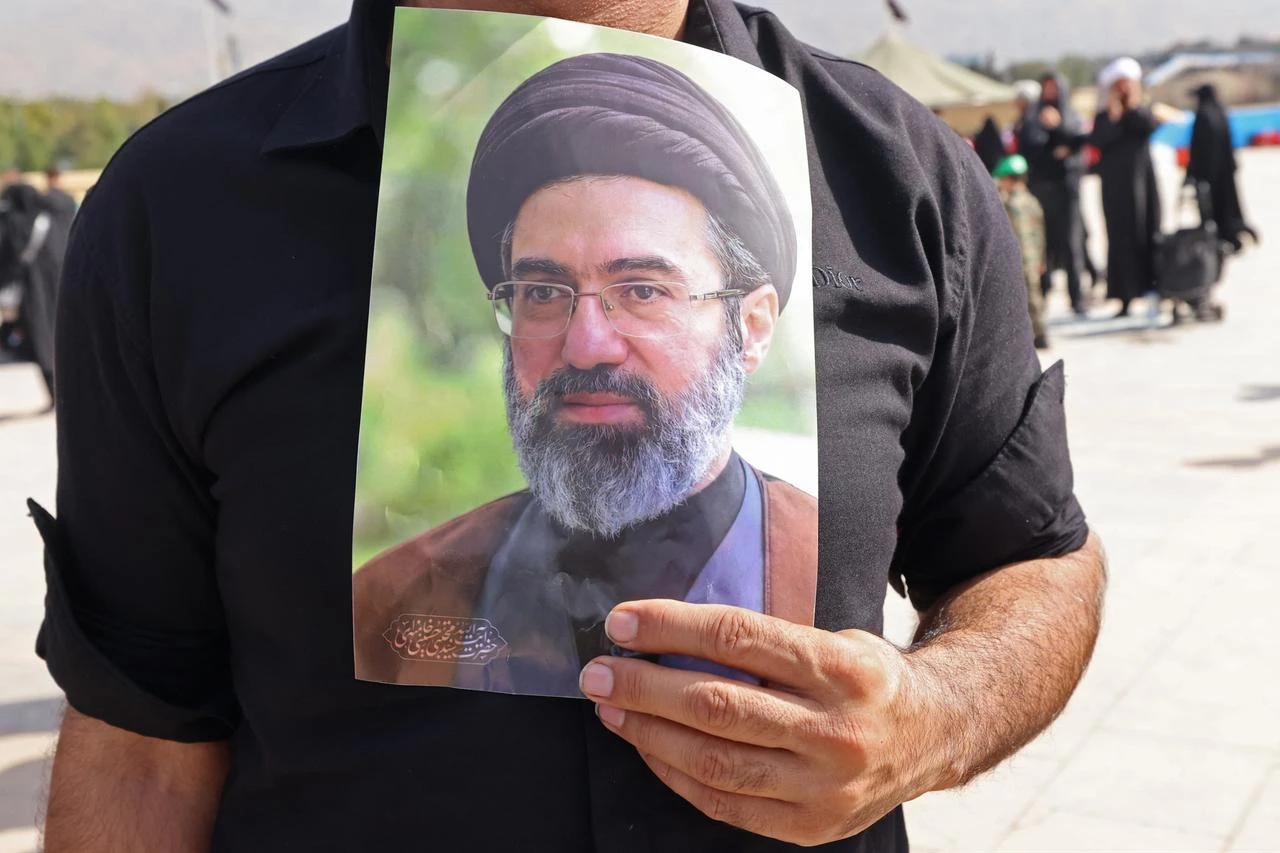


Iranian security officials stopped new Supreme Leader Mojtaba Khamenei from attending his father's burial ceremony in Mashhad on July 9, fearing Israel could try to assassinate him at the event or track his movements to his hiding place, The New York Times (NYT) reported.
Two members of Iran's Islamic Revolutionary Guard Corps (IRGC) and a person involved with the funeral planning told the NYT that Mojtaba Khamenei had told officials he wanted to attend and recite the prayer of the dead over his father's body.
Security officials rejected the request.
Mojtaba Khamenei, 56, has not appeared in public since being appointed supreme leader in March, following his father Ali Khamenei's death in the U.S.-Israeli strikes on Feb. 28 that also killed his wife, teenage son, and other relatives.
His absence has raised questions inside Iranian political circles about who is really running the country and allowed "extraordinary open divisions to fester," the Times reported.
The weeklong funeral, which began Friday, was intended to project strength and unity. Senior officials who had not appeared together since the war began walked side by side, the president, the speaker of Parliament, the head of the judiciary, and top Revolutionary Guards commanders.
"When Iran's leaders and senior military commanders paid tribute to the slain supreme leader," the Times reported, "it was supposed to be a display of strength, endurance and unity after war with the United States and Israel."
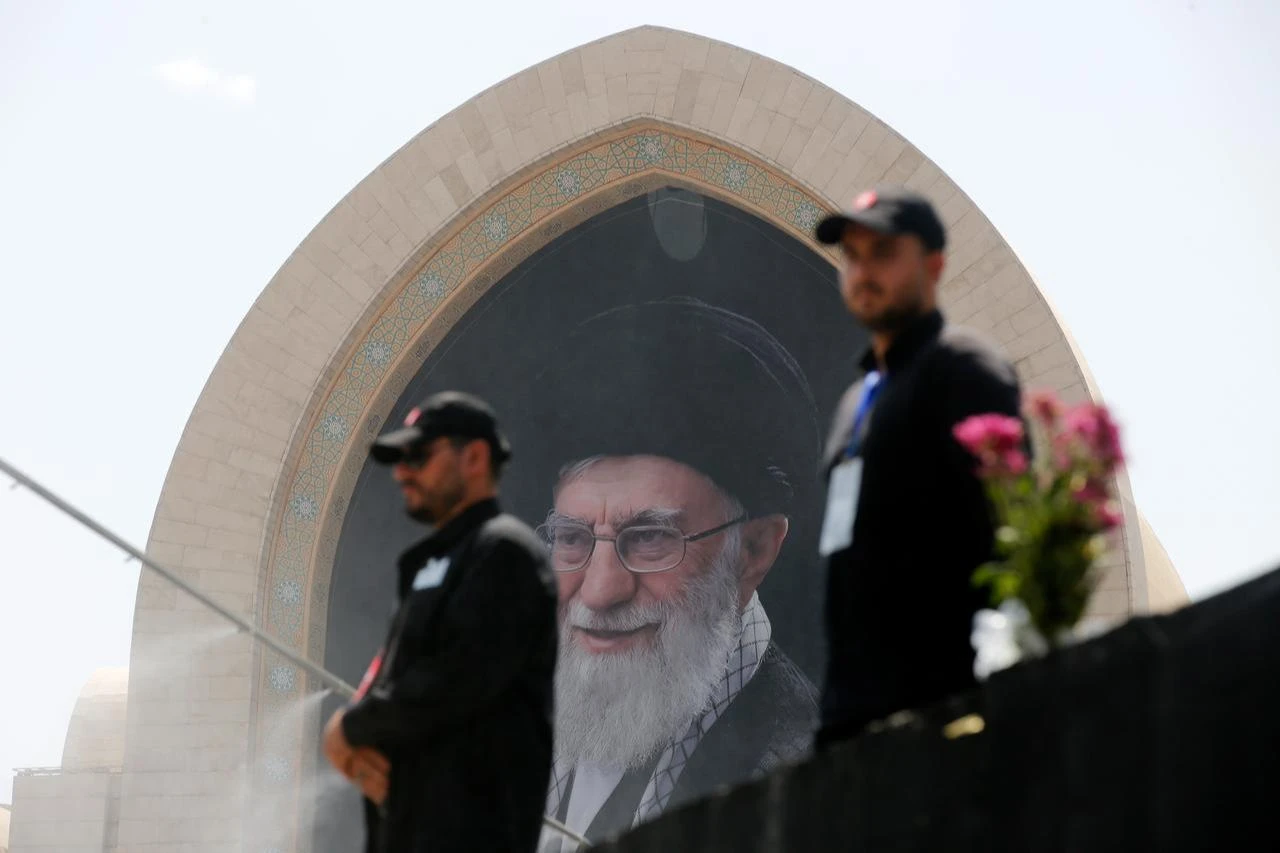

In the power vacuum left by the senior Khamenei's death, Iran's conservative establishment has fractured into two camps, the Times reported, citing four senior Iranian officials and two Revolutionary Guards members.
One side, which the Times described as pragmatic, includes senior Revolutionary Guards generals, Parliament Speaker Mohammad Bagher Ghalibaf, President Masoud Pezeshkian, and Gen. Mohammad Bagher Zolghadr, head of the Supreme National Security Council.
This camp has pushed through the ceasefire with the United States and engaged in direct negotiations with U.S. officials.
The other side, described as a hard-line minority, rejects any concessions to the United States, including on Iran's nuclear program, and believes Iran can prevail by prolonging the war.
"I spit on this era where they kill our leader and then we speak of peace with the United States," prominent hard-line strategist Hassan Rahimpour-Azghadi said at a rally in Tehran, calling for revenge instead of negotiations.
Foreign Minister Abbas Araghchi was heckled at a Shia shrine in Iraq by Iranian pilgrims chanting "death to appeasers," according to videos the Times cited.
Hard-line political analyst Foad Izadi called the government and Ghalibaf's team "stupid with no brains" and "deluded" on state television.
One hard-line lawmaker, Mahmoud Nabavian, asked on social media: "Is a coup underway?" Another, Kamran Ghazanfari, said in a video message the government was "conspiring to keep Parliament closed" and "paying people to stay off the streets, so lawmakers cannot oppose the semi coup taking place against the supreme leader."
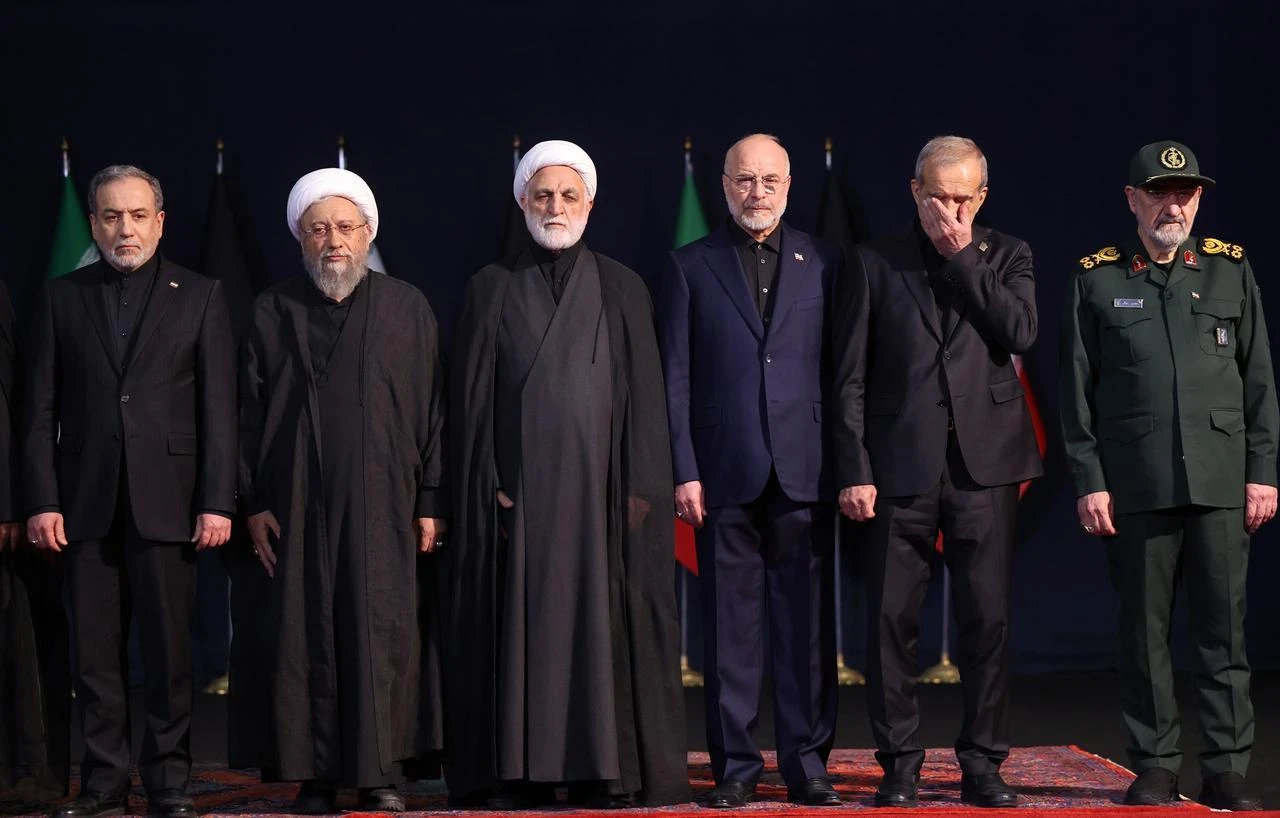
The Times reported that during the final stages of the U.S.-Iran negotiations, Pezeshkian visited the new supreme leader and told him the economic situation was dire, that the U.S. naval blockade was crippling Iran, and that he would step down if the deal was rejected.
The head of the Central Bank, Abdolnaser Hemati, also wrote a letter to Mojtaba Khamenei warning the country faced an acute budget crisis and that critical food and medical supplies would run out by end of August if the blockade persisted, according to the four officials familiar with the meeting cited by NYT.
Those communications were described as instrumental in Khamenei's decision to back the agreement.
In a public statement, he said he opposed the deal "on principle" but had instructed the president to proceed if the Supreme National Security Council backed it.
The council voted 12 out of 13 in favor, Pezeshkian has said.
"We want a grand bargain that removes the threat of war and allows us to prosper economically," said Mehdi Rahmati, an analyst close to the Iranian government, adding, "People just want to live."


 Set as preferred source
 Set as preferred source



 2 min read