Newsletters


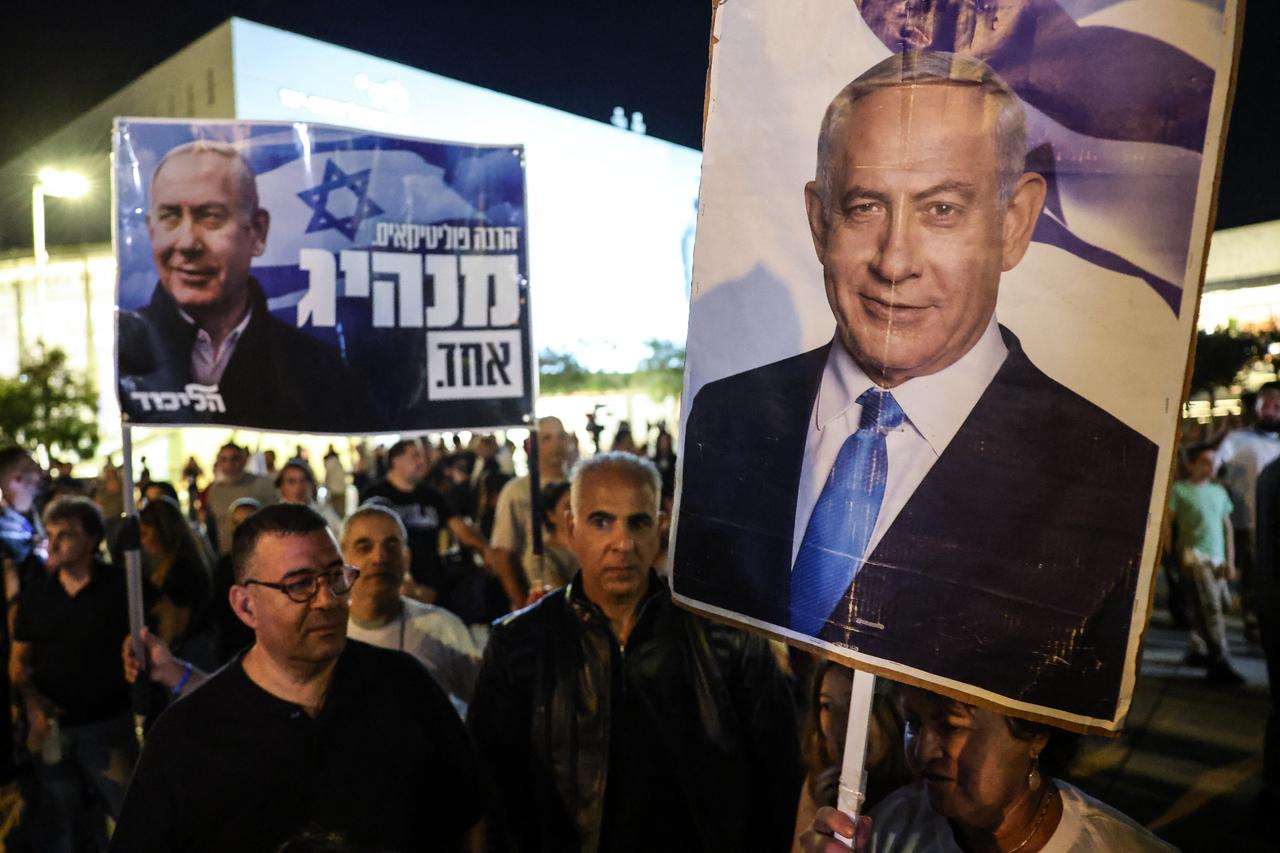


Former U.S. Ambassador to Israel Dan Shapiro said Prime Minister Benjamin Netanyahu has become politically "toxic" in Washington, warning that Israel cannot repair its standing in the United States without a change in leadership and policy.
"The problem is that as long as there is a Netanyahu-led government in Israel, no one in the Democratic Party will be willing to reopen relations. Netanyahu is toxic for all Democrats, and they now have an overwhelming majority in Congress," Shapiro told Israeli media outlet Yedioth Ahronoth.
"Netanyahu also has a problem among Republicans. He is identified with the war against Iran. Americans hate this war and the huge costs it has brought," said Shapiro, who served as ambassador under the Obama administration and as deputy assistant secretary of defense for the Middle East under President Joe Biden.
"If Israel does not have new faces and a new voice, without any of the history Netanyahu brings with him, I see no chance of stopping the decline of Israel’s standing in the U.S.," he noted.
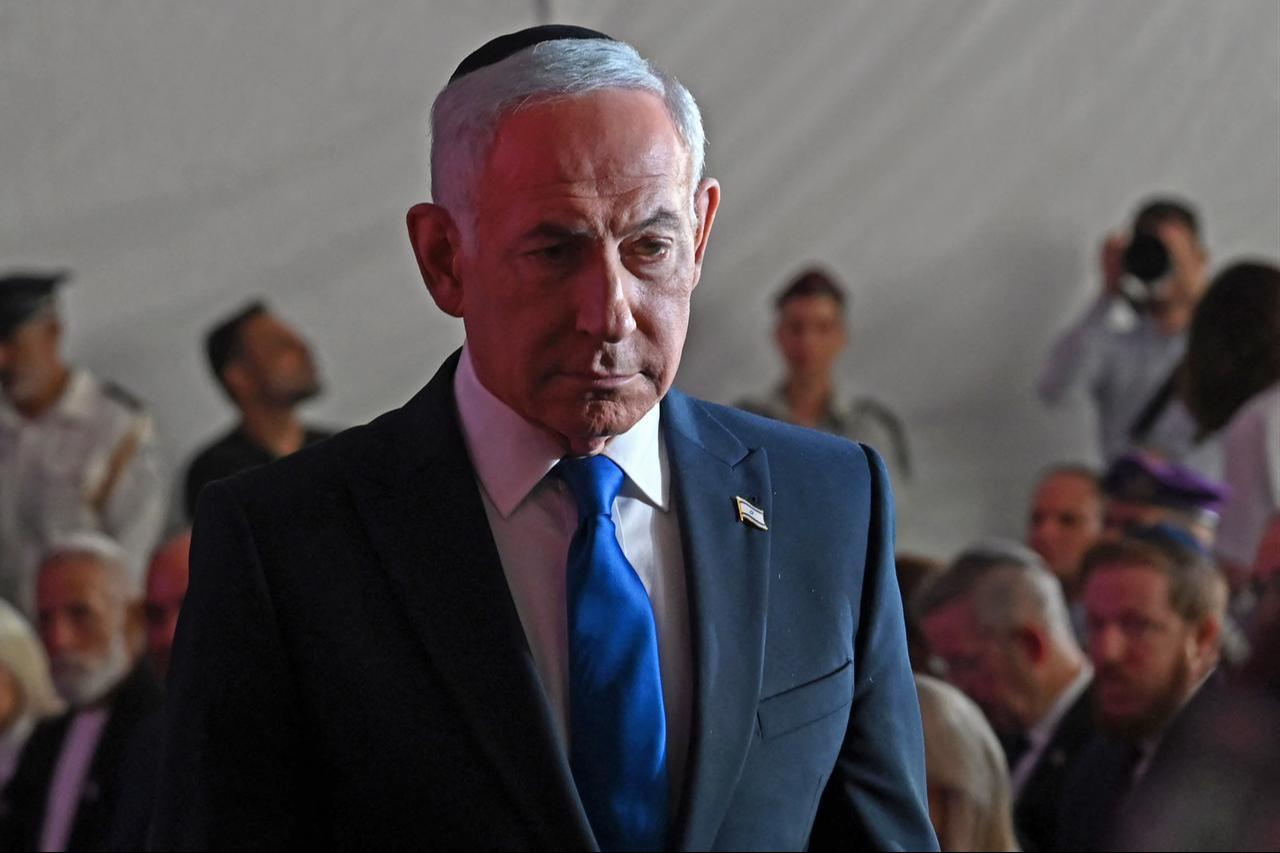

On U.S. President Donald Trump’s announcement that military aid to Israel would end, Shapiro said: "Israel needs to get used to it. Everyone agrees that aid to Israel is ending, whether immediately, within a year or within a few years."
"Israel will make adjustments and use its own money to obtain what it needs, and American companies selling to Israel will have to adjust," he said.
Israel could keep buying U.S. weapons only within the limits of U.S. law, which would also depend on who leads Israel and its policies, he added.
"How do we ensure that things the U.S. does not agree with do not happen? How do we protect American values, interests and law? The aim is to prevent the killing of innocent civilians," Shapiro said.
"The first and most important step to improving relations is a new government that brings new faces to represent Israel. (Another) election is bad, a unity government is bad," Shapiro said.
"Further steps include changing policy in the occupied West Bank, fighting settler violence, halting settlement expansion and advancing Trump’s plan for Gaza," he said, adding, "These are necessary, but the first step is a different prime minister."
Many Democrats still see a U.S. interest in Israel’s security, he said, "but we will have to cooperate differently. Without aid. Arms sales will also have conditions." Pressuring Israel over settler violence is "a consensus in the Democratic Party," he noted.
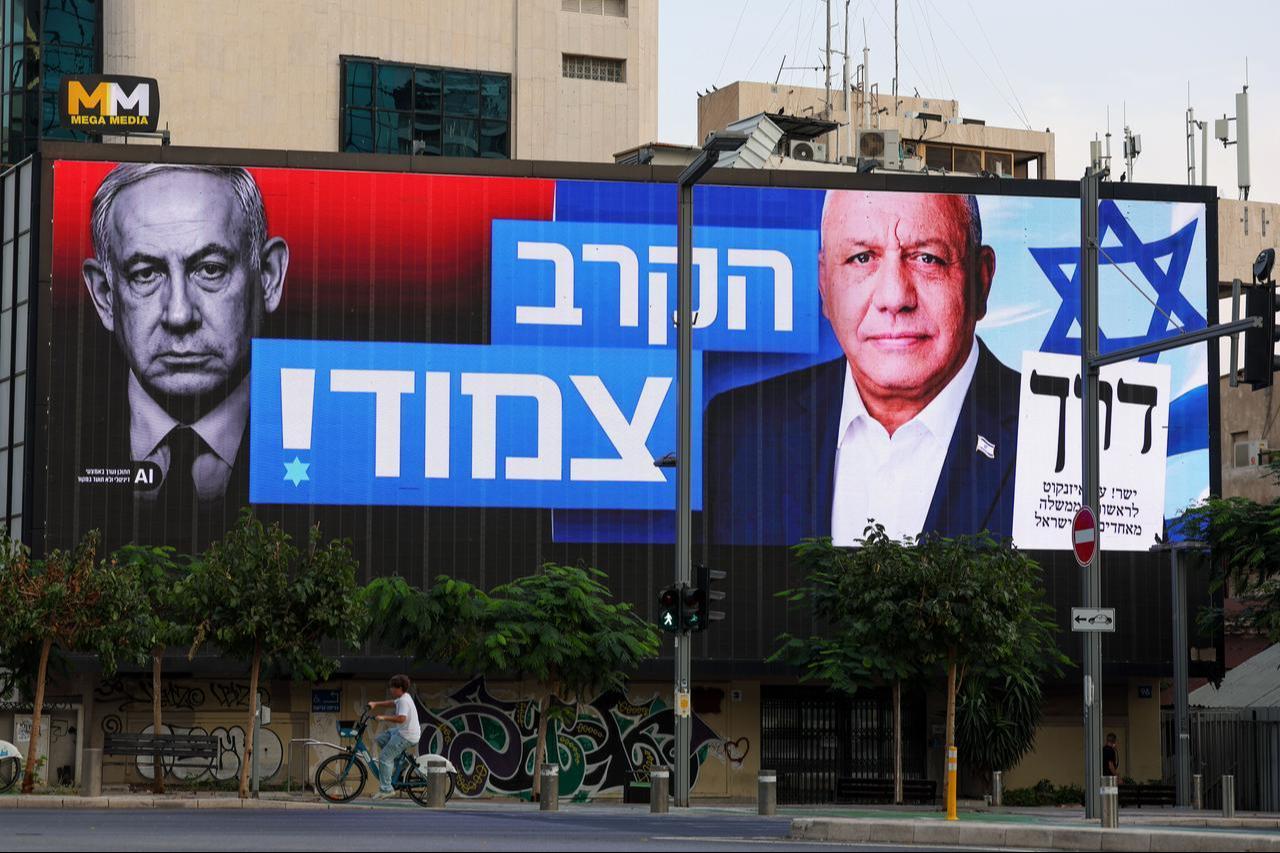
Israel's president announced on Saturday he would task Gadi Eisenkot with forming the next government following last week's election. The opposition bloc led by Eisenkot, a former military chief and political newcomer who has tried to appeal to secular and liberal Israelis, has opened the door to a once improbable alliance with ultra-Orthodox Jews, which could give it the numbers to form a coalition.
Following his appointment, Eisenkot will have 28 days to come up with the 61 votes needed for a government. If he comes up short, Herzog can provide a 14-day extension before he has to offer the mandate to someone else.
If neither side succeeds, Israel will head to fresh elections. The country held five elections between 2019 and 2022 due to repeated deadlocks.
"I think the Iran war negatively affected the Republicans’ election results, because the war with Iran was a very unpopular policy in the U.S.," Alon Liel, former director-general of Israel’s Foreign Ministry, told Türkiye's state-run Anadolu Agency.
"We will face a Congress that will take a more hostile stance toward Israel," he added.
"What we did in Gaza is very big, and we carry it on our shoulders," Liel said, adding that the chance of a large-scale, sustained attack on Iran is now lower.
He said reduced Trump influence could spark a new wave of recognition of Palestine, particularly by Germany, Italy and Japan, and open the way for sanctions on companies and banks operating in West Bank settlements.
"I think Trump and many Republicans blame Netanyahu for dragging Israel into the Iran war," Israeli-American author Jeff Halper told AA, noting, "It is common knowledge that the Iran war was one of the main reasons the Republicans lost the elections."
Halper said Trump’s aid cutoff legitimized calls once limited to the Democratic left and left Israel vulnerable, though organized Jewish communities and evangelical Christians still limit change in both parties.
He said the period until January is "dangerous" but expected a diplomatic solution and a gradual end to the Iran war, as Shapiro’s warning about Netanyahu resonates in Washington.


 Set as preferred source
 Set as preferred source


 2 min read

 1 min read