Newsletters


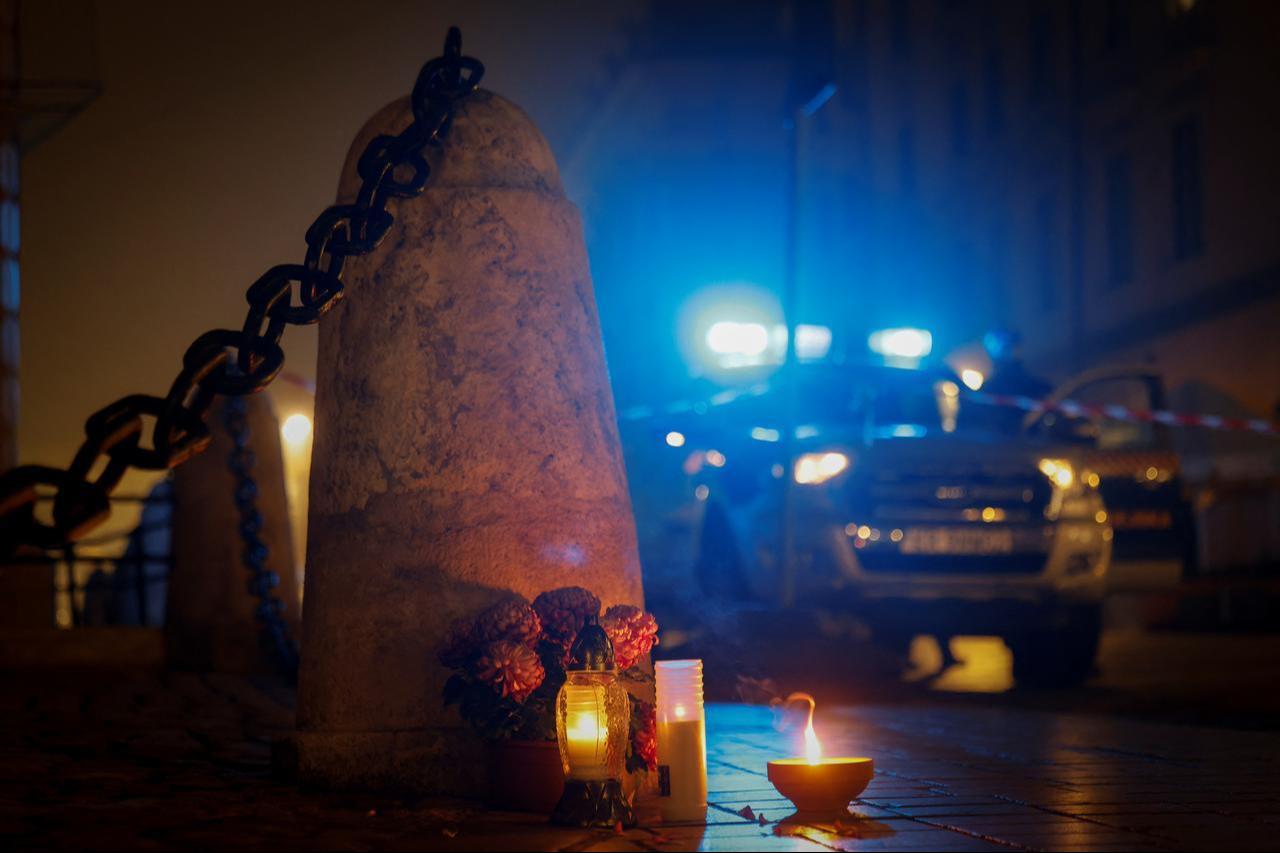
A gunman with far-right views drove onto Krakow's Main Market Square on Saturday and opened fire, killing six people and wounding at least 15 in what Prime Minister Donald Tusk called an act of "terrorism," Poland’s deadliest shooting since the fall of communism in 1989.
"Until now in Poland we haven’t had such drastic cases of terrorism; that’s what we have to call this cruel attack on people’s lives here in Krakow," Tusk told reporters.
Hours later, police found the bodies of two women and a man at the suspect's home in Ostrowiec Swietokrzyski, about 150 kilometers (93 miles) northeast of Krakow. "There is much to suggest that they are members of the (suspect’s) immediate family," Tusk said.

"Everything suggests that the perpetrator held very, very radical views. A number of weapons were found in the car he was driving," Interior Minister Marcin Kierwinski said.
"Everything suggests that he was fascinated by far-right ideologies" and held "ultra-nationalist views," he added, though those indications have yet to be verified.
The suspect, a Polish citizen, drove to several spots in the square shortly after 3:00 p.m. local time (1400 GMT) and fired at random, police said. He wore military-style fatigues and a bulletproof vest and used a semi-automatic rifle similar to an AR-15, police spokespeople said. He kept firing at officers even after being shot and appears to have acted alone, Krakow police spokesperson Katarzyna Cislo said.
Police opened fire on the suspect three minutes after the first report, Kierwinski said. The suspect is in serious condition after a second surgery.
Authorities are investigating whether the weapons came from his family home and are examining his vehicle over fears it could contain explosives.
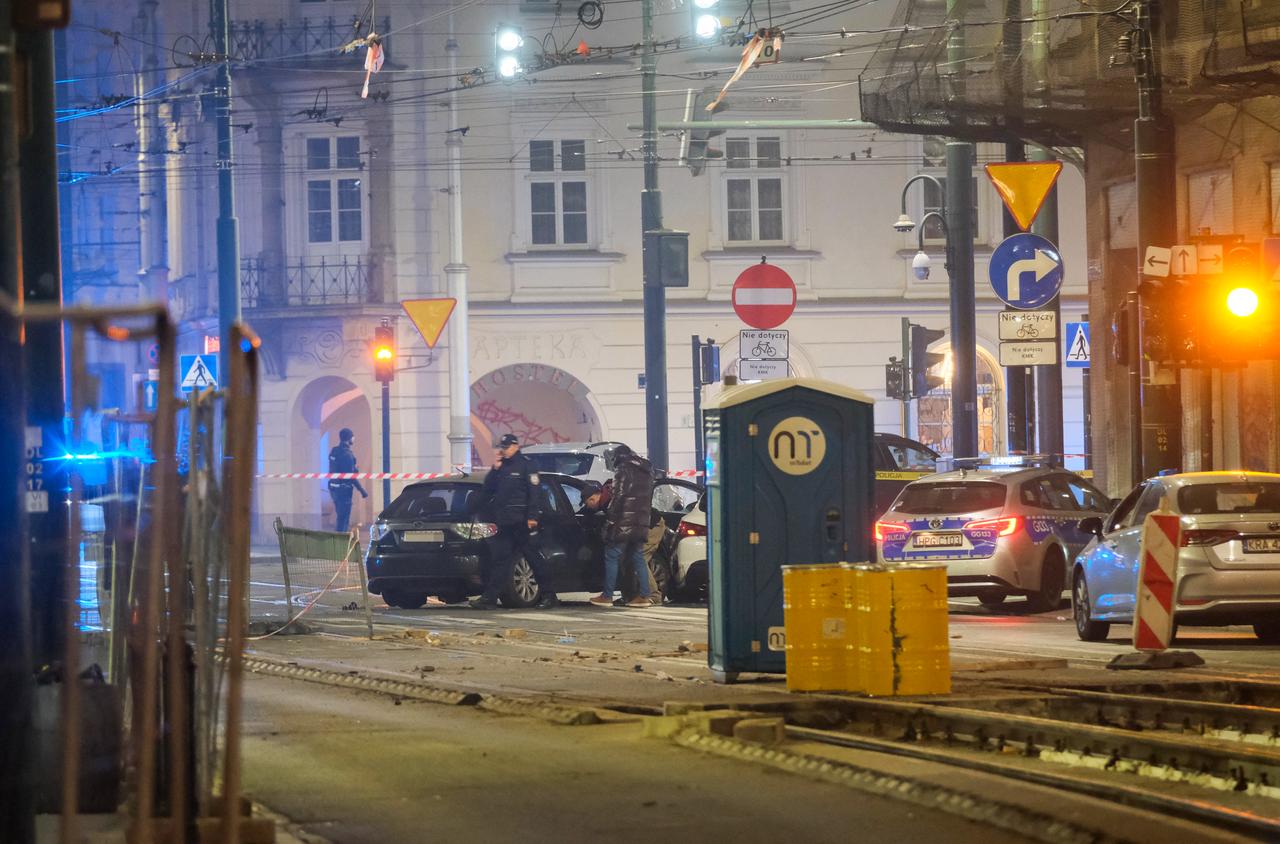
Four women and two men were killed. Three of the dead were Polish and one British, while two have not yet been identified, police chief Marek Boron said. Of 16 injured, including two police officers and the suspect, five are foreign nationals from Austria, Germany, Portugal, Russia and Britain, authorities said.
"Our highest praise goes to the heroic police officers who risked their lives in the line of duty," Tusk said, adding that any accomplices would be swiftly identified and detained.
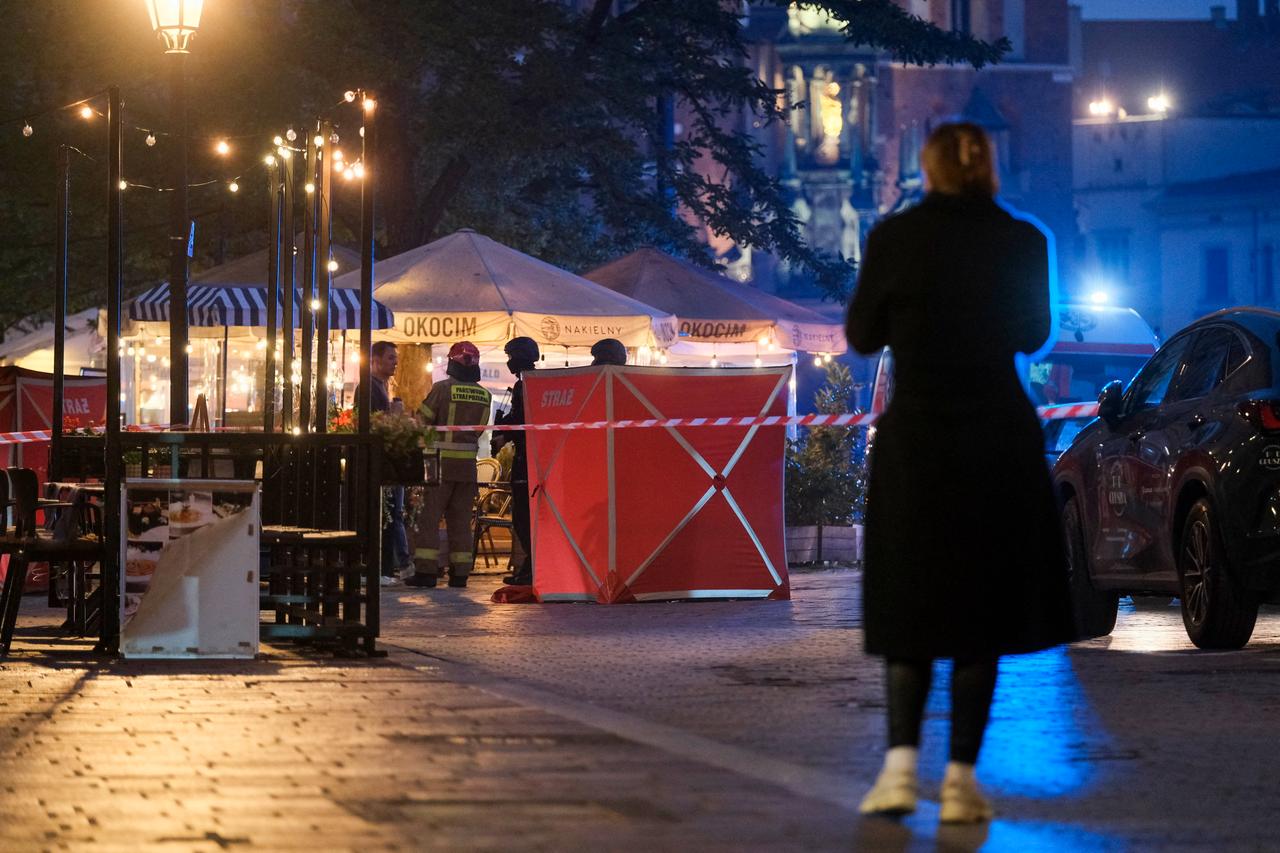
President Karol Nawrocki declared national mourning on Nov. 8 and 9, with flags at half-mast and entertainment events canceled. "The safety of Poles is an absolute priority," he said.
Krakow Mayor Lukasz Gibala said the city would mourn until Wednesday. "The square will belong to us again," he said.
British Prime Minister Andy Burnham said he was "shocked and saddened by the appalling shooting," while Irish Prime Minister Micheal Martin denounced a "callous attack."
German Chancellor Friedrich Merz said Germany "stands shoulder to shoulder with Poland," Ukrainian President Volodymyr Zelenskyy expressed solidarity, and EU foreign policy chief Kaja Kallas called it "a tragedy that will be felt far beyond Poland."
The attacker’s gear and look were similar to other "extreme right lone actors" in Europe, said Kacper Rekawek of the International Center for Counterterrorism (ICCT) in The Hague.
"We have had attempts before, but now we can say that these kinds of attacks have become successful in Poland," Rekawek told The Associated Press (AP).
Mass shootings are rare in Poland, a country of about 38 million, but gun ownership is rising, with about 411,000 permit holders, police figures show. Three school attacks in October left one person dead. Warsaw Mayor Rafal Trzaskowski announced extra security, including road barriers in the capital’s old town, after the Krakow shooting.


 Set as preferred source
 Set as preferred source


 1 min read