Newsletters


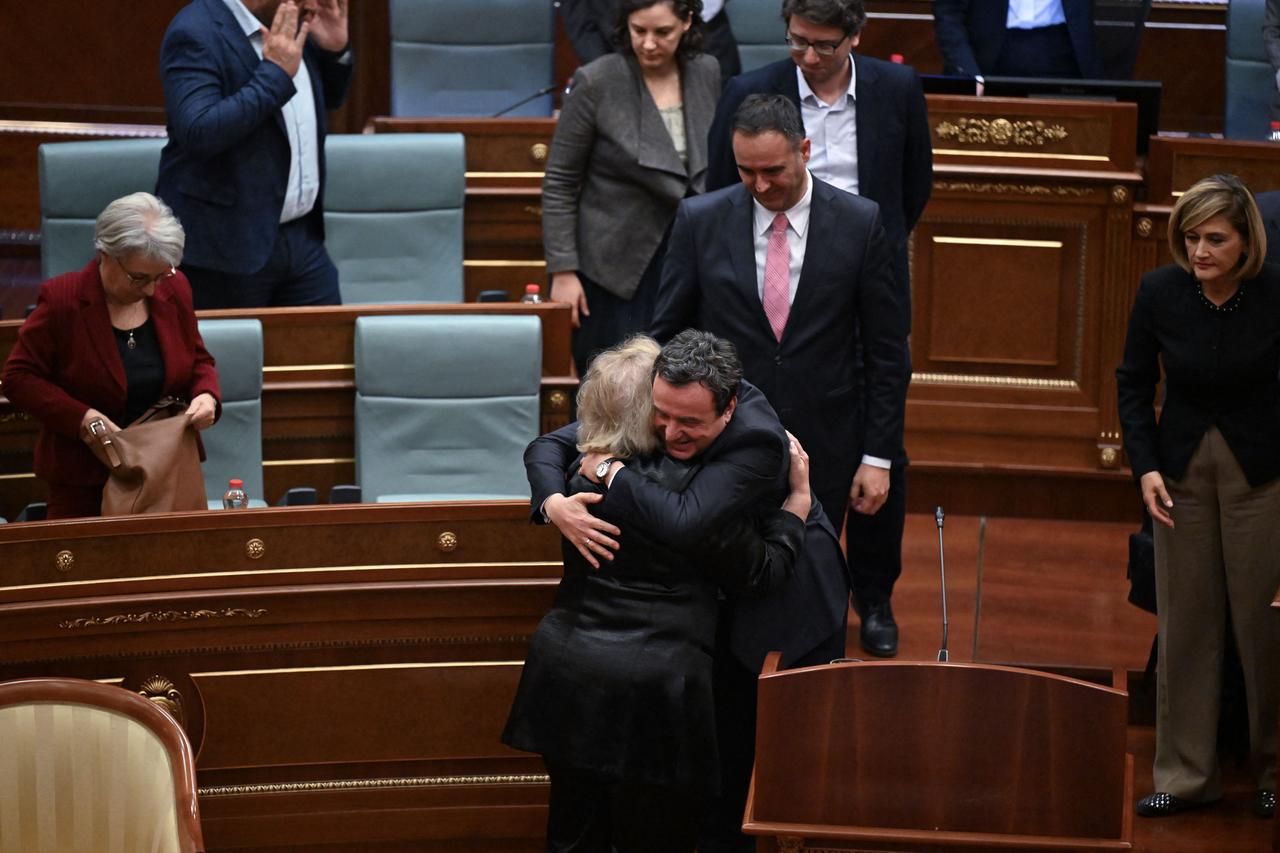
Kosovo’s parliament elected economist Justina Shiroka Pula as the country’s new president early Wednesday, narrowly avoiding a constitutional deadline that could have triggered another snap election.
Shiroka-Pula, 73, president of the Kosovo Academy of Sciences and Arts, or ASHAK, received 81 votes in the 120-seat parliament, one more than the required threshold.
Failure to elect a new president before the deadline would have dissolved parliament and sent Kosovo back to early elections, as happened in June.
“This mandate does not belong to just one person. It belongs to our citizens,” Shiroka-Pula said after the vote. “I will be the president of all citizens.”
Her election followed a deal between Prime Minister Albin Kurti’s ruling Vetevendosje party and the opposition Democratic Party of Kosovo, or PDK, to amend the law governing the Kosovo Specialist Chambers, the Hague-based court handling cases related to the Kosovo war.

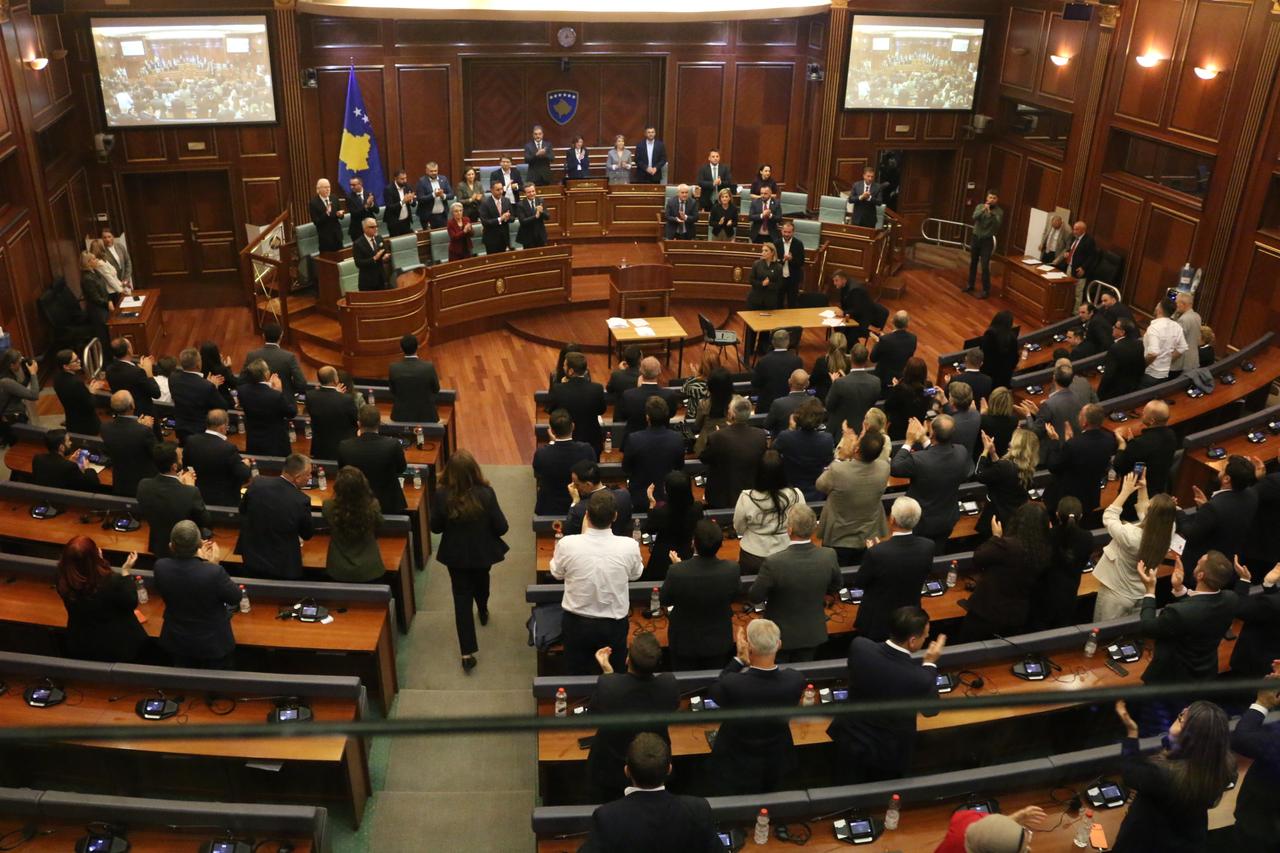
Kosovo’s Constitutional Court ruled Sept. 23 that the 60-day constitutional period for lawmakers to elect a new president began Aug. 8 and would end Oct. 6, after which the Assembly would be dissolved.
Kurti proposed several presidential candidates during the day, but opposition parties rejected them.
He later proposed Shiroka-Pula in the evening, securing support from the PDK after the party conditioned its backing on changes to the law regulating the Hague-based court that convicted former Kosovo Liberation Army, or KLA, commanders.
Parliament first voted to amend the law governing the court before proceeding to the presidential election.
The amendment aims to limit the court’s jurisdiction and transfer some files outside its mandate to Kosovo’s judiciary.
It also includes provisions setting a maximum sentence of 15 years for some offenses, allowing some sentences to be served in Kosovo and opening the way for presidential pardons.
The original version of the amendment would significantly reduce the court’s powers, preventing it from prosecuting war crimes and crimes against humanity committed during the war and limiting its jurisdiction to crimes committed inside Kosovo in the immediate aftermath of the conflict.
The changes would not affect current sentences for four former KLA leaders, including former President Hashim Thaci, who have already said they will appeal through the existing process at the Specialist Chambers.
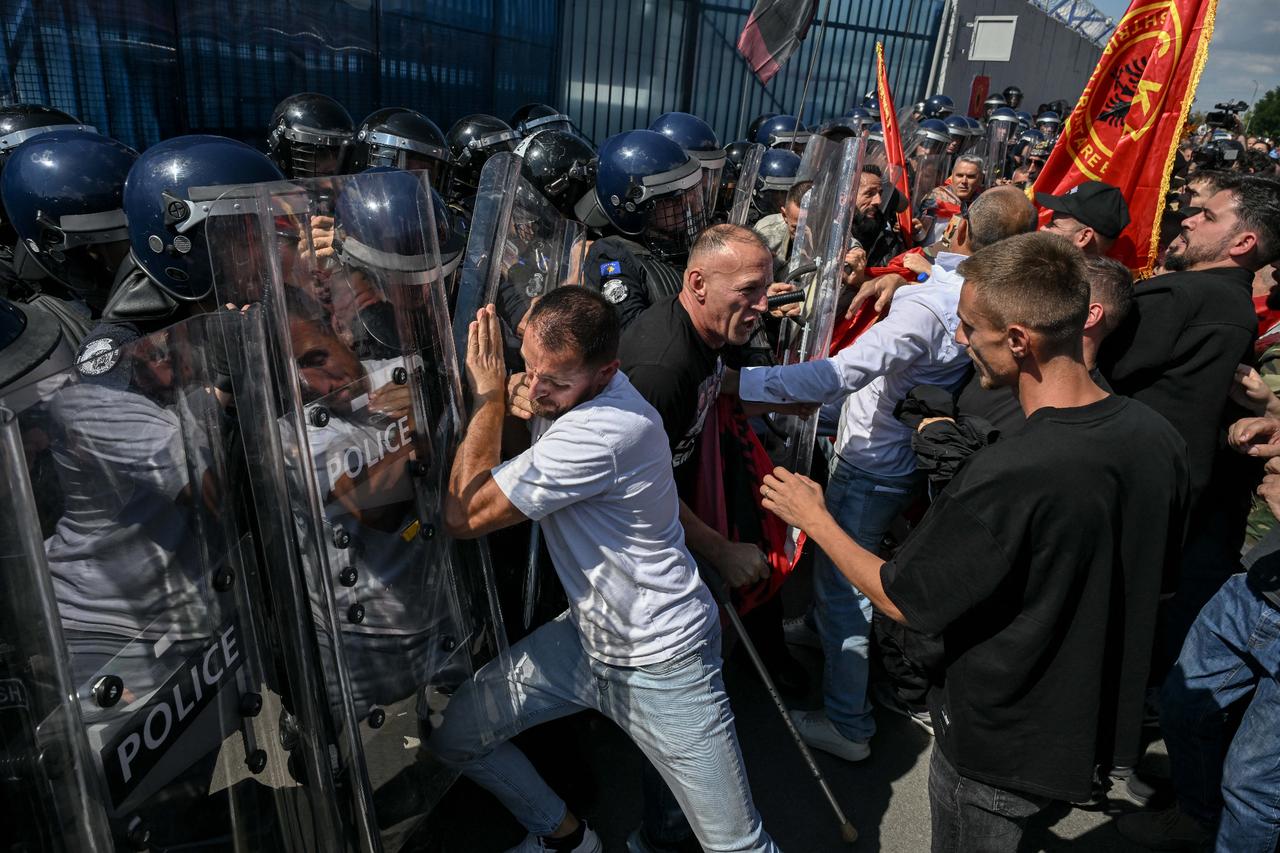
The legal changes sparked celebrations among thousands of protesters gathered near parliament in Pristina, with fireworks launched above the capital after the bill passed.
Opposition parties and war veterans’ organizations have long criticized the Kosovo Specialist Chambers, which was established under Kosovo law but is based in The Hague.
The court was set up to prosecute crimes committed by ethnic Albanian guerrilla fighters during and immediately after the Kosovo war.
After the law was amended, the Assembly moved to the presidential vote.
A total of 84 lawmakers participated. Shiroka-Pula received 81 votes, PDK lawmaker Eliza Hoxha received one vote and two ballots were declared invalid.
Shiroka-Pula then entered the Assembly hall and took the oath.
She said she would serve all citizens of Kosovo and devote her efforts to protecting the country’s independence, sovereignty and territorial integrity.
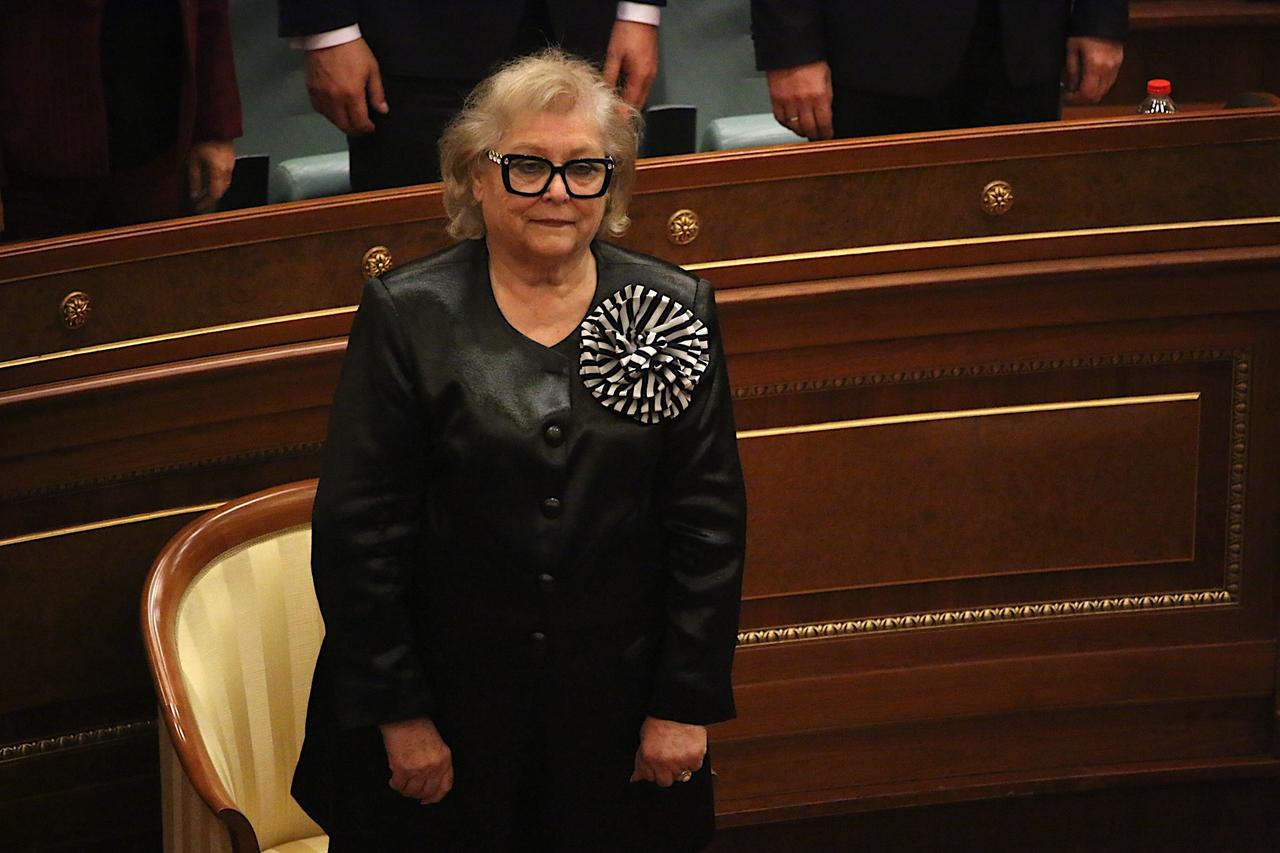
Shiroka-Pula, an economist by training, worked for many years as an academic and previously served as Kosovo’s minister of energy and mining from 2008 to 2011.
She later served as a lawmaker from 2011 to 2014.
In December 2025, she was elected president of ASHAK, becoming the first woman to chair the academy.
Her election ends a months-long political crisis over the presidency, a largely ceremonial office in Kosovo.
Despite Kurti’s party holding a parliamentary majority, previous efforts to elect a president had stalled, raising the risk of another snap vote.


 Set as preferred source
 Set as preferred source


 1 min read
 1 min read