Newsletters




This article was originally written for Türkiye Today’s bi-weekly Balkans newsletter, BalkanLine, in its September 25, 2026 issue. Please make sure you are subscribed to the newsletter by clicking here.
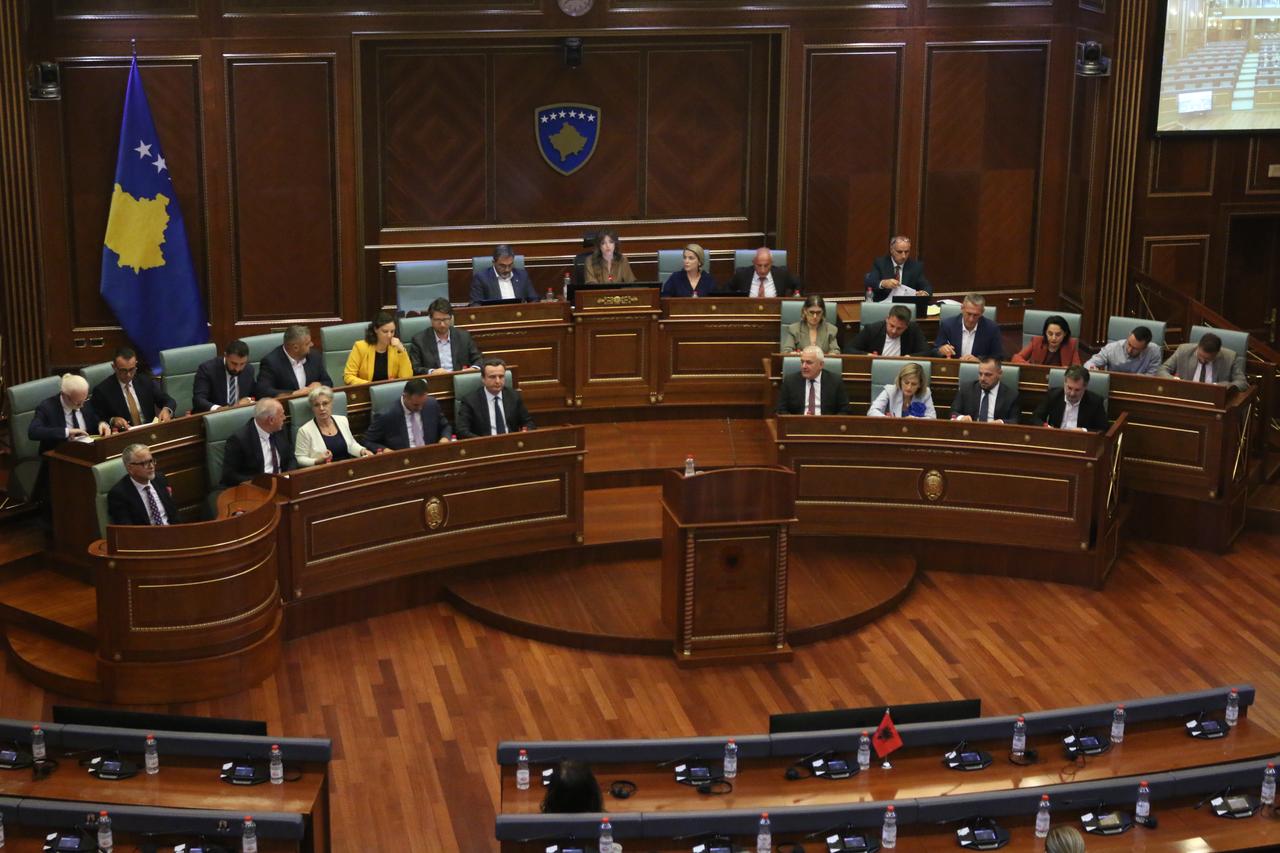
Kosovo is having its own Groundhog Day. A presidency falls vacant. Lawmakers can't agree on a successor. An election gets called. Eventually a government forms, and the presidency is still vacant. Bekim Sejdiu was supposed to be the one who broke the loop. On Sept. 14, he walked away from the job instead.
Lawmakers now have until Oct. 6 to elect a president, after the Constitutional Court ruled that the 60-day clock started ticking on Aug. 8. Miss it, and Kosovo heads toward another parliamentary election within 45 days, same movie, one more showing.
That would bring Kosovo almost full circle. The June 7 election was itself triggered in part by parliament’s failure to agree on a successor to Vjosa Osmani, whose five-year term ended in April.
Prime Minister Albin Kurti's Vetevendosje and the Democratic League of Kosovo, or LDK, had agreed in August on a compromise candidate, former Constitutional Court judge and diplomat Sejdiu. He withdrew after opposition surfaced inside the LDK's own ranks.
At least 80 of Kosovo’s 120 lawmakers must be present for a presidential vote to be valid, so somebody, somewhere, will eventually have to compromise.
Kurti has a government again. The presidential problem that helped produce the last election is still there.

Even if Kosovo manages to dodge another election, October is already crowded.
Bosnia and Herzegovina votes Oct. 4. Serbia follows with an early parliamentary election on Oct. 25.
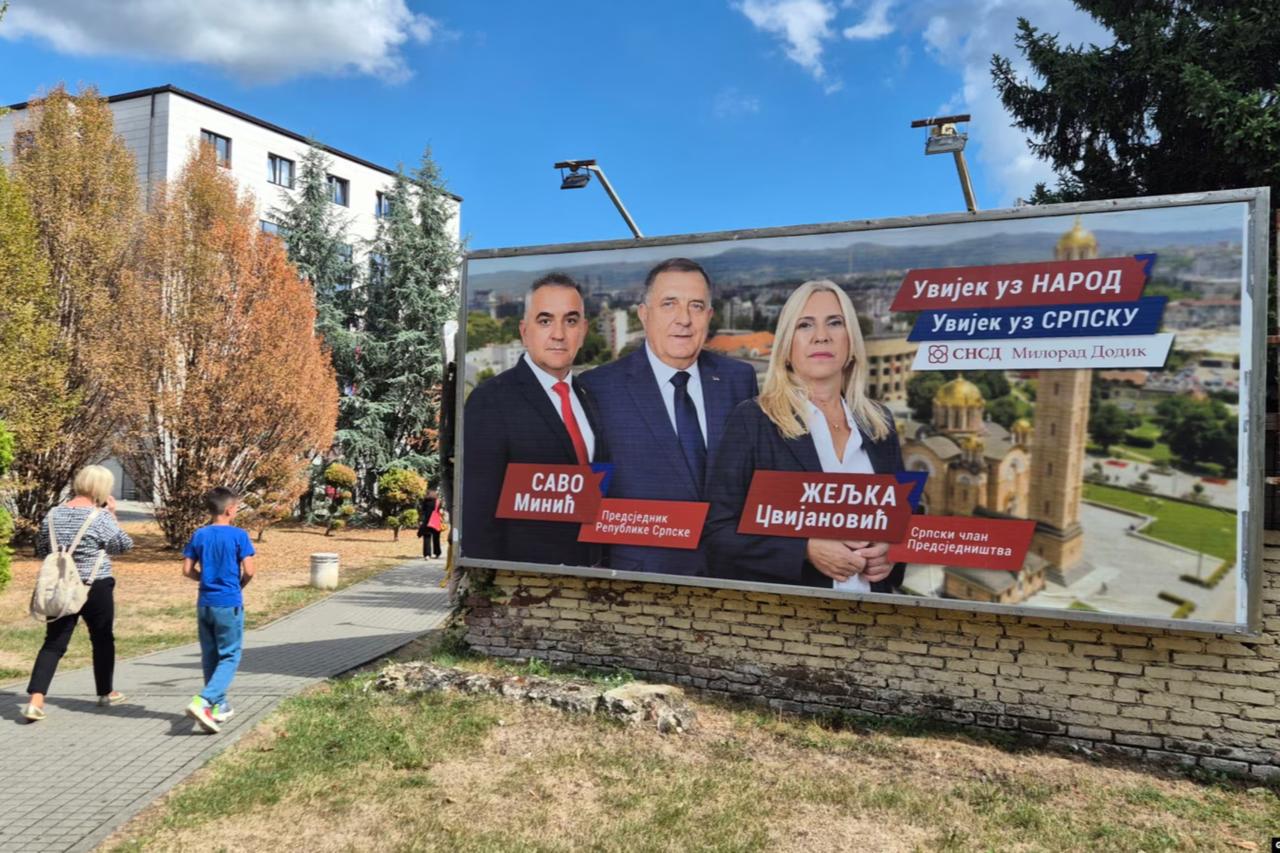
If I had to choose one image for Bosnia’s campaign, I would probably pick a billboard in Banja Luka.
Milorad Dodik is still there, large and central, despite not appearing on any candidate list. Across Republika Srpska, the SNSD leader remains one of the most visible faces of a campaign he cannot contest himself.
His mandate as Republika Srpska president ended last year after a final court judgment. The same ruling barred him from serving in that office for six years.
Four years have passed since Bosnia’s last general election. You would not necessarily know it from the campaign.
Bosnia is hardly short of things to debate. The choice of the next High Representative, the country’s future security arrangements, the Southern Interconnection gas project and the cost of living all carry consequences well beyond election day. Yet none has really driven the campaign.
Instead, voters are hearing plenty they have heard before. Higher salaries. More jobs. Better infrastructure. A better life.
A Banja Luka resident summed it up rather well: “It’s the same as every time. Before every election, we hear about higher wages, better living, factories and jobs.” Once the vote is over, he added, those promises largely disappear from the conversation.
The freshest thing voters encounter on Oct. 4 may actually be the equipment.
For the first time in a Bosnian general election, biometric voter identification and authentication, ballot scanners and electronic transmission of results will be used nationwide.
The voting equipment may be new. The campaign themes are not.
At SNSD’s campaign opening in Samac on Sept. 4, Dodik invoked Ratko Mladic, saying no one could tell Serbs whom they were allowed to mourn. Three days later, politicians from both the governing and opposition camps in Republika Srpska attended Mladic’s funeral in Belgrade.
Serbia, at least, has one genuinely new variable.
The students are on the ballot.
The movement that grew out of protests following the November 2024 Novi Sad railway station canopy collapse has submitted a 250-candidate list for the Oct. 25 election. Its candidates range from academics and doctors to artists, activists and former basketball star Dejan Bodiroga.
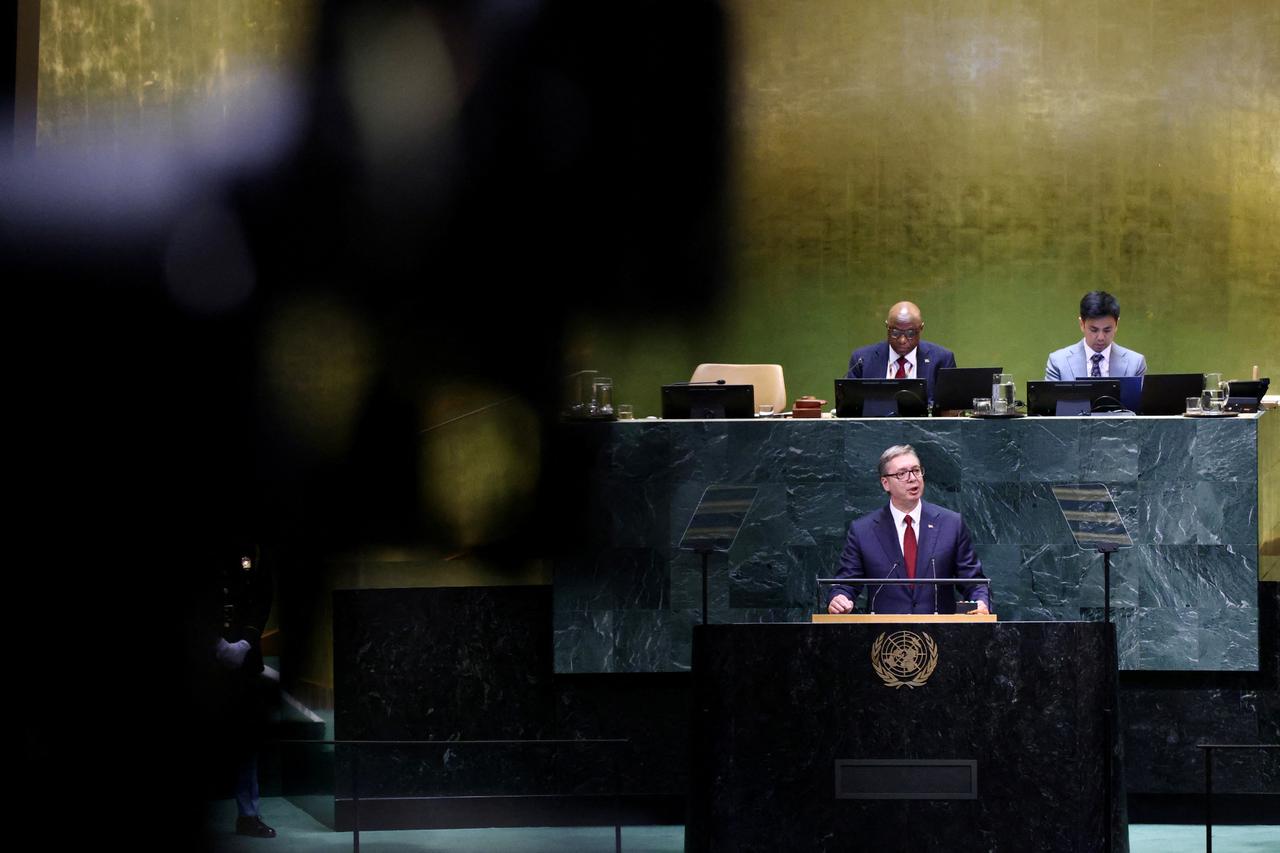
Aleksandar Vucic has made his own next move equally clear. On Sept. 14, he said he would resign as president on Sept. 27 and run for prime minister in the election.
For nearly two years, Serbia’s students have shown that they can bring people into the streets.
Ballot boxes are a different test.
Mladic’s funeral has continued to generate political fallout outside Bosnia’s election campaign.
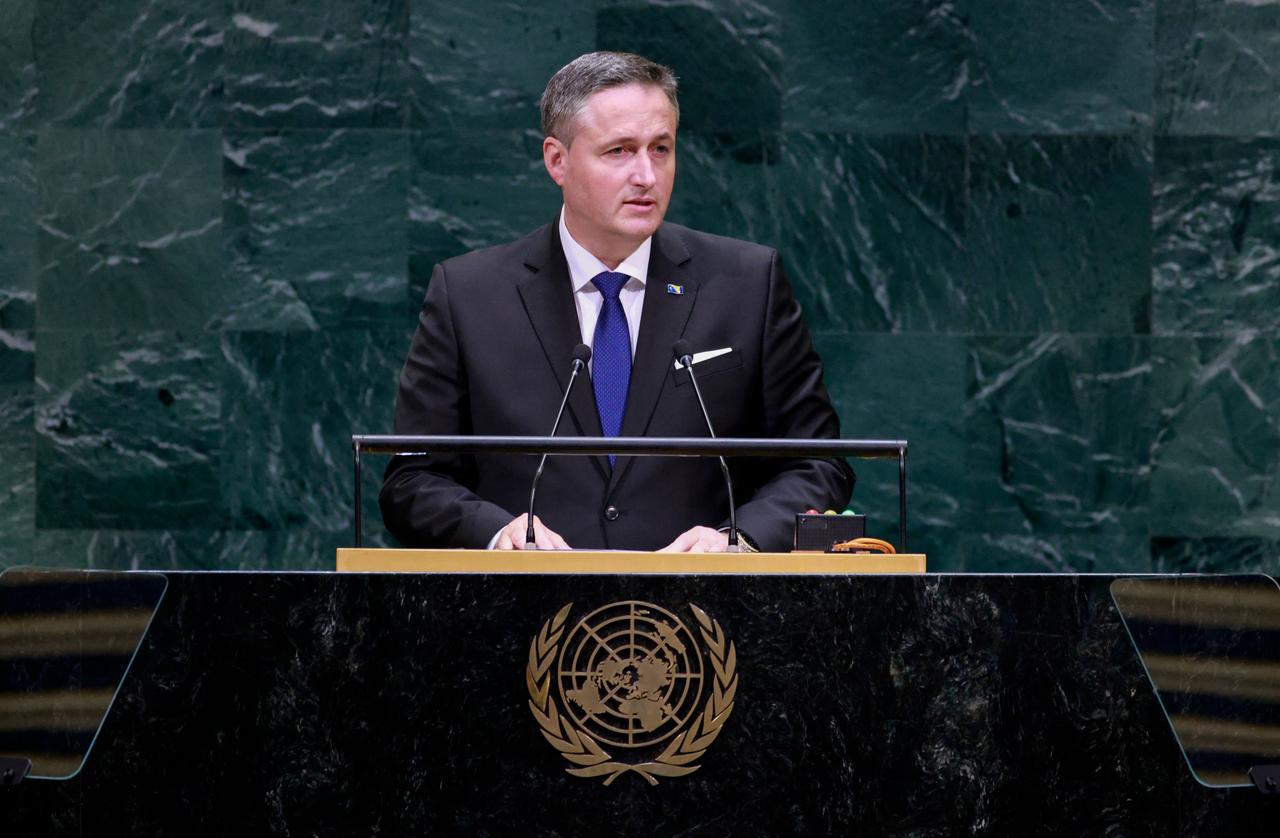
At the U.N. General Assembly this week, Bosnia Presidency Chairman Denis Becirovic accused Serbia’s leadership of glorifying Mladic at an institutional level and called on international actors to respond.
Croatian Prime Minister Andrej Plenkovic raised the funeral separately from the same podium. He called the military and official honors given to Mladic in Serbia an affront to victims and international court judgments, and said the ceremony was incompatible with the values of an EU that Serbia seeks to join.
Then there is Montenegro.
Opposition lawmakers sought to remove Parliament Speaker Andrija Mandic after he sent condolences to Mladic’s family. Thursday’s extraordinary sitting never made it to debate, let alone a vote. There were only 39 lawmakers in the chamber, one short of the quorum needed to begin.
That might be an ordinary piece of parliamentary drama were Montenegro not currently the EU enlargement frontrunner.
It has opened all 33 negotiating chapters and provisionally closed 18. The Council of the EU has already established a dedicated working group to prepare Montenegro’s eventual accession treaty.
Brussels has started preparing the paperwork for Montenegro to join the EU.
Podgorica, meanwhile, could not start a parliamentary sitting over its speaker’s condolences to Mladic’s family.
Not quite the chapter Brussels had in mind.
Back in Serbia, another kind of machinery is being assembled.
Vucic on Sept. 17 opened a factory to assemble advanced Israeli-made drones for the Serbian military with an eye toward potential foreign customers as well. Belgrade initially kept both the factory’s location and its Israeli partner out of the announcement, citing the confidentiality of production. Vucic said Serbia wants at least three more factories with Israeli partners.
A BIRN investigation has since filled in some of the blanks.
The facility is in Makis, on the outskirts of Belgrade, and operates under a company called SDS Technologies. Its registered owner is London-based CUPA Limited. On the day the plant opened, SDS Technologies added two new directors.
One of them was Zion Amir, a prominent Israeli criminal lawyer who also represents Israeli Prime Minister Benjamin Netanyahu before Israel’s Supreme Court. Why a criminal lawyer now sits on the board of a Serbian drone company is not immediately clear.
The corporate picture is also more complicated than first reported.
A joint investigation by BIRN and Haaretz, based on documents seen by reporters, found plans for Elbit Systems to own 51% of the venture and Serbia’s state-owned Yugoimport-SDPR the remaining 49%.
The current registry does not show that structure. Neither Serbian nor Israeli companies are presently listed among the owners of SDS Technologies, while Elbit has not officially commented on the project. BIRN nevertheless identified an Elbit executive at the factory opening, and Vucic named three Elbit drone models that are due to be assembled there.
For all the secrecy around the corporate structure, Serbia’s wider defense network is becoming easier to see.
Serbia’s defense map is no longer drawn around one partner. Russian-made systems remain in service, China has become a major supplier, France has 12 Rafales on order and Israel is now part of the country’s drone-production plans.
The map is getting more crowded.


 Set as preferred source
 Set as preferred source


 1 min read
 1 min read