Newsletters


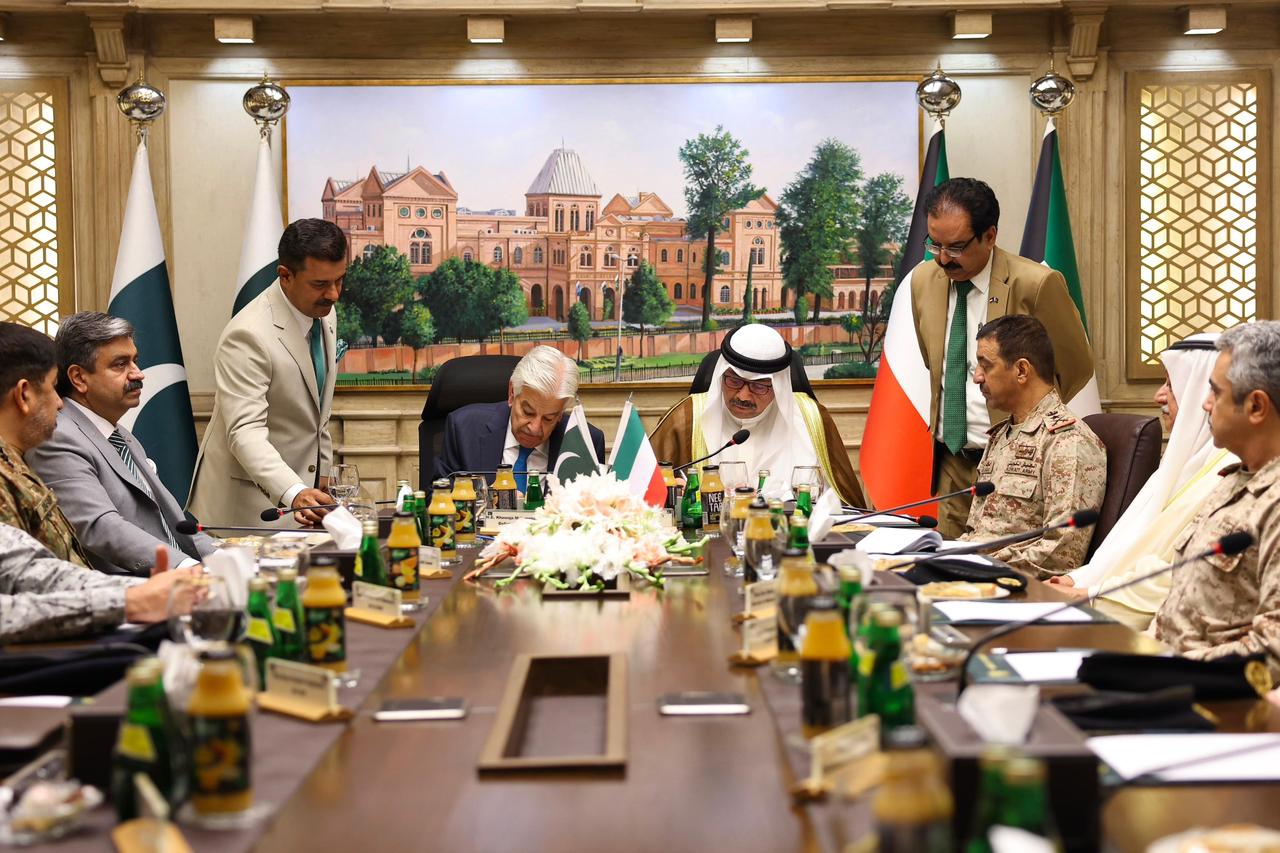


Kuwait and Pakistan signed a joint defense and military cooperation agreement Thursday, following talks between the two countries' defense ministers in Islamabad, Kuwait's General Staff of the Army said in a statement.
Kuwaiti Defense Minister Sheikh Abdullah Ali Abdullah al-Salem al-Sabah met his Pakistani counterpart, Khawaja Muhammad Asif, during an official visit to Pakistan, where he was received with formal military honors.
During the meeting, the two sides reviewed Kuwaiti-Pakistani relations and discussed prospects for closer cooperation in the military and defense fields, along with recent regional and international developments and issues of shared concern, according to the Kuwaiti army's statement.
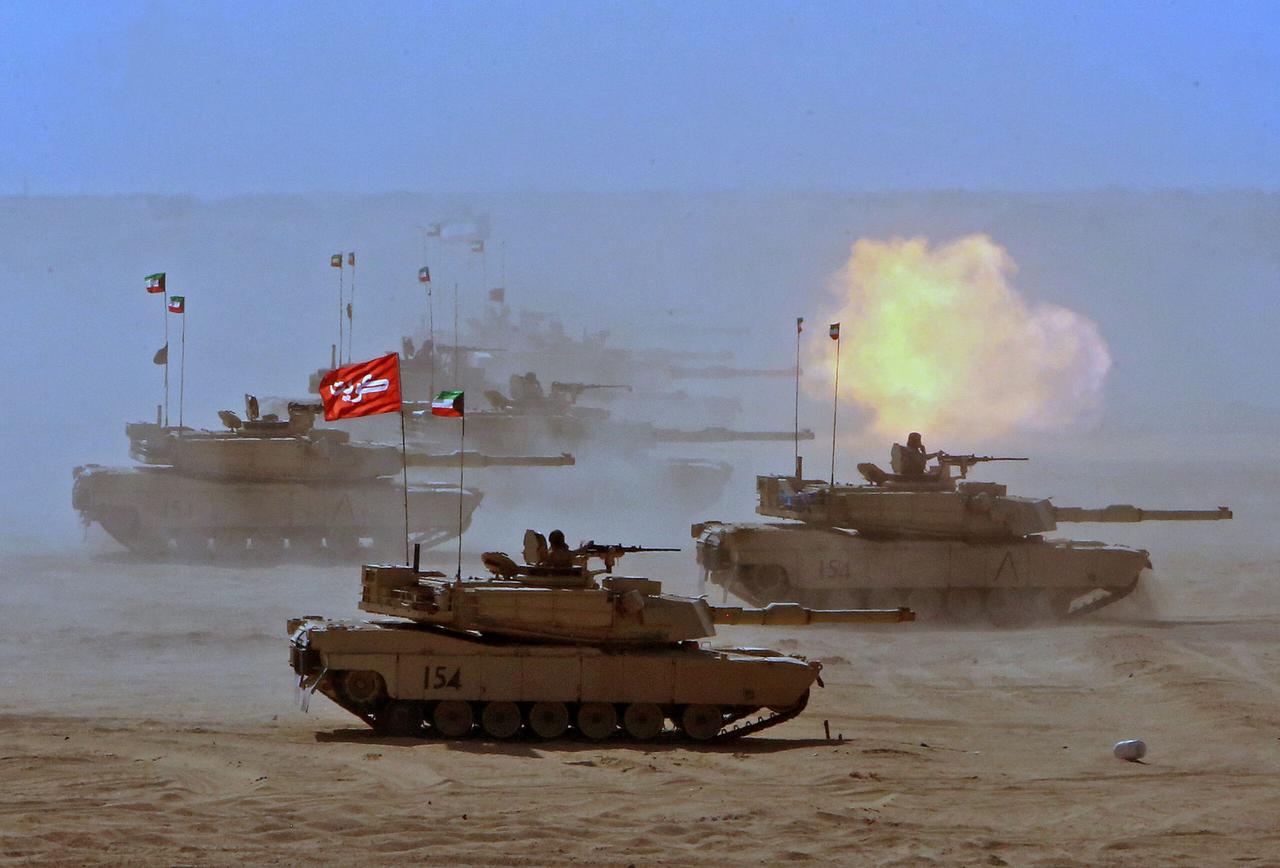

The visit culminated in the signing of the joint defense and military cooperation agreement between the Kuwaiti and Pakistani defense ministries.
Sheikh Abdullah signed on behalf of Kuwait, while Asif signed for Pakistan, in the presence of Pakistan's Chief of Army Staff, Gen. Khalid Waraich, and Kuwait's ambassador to Pakistan, Nasser Abdulrahman al-Mutairi.
"This agreement represents an important milestone in the military and defense cooperation between the two countries, as it provides a supporting framework for enhancing operational coordination, exchanging expertise, and raising the level of readiness and integration between the armed forces, in a way that serves shared interests and contributes to supporting regional security and stability," the Kuwaiti statement said.
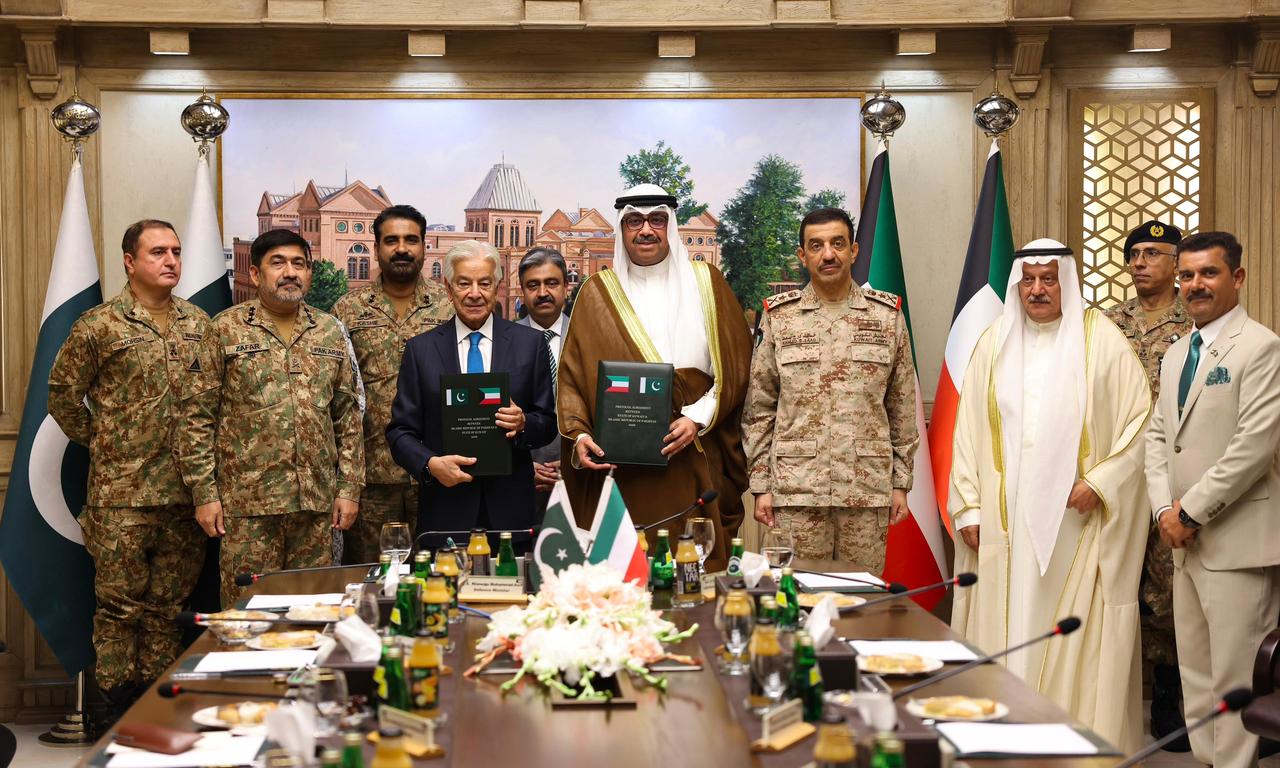
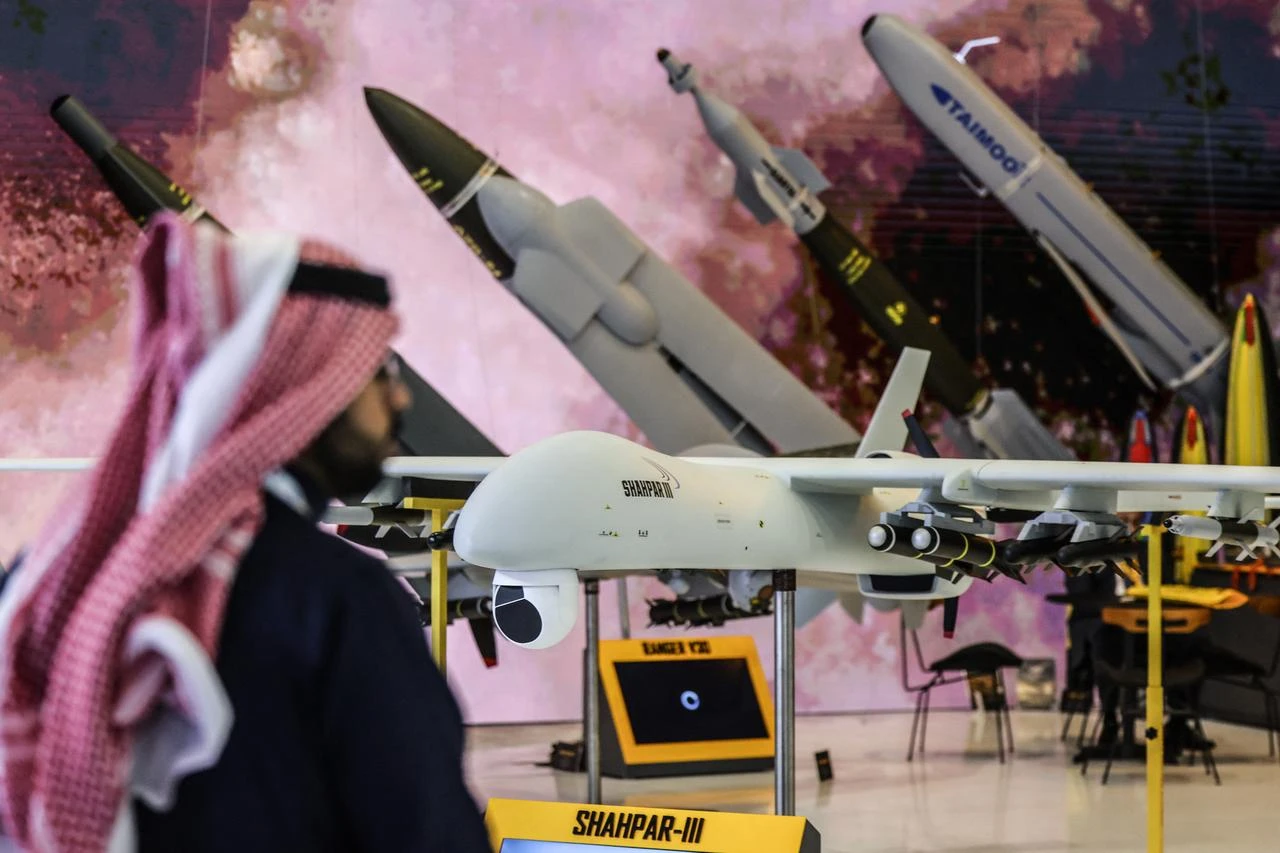
The agreement comes after months of repeated missile and drone attacks and interceptions involving Kuwait, a key U.S. ally hosting American military assets, amid the broader Iran-U.S.-Israel conflict that began in February.
Kuwait has faced repeated waves of attacks throughout the conflict.
In early April, Kuwaiti air defenses intercepted missiles and drones as Saudi Arabia and Bahrain also reported repelling aerial threats.
In early June, Kuwait's Foreign Ministry held Iran "fully responsible" for a fresh missile and drone attack that CENTCOM said was "successfully intercepted by Kuwaiti forces."
Days later, Iran's Islamic Revolutionary Guard Corps said it had targeted Kuwait's Ali al-Salem Air Base with ballistic missiles as part of a wider retaliatory wave that also hit Bahrain, with CENTCOM saying six of seven missiles were intercepted.
In mid-July, Iran's military said it targeted sites in Kuwait, Qatar and Bahrain with one-way attack drones, claiming to have struck a Patriot missile interceptor system in Kuwait as part of what it called the "first stage of a punitive response" to alleged ceasefire violations.
Later that month, Kuwait said it reserved the right to defend itself "by all means necessary" after Iranian missile and drone attacks caused extensive damage to power generation and water desalination facilities.
The defense agreement also comes amid Pakistan's expanding role in regional security diplomacy.
Pakistan was a co-signatory, alongside Türkiye and Saudi Arabia, of the Mecca Joint Defense Agreement signed Aug. 7 in Mecca, a pact under which an armed attack on any of the three countries is treated as an attack on all of them.
Pakistani Prime Minister Shehbaz Sharif signed the agreement alongside Turkish President Recep Tayyip Erdogan and Saudi Crown Prince Mohammed bin Salman.
Pakistan also serves as the principal mediator between Iran and the United States throughout the war, brokering the Islamabad Memorandum of Understanding (MoU) in June and hosting the highest-level direct U.S.-Iran talks since 1979.


 Set as preferred source
 Set as preferred source


 1 min read
 1 min read