Newsletters


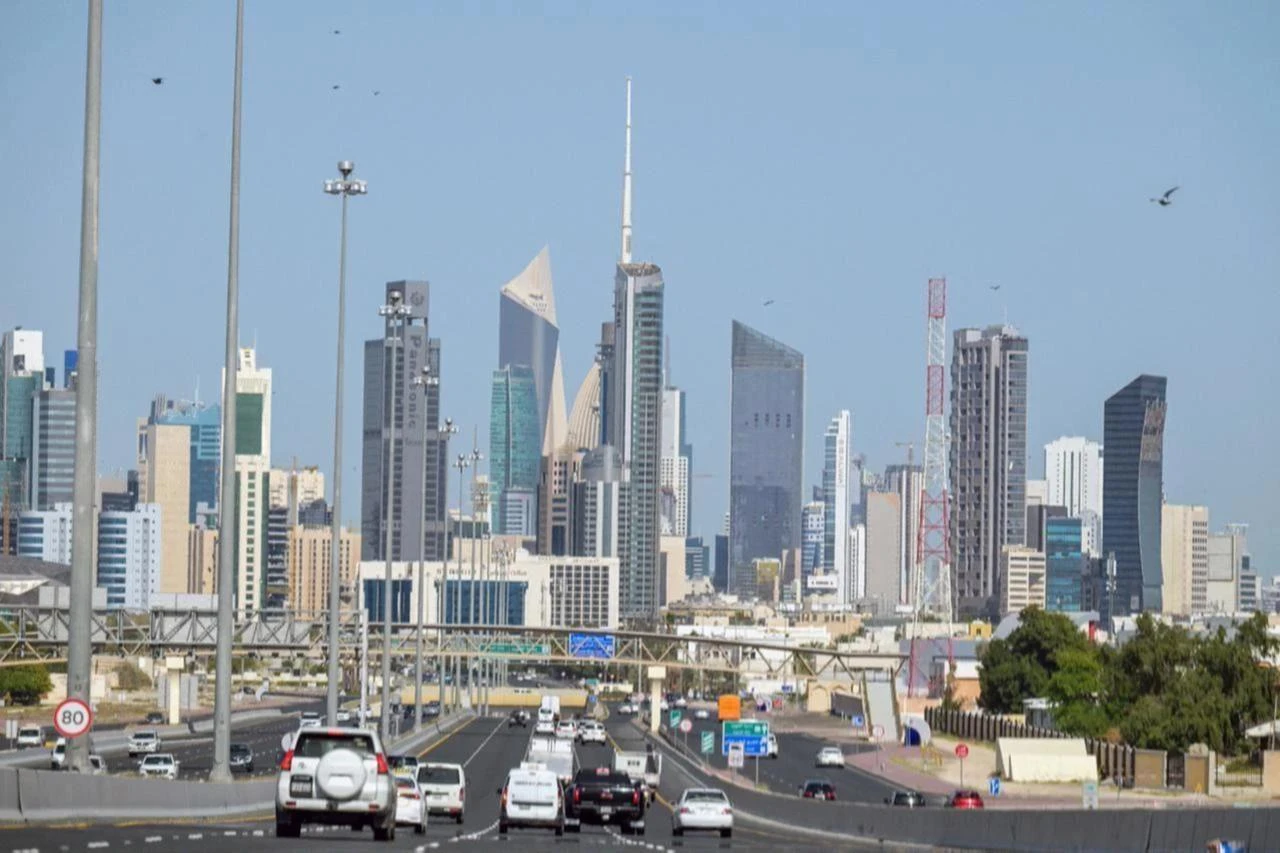


Kuwait's emir approved a decree on Sunday stripping naturalised citizens of the right to vote, deepening a two-year campaign that has already stripped tens of thousands of people of their citizenship and reshaped the country's political landscape.
The decree, issued by Sheikh Mishal Al-Ahmad Al-Jaber Al-Sabah, amends provisions of Kuwait's Nationality Law, according to the state-run KUNA news agency. It states that "those who acquired Kuwaiti nationality through naturalisation shall not have the right to vote, run for office, or be appointed to any parliamentary body."
Under the previous rules, naturalised Kuwaitis could vote once they had held citizenship for 30 years, though they remained barred from running for office or holding government appointments. The new decree removes voting rights from this group entirely, closing off the last political right naturalised citizens retained.
The change comes two years after Sheikh Mishal dissolved parliament and suspended parts of the constitution, a move he made roughly five months after ascending to power in December 2023.
The voting ban is the latest step in a mass denaturalisation drive that Kuwait launched in 2024, which has affected tens of thousands of people. Kuwaiti authorities have framed the campaign as part of a wider reform agenda.
The measures have included abolishing naturalisation through marriage, a pathway that applied only to women, and revoking citizenship granted to wives under this provision since 1987. The campaign has also targeted holders of dual nationality, which is prohibited under Kuwaiti law, as well as individuals found to have obtained citizenship fraudulently, including through forged documents.
Analysts told AFP that the citizenship policy appears designed to restrict Kuwaiti nationality to those with blood ties to the country, reshaping the basis of Kuwaiti identity while potentially shrinking the electorate following years of political deadlock between parliament and the government.
Kuwait has long been regarded as having one of the more representative political systems among Gulf monarchies, with an elected National Assembly holding legislative powers unusual for the region. That system has also been marked by recurring standoffs between elected lawmakers and the ruling family, which have repeatedly led to the dissolution of parliament over the decades.


 Set as preferred source
 Set as preferred source


 1 min read



 1 min read