Newsletters


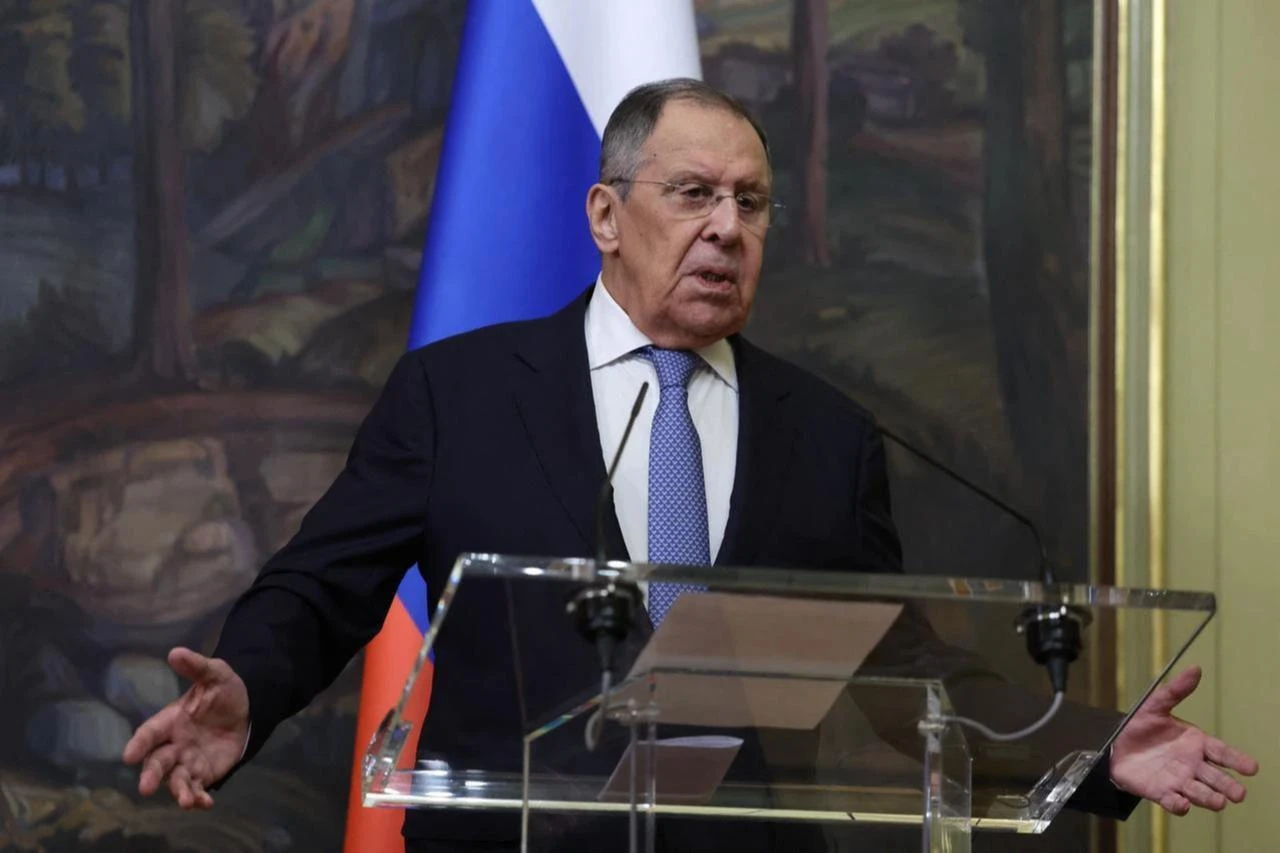


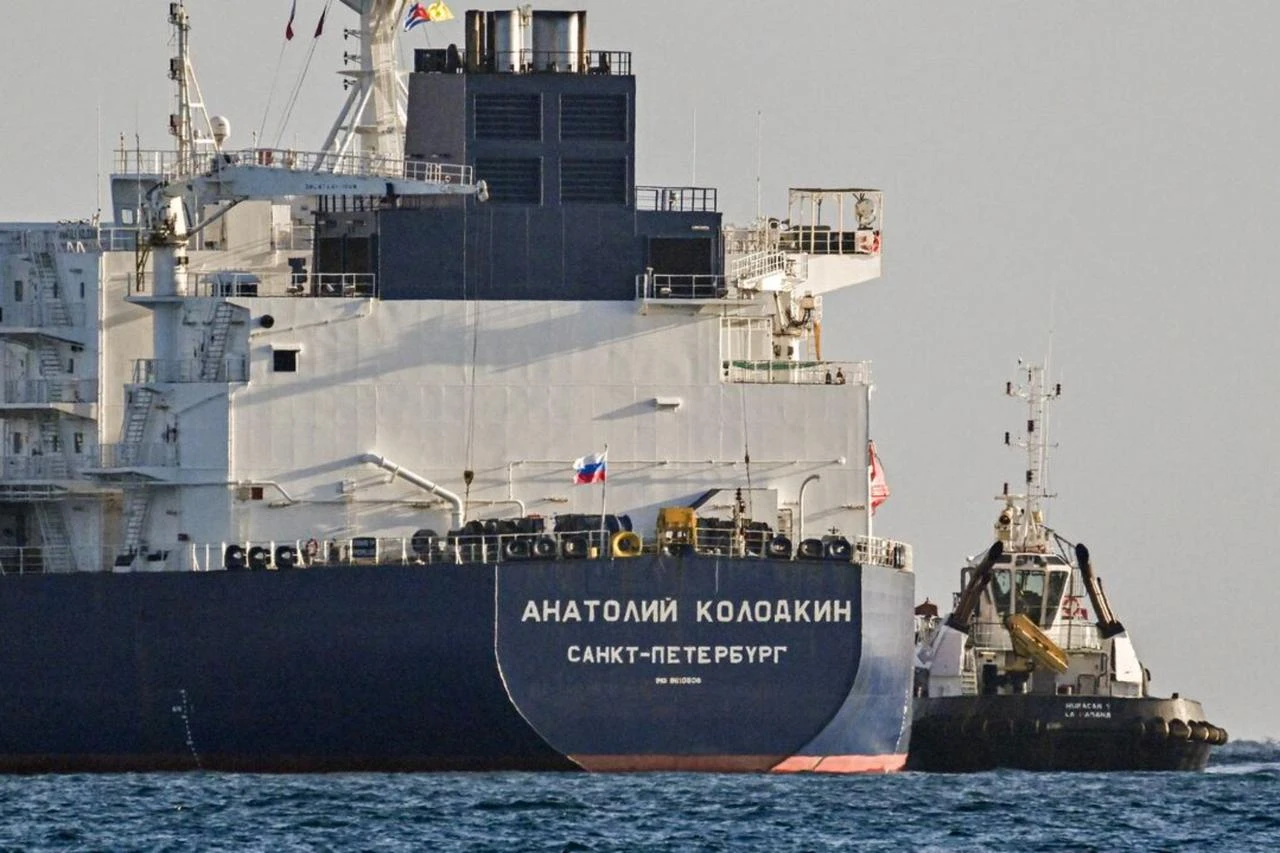
Russian Foreign Minister Sergey Lavrov said Thursday that Moscow would retaliate against any European Union seizures of vessels carrying Russian energy exports, accusing Brussels of "robbery" and "piracy" in its efforts to enforce sanctions on the so-called shadow fleet.
Speaking to Russian state broadcaster VGTRK, Lavrov said the EU had fabricated the term "shadow fleet" to justify actions against tankers that do not comply with the bloc's restrictions on Russian oil and gas exports. "The European Union has long since invented this concept. It does not appear in any document," he said.
Lavrov argued that the EU's measures were designed to choke off Russia's ability to generate revenue on international markets, and accused Brussels of treating its own regulations as though they superseded international law.
He said the EU had granted its member states authority not only to stop and inspect vessels suspected of violating sanctions, but also to seize their cargoes and sell them, with the proceeds potentially redirected to Ukraine.
The European Union has in recent years expanded sanctions targeting tankers believed to be transporting Russian oil in violation of a Western-imposed price cap, part of a broader sanctions regime introduced after Russia's full-scale invasion of Ukraine in 2022.
Citing President Vladimir Putin, Lavrov said Russia would answer the seizures "in kind." <br>
"The President of the Russian Federation Vladimir Putin has very clearly and calmly said that we will respond to this robbery, to this piracy, in kind," Lavrov said. "We will choose the targets ourselves."
He said Russia would consider targeting vessels operating in the interests of countries that had made "robbery and piracy" official policy, without specifying which ships or nations might be affected.
Turning to Japan, Lavrov contrasted the current government's approach to Russia with that of former Prime Minister Shinzo Abe, saying Abe had understood that Japan's national interests could not be secured without cooperation from Moscow. He said Abe's successors had instead aligned themselves more closely with Washington and pursued increased militarization.
Lavrov also expressed surprise at remarks by Japanese Foreign Minister Toshimitsu Motegi, who said he had discussed bilateral and regional issues with Lavrov on the sidelines of an ASEAN forum in the Philippines.
Lavrov disputed the characterization, describing a brief encounter during an official banquet. "I was astonished, because this happened during an official banquet, where there was a long table and all the ministers were seated.
Suddenly, someone tapped me on the shoulder from behind. I turned around, there stood my Japanese colleague, saying how glad he was to see me, how wonderful," he said, adding that he did not even have time to stand before Motegi returned to his seat.
"And that, they call 'discussing bilateral and regional issues,'" Lavrov said.
He also claimed that a delegation of Japanese businessmen had recently visited Russia but stated they had explicit instructions from their government not to discuss any joint projects.


 Set as preferred source
 Set as preferred source


 2 min read
 1 min read