Newsletters


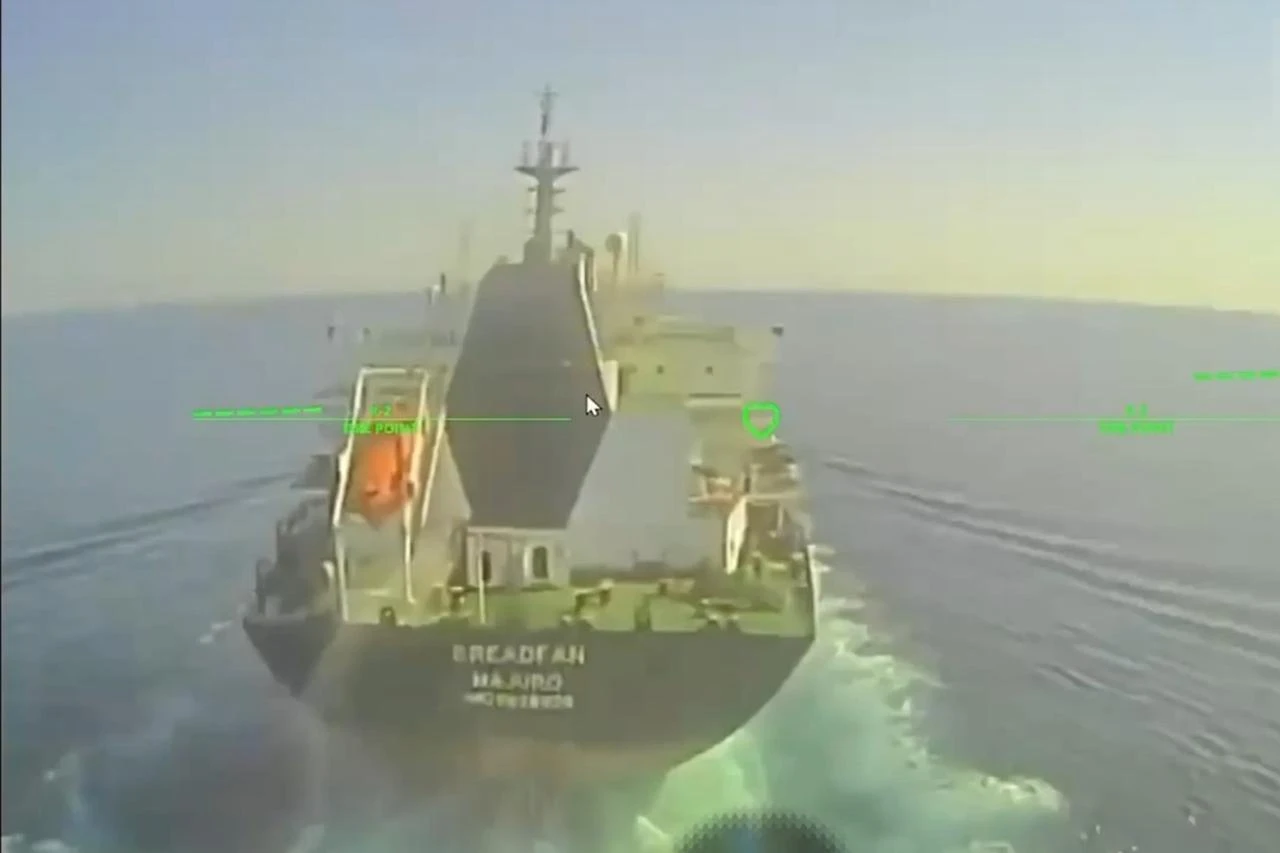


Ukraine has paused drone strikes on oil tankers using Russia's Black Sea port of Novorossiysk after a request from U.S. Vice President JD Vance, the Financial Times (FT) reported, citing Ukrainian officials, even as Kyiv carried out one of its largest attacks yet on the port's naval base and grain terminals the same day, killing at least two people.
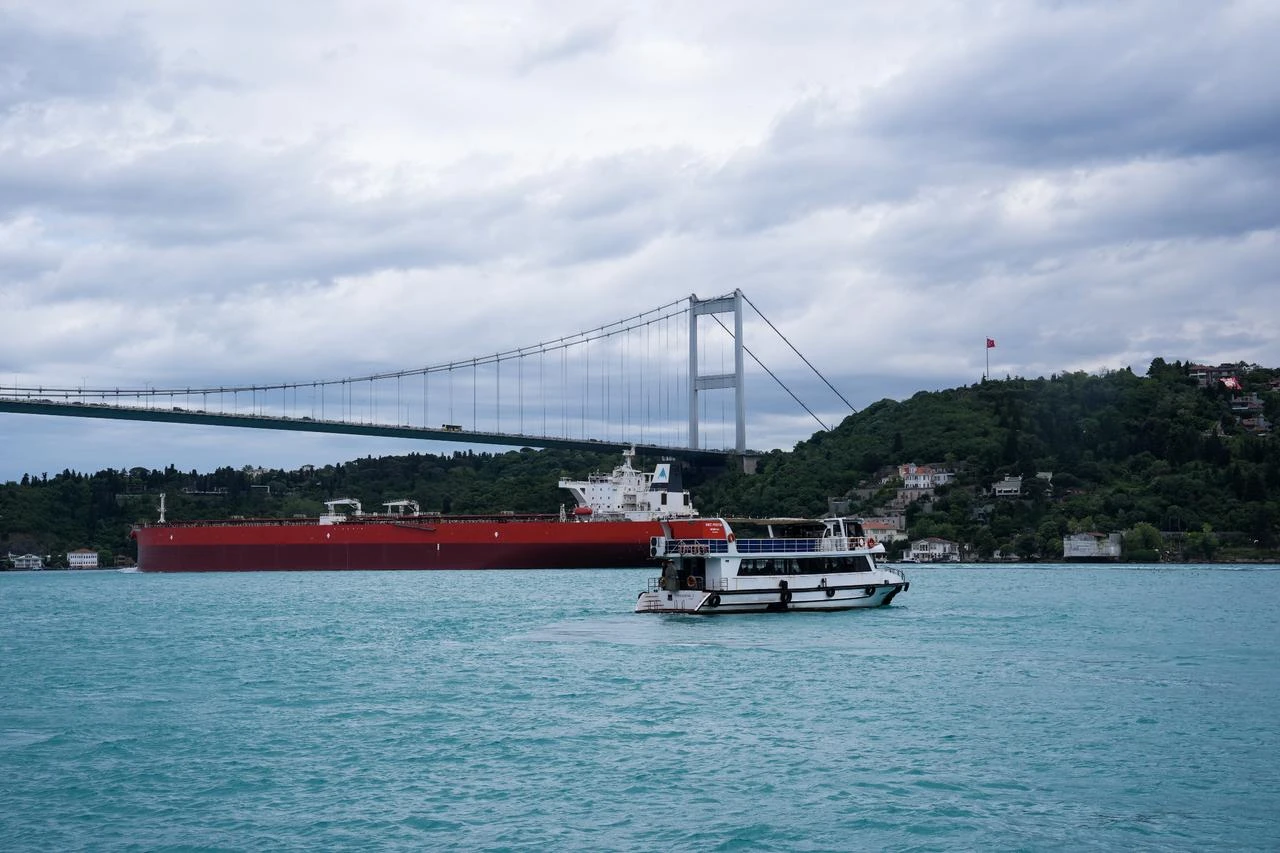
The request, made in late July, followed U.S. alarm that Ukraine was destabilizing oil markets and harming U.S. firms by targeting tankers carrying crude piped from Kazakhstan to a Caspian Pipeline Consortium (CPC) terminal at Novorossiysk.
Vance asked Ukrainian President Volodymyr Zelenskyy to halt the attacks during a call on July 31, according to Ukrainian officials and other people familiar with the matter, cited by the FT.
Ukraine has not struck tankers near the CPC terminal since, according to the officials and the FT's analysis of open-source information.
Ukraine agreed not to target CPC infrastructure or non-Russian vessels, as long as those ships were not under Ukrainian sanctions and were not carrying Russian oil or other Russian cargo, the officials told the FT.
"We very carefully listen to our American partners," a senior Ukrainian official said, adding that Kyiv has established relevant "mechanisms" in response to the U.S. request. The CPC had been "a regular part of the conversation with the US and the Kazakh governments," the official said.
A U.S. official confirmed to Reuters and the FT that the Trump administration had warned Ukraine to "cease and desist" from targeting non-Russian vessels in the Black Sea, as well as CPC infrastructure, saying Washington views the CPC as an alternative to Russian energy supplies.
"The administration views the CPC as a vital conduit of Kazakhstan-origin energy for European markets that serves as an alternative to Russian energy supplies," the official told the FT.
A person familiar with Ukraine's position told the FT that Kyiv agreed to the request in part because it is seeking a U.S. license to produce Patriot interceptor missiles and hopes to buy several hundred of them before winter, when Russia is expected to intensify aerial assaults on critical infrastructure.
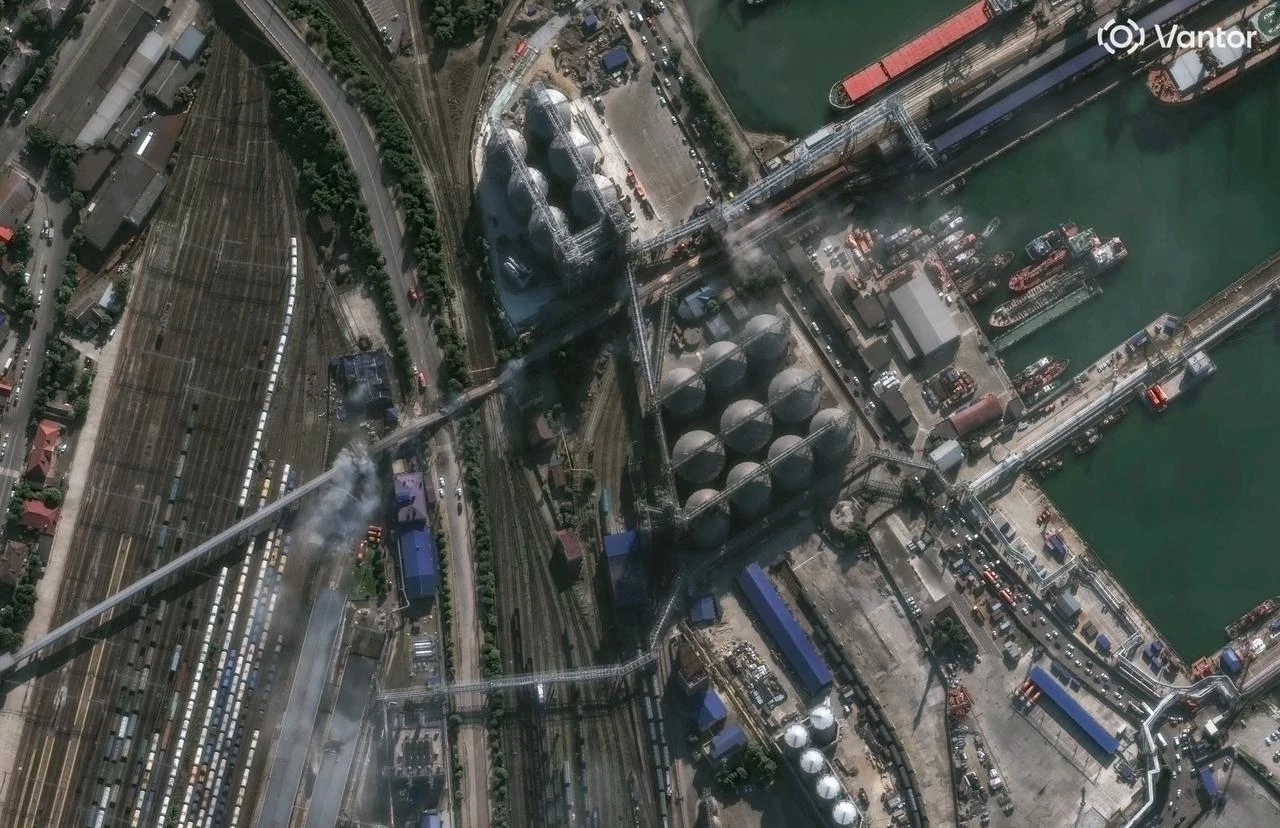

Black Sea drone attacks took out as much as a fifth of CPC oil loadings in July, according to four sources familiar with the data cited by Reuters, as the war spilled over to hit sales by Kazakhstan and Western oil majors.
Kazakhstan, which relies on the CPC route for crude exports, suffered a 14% drop in oil production in July compared with June, the sources said. Chevron and Exxon Mobil are among the major Western companies operating there.
Chevron owns 50% of Tengiz, Kazakhstan's largest oil field, and Exxon owns 25%.
CPC loaded just 1.3 million barrels a day in July, down more than 300,000 barrels a day from the previous month and 600,000 barrels a day fewer than in May, according to Kpler data.
A tanker chartered by Exxon was hit while waiting to load at the CPC terminal on July 17.
Chevron CEO Mike Wirth said last month the company was working with the U.S. and other governments to ensure the "pipeline stays flowing."
Vance's request was not the first time U.S. officials sought to deter Ukraine from hitting American business interests in Russia.
In February, then-Ukrainian ambassador to Washington, Olha Stefanishyna, said she received a demarche from the U.S. State Department following a Ukrainian drone strike on Novorossiysk port late last year.
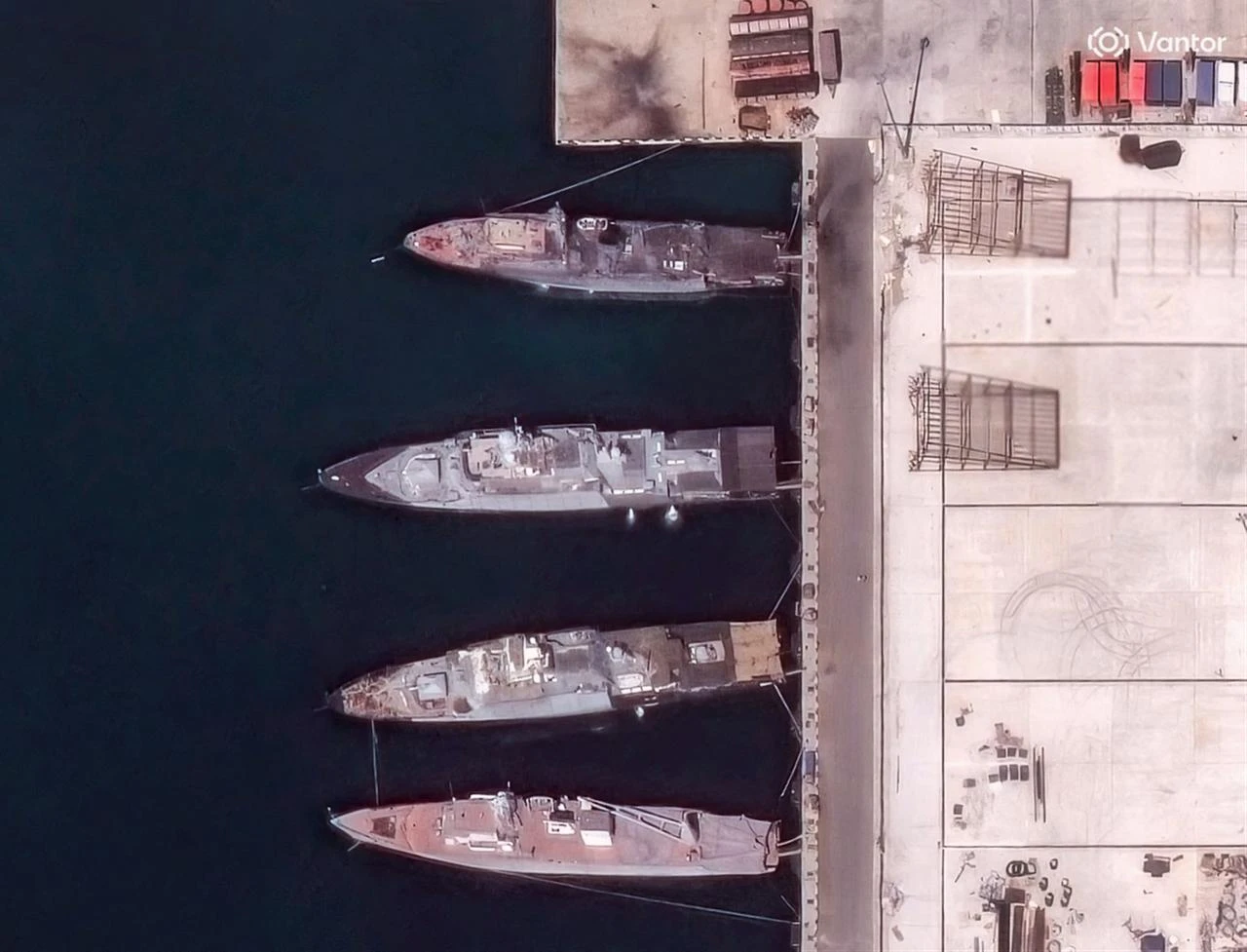
While avoiding CPC facilities, Ukrainian missiles and drones attacked the Russian naval base in Novorossiysk early Wednesday, which Zelenskyy said was "the last major stronghold of the Russian fleet in the Black Sea."
"Our Palianytsia jet-powered drones, Neptune missiles, and unmanned naval systems successfully struck the designated targets," Zelenskyy said.
"Hits on air defense positions, piers, and seaport infrastructure have been confirmed," he added, sharing video showing Russian air defenses attempting to shoot down the weapons.
Ukraine's SBU security service described the attack as having "strategic significance," saying Kyiv's forces hit the naval base with drones and missiles.
Zelenskyy said two frigates, a large landing ship, a corvette and other vessels were hit.
The attack killed at least two people, including an 8-year-old child, regional Governor Veniamin Kondratyev said in a statement.
Novorossiysk Mayor Andrey Kravchenko wrote on Telegram that the port suspended its water supply and declared an emergency after the strikes, with four enterprises, more than two dozen residential buildings and some educational facilities damaged.
Two major grain terminals were forced to halt operations, Reuters reported, citing Russian and Ukrainian officials and grain industry sources.
Because Russia is the world's largest wheat exporter, the strikes on the grain terminals raised fears of a disruption to global supplies.
Chicago wheat futures rose about 3% Wednesday after the attack.
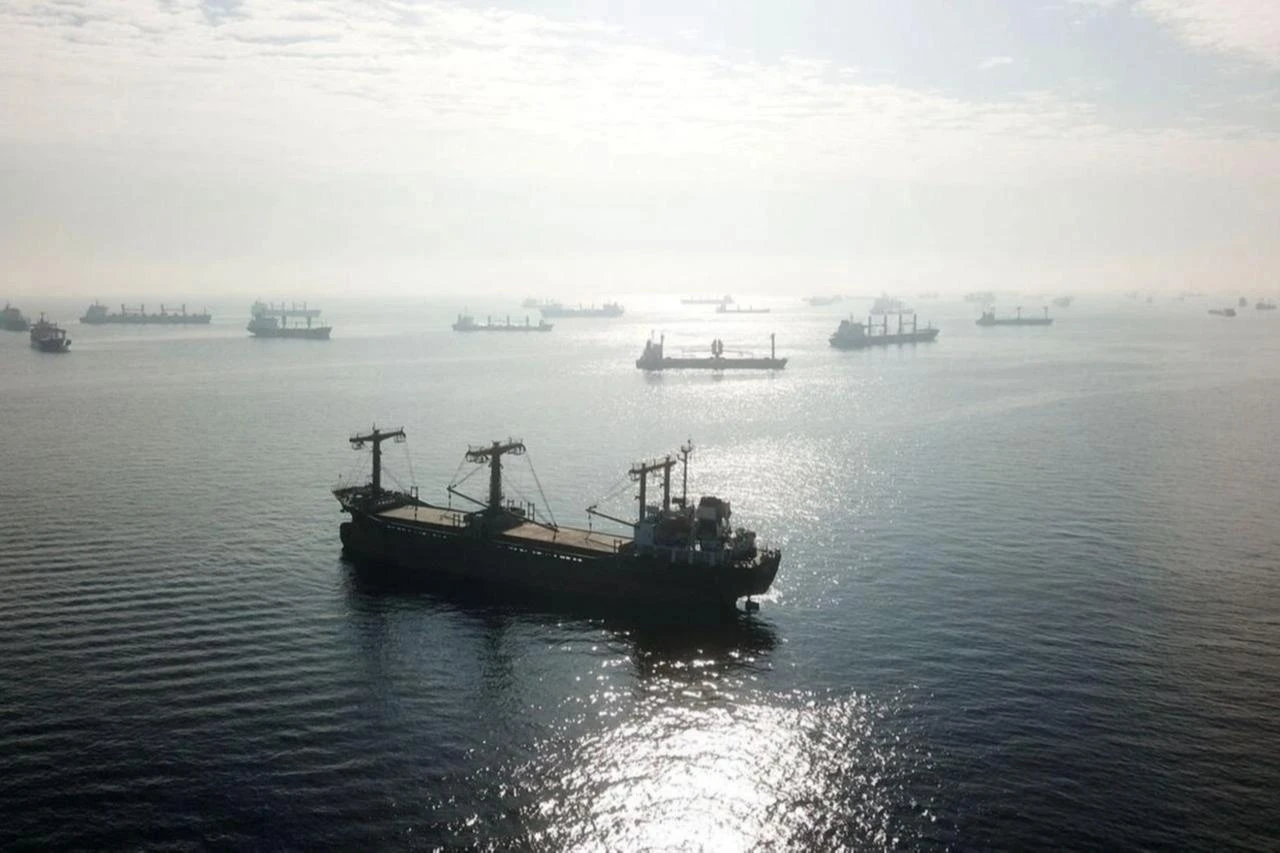
Russia's Agriculture Ministry said it was working to redirect export flows to alternative routes, with Russia's main grain lobby group having warned last month that Ukrainian attacks could shut down Black Sea grain exports, pushing up prices and causing hunger in Africa and the Middle East.
Russia struck the area around Ukraine's largest Danube port, Izmail, overnight, causing damage and a fire, regional authorities said on Telegram.
Izmail, near the Romanian border in the Odesa region, handles grain and other commodities. The attack came a day after Ukraine's strike on Novorossiysk.
Romania, a NATO and EU member, scrambled two fighter jets after an aerial target spent about 10 minutes in its national airspace before leaving for Ukraine, its defense ministry said on X.
In Crimea, annexed by Russia from Ukraine in 2014, more than three dozen drones were shot down over Sevastopol Wednesday, Russian-installed Governor Mikhail Razvozhayev said on Telegram.
Ukrainian grain shipments plunged 76% year-on-year in the first two weeks of August, Ukraine's Agriculture Ministry said. Separately, Ukraine and Moldova agreed to a plan for routing Ukrainian grain shipments through Moldova by rail.
Speaking to Reuters, a farmer, Serhiy Rybalko, who lost two-thirds of his land when Russia occupied parts of southern Ukraine at the start of the 2022 invasion, said a potentially good harvest has been thrown into jeopardy by the near-halt in agricultural exports from Ukraine's Black Sea ports, according to Reuters.
"There is nowhere to send this grain," the 57-year-old said, adding, "This is a complete disaster for farmers."
He said buyers, including major exporter Nibulon, have stopped purchasing.
Farming accounts for nearly 60% of Ukraine's export revenues, and roughly 90% of the country's wheat, corn and sunflower seed exports move through the Black Sea.
Denys Marchuk, deputy head of Ukraine's main farmers' union, the UAC, said Ukraine supplies around 6% of the world's wheat and 11% of its corn, and warned of possible famine in import-dependent African and Middle Eastern countries unless supplies arrive on time.
Ukraine expects a grain harvest of about 60 million tons this year, nearly matching 2025, though farmers have little hope for next year's crops without export revenue to fund the next planting cycle.


 Set as preferred source
 Set as preferred source


 1 min read

 1 min read