Newsletters





Hezbollah Secretary-General Naim Qassem said Tuesday that direct negotiations between Lebanon and Israel had brought “nothing but shame, humiliation, disappointment, and successive concessions,” as the two countries prepared for a seventh round of talks in Rome.
In a televised address broadcast by Al-Mayadeen, Qassem urged Lebanese authorities to stop what he described as “gratuitous concessions,” open dialogue with the “resistance,” rebuild internal unity and prioritize national sovereignty.
Lebanon and Israel were set to meet Tuesday in the Italian capital to discuss implementing a U.S.-mediated framework agreement.
The agreement calls for a gradual Israeli withdrawal from all occupied Lebanese territory in exchange for the Lebanese army’s deployment in those areas and the disarmament of armed groups, a reference to Hezbollah.
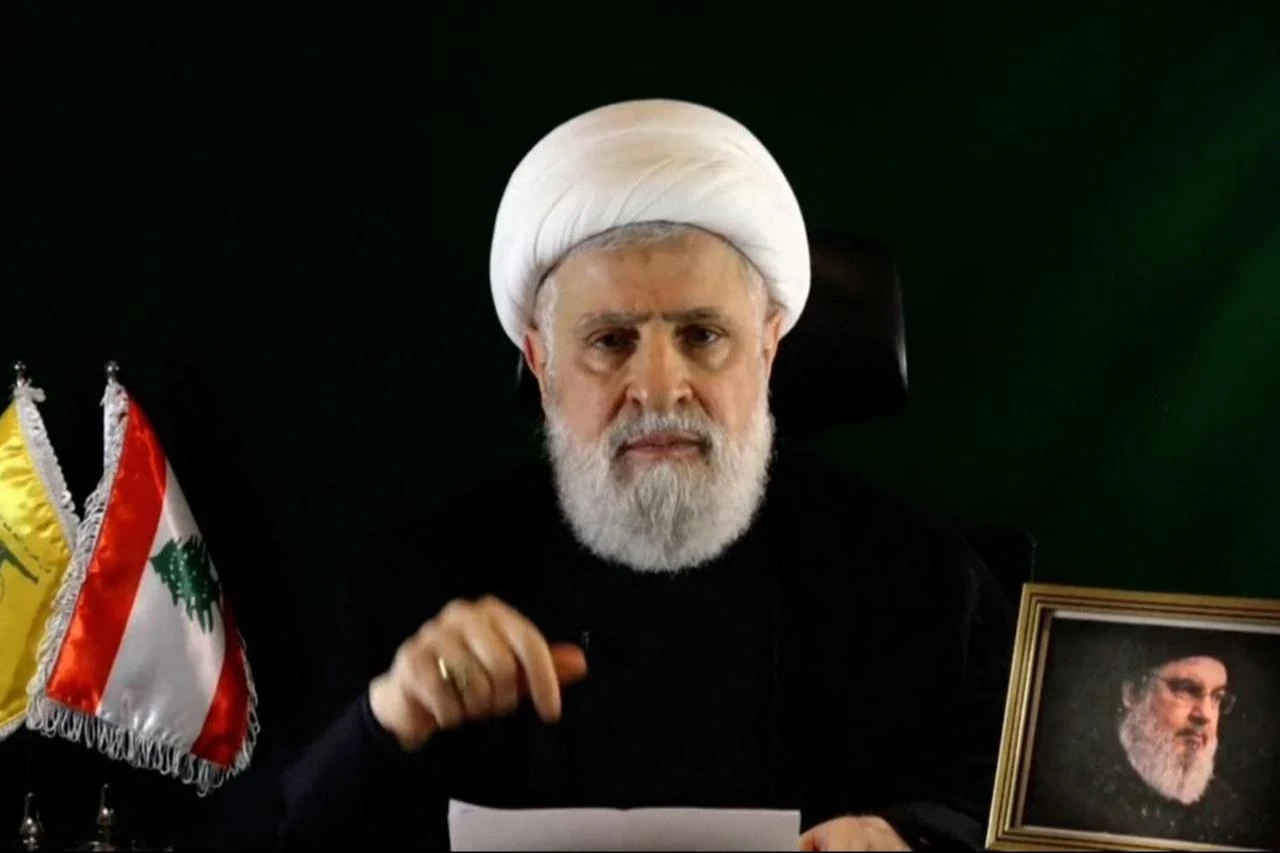

Qassem also criticized Lebanese President Joseph Aoun, accusing him of failing to act as an impartial and unifying figure.
“He has not acted as an arbiter, nor as a unifying figure, but has become biased and divisive, which is incompatible with his role and with Lebanon’s strength,” Qassem said.
The Hezbollah leader called on Lebanese authorities to repair the country’s internal situation and engage directly with the group rather than continuing negotiations and concessions.
Qassem said there was “no obstacle” to holding a public meeting between Hezbollah and Syria’s leadership, marking the first time he had openly expressed such a position following the fall of Bashar Assad’s government.
“There is no obstacle to holding a public meeting between Hezbollah and the Syrian leadership at a suitable time,” he said.
Qassem emphasized what he described as the importance of positive and cooperative relations between the neighboring countries.
“We emphasize the importance and necessity of a fraternal, positive and cooperative relationship between Lebanon and Syria,” he said.
“A stable Syria is a pillar of support for Lebanon, just as a stable Lebanon is a pillar of support for Syria,” he added.

Hezbollah publicly entered Syria’s civil war in 2013 in support of Assad’s government.
As its conflict with Israel intensified in 2024, the Iran-backed group withdrew a large number of its members to Lebanon.
A rapid offensive by Syrian opposition forces and the collapse of the Assad government in December 2024 effectively ended Hezbollah’s military presence in Syria.
Syria had also served as an important supply route from Iran to Hezbollah before the new authorities took control of Damascus.
The new Syrian authorities have announced arrests of alleged Hezbollah-linked cells and the seizure of weapons reportedly being transported to the group. Hezbollah has denied maintaining a presence in Syria.
Syrian President Ahmad al-Sharaa said in June that Damascus would be prepared to meet with Hezbollah if such talks benefited both Lebanon and Syria.
“We will sit at the same table with Hezbollah if it serves the interests of Syria and Lebanon,” al-Sharaa said in an interview with Al Mashhad TV in Damascus.
Damascus has said it does not intend to interfere militarily in Lebanon and wants to develop economic ties as the two countries seek to repair relations strained during decades of Assad family rule, including Syria’s yearslong occupation of Lebanon.
“We are looking for economic channels between Lebanon and Syria, not military ones,” al-Sharaa said.
His remarks came after U.S. President Donald Trump repeatedly suggested that Syria could become involved in fighting Hezbollah in Lebanon.

Also Tuesday, the Lebanese army said it had seized rockets smuggled from Syrian territory into Lebanon.
The army said two people allegedly involved in the smuggling operation had been arrested.
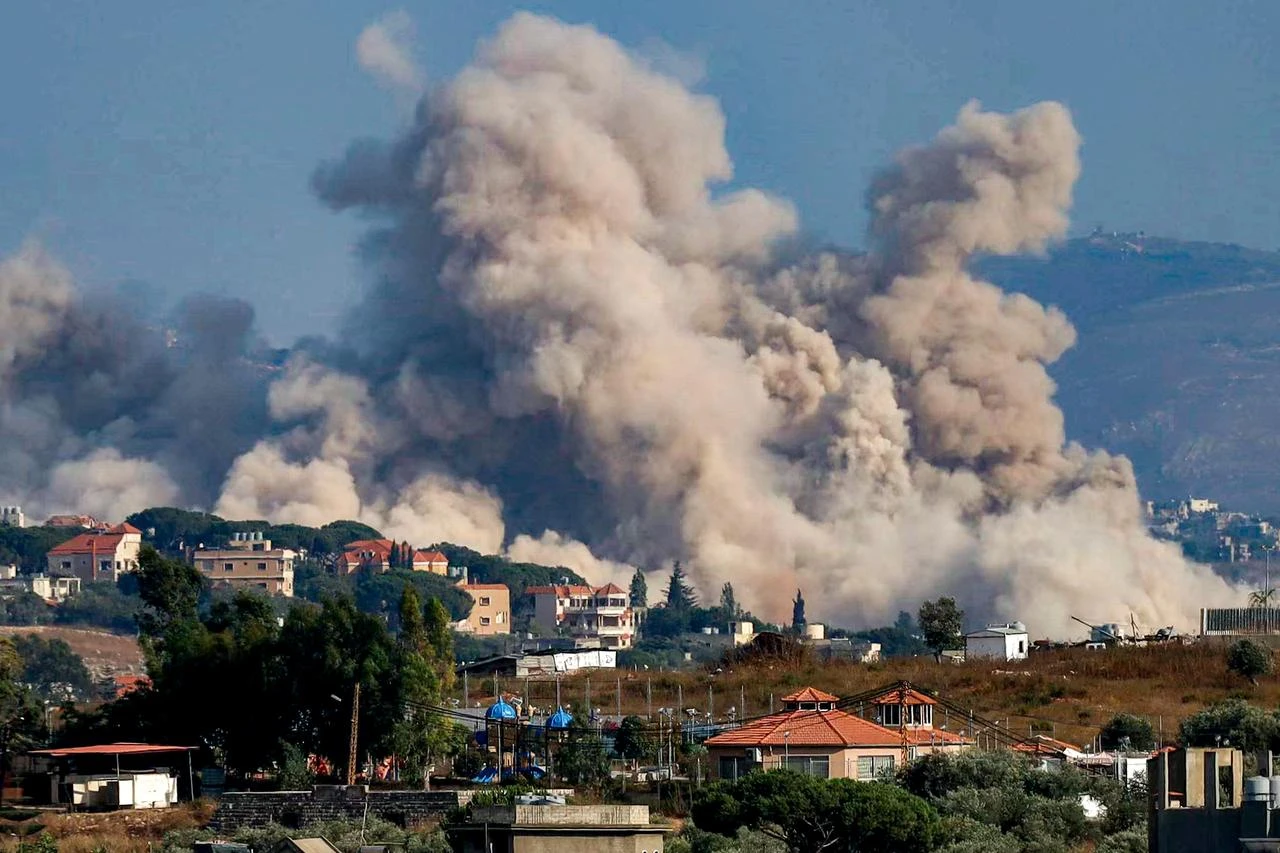
Hezbollah drew Lebanon into the wider Middle East conflict on March 2 by firing rockets at Israel in support of Iran, prompting extensive Israeli airstrikes and a ground invasion.
Israeli attacks on Lebanon since March 2 have killed 4,333 people and injured 12,236 others, according to Lebanon’s Health Ministry.


 Set as preferred source
 Set as preferred source


 2 min read

 1 min read