Newsletters


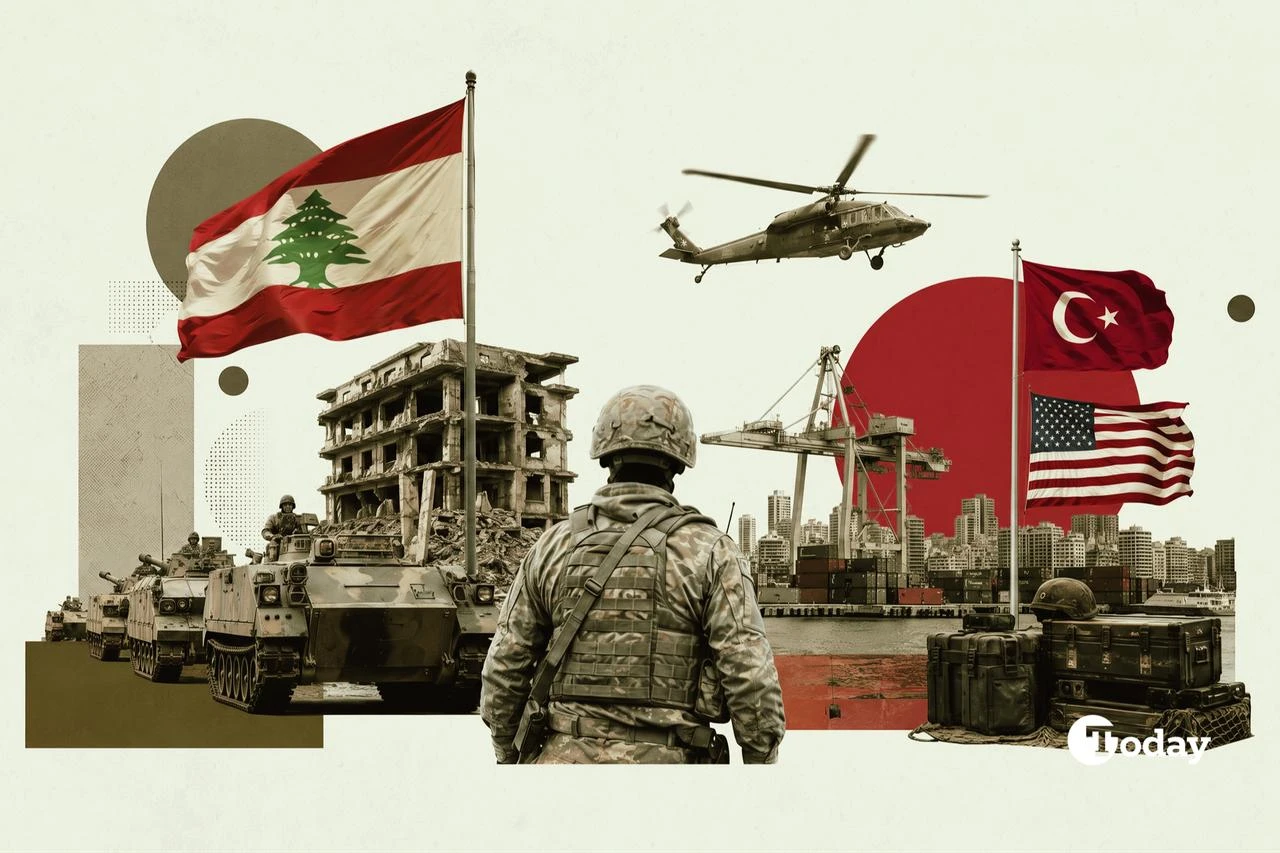


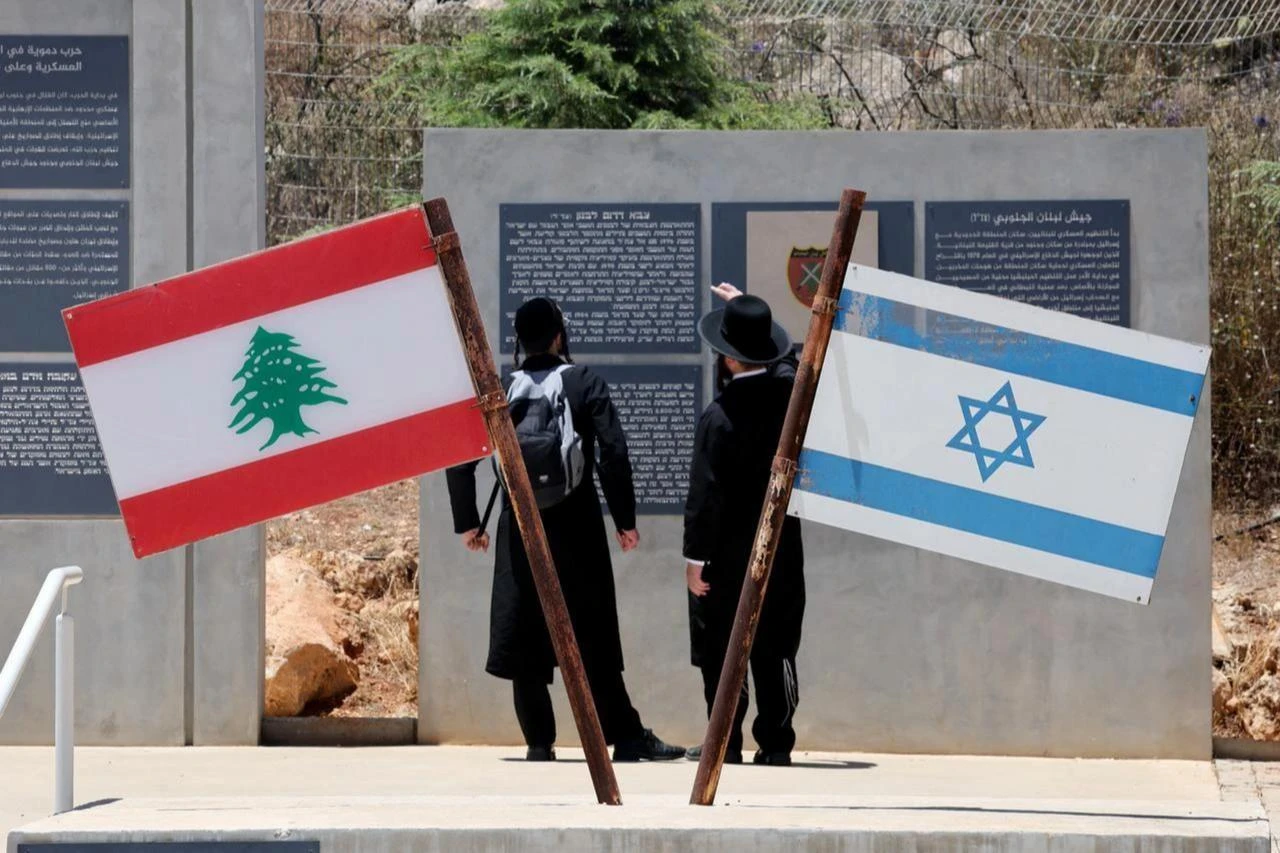
Facing an unrelenting economic crisis, Israeli invasion, and a de facto weapons embargo, the Lebanese Armed Forces (LAF) has long relied on U.S. military aid to maintain quasi-stability, even as Beirut quietly eyes defense and infrastructure cooperation with other partners to rebuild its shattered capabilities.
A senior Lebanese source told Türkiye Today that Beirut is looking at purchasing defensive weapons, including Turkish arms, which offer high-tech, low-cost options. He cautioned that such a scenario depends heavily on the country's financial recovery, which in turn requires domestic political stability and Israeli withdrawal.
The source recalls an incident of Russia offering LAF 10 MiG-29s as a donation in the 2000s. "The Lebanese government did not accept the offer because the maintenance and other operational costs would be so high. The reason that our army does not have sophisticated weapons is that we never had financial capacity."
"No talks with any Turkish defense companies have taken place yet, as Lebanon lacks the financial resources," the source said, referring to possible defense cooperation between Türkiye and Lebanon.
Turkish-Lebanese military relations are currently limited to non-lethal defense donations and the training of small numbers of Lebanese soldiers in Türkiye, according to a Turkish source familiar with the matter.
The Lebanese government, paralyzed by years of catastrophic economic collapse, has left its national military severely under-resourced. A staggering 90% of the LAF's equipment and daily operational capabilities currently rely entirely on foreign donations.
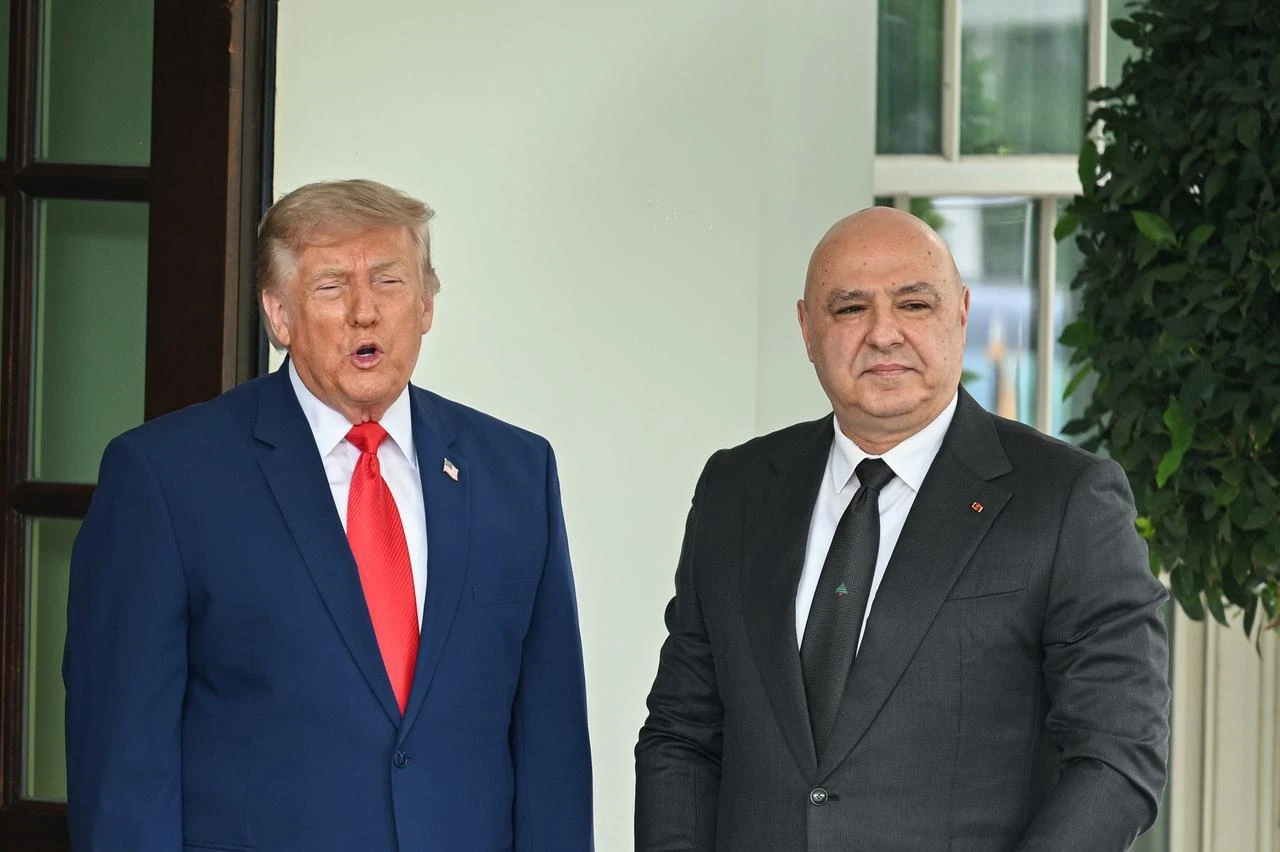
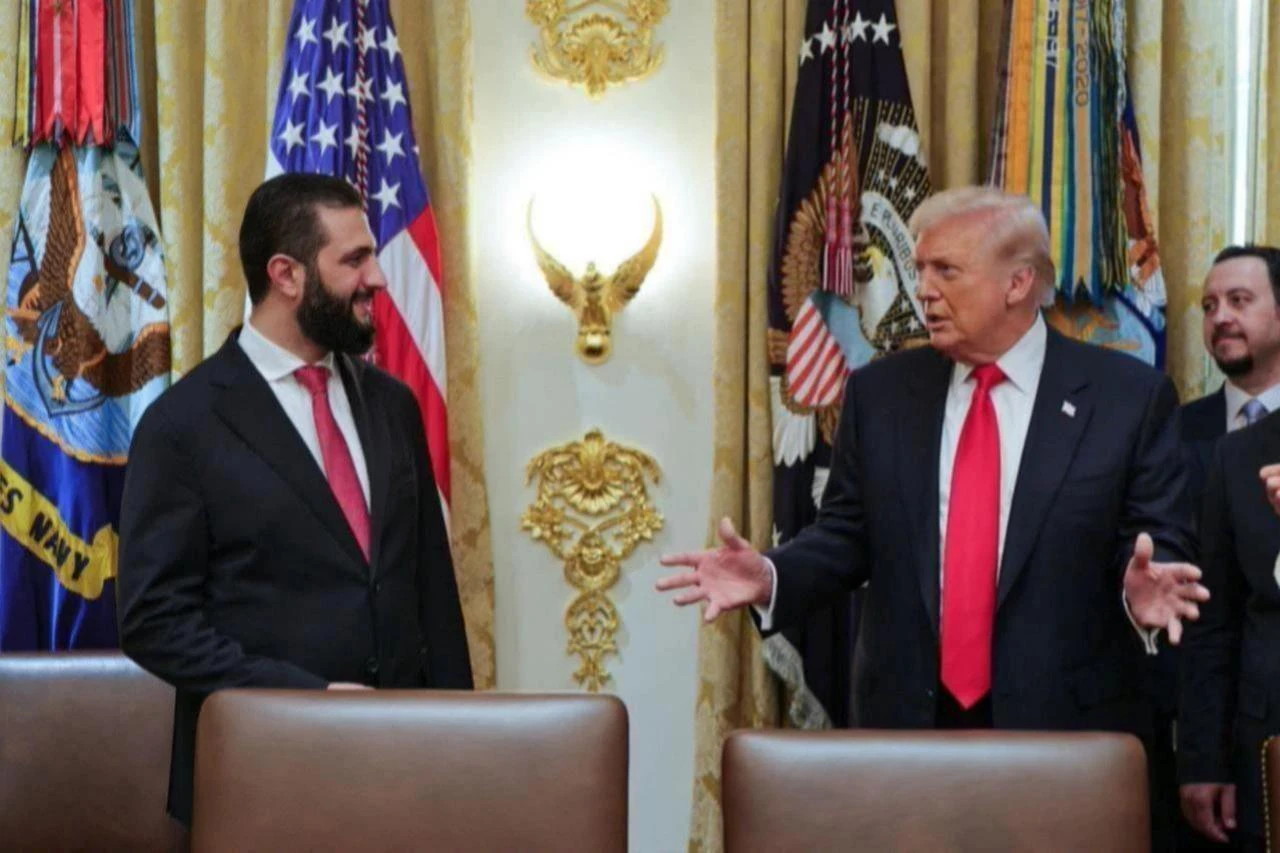
This stark reality has elevated the importance of Washington’s continued backing. The Lebanese source described President Joseph Aoun’s recent diplomatic visit to the United States as a definitive "turning point" for the nation.
Crucially, the U.S. has committed to a robust $3 billion military support package for Lebanon, distributed over 10 years. This long-term funding is designed to keep the LAF functional, covering everything from basic logistical needs to light equipment and troop sustainment.
Beyond financial and material aid, the U.S. partnership is viewed by Lebanese leadership as vital diplomatic leverage. The source noted that the Washington-Beirut relationship is critical because "nobody else can pressure Israel to withdraw" from contested Lebanese territories and de-escalate ongoing border frictions.

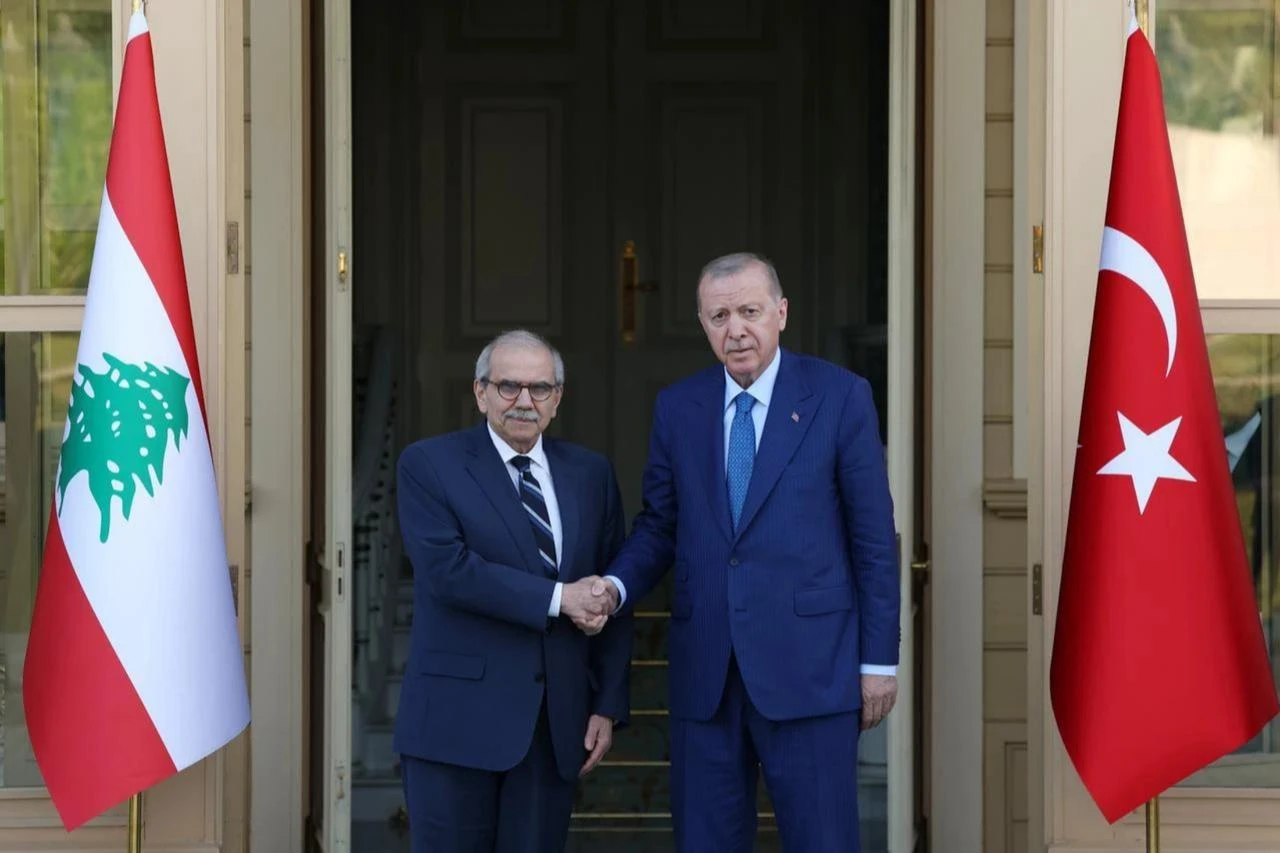
While Washington anchors Lebanon's immediate security architecture, Beirut is also acknowledging Türkiye's growing regional influence. Lebanon highly appreciates Ankara’s strictly "state-to-state" diplomatic approach, which strengthens official state institutions rather than empowering localized political factions.
Beyond the defense sector, Ankara is also courting Beirut through civilian infrastructure, most notably in the energy sector. Türkiye has expressed a willingness to supply electricity to Lebanon’s notoriously failing power grid, a move that could alleviate severe daily blackouts.
The source emphasized that if the LAF eventually secures independent financial resources, it will "definitely" engage Turkish defense companies.
Türkiye’s rapidly expanding defense sector is highly attractive to cash-strapped nations, offering the exact profile of high-tech, low-cost defensive weapons the LAF needs for border security and internal stabilization.


 Set as preferred source
 Set as preferred source


 2 min read
 1 min read