Newsletters




Lebanon will not give up its right to pursue legal action against Israel over what Parliament Speaker Nabih Berri described as “genocide crimes,” while rejecting the June framework agreement and questioning the results of seven rounds of direct talks with Israel.
Berri made the remarks Monday in a speech marking the 48th anniversary of the disappearance of Lebanese Shiite cleric and Amal Movement founder Musa al-Sadr, according to Lebanon’s National News Agency.
Sadr disappeared in Libya in 1978 along with Sheikh Mohammed Yacoub and journalist Abbas Badr al-Din. Lebanon’s Shiite community has held former Libyan leader Moammar Gadhafi responsible, while the former Libyan government denied the allegation and said the three had left for Italy.
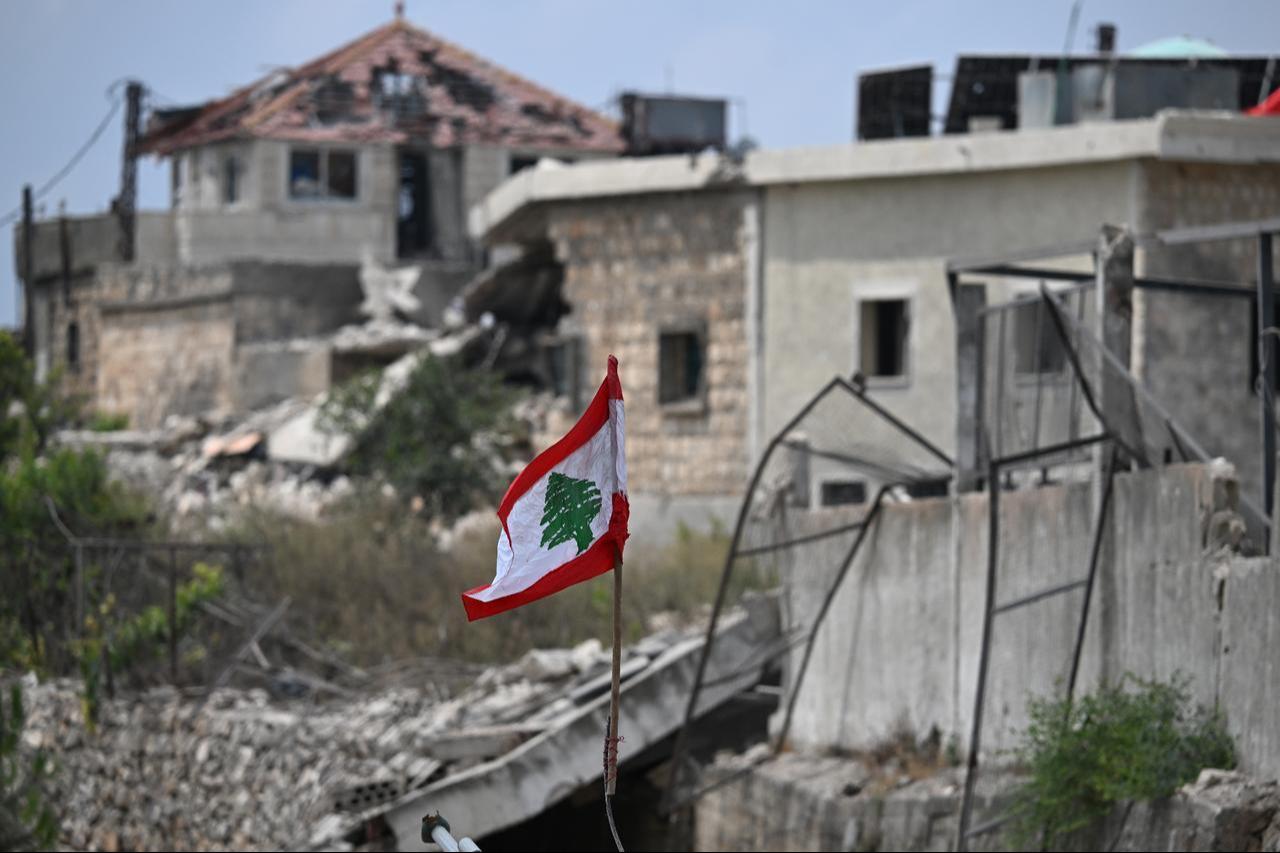

Berri said Lebanon’s confrontation with Israel requires “a unified national approach free of sectarian calculations” and warned against allowing the country to be drawn into internal conflict.
“What Israel wants is not Hezbollah, its weapons, Amal, or the Shiite community. Lebanon itself, its unity and civil peace, are the target,” he said.
“We reject the June framework agreement, and we have repeatedly warned against direct negotiations with the Israeli enemy while under fire,” Berri added.
He questioned what seven rounds of negotiations had achieved, saying Israeli-occupied areas had expanded, destruction had increased and the number of those killed had risen.
Berri also rejected any move to waive Lebanon’s right to prosecute Israel over what he called “genocide crimes.”
His remarks came ahead of an expected eighth round of direct Lebanon-Israel talks in Italy in September.
The seventh round ended Aug. 6 without an agreement on expanding areas from which Israeli forces would withdraw.
Lebanon and Israel signed a U.S.-mediated framework agreement on June 26 calling for a phased Israeli withdrawal from southern Lebanon alongside the deployment of the Lebanese army.
Subsequent talks have focused on mechanisms to implement the agreement and complete the withdrawal.
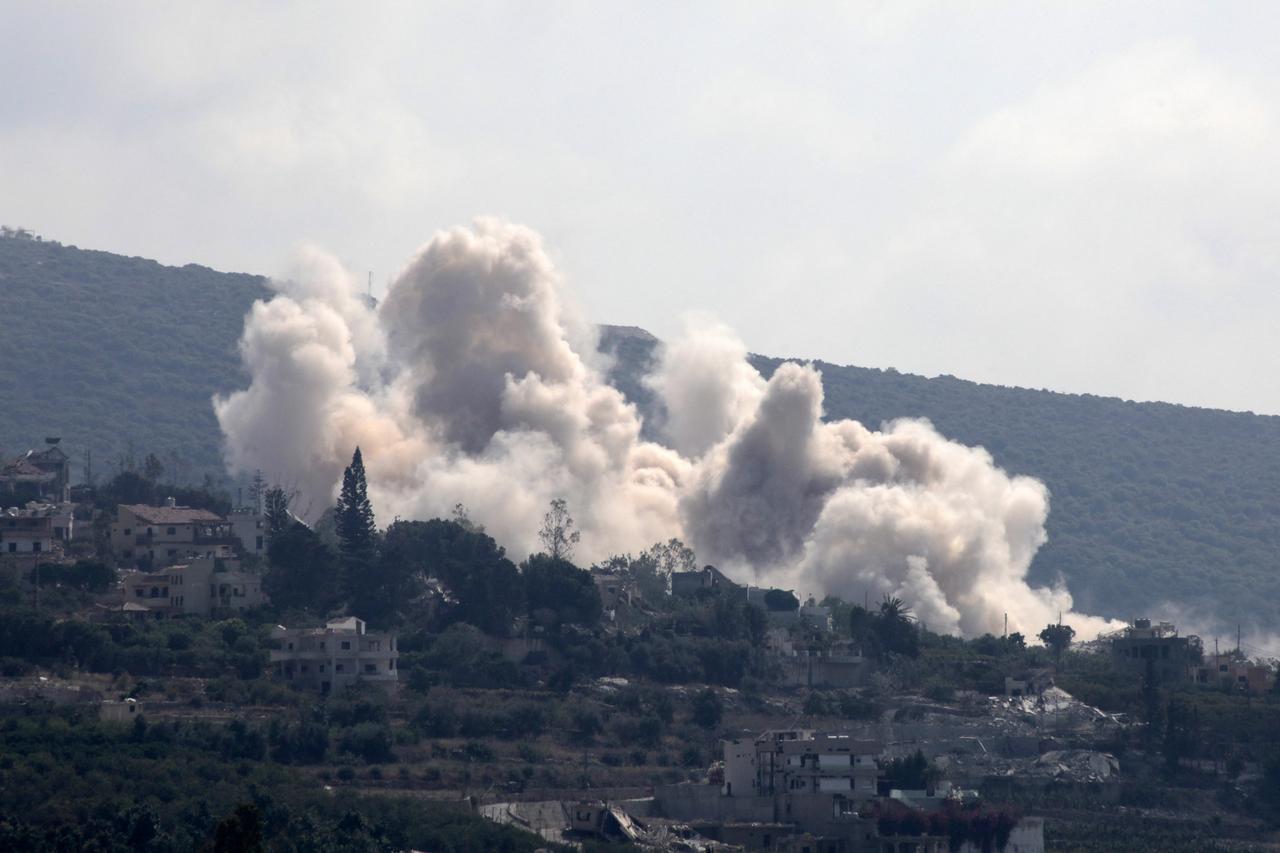
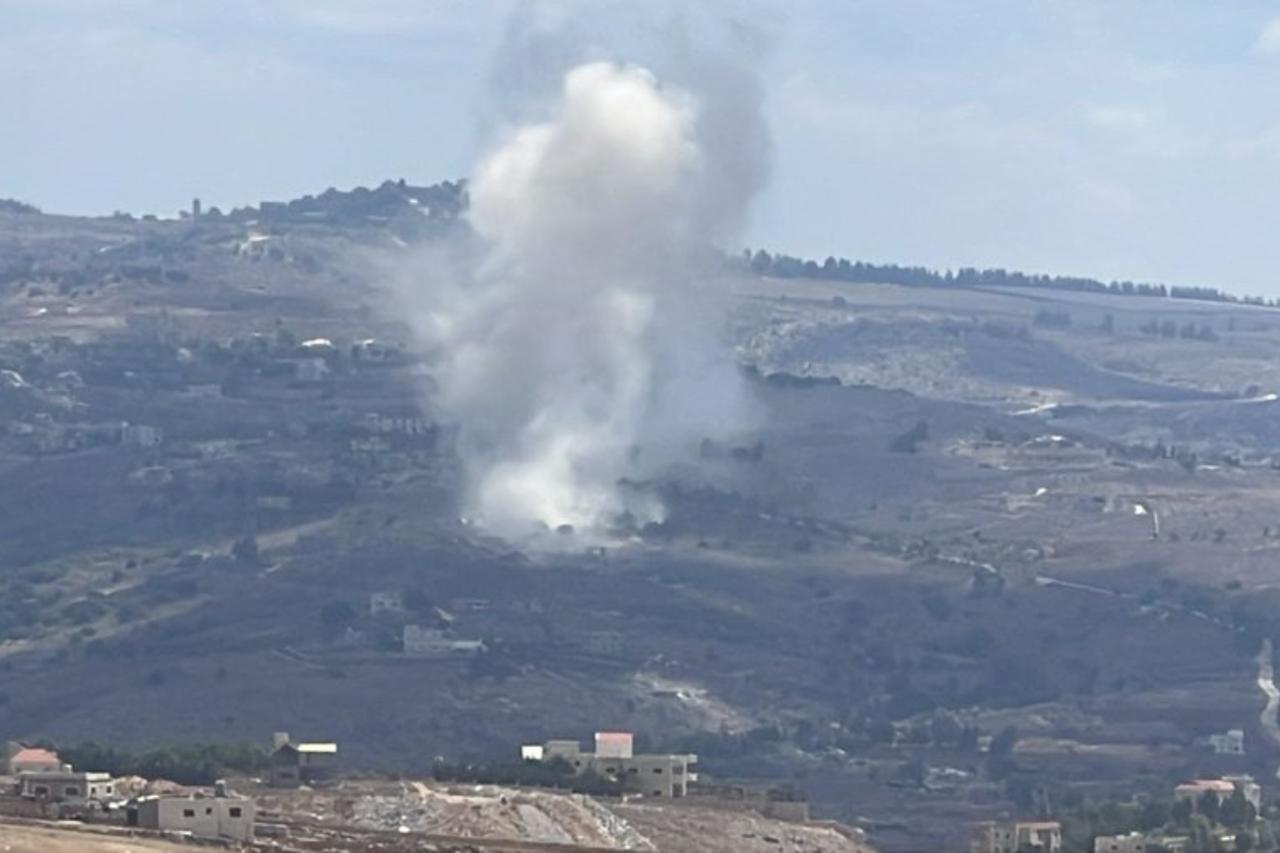
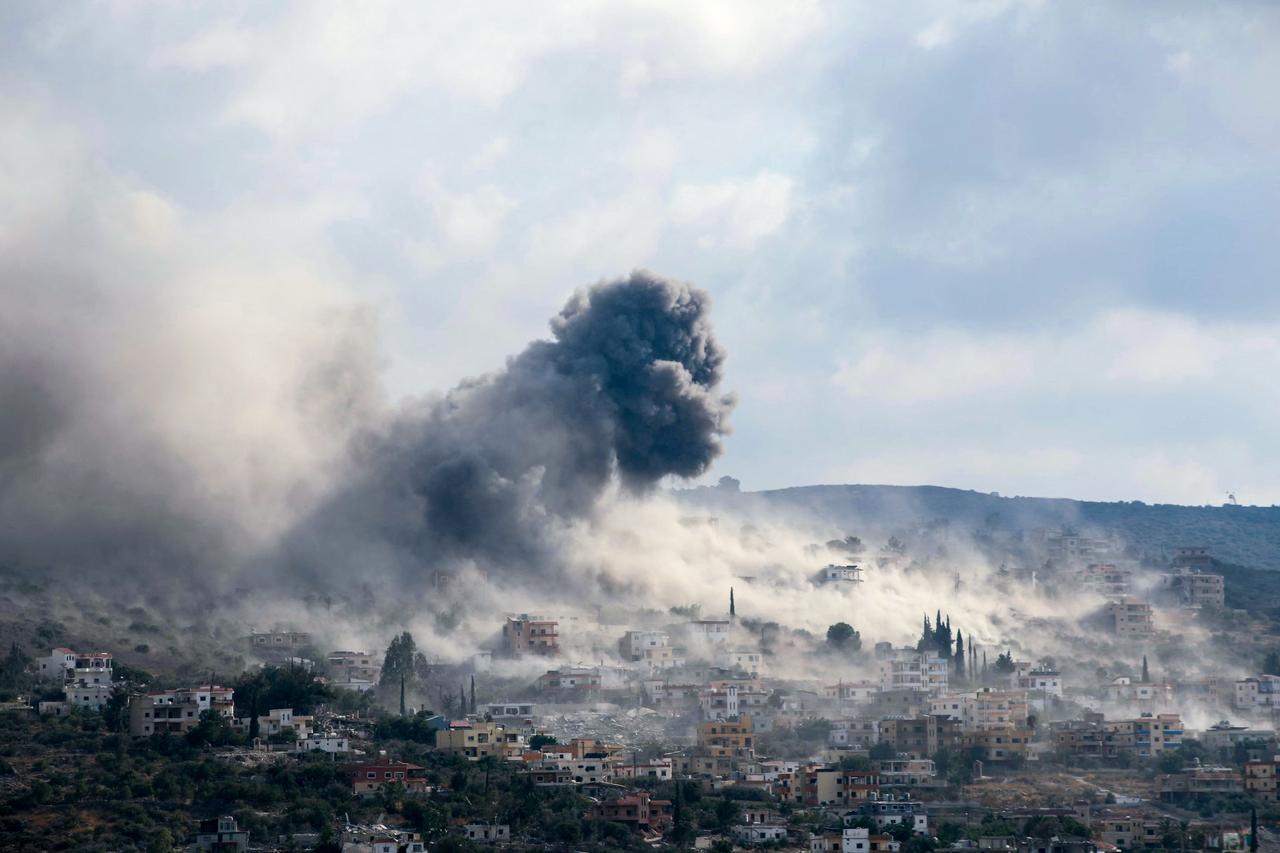
According to Lebanese authorities, Israeli attacks on Lebanon since March 2 have killed more than 4,000 people, wounded over 12,000 and displaced more than 1 million.
Israel continues to occupy parts of southern Lebanon, including areas held for decades and others seized during the 2023-24 war, while its latest military offensive has expanded its presence deeper into Lebanese territory.


 Set as preferred source
 Set as preferred source


 1 min read
 1 min read