Newsletters


On February 28, 2026, joint military strikes by the United States and Israel targeted locations in Iran. The attacks resulted in hundreds of civilian casualties, including reports of injuries and deaths among residents. Key infrastructure, residential buildings, and vehicles were severely damaged in the capital, Tehran, and surrounding areas.
Despite the destruction and widespread fear, residents of Tehran continue their daily lives, navigating the aftermath with a mix of anxiety, resilience, and hope.
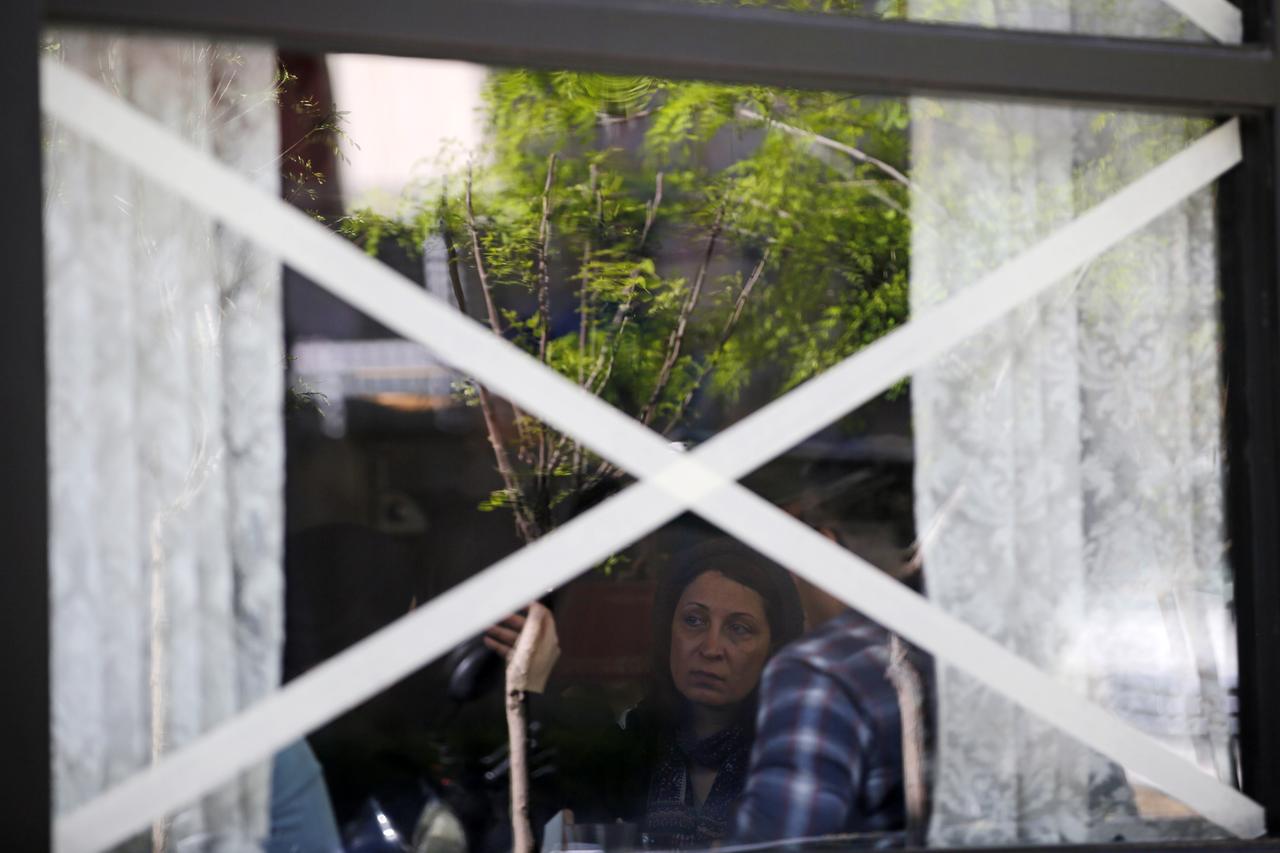
Tehran’s streets and neighborhoods show the immediate aftermath of the strikes. Buildings are partially collapsed, windows shattered, and vehicles destroyed.
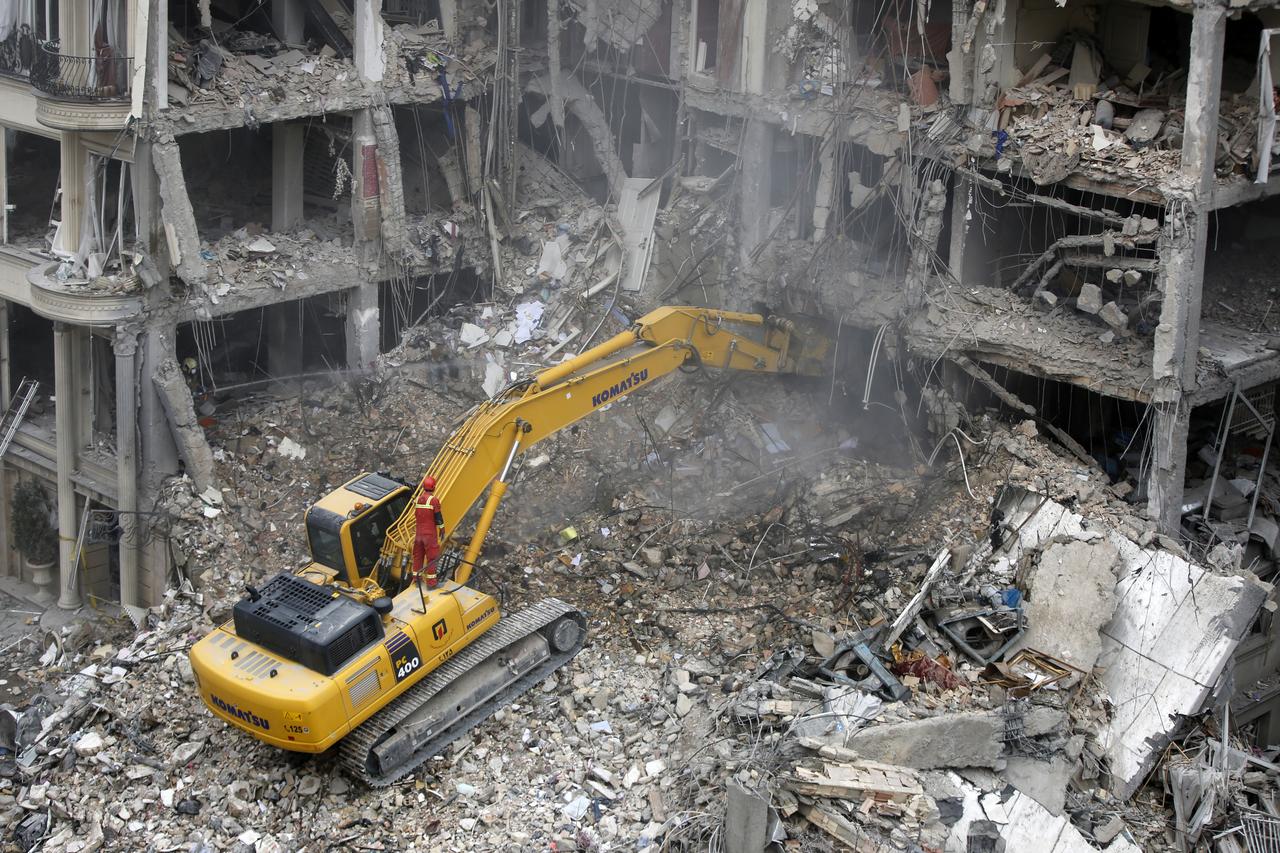
Residential areas in Tehran were significantly affected by the military strikes. Homes and apartment complexes show broken walls, damaged facades, and debris scattered across streets and courtyards.
In particular, the Enderzgu district experienced severe destruction on February 23, 2026, when an eight-story building was partially destroyed, one half collapsed entirely, while the other half became unusable.
Surrounding buildings also sustained heavy damage, and numerous vehicles were rendered inoperable.
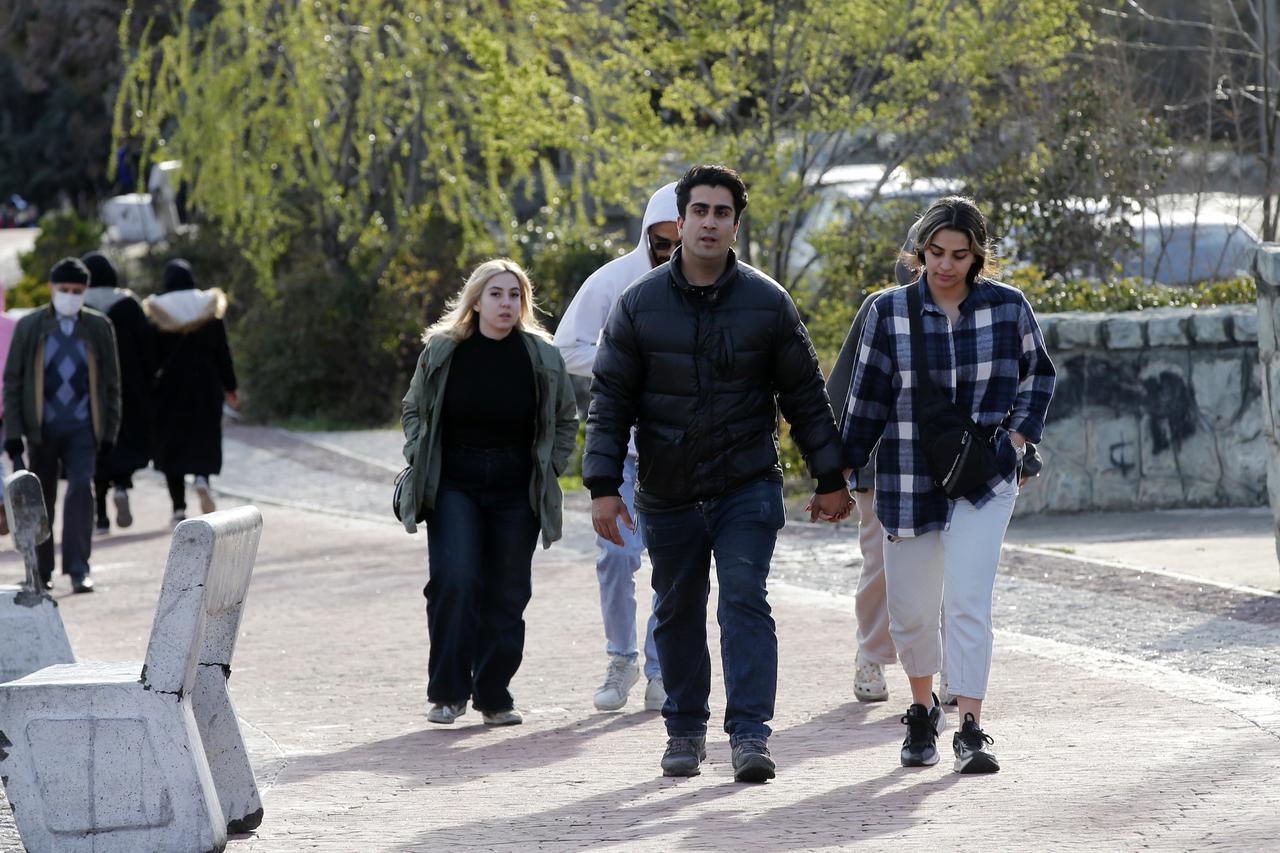
Beyond residential neighborhoods, public spaces and commercial districts in Tehran were also affected by the strikes.
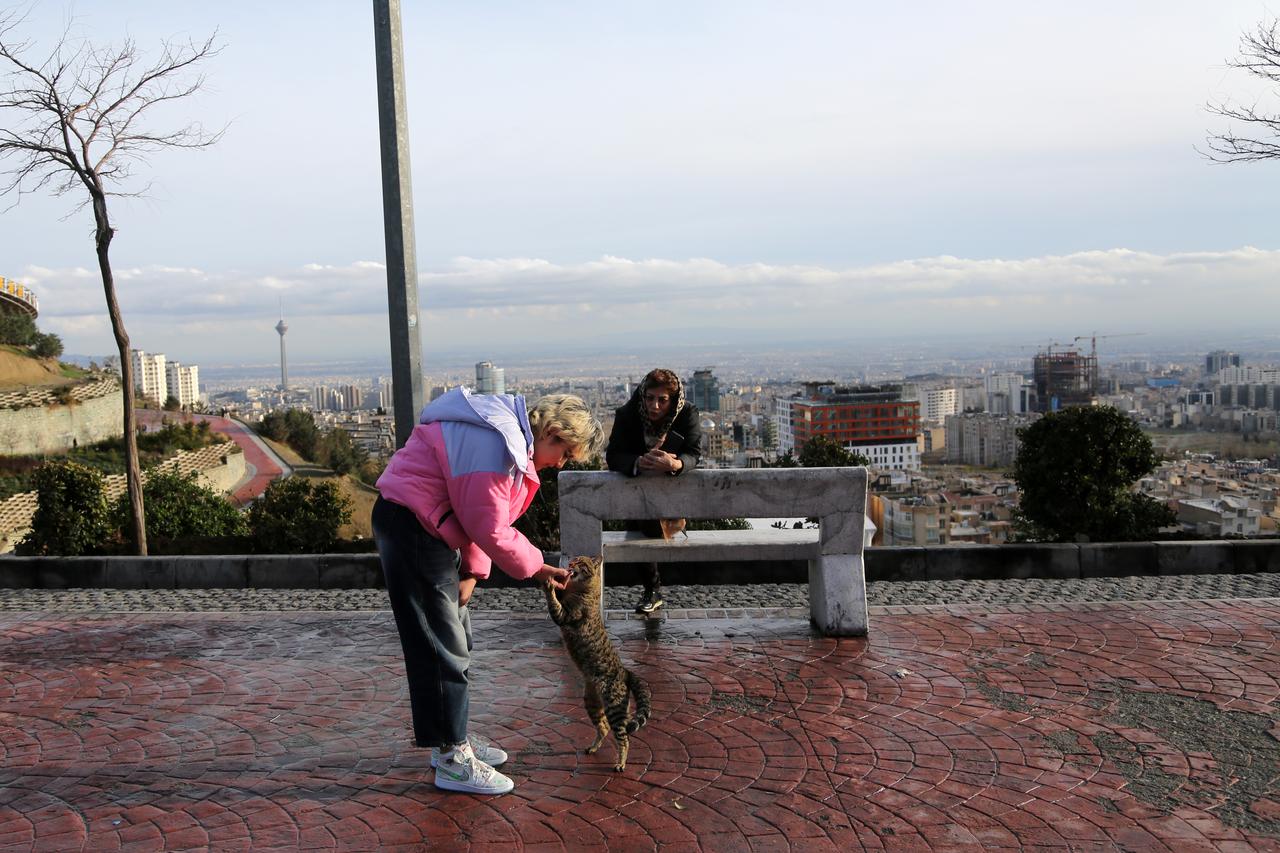
Residents continue to move through affected areas, carrying on with their daily routines despite streets of disrupted infrastructure.

The strikes also affected public spaces and commercial districts. Markets, shops, and civic facilities were damaged, and some streets were blocked by debris.
Still, some businesses have reopened, and public areas are partially functional.

A woman rides her bicycle through the streets of Tehran.
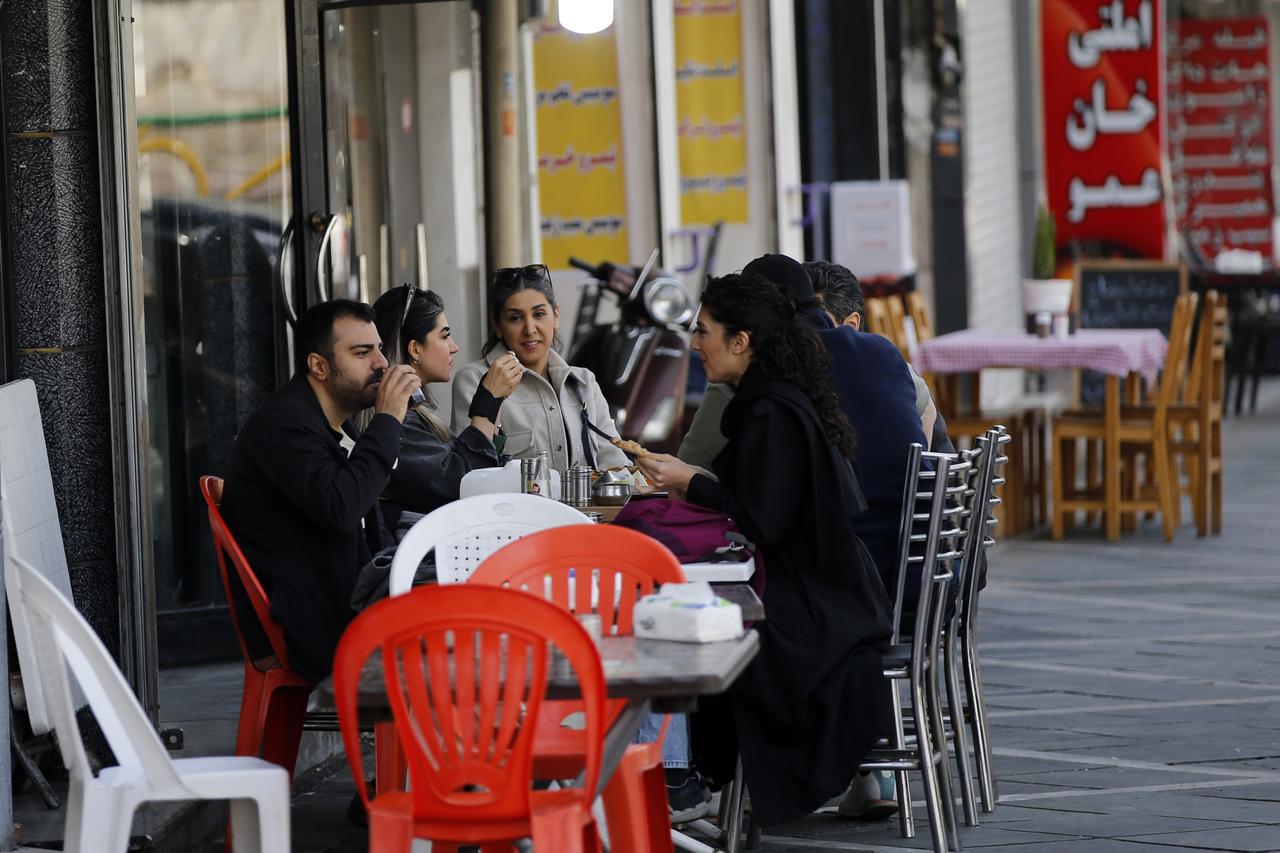
A group of people having a meal at a restaurant in Tehran.
Militarily, the conflict has involved coordinated strikes on both sides, with Iran responding to attacks on its territory by firing missiles and drones toward Israeli territory and U.S. positions in the region.
Air and missile launches have also affected neighboring countries, and diplomatic discussions continue amid ongoing tensions and broader regional security concerns.


 Set as preferred source

 6 min read