

 Newsletters


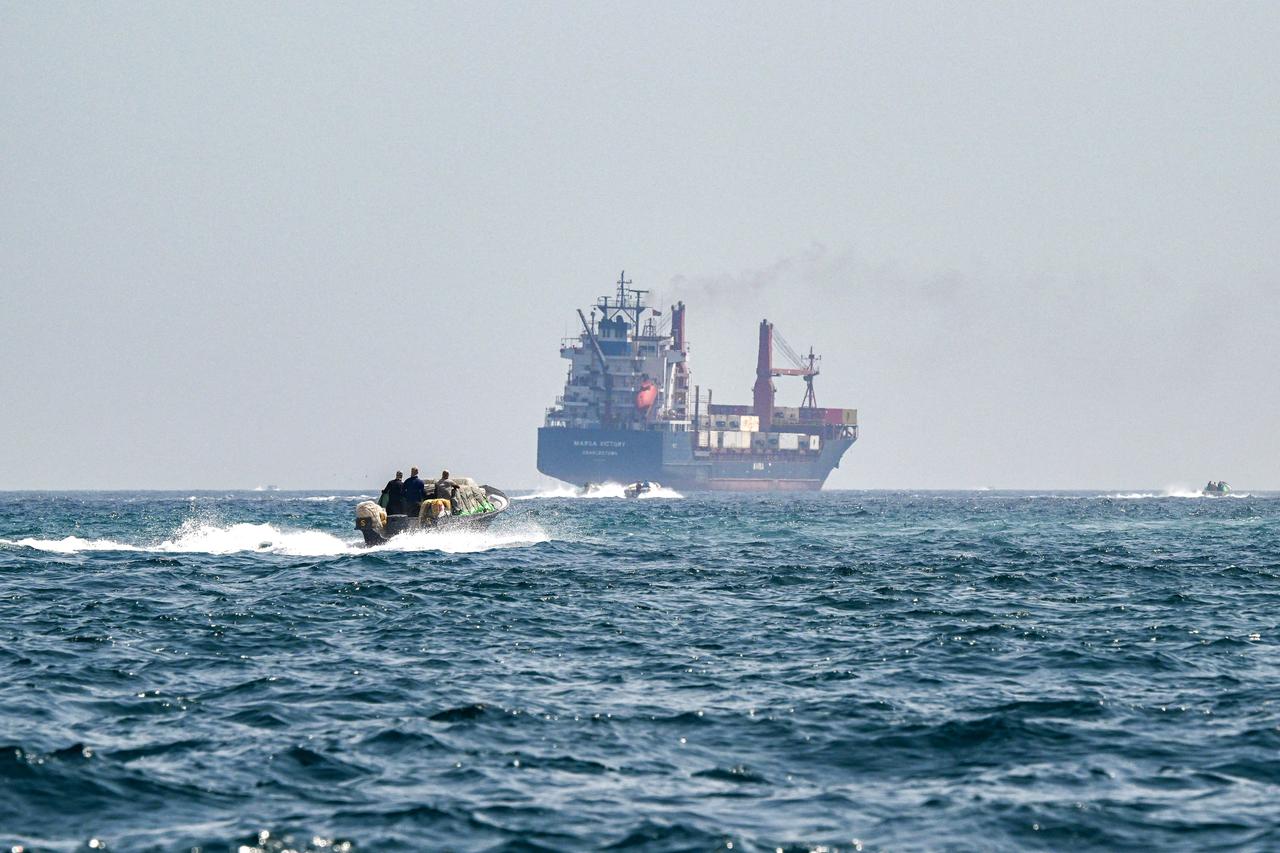


The United Arab Emirates is pushing for the creation of a multinational maritime force to reopen the Strait of Hormuz and ensure the safe passage of shipping, according to people familiar with the discussions.
The UAE has told the U.S. and other Western countries that it is prepared to participate in such a force, with plans to deploy its navy as part of a broader coalition.
Officials said Abu Dhabi is lobbying dozens of countries to form what has been described as a “Hormuz Security Force” to escort vessels and protect shipping from Iranian attacks.
“The focus is on creating as broad an international force as possible,” one person familiar with the matter said. “It’s not about going to war with Iran. Iran went to war on the global economy and people need to stand up.”
The UAE is also working with Bahrain on a proposed United Nations Security Council resolution to provide a mandate for the force, although Russia and China could oppose the move.
Bahrain is currently the only other Gulf country backing the initiative, while the UAE is seeking support from Saudi Arabia and additional international partners.
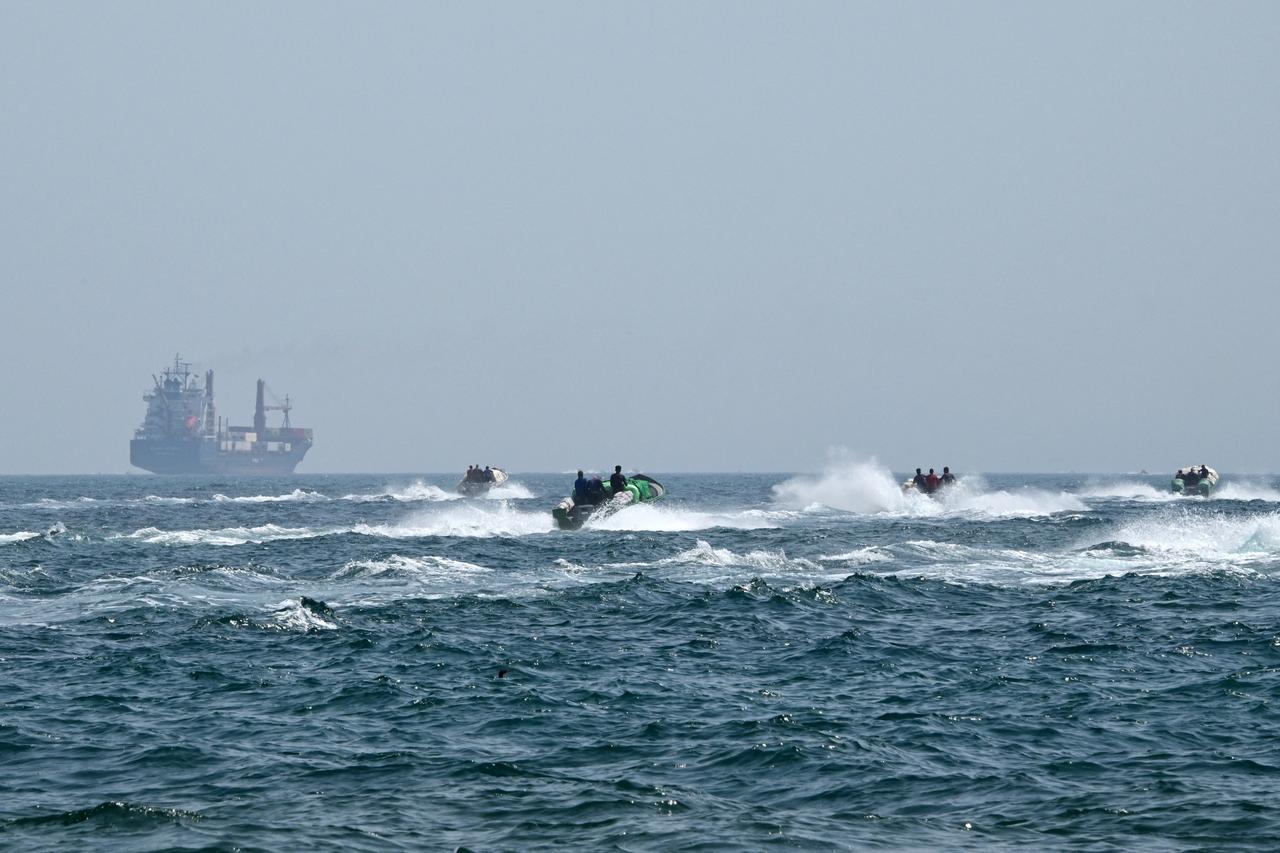
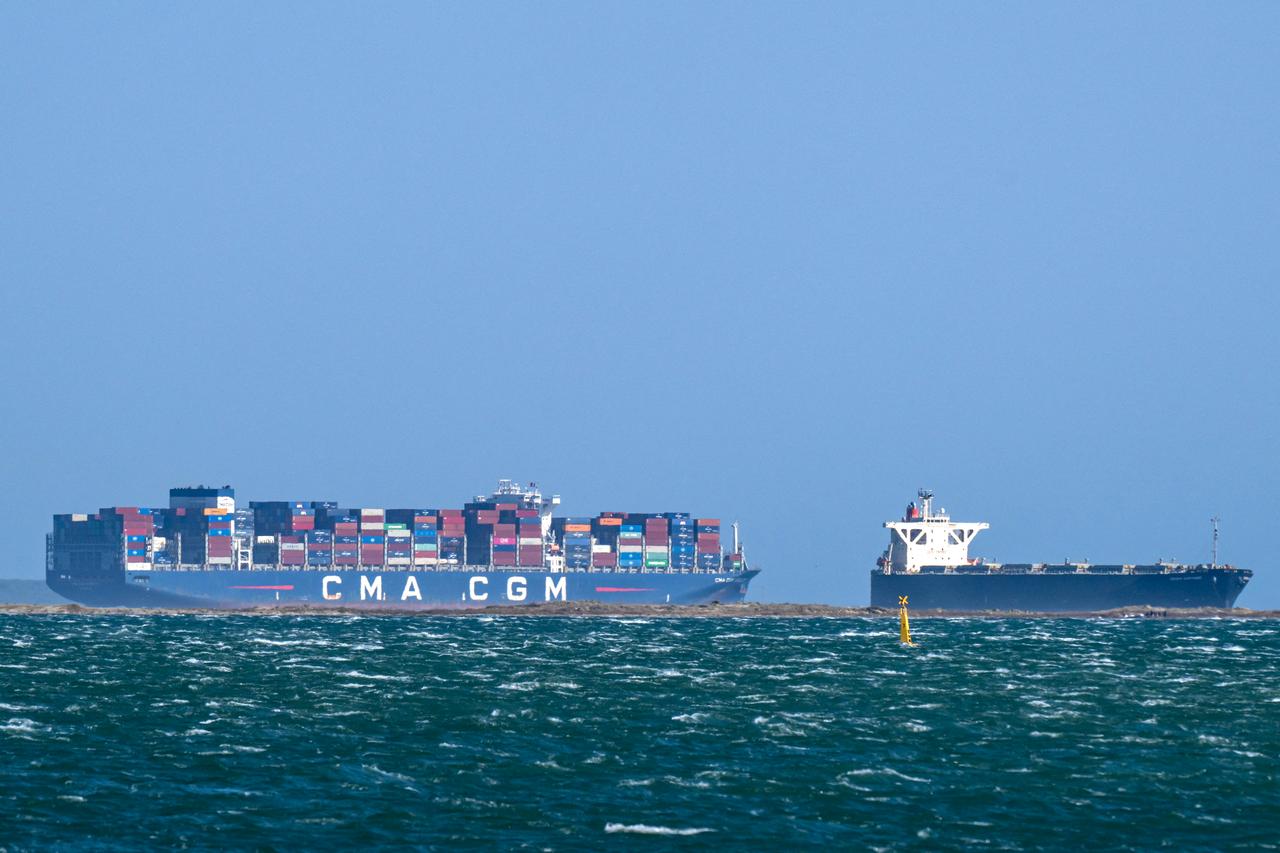
Traffic through the Strait of Hormuz, which typically carries about one-fifth of the world’s oil and gas, has slowed significantly due to Iranian attacks.
Gulf states are concerned Iran could attempt to maintain control over the waterway even after the war ends.
White House press secretary Karoline Leavitt said the U.S. is working to ensure ships can transit the strait freely “as quickly as we can.”
Senior Emirati minister Sultan al-Jaber said the situation is affecting global consumers.
“Iran holds Hormuz hostage, every nation pays the ransom, at the gas pump, at the grocery store, at the pharmacy,” he said after discussions with U.S. Vice President JD Vance in Washington.
The UAE’s position reflects a more hardline stance compared to other Gulf states.
The UAE and Bahrain were the only two Gulf countries to sign a joint statement with Western nations condemning Iranian attacks on commercial shipping and the effective closure of the strait.
Other Gulf states have expressed anger over Iranian attacks but have not formed a unified response.
Regional officials said Gulf countries are balancing calls for stronger U.S. action with concerns about escalation and the possibility of a sudden U.S. withdrawal.
They also fear a weakened but more radical Iranian government could emerge from the conflict.
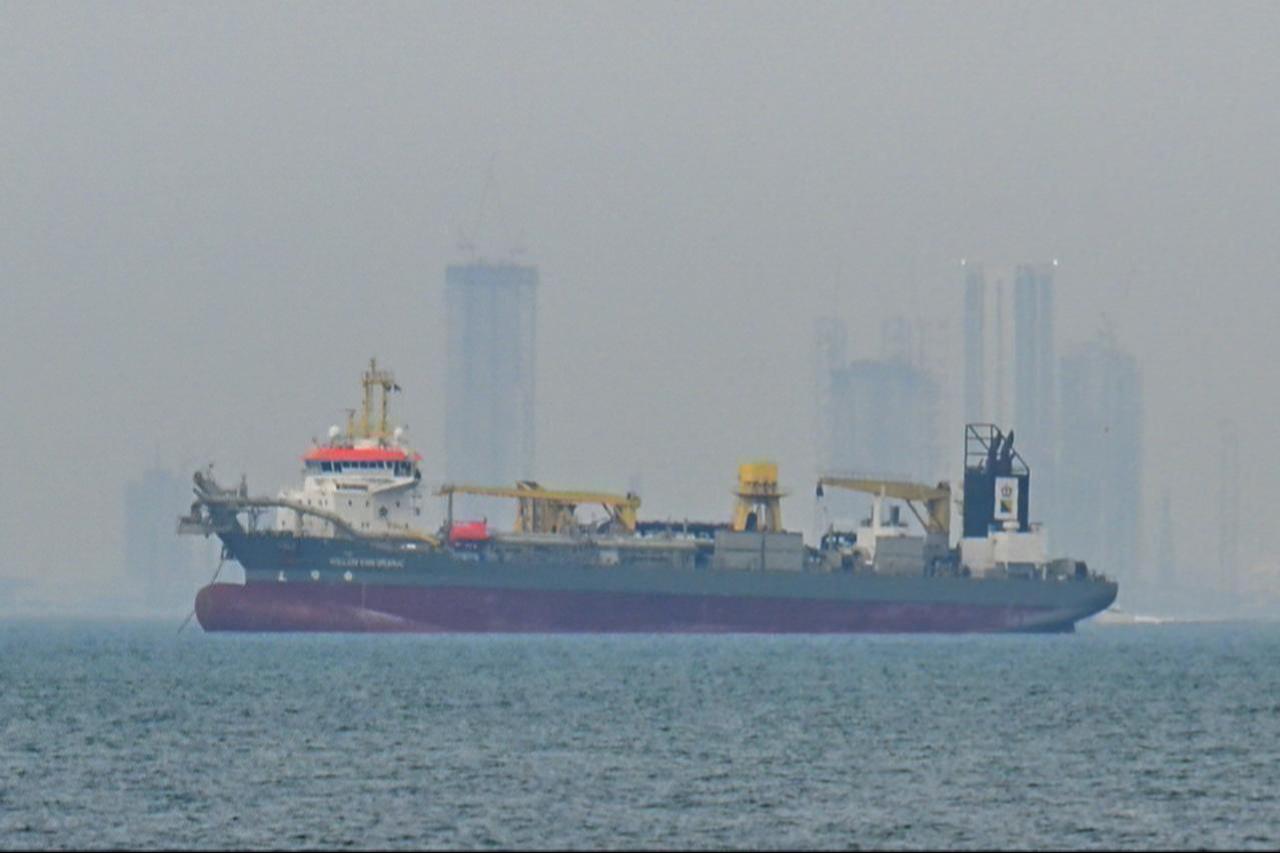

Some regional states are considering accelerating infrastructure projects, including pipelines and rail links, to transport energy resources overland to Oman or the Mediterranean.
Oman, which has publicly criticized the U.S. and Israel’s decision to go to war, said it is working “intensively to put in place safe passage arrangements for the Strait of Hormuz.”
Officials and analysts said Iran sees the strait as a key point of leverage in the conflict, giving it little incentive to reopen the waterway.


 Set as preferred source
 Set as preferred source


 1 min read
 1 min read



