Newsletters


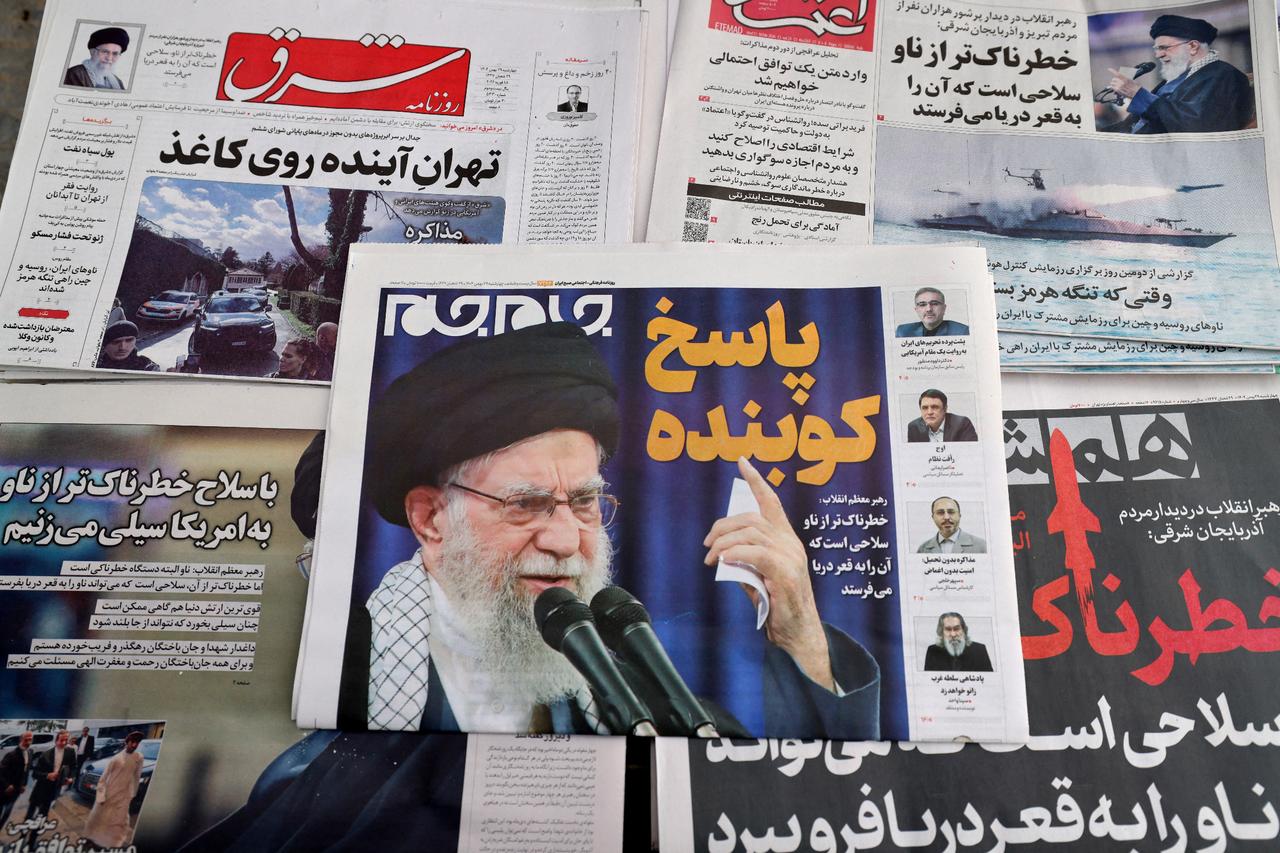


Regional media reports and Israeli analysis point to escalating tensions involving Iran, Hezbollah, Israel, and the U.S., amid ongoing nuclear negotiations between Washington and Tehran.
Saudi broadcaster Al-Arabiya, citing sources close to Hezbollah, reported that officers from Iran’s Revolutionary Guard Corps traveled to Lebanon to prepare Hezbollah for a possible war with the U.S. and Israel.
According to the report, Iranian officers were tasked with rebuilding Hezbollah’s military capacity, which was significantly weakened by Israeli attacks, and have been briefing members across Lebanon.
The report also referred to Israeli strikes in Lebanon’s Bekaa Valley that killed at least 12 people and injured 50, including a senior Hezbollah official. It said Iranian officers were meeting Hezbollah missile unit members during one such attack.
The report added that Lebanese officials are concerned about the possibility of a broader Israeli military offensive.
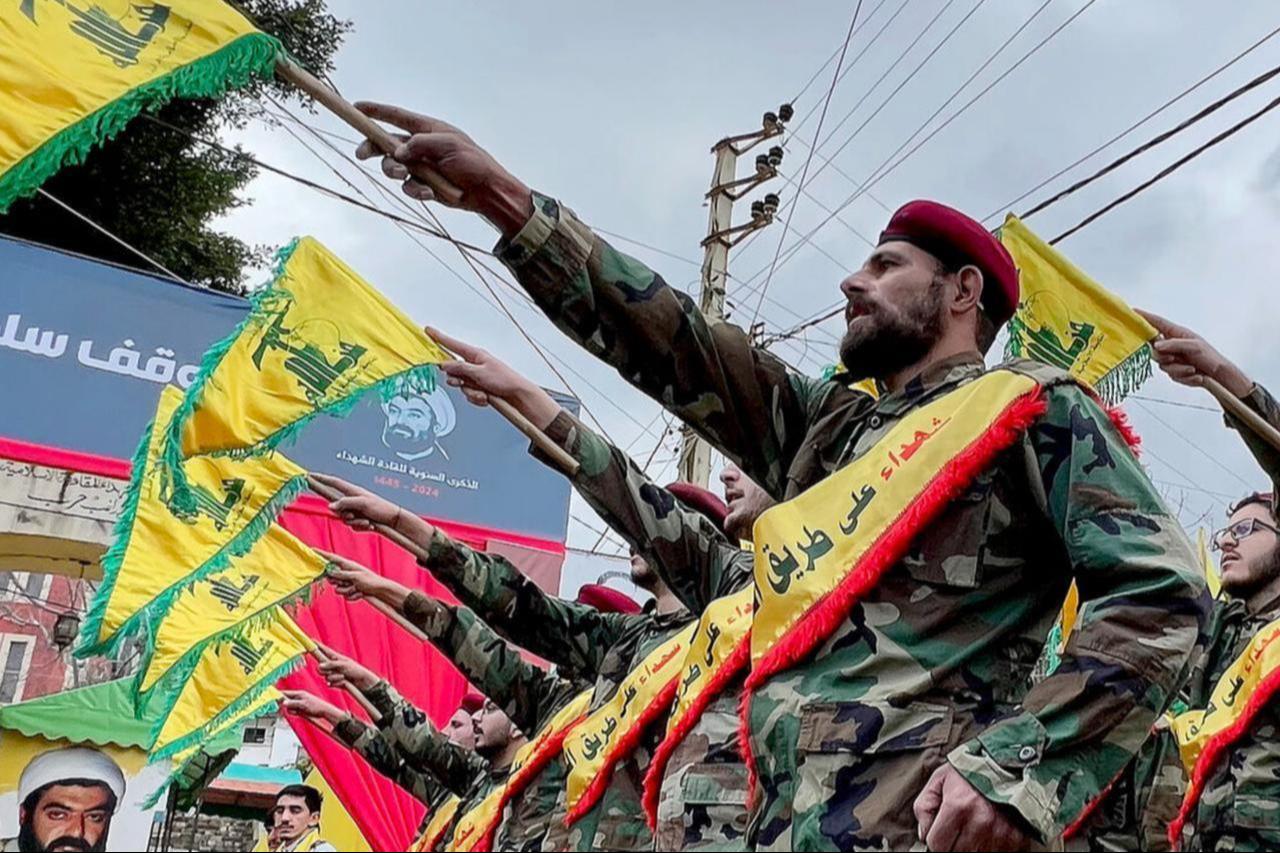

Separately, Israel’s public broadcaster KAN, citing unnamed security officials, reported that recent Israeli airstrikes in Baalbek in eastern Lebanon were prompted by “unusual” Hezbollah activity involving weapons systems and rockets.
The report claimed that in the event of a potential U.S.-Israeli strike on Iran, Hezbollah could target Israel from the north. It also alleged that Iran-backed groups in Iraq and the Houthis in Yemen could support retaliatory action.
Israeli warplanes struck the town of Riyak in Baalbek on Feb. 20, killing at least 10 people and injuring 30, according to initial reports. Lebanon’s National News Agency said Hezbollah buried eight members, including two senior figures, killed in Israeli airstrikes in the Baalbek-Hermel region.
Hezbollah Political Council Deputy Chairman Mahmoud Kamati described the attack as a “massacre,” saying, “We have no option but resistance.”
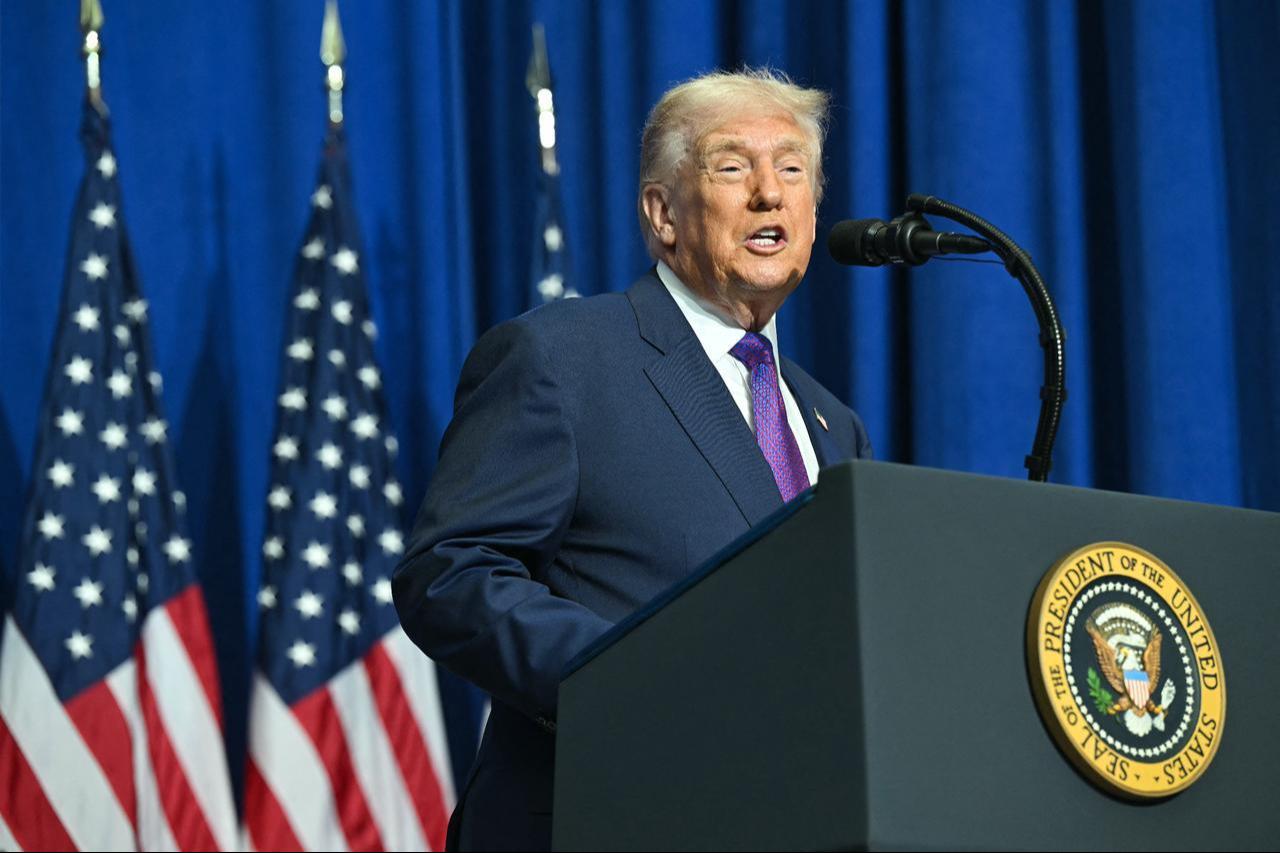
In an analysis published in Yedioth Ahronot, Israeli military analyst Ron Ben Yishai wrote that Israel would play a “central role” in any potential U.S. attack on Iran through its air force, Military Intelligence Directorate (AMAN) and Mossad.
Ben Yishai said U.S. President Donald Trump remains committed to exhausting negotiations to permanently prevent Iran from developing nuclear weapons, but has shifted his policy toward using force if talks fail.
Citing unnamed U.S. sources, he wrote that Trump decided in favor of a prolonged, overwhelming operation rather than a quick strike after being persuaded that a short campaign would not achieve strategic objectives.
Ben Yishai argued that even after an initial strike, Iran would retain significant ballistic missile and drone capabilities and could threaten the Strait of Hormuz, 11 U.S. bases in the region, and Israel.
He said Hezbollah, the Houthis, and Iraqi militias could attempt to assist Iran, although he described Hezbollah as reluctant to enter a war fully. According to the analysis, Israel would assume responsibility for dealing with fronts in Lebanon and Yemen.
Ben Yishai also wrote that the Pentagon and U.S. Central Command (CENTCOM) are likely to advise Trump to wait until the end of Ramadan before launching any action, citing heightened religious sentiment during the period.
He further claimed that Israeli Prime Minister Benjamin Netanyahu secured Trump’s approval for Israel to act against Iranian ballistic missile facilities if a future agreement does not sufficiently limit Iran’s missile program.
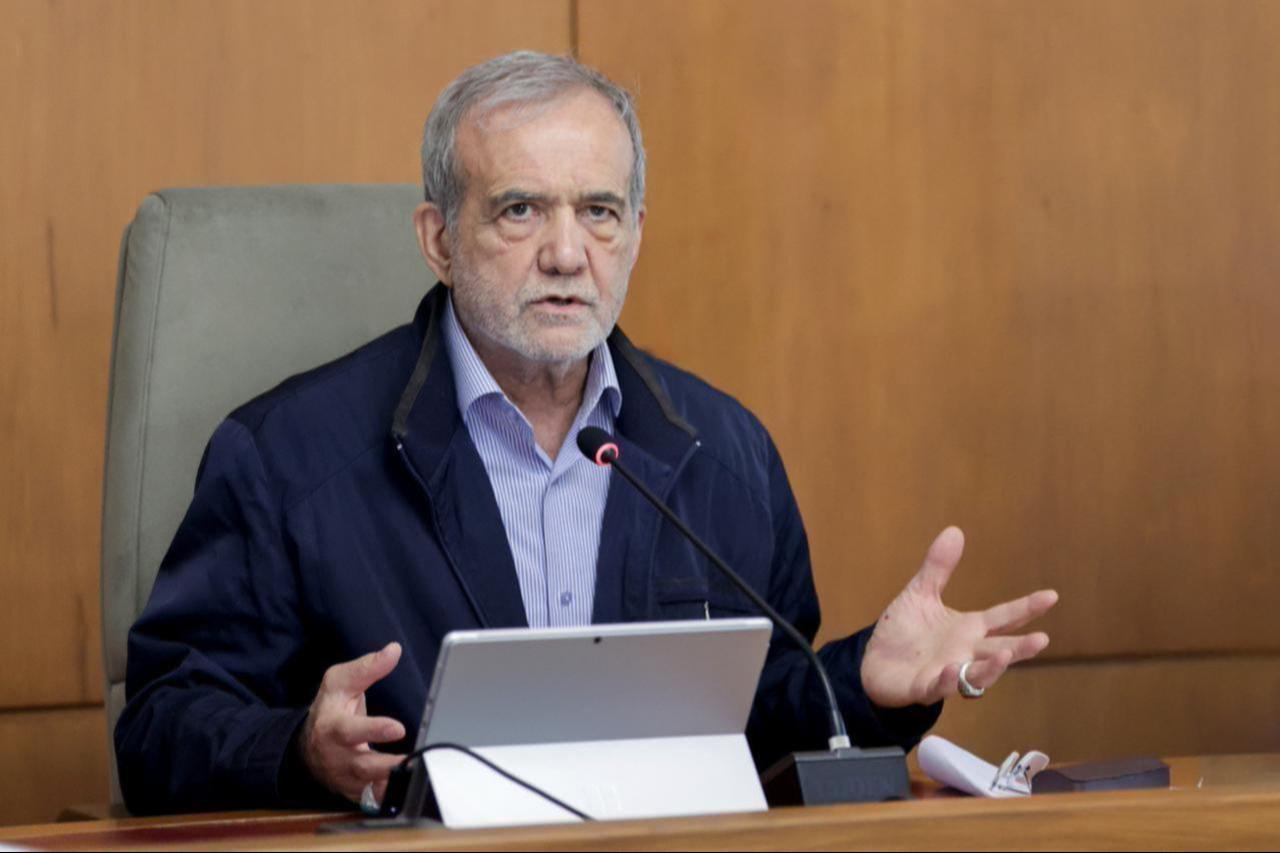
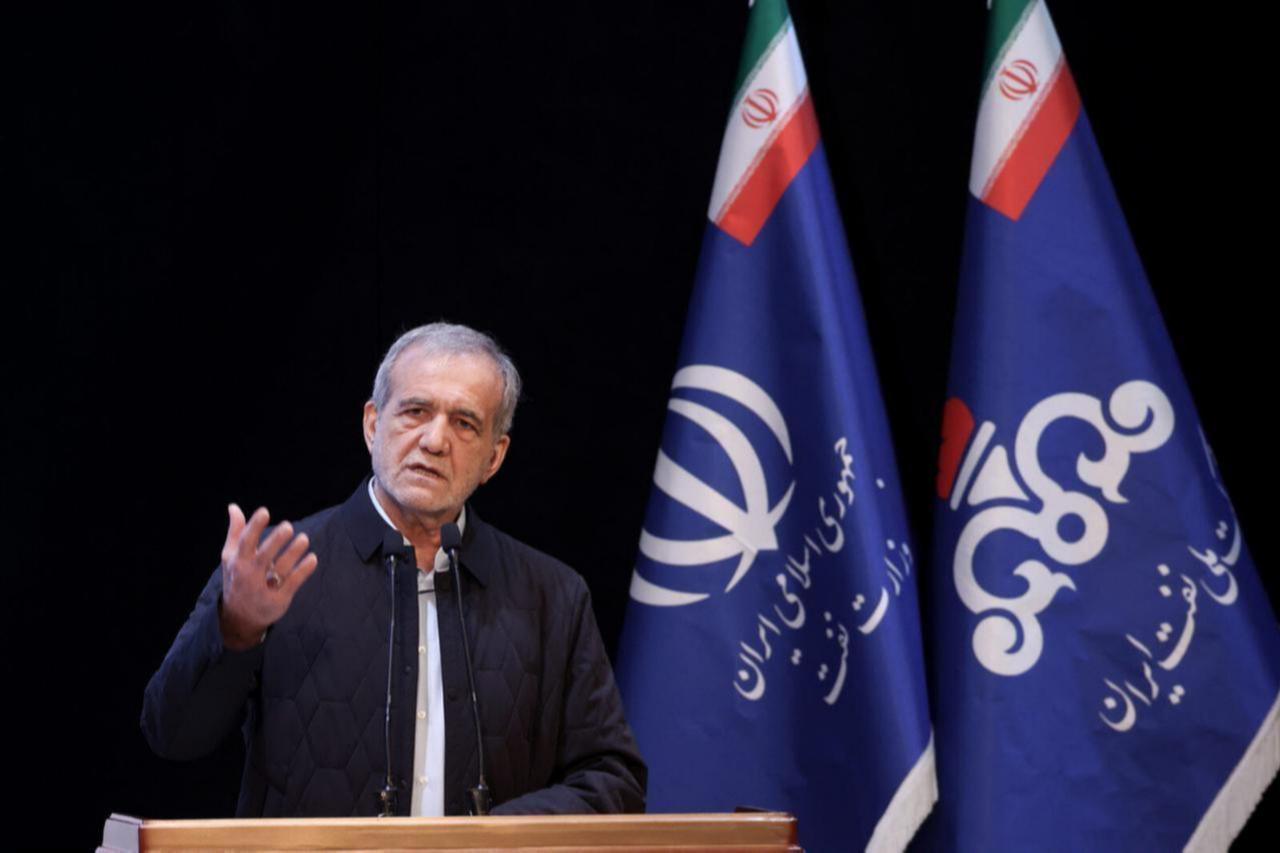
Meanwhile, Iranian President Masoud Pezeshkian said external powers are trying to force Iran into submission, but that the country will not yield to pressure.
Speaking at a ceremony in Tehran honoring Paralympic medalists, Pezeshkian stressed national unity and resilience in the face of challenges.
“The world is cowardly and bullying us to force us into submission, but just as you did not bow to difficulties, we will not bow to these problems,” he said, according to Iran’s official news agency IRNA.
Pezeshkian called on the nation to stand united and said efforts would continue to address shortcomings and overcome difficulties.
Regional tensions continue to rise as nuclear negotiations between the U.S. and Iran proceed alongside security developments involving Israel and Hezbollah.


 Set as preferred source
 Set as preferred source


 1 min read
 1 min read