Newsletters


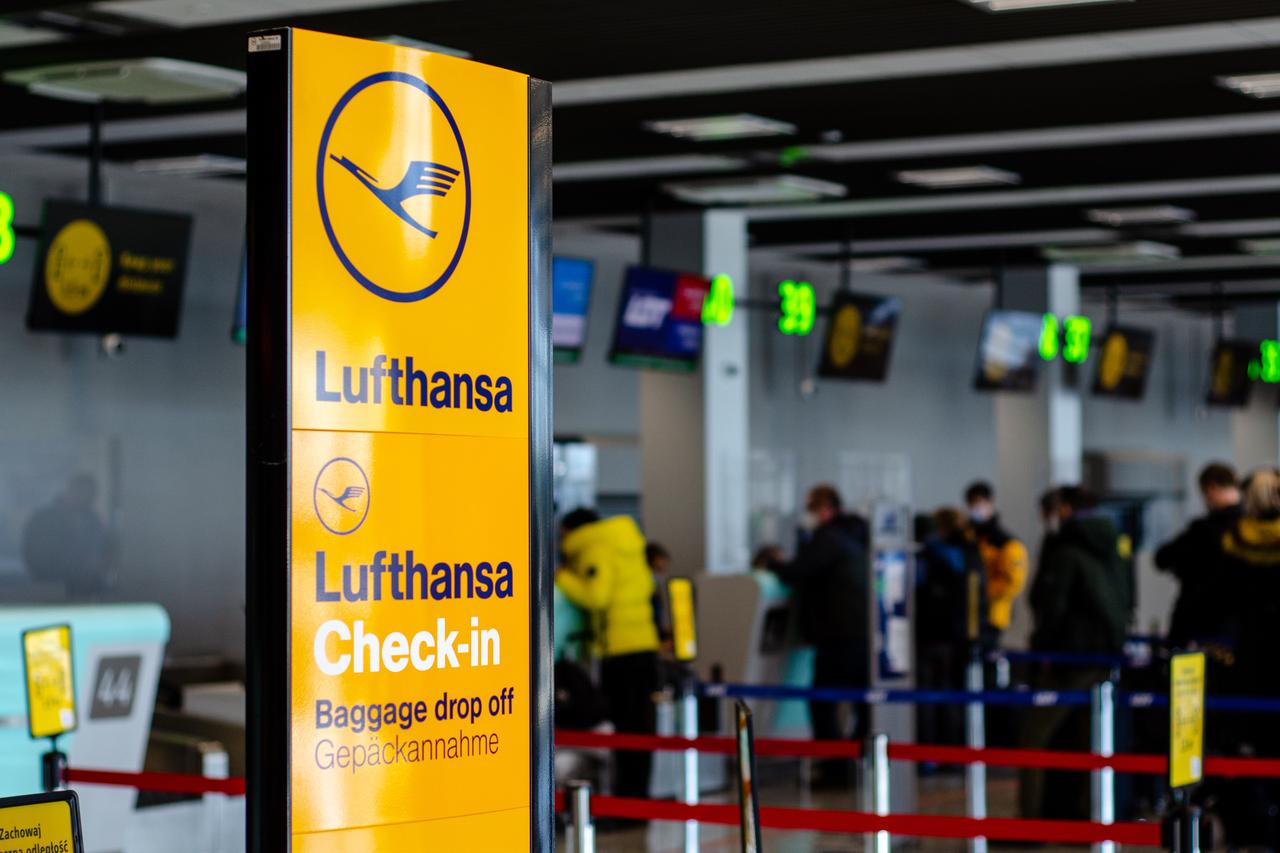


German aviation giant Lufthansa warned Friday that the unfolding conflict in the Middle East is increasing uncertainty for the global aviation industry, as regional airspace closures disrupt flight routes and energy markets face rising volatility.
The war in the Middle East began last weekend with U.S.-Israeli attacks on Iran, which triggered retaliatory strikes from the Islamic Republic.
Israel and the United States have continued a large-scale offensive on Iran since Saturday, while Tehran has responded with drone and missile attacks targeting Israel and Gulf countries hosting U.S. military assets.
The conflict has caused what analysts describe as the most significant disruption to global air traffic since the COVID-19 pandemic.
“Developments in the Middle East and the associated geopolitical consequences for the global economy increase the medium- and long-term forecast uncertainty,” Lufthansa said as it outlined its outlook for 2026.
The company also warned that disruptions to supply routes through the Strait of Hormuz are adding pressure to global energy markets.
“Disruptions to supply chains in the Strait of Hormuz are leading to increased volatility in the oil markets,” the group said.
Despite the geopolitical uncertainty, Lufthansa said it has seen a surge in demand for long-haul travel since the conflict began.
The airline group reported a “sharp rise in demand for long-haul flights,” particularly on routes connecting Europe with Asia and Africa.
Lufthansa operates several major European carriers, including Eurowings, Austrian Airlines, Swiss International Air Lines and Brussels Airlines, and also holds a stake in Italy’s ITA Airways.
The aviation group also released its financial results for 2025 on Friday, reporting a slight decline in net profit.
Net income fell about 3% to €1.34 billion ($1.55 billion), as the company implemented a broader restructuring and turnaround program aimed at strengthening profitability and operational efficiency.


 Set as preferred source
 Set as preferred source


 1 min read
 1 min read