Newsletters


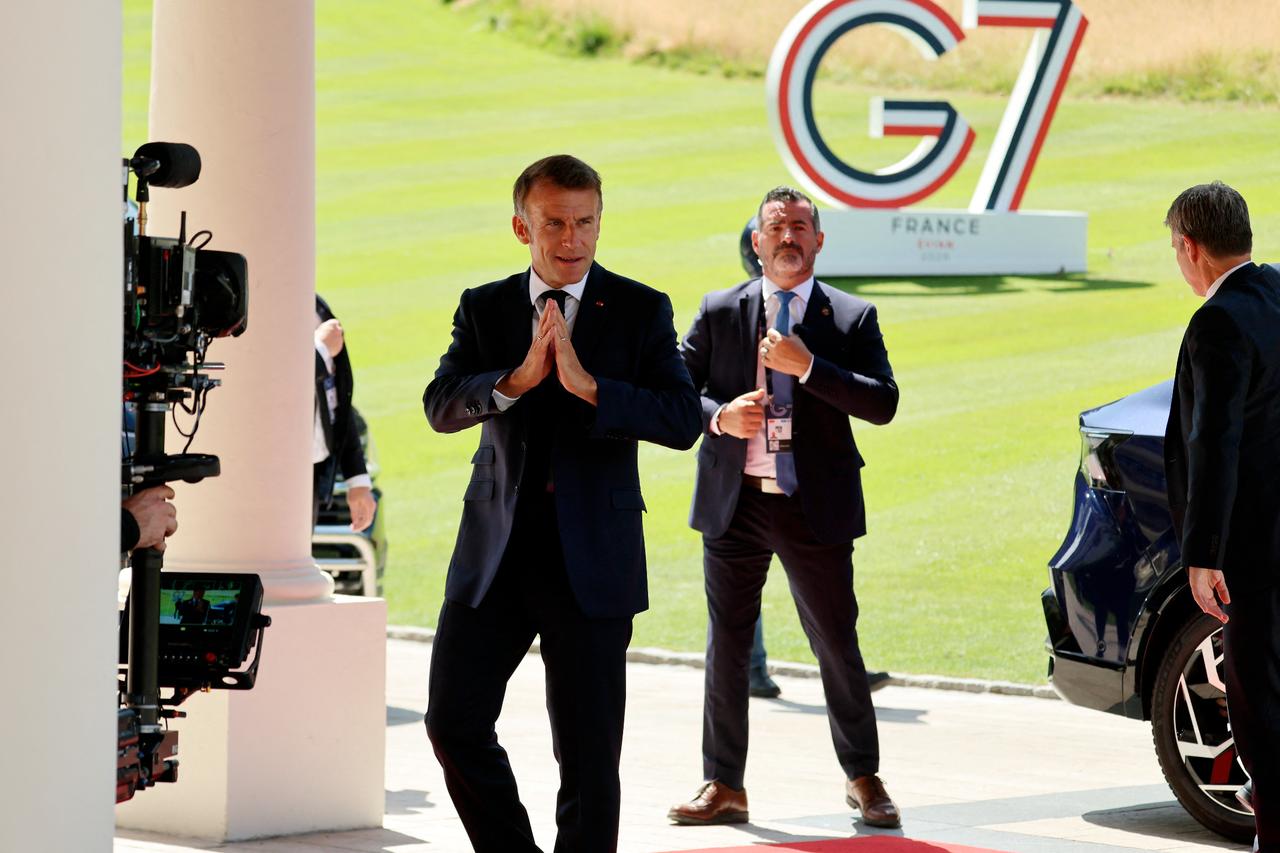


French President Emmanuel Macron said Monday that he would hold a “respectful but firm discussion” with U.S. President Donald Trump over threatened tariffs on French wine and champagne, while using the G7 summit to push for implementation of the U.S.-Iran agreement and the peaceful reopening of the Strait of Hormuz.
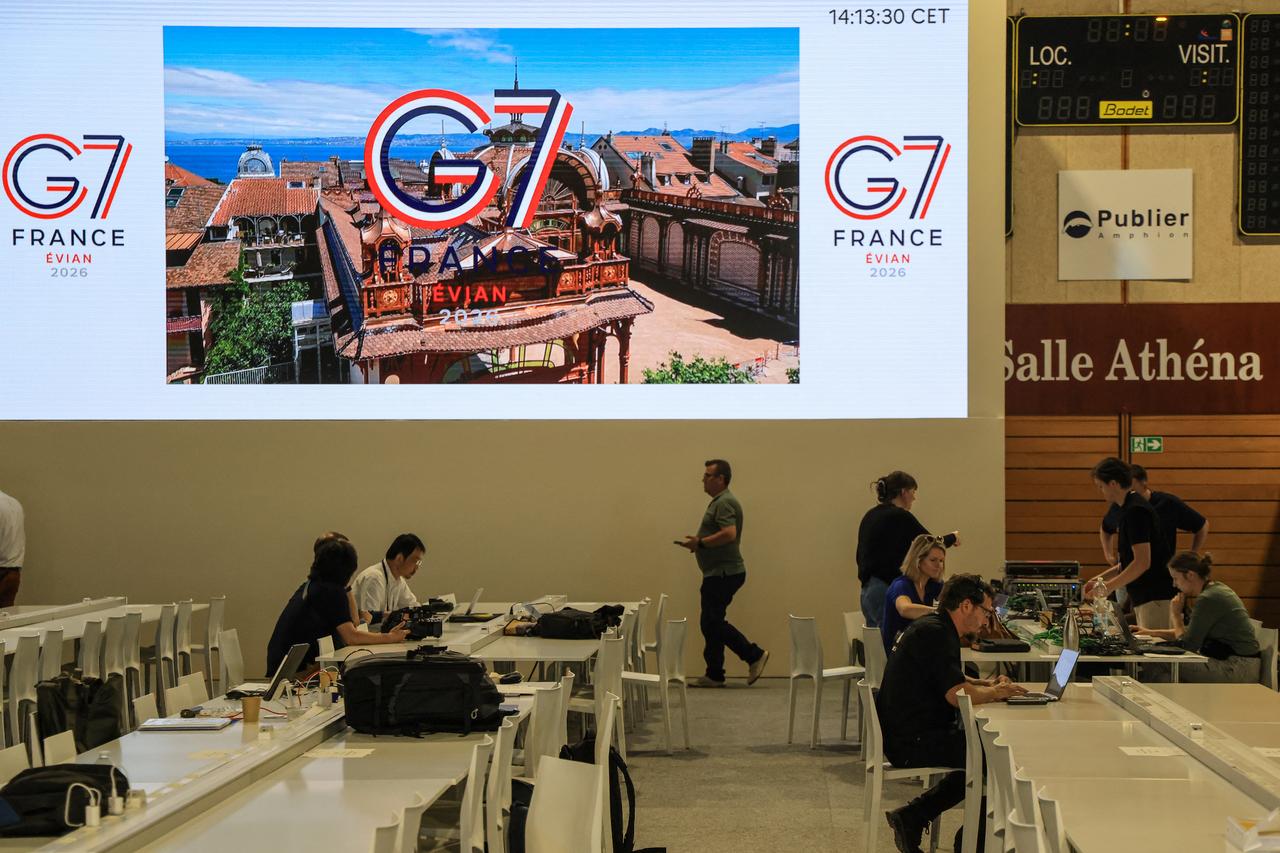
Macron spoke to French broadcaster TF1 before welcoming Trump and other leaders to the June 15-17 summit in Evian-les-Bains, on the shores of Lake Geneva.
Trump reportedly threatened to impose a 100% tariff on French wine and champagne unless Paris withdrew its digital services tax on technology companies.
“We will have a respectful but firm discussion,” Macron said.
“Tariffs don’t do anyone any good, especially tariffs between G7 countries,” he added, calling for stability in international trade.
Macron said Washington could not determine French or European tax policy.
“It is not up to the United States to decide on the laws of Europeans, nor of the French,” he said.
“The U.S. will not decide French tariffs. At least as long as I am here, that will not happen.”
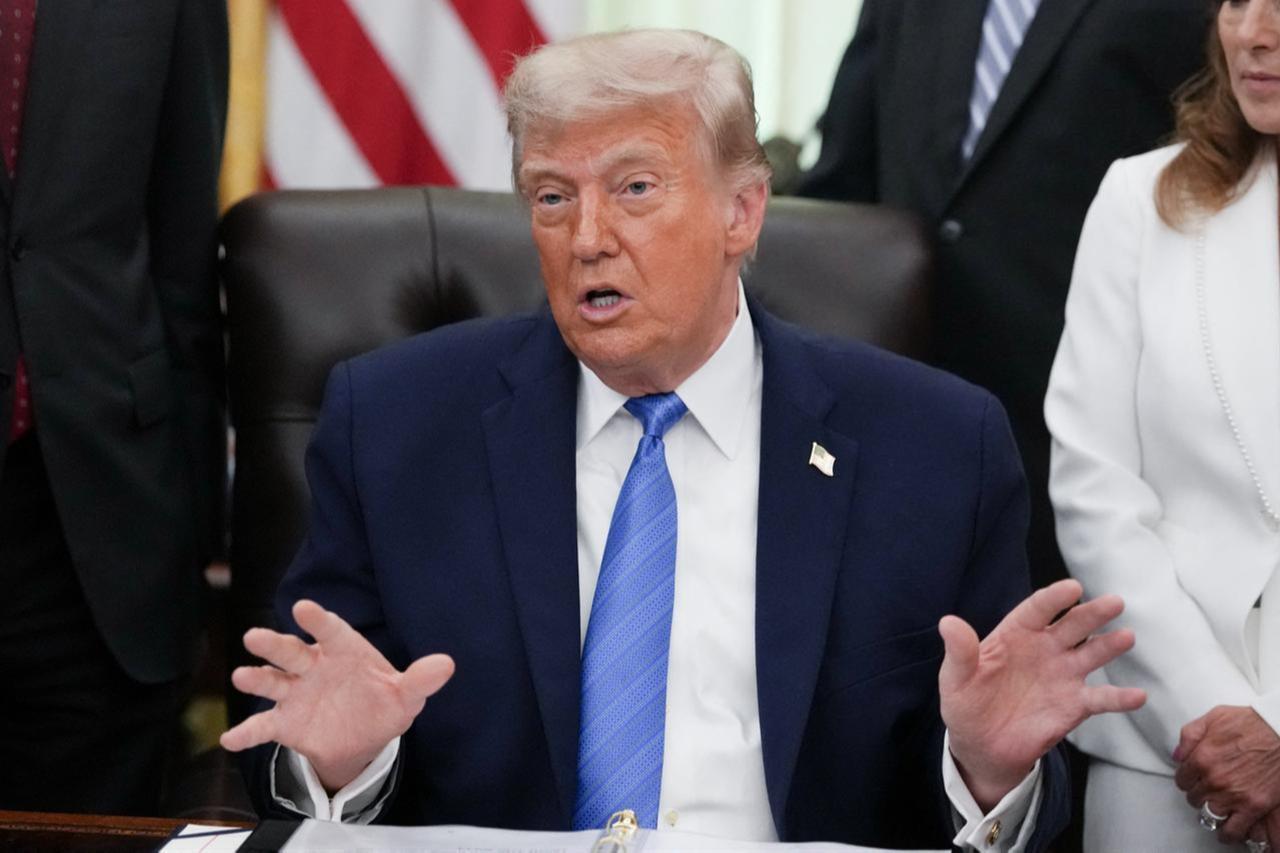
Trump was expected to begin his G7 visit with talks with Macron at 3 p.m. GMT, followed by a working dinner with summit participants.
Gabriel Picard, president of the French Federation of Wine and Spirits Exporters, described Trump’s tariff threat as “bad news.”
France introduced a 3% tax in 2019 on revenue earned within the country by major technology companies, including U.S. firms such as Facebook, Amazon, Apple and Google parent Alphabet.
Macron said the measure formed part of French law and had also been adopted by several European countries.
“This digital tax was decided by Europeans,” Macron said. “Several countries have implemented it. It is part of our law.”
He said tariffs between G7 members would not benefit either side and stressed the need for stable trade relations.
Macron’s meeting with Trump was expected to address the tariff dispute alongside the U.S.-Iran agreement, the Strait of Hormuz, Ukraine and other issues on the G7 agenda.
Macron said he would also meet Trump and Ukrainian President Volodymyr Zelenskyy during the summit and repeated that the G7 would seek to increase pressure on Russia.
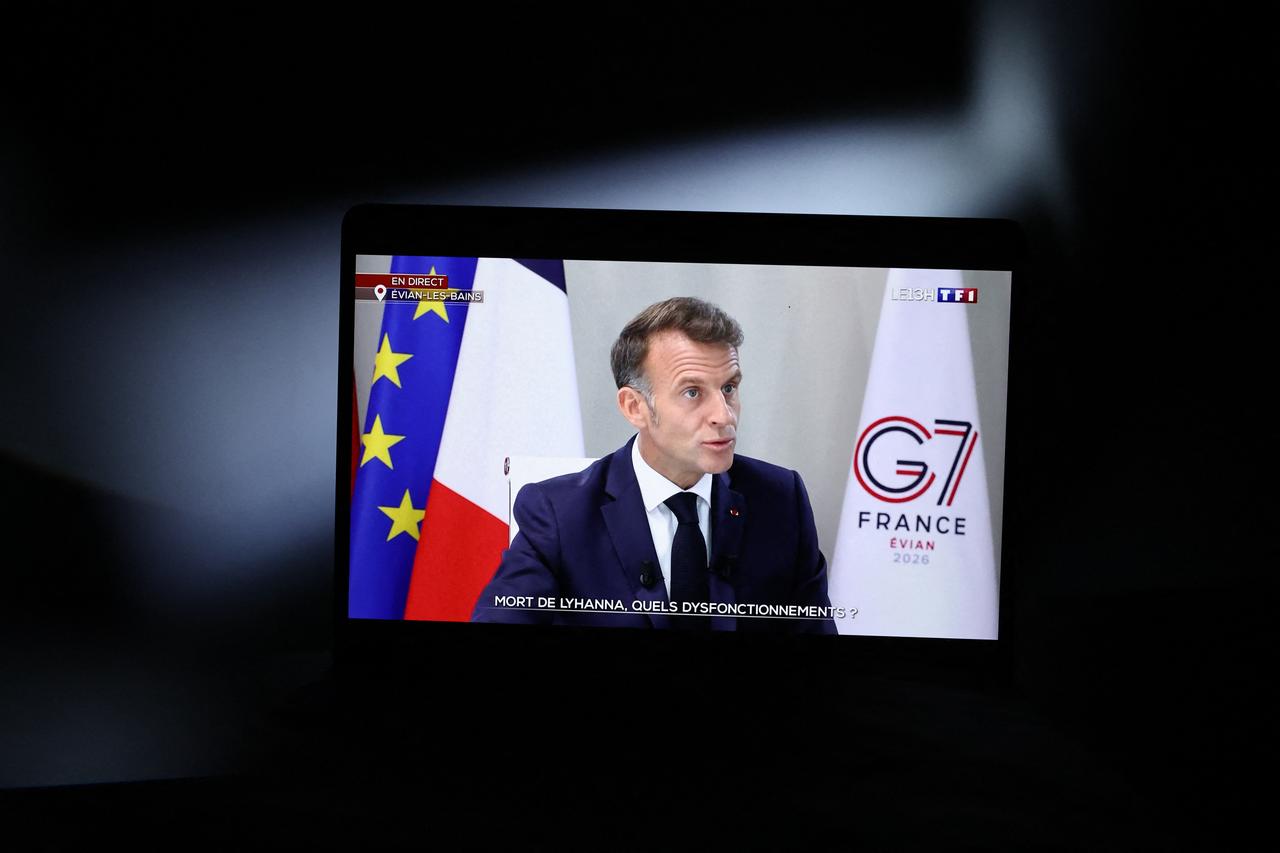

Macron described the framework agreement reached between the U.S. and Iran after months of conflict as a positive development.
“Tomorrow, at the G7, we will have a session on Iran,” Macron said. “We will do everything to ensure that this agreement is implemented and that peaceful navigation is restored in the Strait of Hormuz.”
The agreement opened 60 days for broader negotiations.
Macron said the priority was to finalize a serious and credible agreement addressing Iran’s nuclear and ballistic missile capabilities.
He said Iran’s enriched uranium should either be transferred to a third country or diluted and placed under the supervision of the International Atomic Energy Agency.
“Our priority is the completion of a solid and serious agreement,” Macron said.
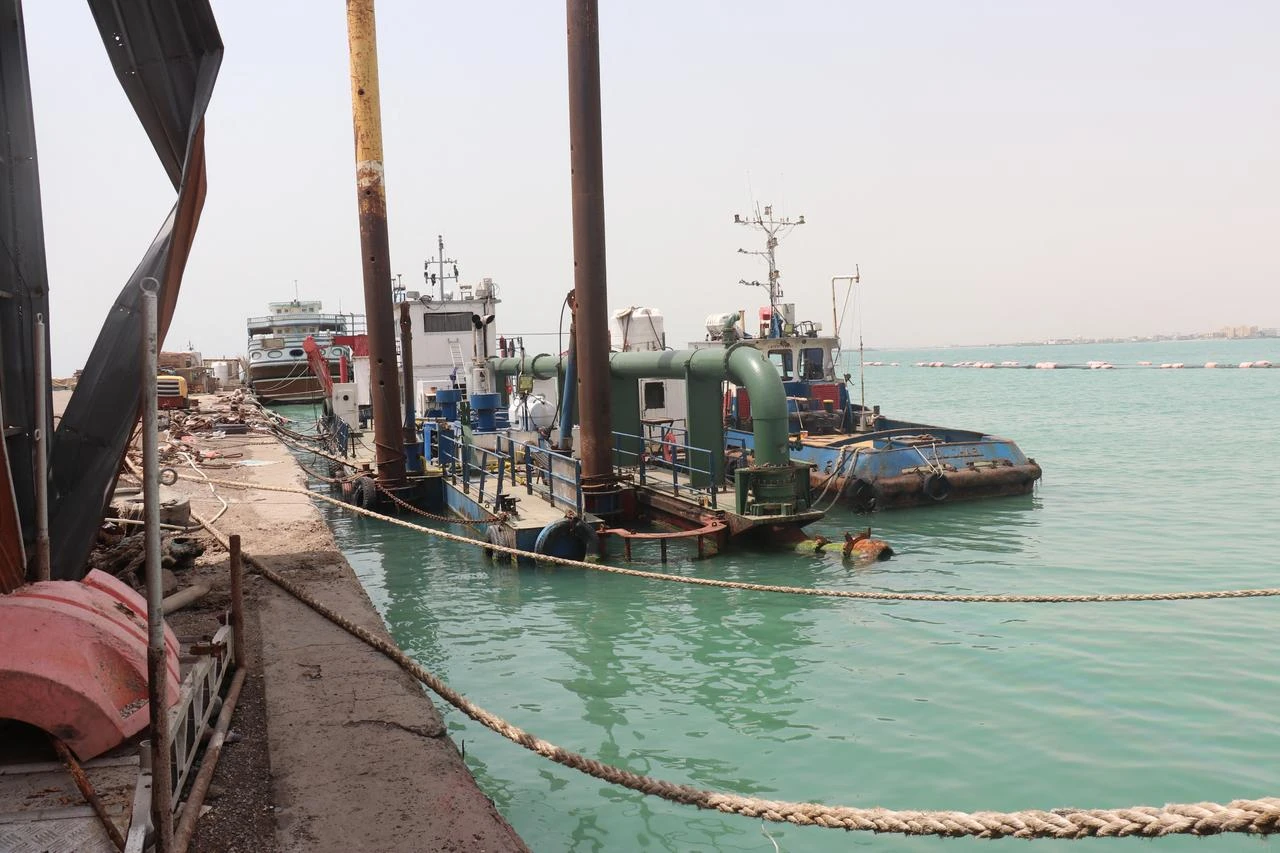
He also opposed charging vessels tolls to pass through the Strait of Hormuz, arguing that such a measure would violate international law and set a precedent for other strategic waterways.
“We will do everything to ensure that there is no toll,” Macron said.
He added that G7 countries would also seek alternative supply routes to reduce their dependence on the strait.
Macron said restoring freedom of navigation and supply chains could help reduce fuel prices, although he warned that the process could take several weeks.
Macron said France and Britain had established a peaceful, defensive mission to support the reopening of the Strait of Hormuz.
Several countries, including the Netherlands and Italy, already had forces in the area, he said.
“We are ready to act very quickly: to send aircraft, to send a frigate, to send mine-clearance teams,” Macron said.
France’s Charles de Gaulle aircraft carrier, which was moved from the eastern Mediterranean toward the Red Sea, could be deployed to the area within two to three days after confirmation, he said.
Macron added that the first surveillance flights could begin as early as Tuesday.
France and Britain would coordinate with the U.S. and Iran to ensure the waterway reopened peacefully and remained open, he said.
Oman had already agreed to the proposed vessel escorts, according to Macron.
“If the coming days show that this is working, we will therefore deploy together with the British,” he said. “We will lead this mission.”
Macron said French forces could begin contributing to stabilization efforts within hours once the necessary agreement was secured from all parties.
Trump was expected to arrive Monday afternoon for talks with the leaders of France, Canada, Germany, Italy, Japan and Britain.
European Commission President Ursula von der Leyen and European Council President Antonio Costa were also expected to attend.
Invited leaders included Zelenskyy, Indian Prime Minister Narendra Modi, Brazilian President Luiz Inacio Lula da Silva and the leaders of South Korea, Kenya and Egypt.
Qatar’s Emir Sheikh Tamim bin Hamad Al Thani and United Arab Emirates President Sheikh Mohamed bin Zayed Al Nahyan were also expected at the summit.
Macron said the G7 would work to ensure the U.S.-Iran framework was fully implemented, maritime traffic resumed peacefully and negotiations produced a lasting agreement.
He also announced that restrictions on social media use for children under 15 would take effect during the new school year.
Macron said the French Parliament would approve the legislation before July 15 and that existing social media accounts belonging to children under 15 would be closed by the end of the year.


 Set as preferred source
 Set as preferred source


 1 min read
 1 min read