Newsletters


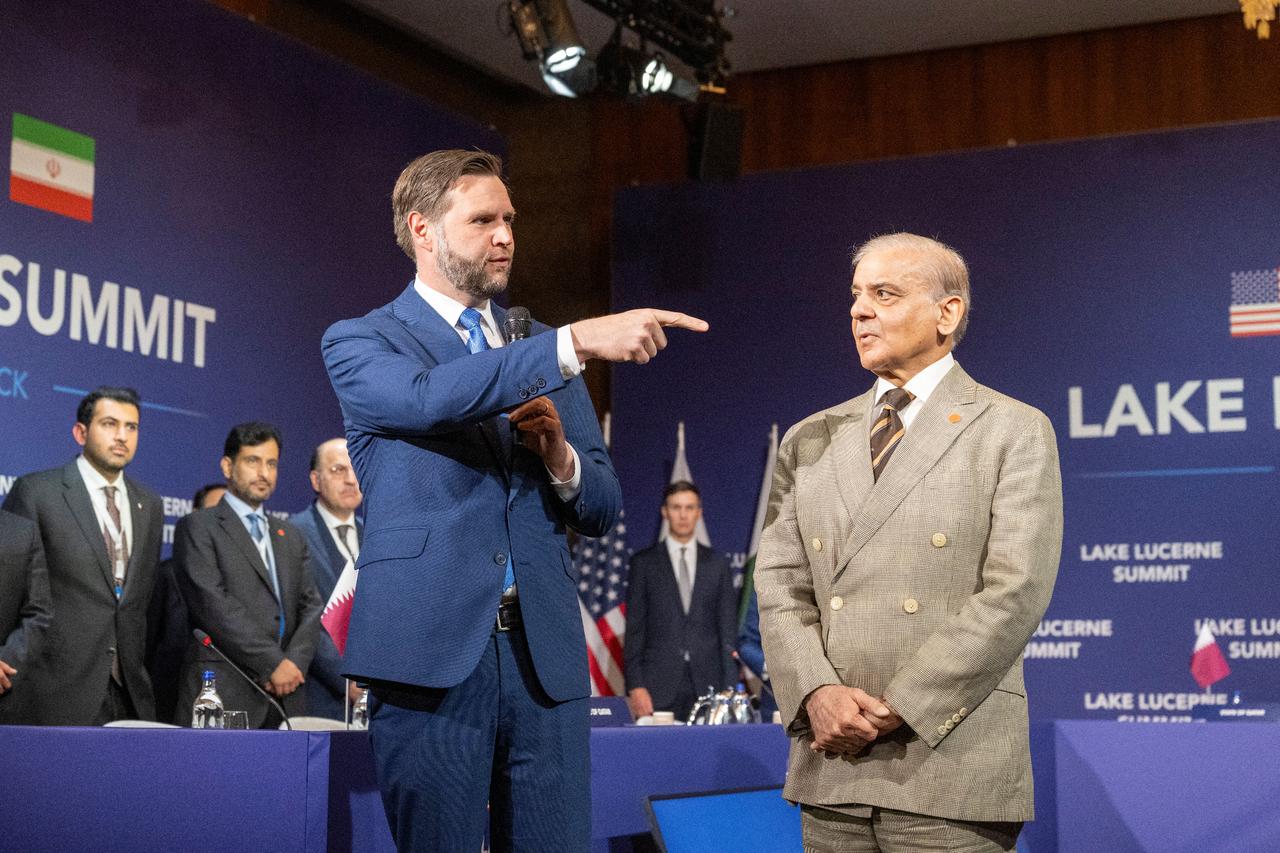


Iranian and U.S. technical teams working on the implementation of an interim peace deal are expected to meet in Doha in the coming days, a source with knowledge of the discussions reportedly told Reuters on Monday, after weekend strikes threatened to derail the fragile accord.
The source said mediators had established communication channels to de-escalate any incidents and that technical talks were set to continue. However, a senior Iranian official was reported as saying the technical meetings were not confirmed.
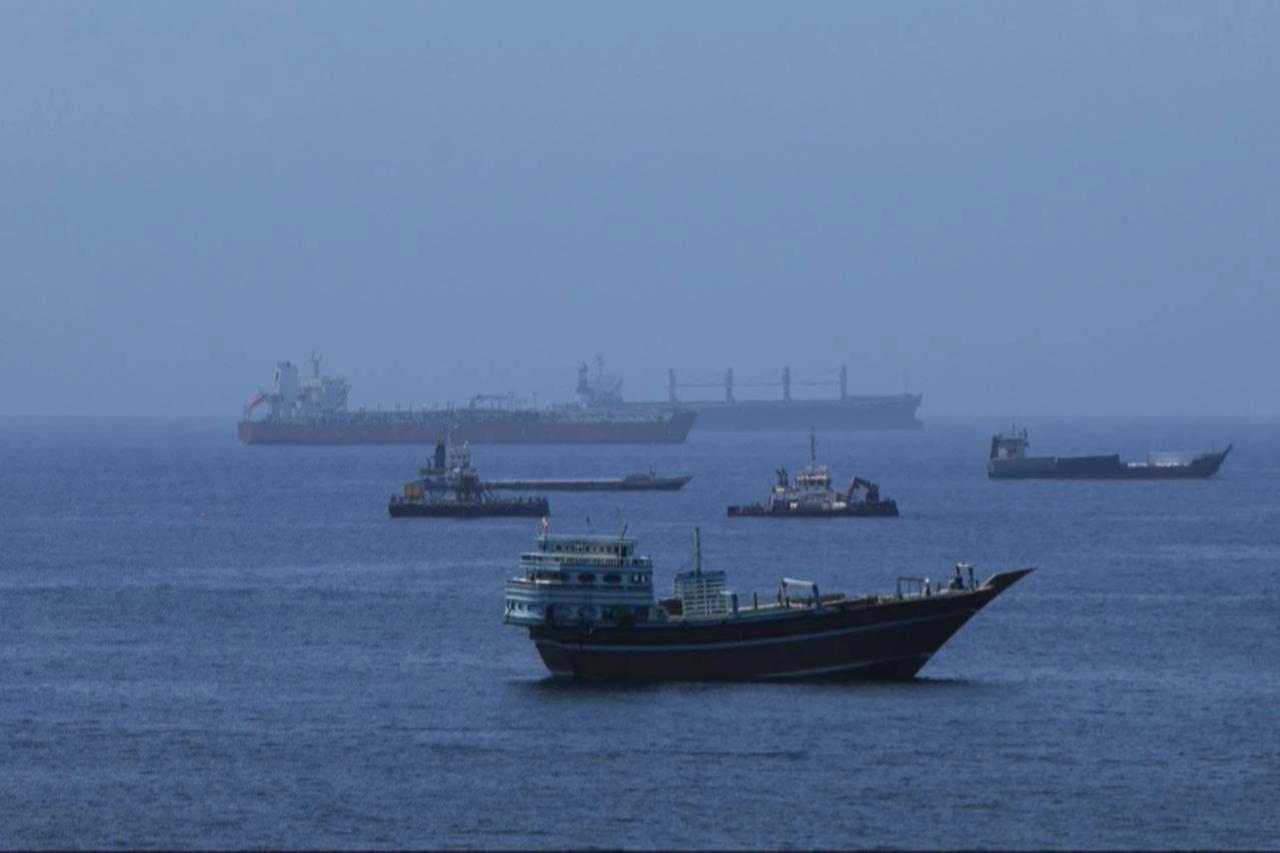
The U.S. and Iran signed a 14-point memorandum of understanding on June 17 aimed at ending four months of conflict. Under the accord, both sides agreed to cease hostilities and reopen the Strait of Hormuz, through which a fifth of the world's oil and liquefied natural gas typically transits.
The closure of the waterway sent oil prices above $100 a barrel, triggering a renewed spike in global inflation and causing a political challenge for U.S. President Donald Trump by pushing up prices at the pump months before midterm elections.
The accord paves the way for 60 days of more detailed talks on difficult issues, including Iran's nuclear program, although both sides have given conflicting accounts of what was agreed.
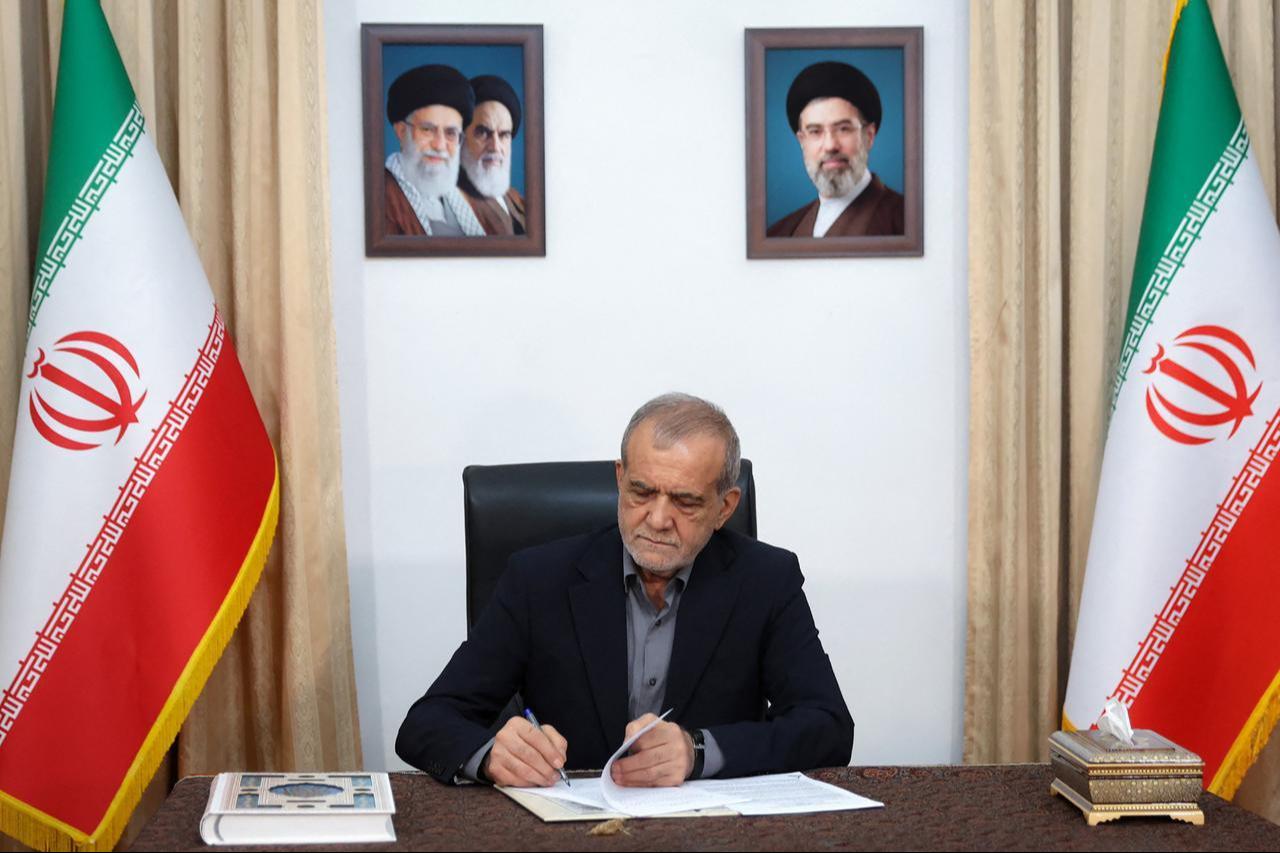

Iranian Deputy Foreign Minister Kazem Gharibabadi said Monday that technical working group meetings were not scheduled for this week and that talks in Qatar were not confirmed, according to Iran's Tasnim news agency.
Consultations with Qatar, including on following up on the implementation of the other side's commitments, were continuing as usual, he said.
A U.S. official told Reuters on Sunday that the two sides had agreed to stop hostilities.
"Technical talks are slated to continue on all areas of the MoU. Both sides will stand down for now and vessels can move freely," the official said.
Iranian President Masoud Pezeshkian said Monday that $6 billion out of $12 billion in Iranian assets frozen in Qatar would be released following the accord and returned to Iran, Iranian state media reported.
He added that the recent agreement had lifted sanctions on Iran's oil and petrochemical sectors, describing it as "a great victory for the Iranian people."
Oil prices steadied at around $72 a barrel for Brent crude on Monday on news of a return to diplomacy.
Analysts at ING said "this complacency is odd," given the high risks still facing the oil market.
A return to talks would follow several days of strikes and counterstrikes since an Iranian projectile hit a cargo vessel in the Strait of Hormuz on Thursday, with both the U.S. and Iran accusing the other of breaking the interim ceasefire.
Iran launched missiles and drones at U.S. military sites in Kuwait and Bahrain early Sunday, shortly after Trump issued his latest threat against Iran.
"There may come a point when we are no longer able to be reasonable, and will be forced to militarily complete the job that we very successfully started," Trump said on social media.
"If that happens, the Islamic Republic of Iran will no longer exist!" he added.
About an hour after Trump's post, Kuwait's army said its air defenses were responding to missile and drone attacks, while Bahrain said sirens had sounded there.
Iran's Islamic Revolutionary Guard Corps said its navy and air forces had launched missile and drone operations targeting U.S. military sites in Kuwait and Bahrain.
The Guards said U.S. strikes had violated the ceasefire and said American bases in the region would "experience hell in the coming days."
Hours later, alarms sounded for a second time in Bahrain, where authorities said an Iranian attack damaged a residential building. Bahrain urged the U.N. Security Council to hold an urgent session to hold Iran accountable.
The Kuwaiti army said it had intercepted two ballistic missiles with no damage or casualties.
Lebanon's Parliament Speaker Nabih Berri, a key ally of Iran-backed Hezbollah, attacked a U.S.-brokered agreement between Lebanon and Israel aimed at halting a parallel war there.
Berri warned Monday that the deal could lead to attempts to divide Lebanese people and said it would not be implemented.
The latest round of conflict in Lebanon began after Hezbollah struck Israel early in the war, saying it was acting in support of its backer Iran. Israel's response has led to mass displacement and more than 4,000 deaths in Lebanon.
Tehran has said ending that conflict and withdrawing Israeli troops from southern Lebanon are an integral part of any deal reached with the U.S. to end the wider war that began with U.S.-Israeli strikes on Iran on Feb. 28.
Israel said Sunday it had struck Hezbollah and destroyed underground infrastructure. The strike followed another Israeli strike Saturday, shortly after its most recent ceasefire deal with Lebanon on Friday.


 Set as preferred source
 Set as preferred source


 1 min read
 1 min read