

 Newsletters


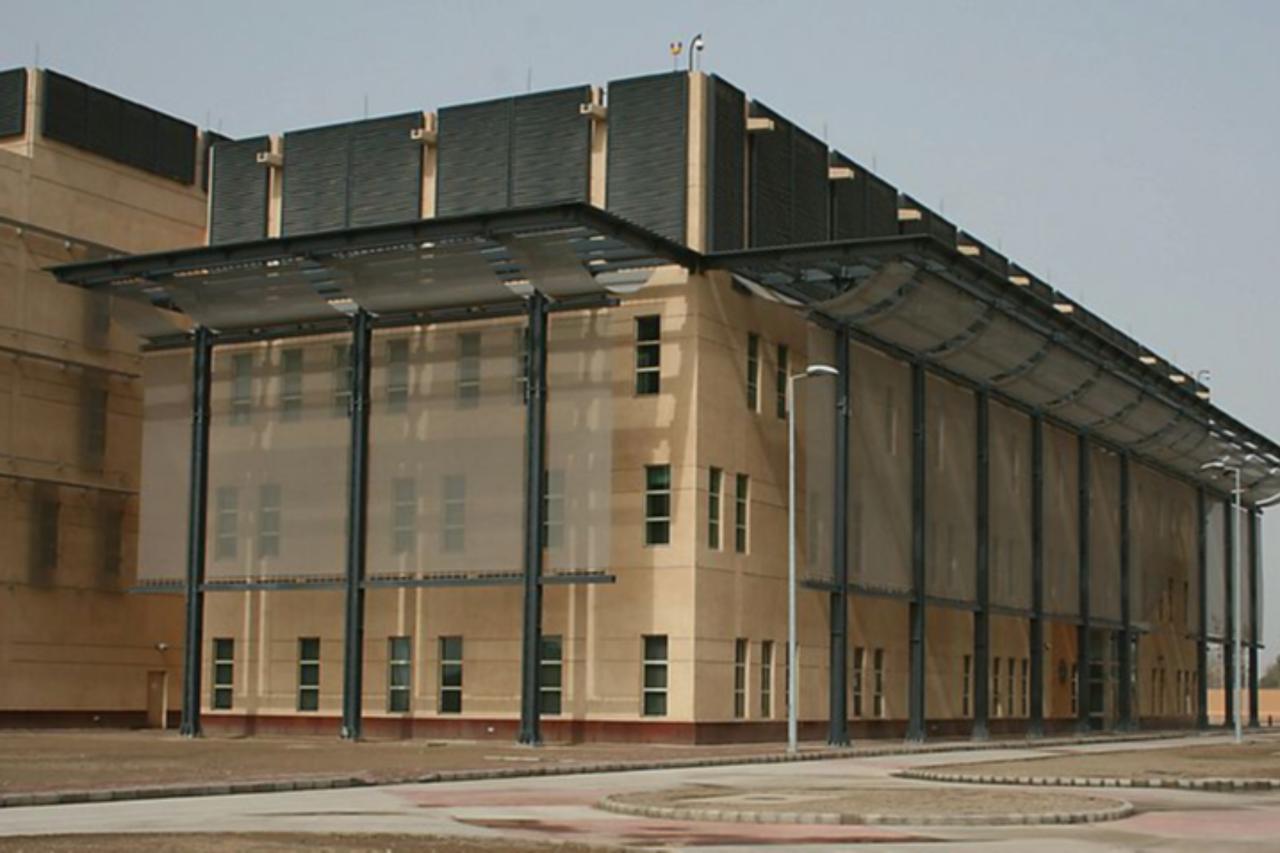


Missiles strike U.S. Embassy compound in Baghdad as C-RAM defense system reportedly fails to intercept incoming fire, marking the latest significant attack on Washington's diplomatic mission in Iraq since the outbreak of the U.S.-Israel war against Iran on Feb. 28.
Reports of impacts inside the Green Zone on March 7 came as the U.S. Embassy had already issued its most urgent security alert of the conflict, warning of ongoing riots, protests, and violent demonstrations against the United States, particularly near the July 14th Bridge and Tahrir Square.
The embassy has suspended all routine consular services and told Americans not to attempt to visit the compound or the consulate in Erbil due to heightened security measures.
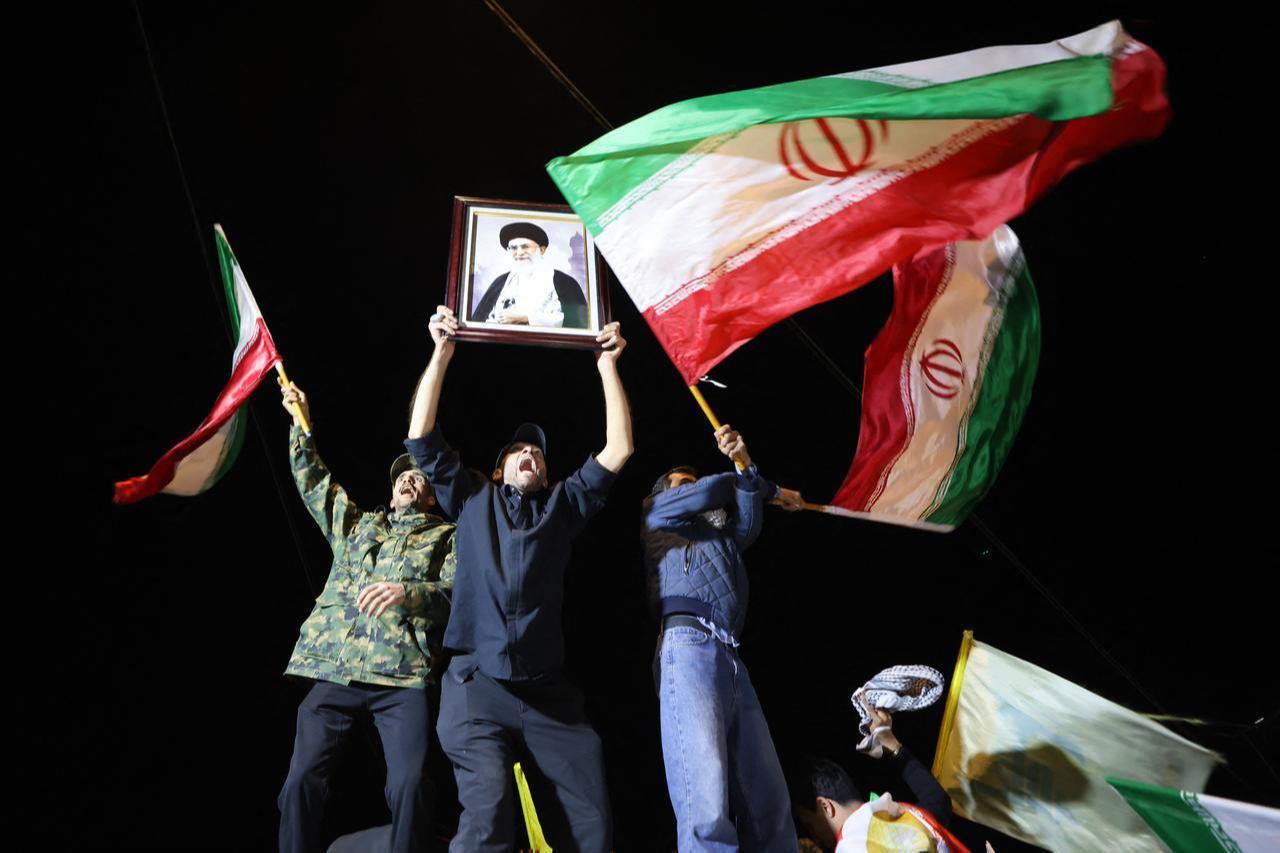

The missile strike caps a week of relentless operations by Iran-backed armed groups against American positions throughout the country. The umbrella for U.S.-designated militias, claimed 16 operations against American targets on Feb. 28, then 23 operations using what it called "dozens of drones" on March 1, and 28 operations with "dozens of missiles and drones" on March 2.
On March 4 and 5, the militia attacks continued, particularly in northern Iraq, which hosts significant American forces.
Saraya Awliya al-Dam, a front group operating under the IRI banner, claimed attacks against a hotel in Erbil where it said U.S. service members were staying and separately targeted Camp Victoria near Baghdad International Airport with drones.
On March 5, the IRI claimed it had conducted 29 operations using dozens of drones and missiles in the preceding 24 hours and said its fighters had downed a U.S. MQ-9 drone.
Iraqi forces shot down a drone that attempted to attack a U.S. military base near Baghdad International Airport on Thursday in the latest attack on American interests. The same day, an Iraqi soldier was killed in a mysterious incident in the desert involving foreign forces, according to a general who said troops investigating a disturbance in the Najaf desert came under aerial fire.
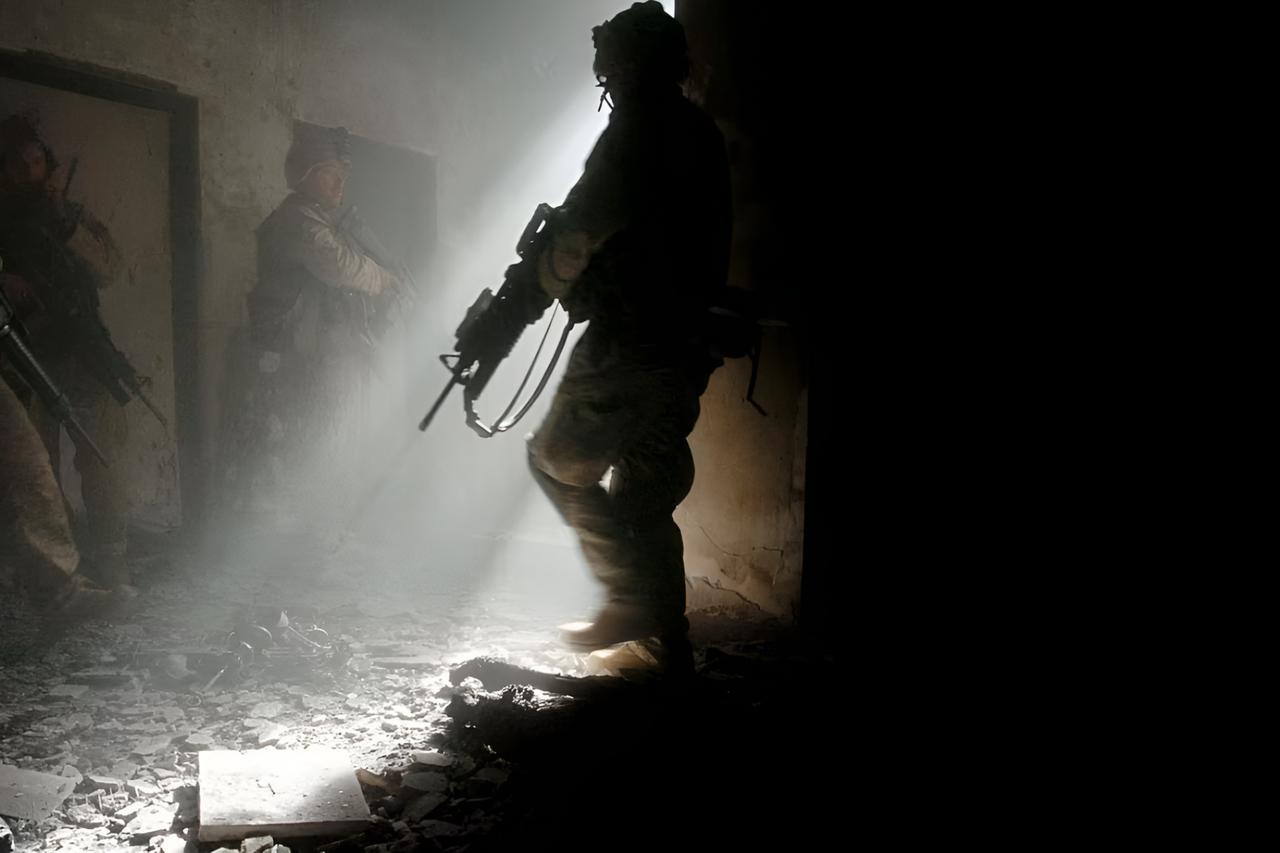
U.S. Central Command said that six U.S. service members have been killed since the start of major combat operations against Iran, while 18 soldiers have been wounded.
The attacks on U.S. interests in Iraq erupted in the immediate aftermath of the killing of Iranian Supreme Leader Ali Khamenei in U.S.-Israeli airstrikes on February 28.
Hundreds of Iraqis attempted to storm Baghdad's fortified Green Zone on March 1, with protesters, some carrying flags of pro-Iran armed groups, hurling stones at security forces who responded with tear gas.
Clashes between pro-Iranian demonstrators and Iraqi security forces escalated that night, with both sides observed using live ammunition and several deaths reported among the demonstrators gathered outside the Green Zone.
Baghdad announced a three-day mourning period for Khamenei, and Iraq's top Shiite cleric, Ali Sistani, urged Iranians to remain united.
By March 3, observers noted a phase of "tactical calm" as the pro-Iran factions, retreated from the streets. But the military operations by the IRI and its constituent groups never stopped.
Sources close to the factions told Asharq al-Awsat that an attack against the U.S. embassy "may be saved for a decisive moment in the conflict" and would be decided by Iran's Revolutionary Guards.
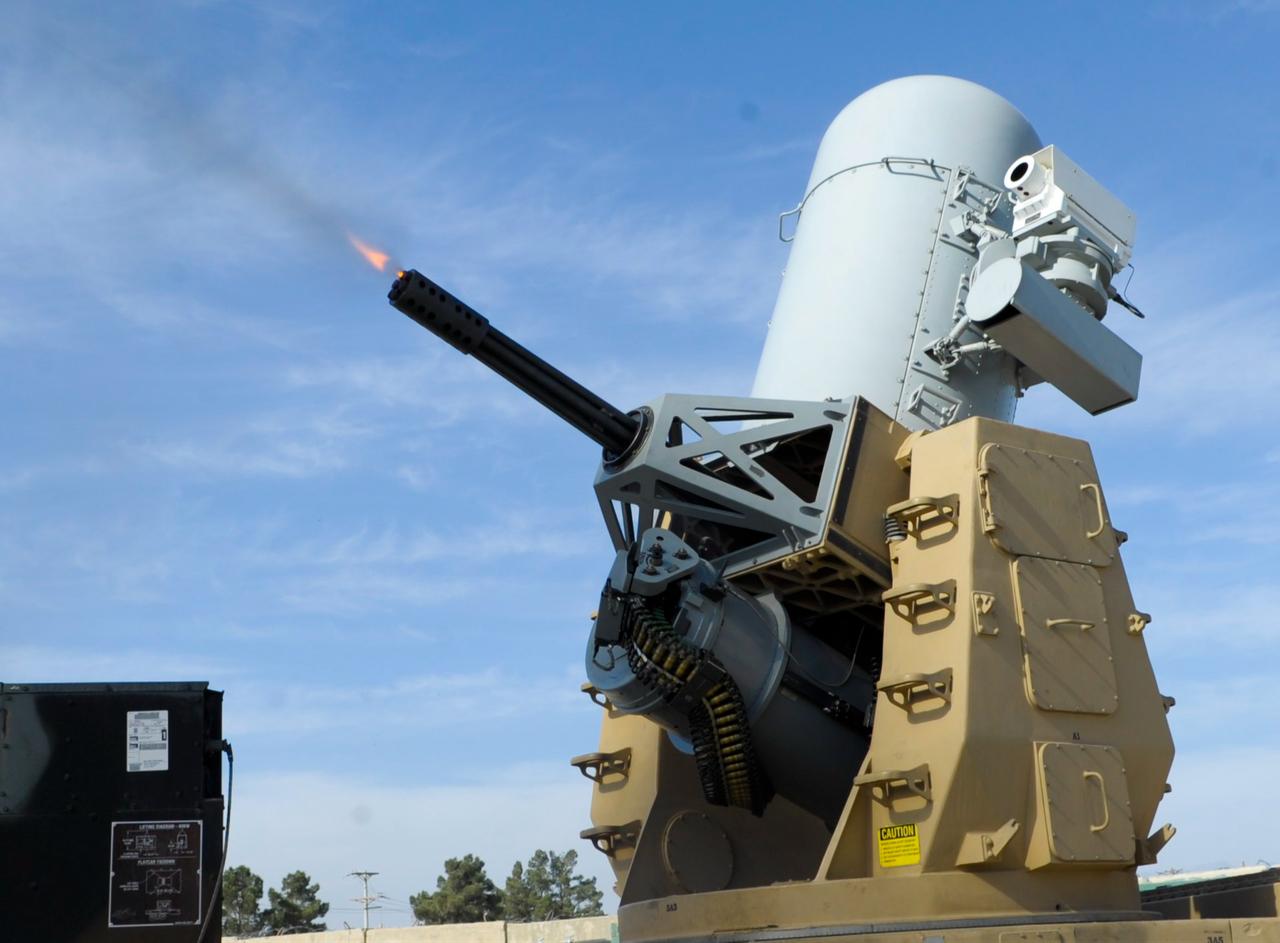
The C-RAM, or Centurion, is a land-based adaptation of the U.S. Navy's Phalanx close-in weapon system. It uses a 20mm Gatling gun capable of firing up to 4,500 rounds per minute to destroy incoming rockets and mortar shells in their final seconds of flight.
The system has defended the Green Zone since it was first deployed to Iraq in the mid-2000s and has intercepted hundreds of projectiles over the years.
But it was never designed as a comprehensive area defense system, and defense analysts have long questioned its effectiveness against coordinated, multi-directional barrages.
A single C-RAM unit cannot defend even a portion of a large base and would be ineffective against attacks coming from different directions simultaneously. The system also has limited ammunition, with some estimates suggesting it can engage roughly five incoming rounds before needing to reload.
Iraqi Prime Minister Mohammad Shia al-Sudani instructed the security apparatus to confront any action that could undermine stability and to prevent any party from carrying out operations that would drag Iraq into the ongoing conflicts, but notably declined to name the responsible militias.
"The Iraqi government is very concerned about these groups but can do little to stop them," a source told The National, underscoring the delicate position Baghdad occupies between its relationship with Washington and the powerful Iran-backed factions embedded within Iraq's own security structures.
Quantifying the U.S. military presence in federal Iraq is challenging, since Iraqi officials claimed that American forces departed the country in January 2026.
U.S. Central Command has not confirmed a complete withdrawal, though it has acknowledged planned force reductions. Commercial flights are currently not operating out of Iraq, and the U.S. government has told its citizens that overland routes to Jordan, Kuwait, Saudi Arabia, and Türkiye remain the only exit options, though borders could close without warning.
The embassy's March 7 alert carried its strongest language yet: "There is no higher priority than the safety and security of American citizens for President Trump, Secretary of State Rubio, and the entire Department of State."


 Set as preferred source
 Set as preferred source


 1 min read
 1 min read


