Newsletters


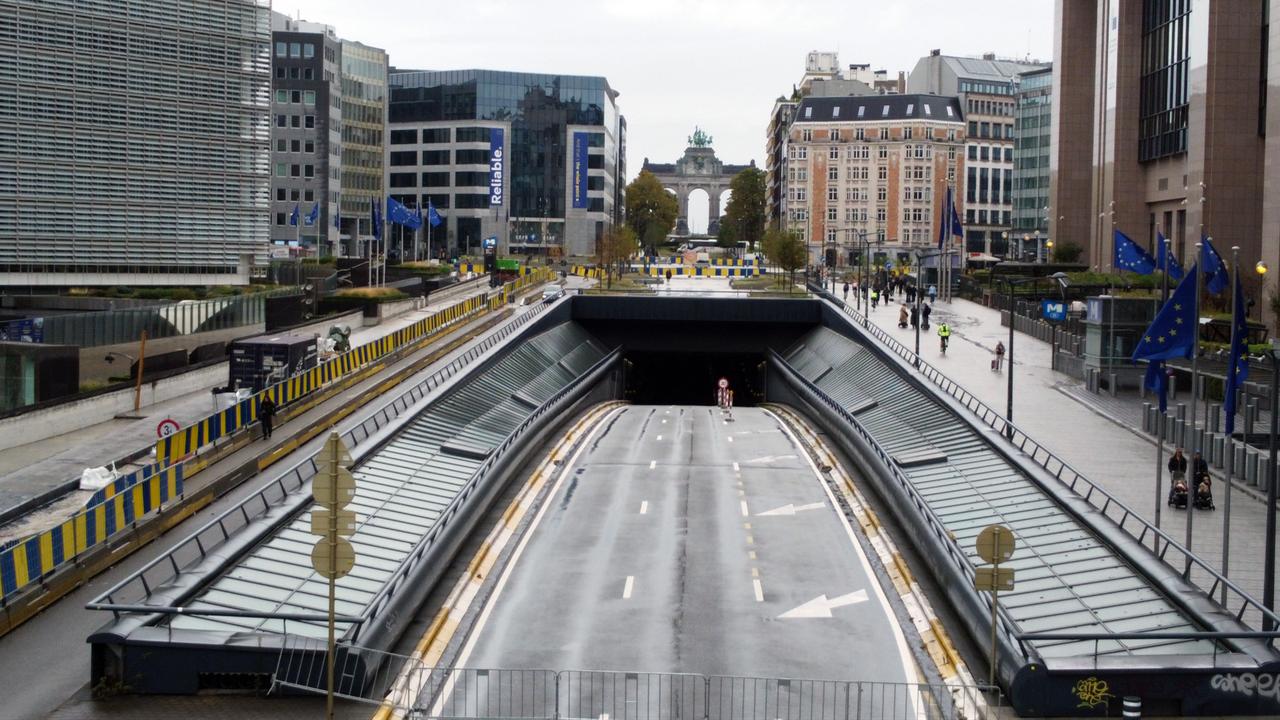
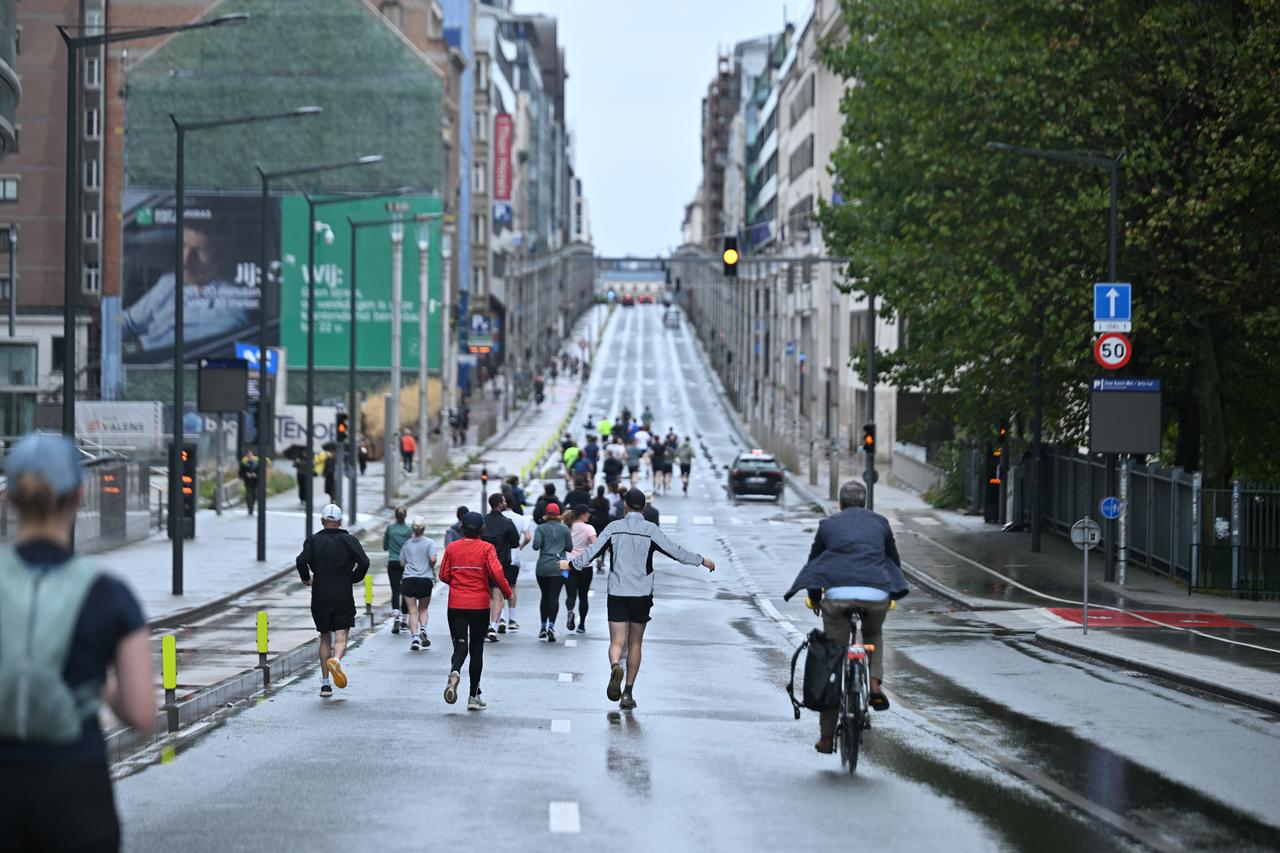
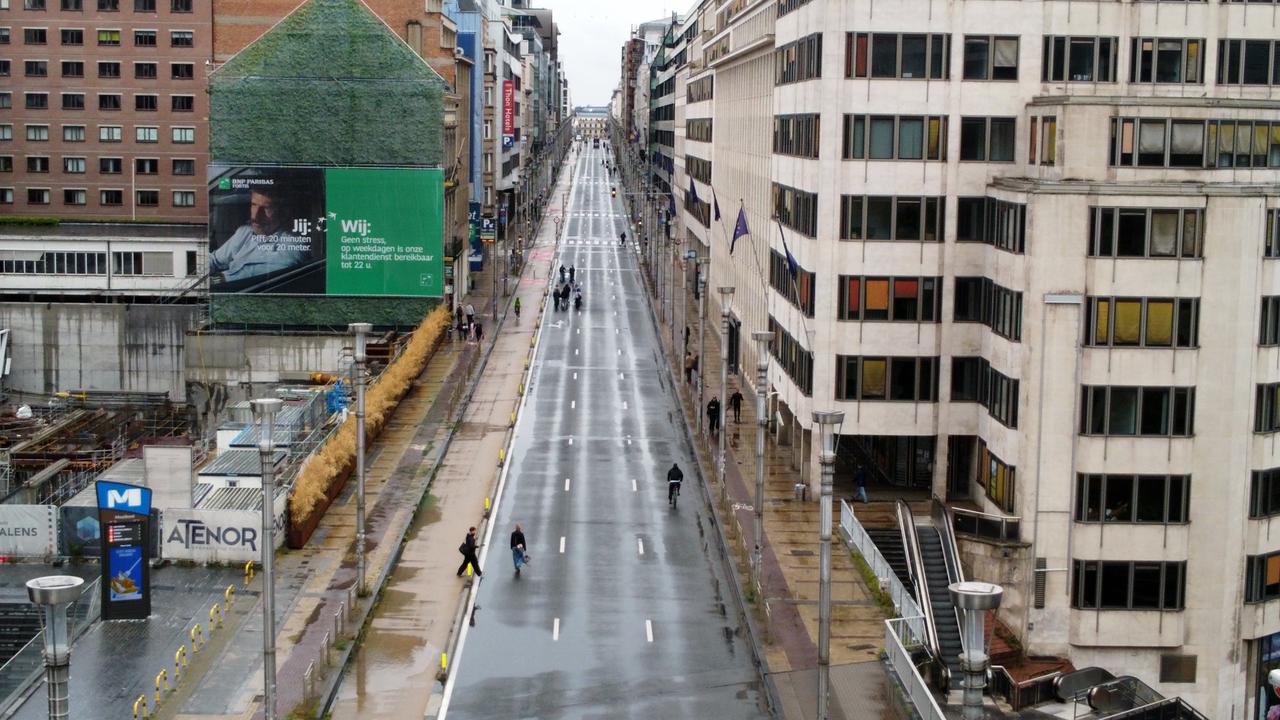
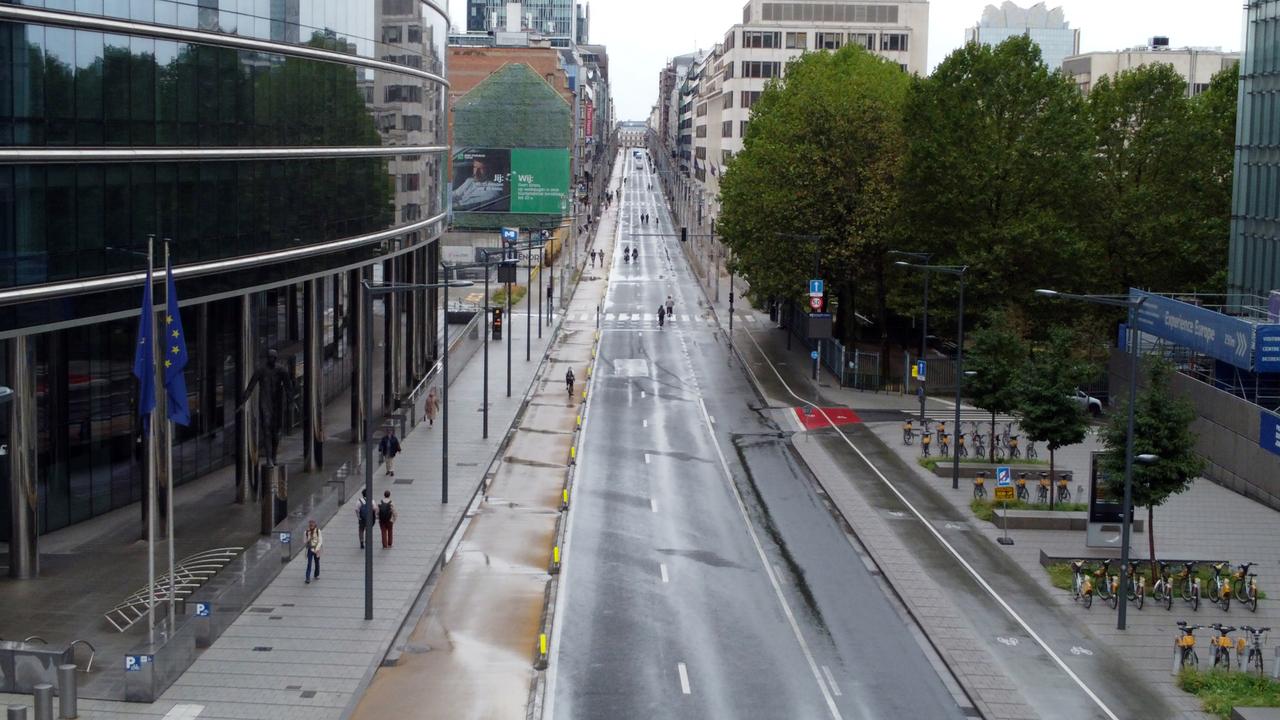
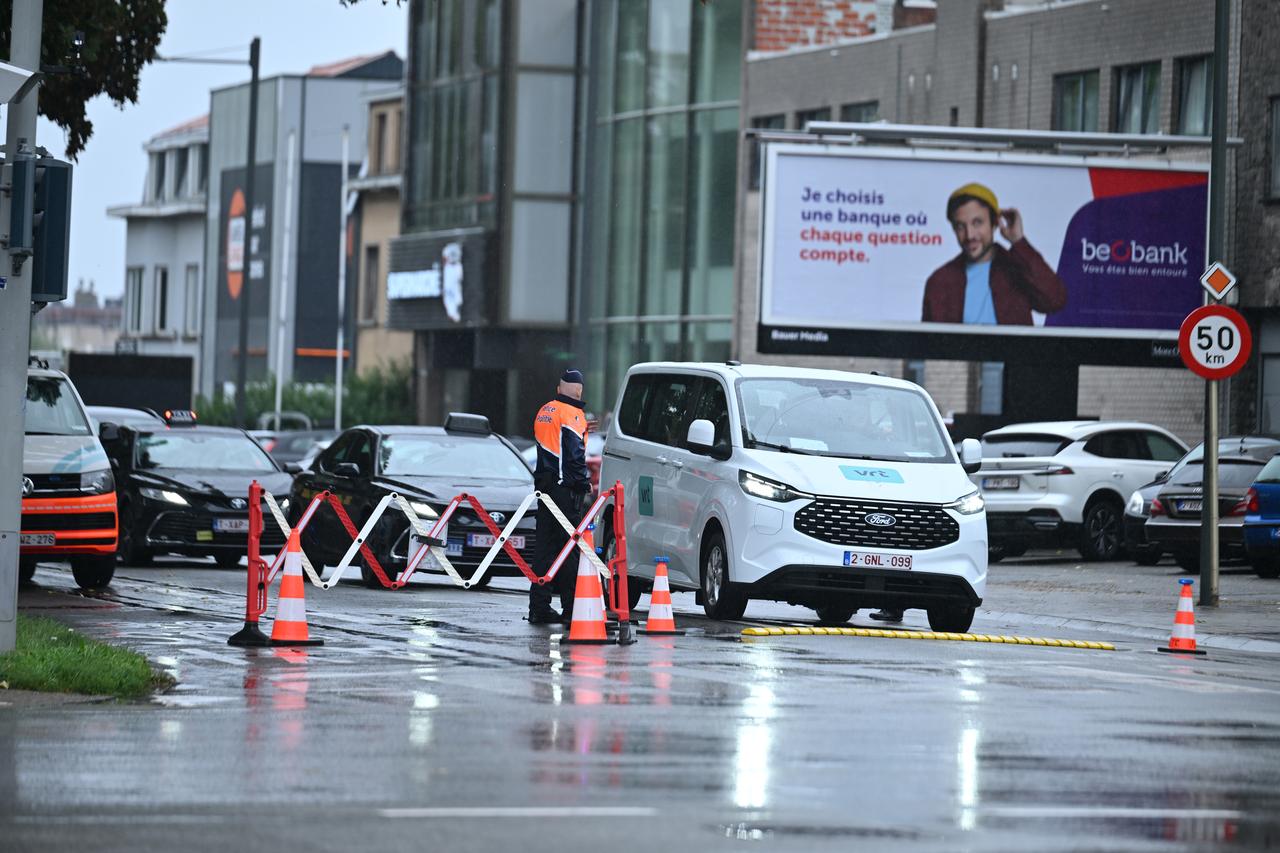
A view of an empty road during Brussels' annual Car-Free Sunday on September 20, 2026. Roads across the Brussels-Capital Region closed to motor vehicle traffic between 09:30 and 19:00, part of a mobility initiative held every year on the third Sunday of September and marking the 26th edition of the event.
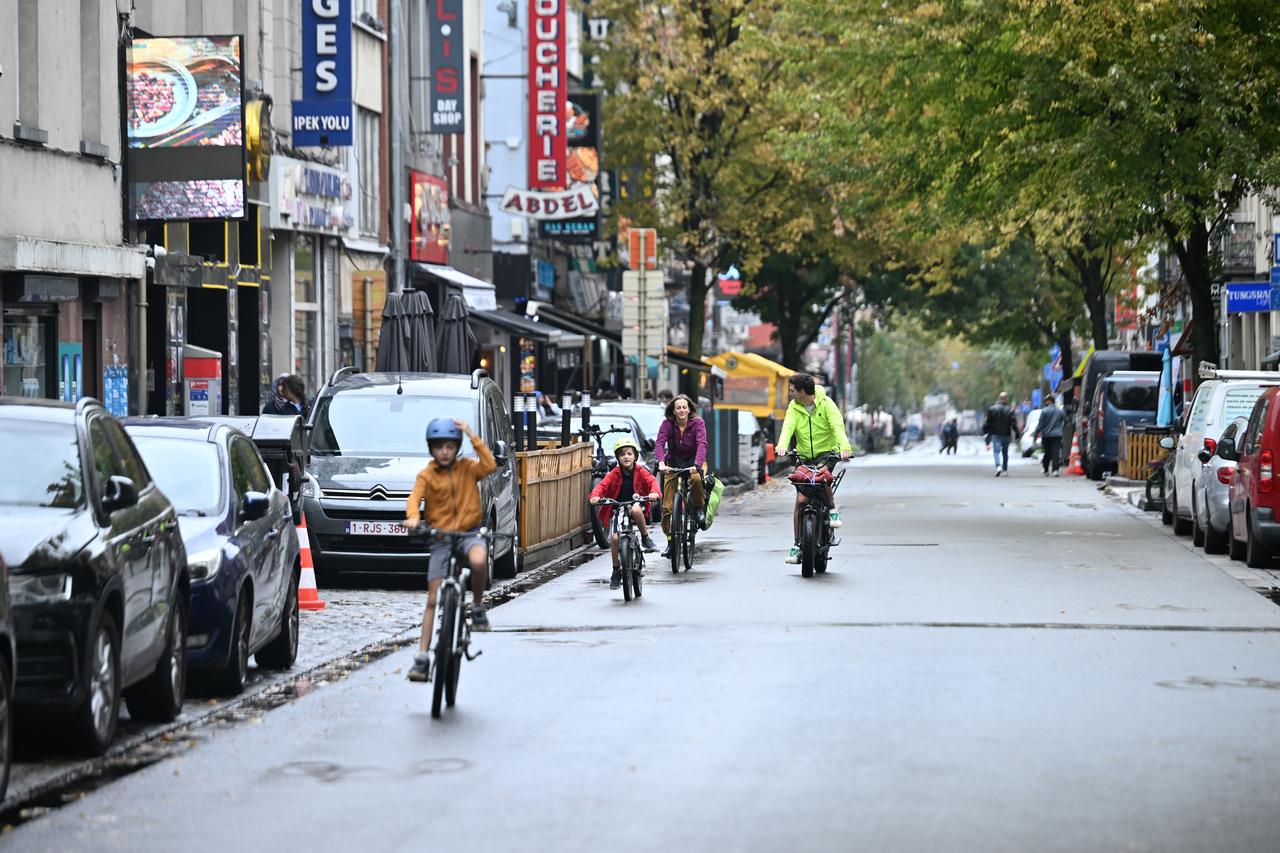
For nine and a half hours, the Brussels-Capital Region became the largest car-free zone in Europe. Only public transport, taxis, coaches, emergency vehicles and permit holders were allowed on the roads, all restricted to a maximum speed of 30 kilometers per hour (19 miles per hour) for the duration of the closure.
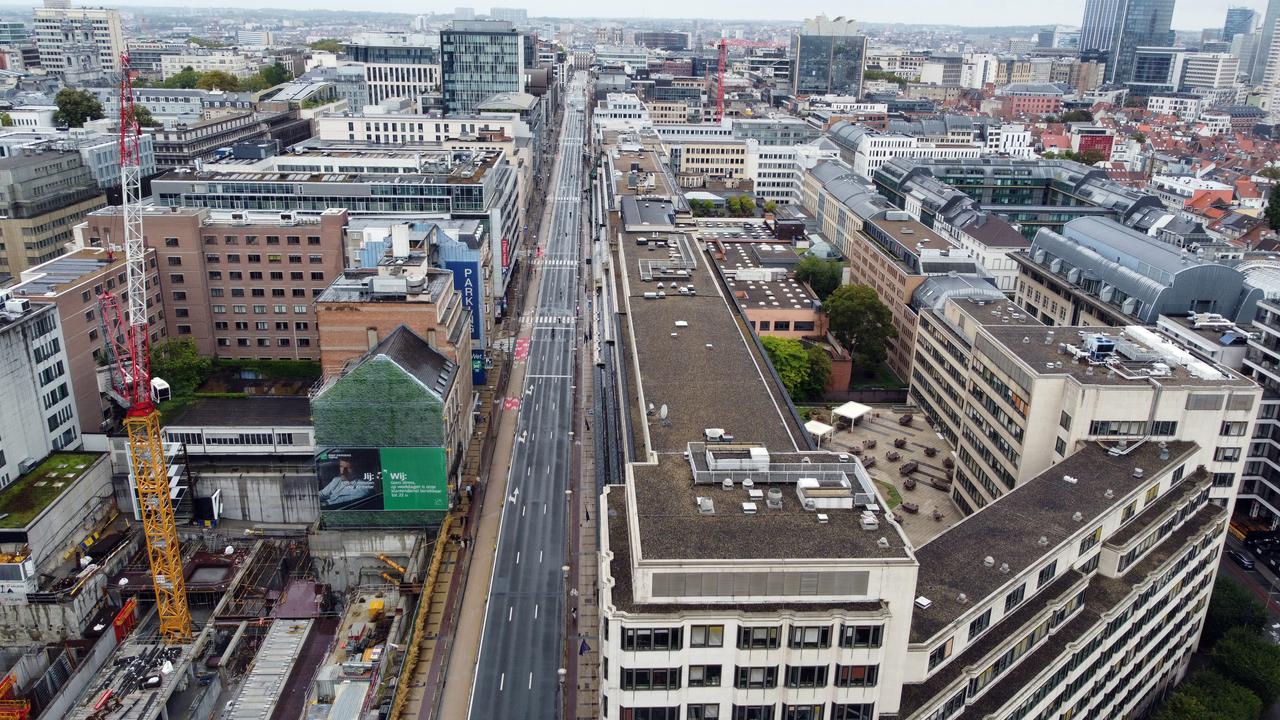
Boulevards that normally carry heavy traffic stood open and quiet. The closure was phased in gradually before 09:30 and lifted gradually after 19:00 as barriers went up and came down, with some neighborhoods keeping their streets closed longer for scheduled activities.
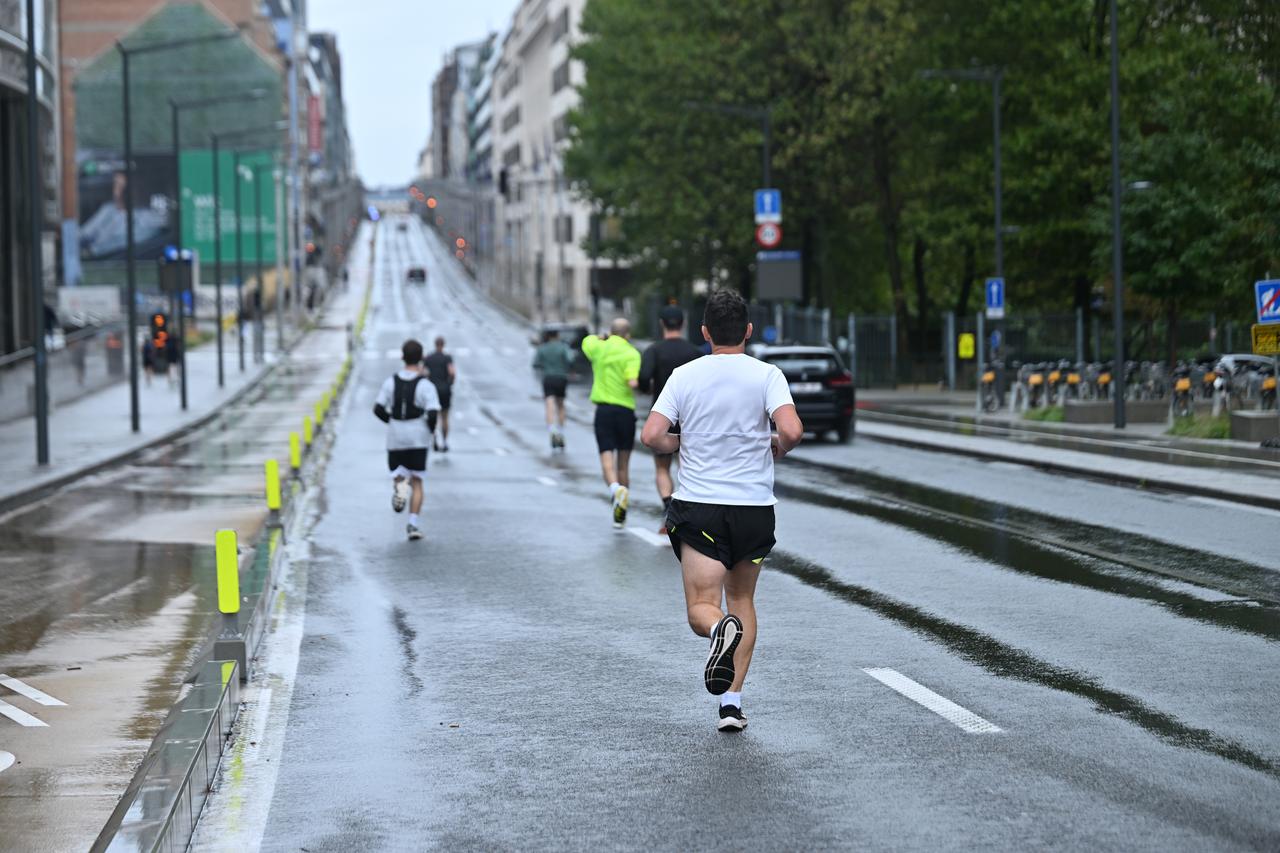
The event forms the centerpiece of Mobility Week, a European Union initiative promoted in cities across the bloc from September 16 to 22, 2026, to encourage alternatives to private car use. This year's edition also coincided with European Heritage Days, observed on September 19 and 20.
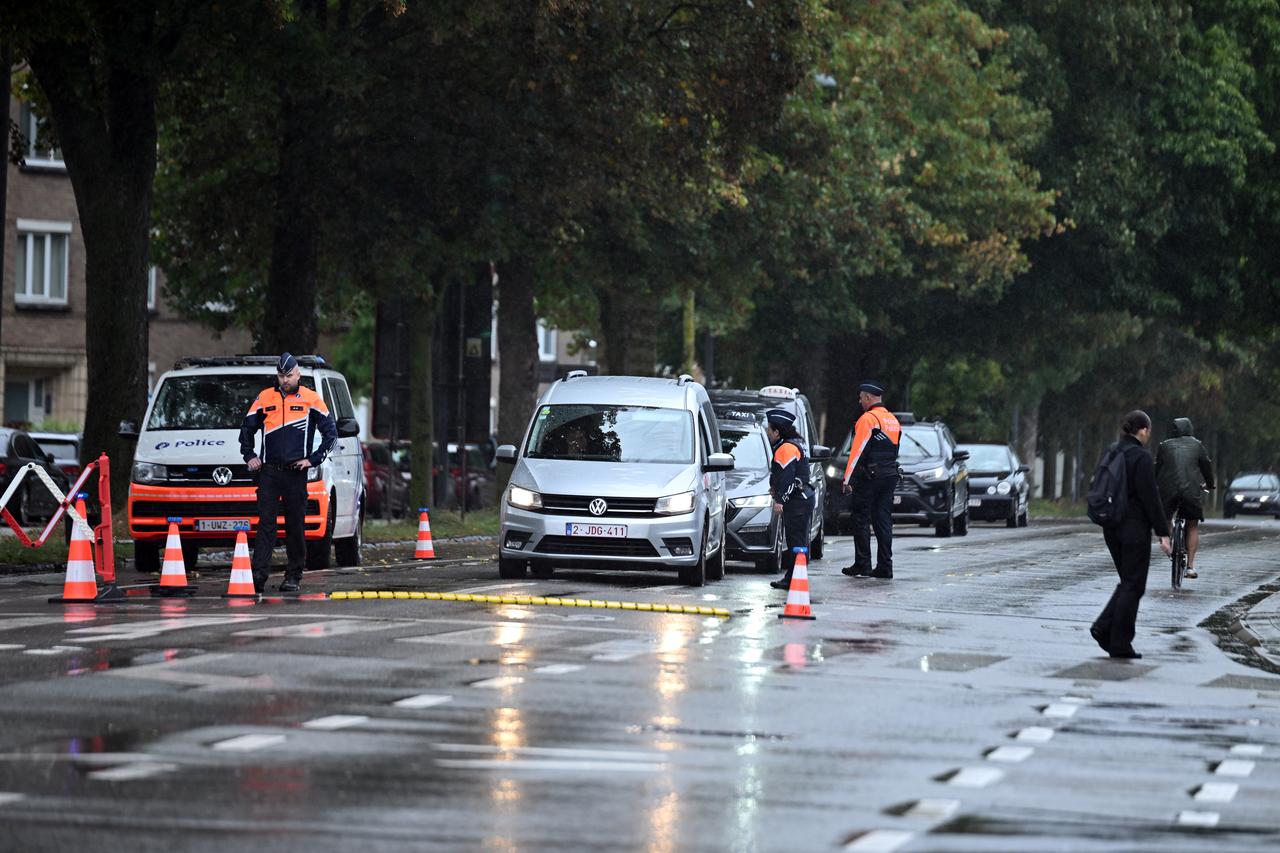
STIB-MIVB, the Brussels public transport operator, made all its metro, tram and bus lines free for the day, with service increased to handle demand. De Lijn buses operating within Brussels were free as well, giving residents an incentive to leave cars at home entirely.
Drivers who still needed access to the city were directed to park-and-ride facilities on the outskirts. The Heizel site offered space for roughly 8,000 vehicles at €12 ($13) a day, while the Coovi and Kraainem car parks were free of charge for the occasion.
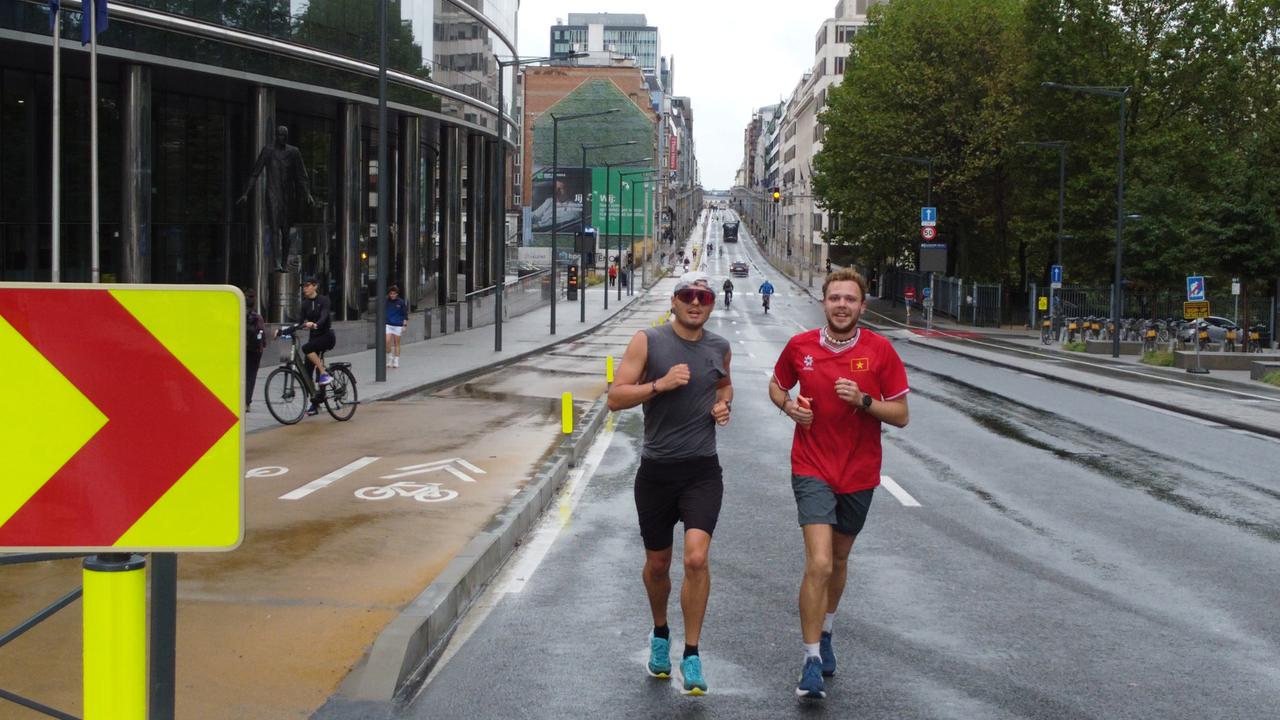
As motor traffic disappeared, pedestrians, cyclists and users of scooters and rollerblades moved into spaces usually reserved for cars. Traffic lights, road signs and right-of-way rules stayed in force throughout the closure, and tunnels remained off-limits to both cyclists and pedestrians.
Neighborhoods across the city organized their own programs for the day, from street parties to open-air gatherings, turning stretches of road into informal public venues for a few hours at a time.
Families used the traffic-free hours to explore neighborhoods on foot or by bike without the usual disruptions of city traffic, a pattern organizers describe as one of the event's main draws for households with children.
The 2026 edition arrived as Brussels marked the 50th anniversary of its metro system, a network that now spans 40 kilometers (25 miles) across roughly sixty stations and carries close to 400 million passenger journeys a year.
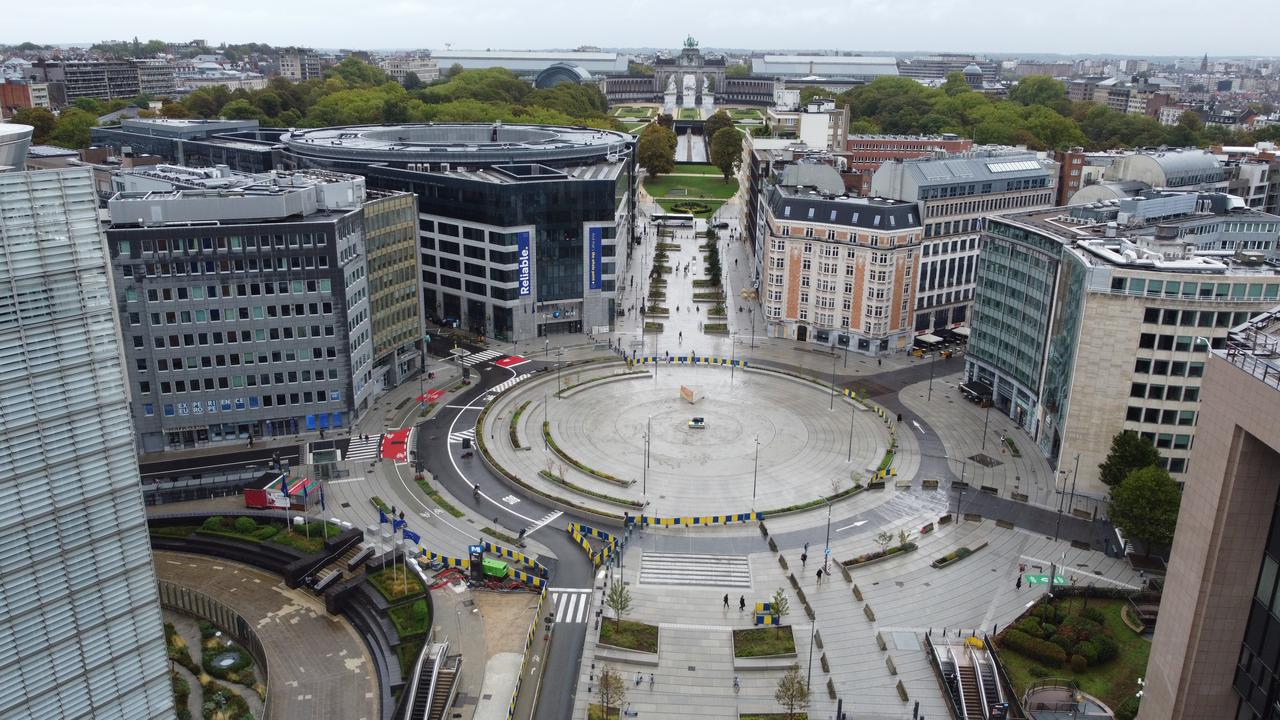
By 19:00, barriers began coming down and motor traffic resumed across the region, closing out a day in which one of Europe's capital cities set its streets aside for walking, cycling and public transport alone.


 Set as preferred source


 1 min read