Newsletters


More American service members have died in the Middle East during the ongoing Iran war than the Pentagon has publicly disclosed, according to six U.S. officials familiar with the U.S. Defense Department's internal casualty accounting data, the Washington Post reported.
Five of the officials said there have been at least 22 military fatalities, four more than appear in the Pentagon's public database, known as the Defense Casualty Analysis System (DCAS).
A sixth official said 23 service members have died since Feb. 28, when the Trump administration, in concert with Israel, initiated the war, adding that not all of the undisclosed deaths are directly tied to the conflict but have involved U.S. personnel who were in the Middle East amid ongoing hostilities.
The same official said three U.S. contractors based in the region have also died since combat operations began.
The U.S. Secretaryof Defense Pete Hegseth denied the report in a post on X, saying, "This is disgusting and fake. A complete lie. Shame on the Washington Post — they’re worse than Iranian state media."
As of Friday, DCAS listed 18 U.S. military fatalities, including deaths from hostile and nonhostile action dating to the start of the conflict.
Details surrounding the undisclosed deaths, including the service members' identities and when, how, and where they died, remain unclear.
Officials familiar with the higher casualty figure expressed frustration that the additional deaths are not reflected in the Pentagon's public casualty portal.
Of the 18 listed fatalities, 14 are attributed to Operation Epic Fury, the Trump administration's name for the Iran war, while four others fall under a separate "Overseas Operations" category tied to a July ceasefire that later collapsed, leading to renewed attacks.
Separately, the Pentagon has said two U.S. service members died in the Middle East since February while on missions unrelated to the Iran war, at bases that have been attacked by Iranian forces; neither is listed by name in the Iran-war-specific tally.
Sgt. Devin Seibel died in Irbil, Iraq, on May 31 in a training accident while assigned to Operation Inherent Resolve, according to a Defense Department release, though his name does not appear among the Inherent Resolve fatalities in DCAS.
Maj. Sorffly Davius died March 6 in Kuwait of an unspecified medical emergency while deployed under Operation Spartan Shield; it remains unclear whether his death was tied to an Iranian attack.
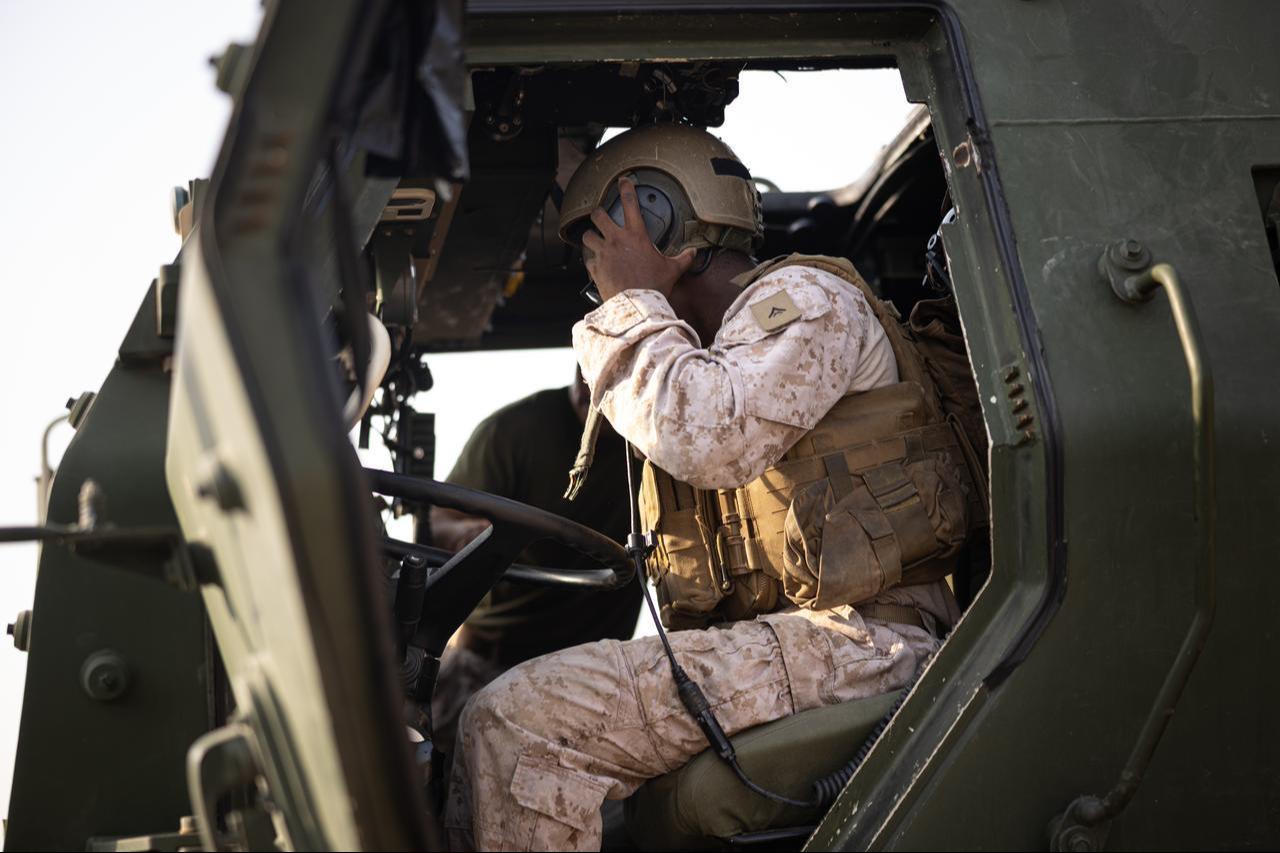

The accounting practices faced intense scrutiny earlier this year when the names of four U.S. troops who died as a result of the war were briefly excluded from the Pentagon's official tally.
Over the summer, when those four combat deaths were temporarily excluded from the casualty database, the administration reclassified renewed hostilities with Iran as "Overseas Operations" rather than tying them to Operation Epic Fury, a change that coincided with efforts to portray the war as a success even as Iran continued firing on American forces and targeting shipping in the Strait of Hormuz.
The proper accounting of military fatalities carries consequences beyond public transparency: whenever a service member dies, the military conducts a line-of-duty investigation to determine whether the death occurred while performing official duties, findings that affect survivor benefits available to families.
More than 820 U.S. service members have been wounded in action since the conflict began, according to the public database, with many suffering traumatic brain injuries from Iranian counterstrikes on U.S. bases across the Middle East.
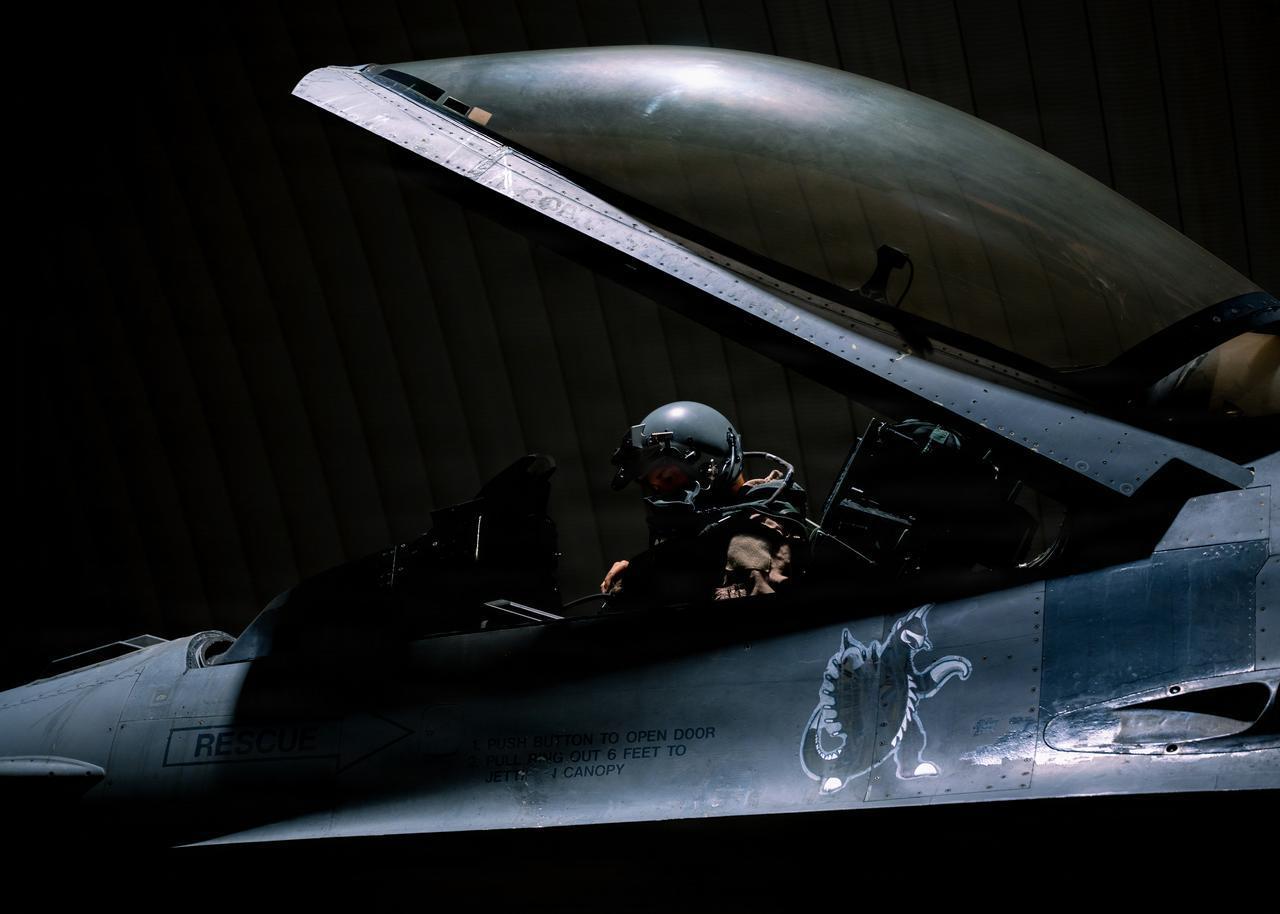
The war, which polls show is deeply unpopular with the American public, has become a political liability for President Trump and Republicans ahead of November's midterms.
A September Reuters-Ipsos poll found 28% of Americans support Trump's approach to Iran, while 62% disapprove.
On Tuesday, a record seven Republican lawmakers joined Democrats in passing a largely symbolic measure intended to halt the war, the latest of several war-powers resolutions to advance in Congress.
Senate Democrats have pledged to investigate the Pentagon's handling of casualty notifications if they retake the majority after the midterms.
Reps. Pat Ryan of New York, Jason Crow of Colorado and 10 other House Democrats, all military veterans, said Friday they are pursuing legislation to prevent the Pentagon from manipulating government data on troop casualties; Sen. Tammy Duckworth of Illinois introduced a similar bill with 17 Democratic colleagues in the Senate last month.
Rep. Thomas Massie, a Kentucky Republican, moved this week to force a House vote on impeaching Defense Secretary Pete Hegseth over the war, alleging Hegseth violated the War Powers Resolution of 1973 by pursuing hostilities without congressional authorization.
According to a document reviewed by the Washington Post, U.S. Central Command (CENTCOM) has estimated the war's cost at about $43.6 billion through early September, including $28 billion in munitions expended, not accounting for damage to U.S. bases.
Several top U.S. military officials have separately warned Hegseth that prolonging large-scale operations against Iran is unsustainable and risks weakening the military's ability to confront threats elsewhere, including the U.S. homeland, the Post has reported.
Photos and videos obtained separately by ABC News and CBS News show extensive damage to U.S. bases in Kuwait and Saudi Arabia from Iranian strikes.
One image appears to show a Boeing E-3 Sentry surveillance aircraft, valued at $270 million, struck in late March at Prince Sultan Air Base in Saudi Arabia, its tail severed from a charred fuselage that once supported radar equipment used for midair intelligence collection.
Other photos from the base showed hollowed-out buildings and barracks standing beside unaffected concrete "T-wall" fortifications that proved ineffective against aerial attack.
Similar damage was documented at Camp Buehring in Kuwait, a major staging area for U.S. Army ground troops and armored vehicles.
"These bases have been irreparably damaged. And if we choose to rebuild them, it's going to be a decades-long undertaking," a senior U.S. service member who spoke on condition of anonymity told ABC News, adding: "This is not something that's going to be fixed in six months. We're talking about years and years of construction and rebuilding in order to reestablish what's been destroyed."
The service member accused the Pentagon of lacking transparency: "There are drone strikes and ballistic missile strikes actively landing on bases every day."
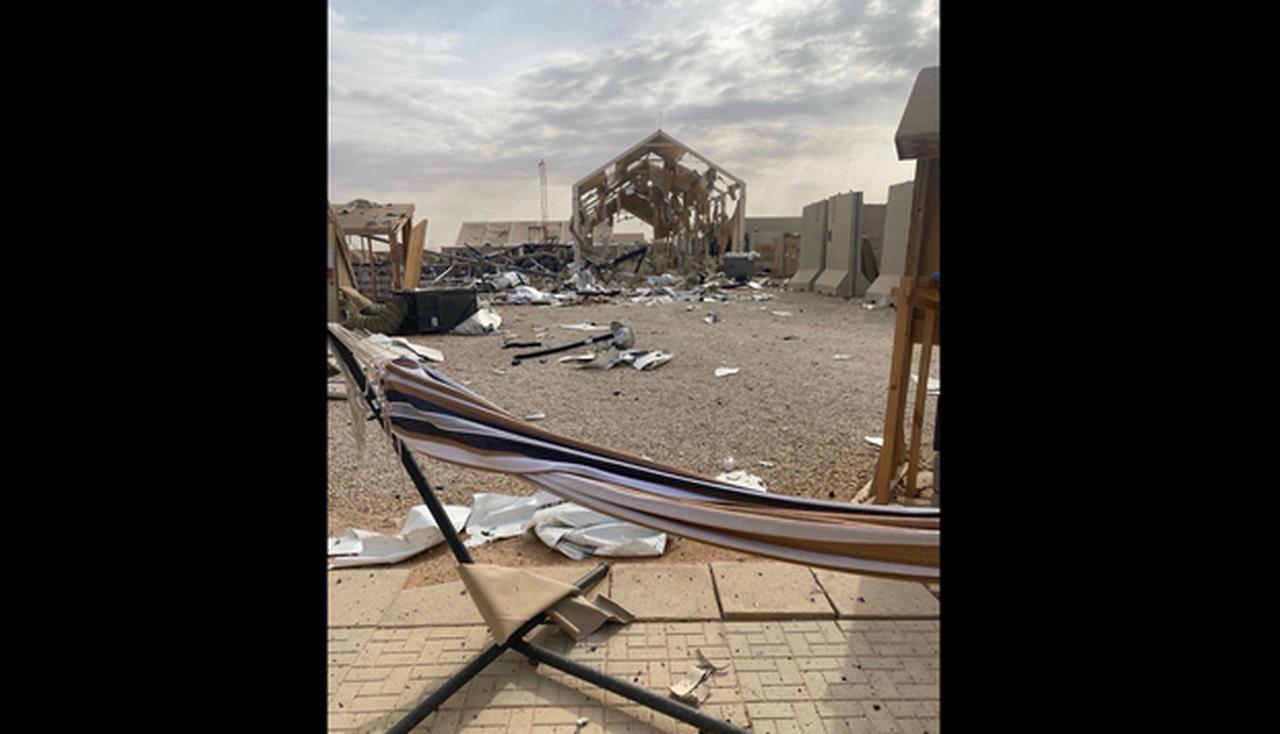
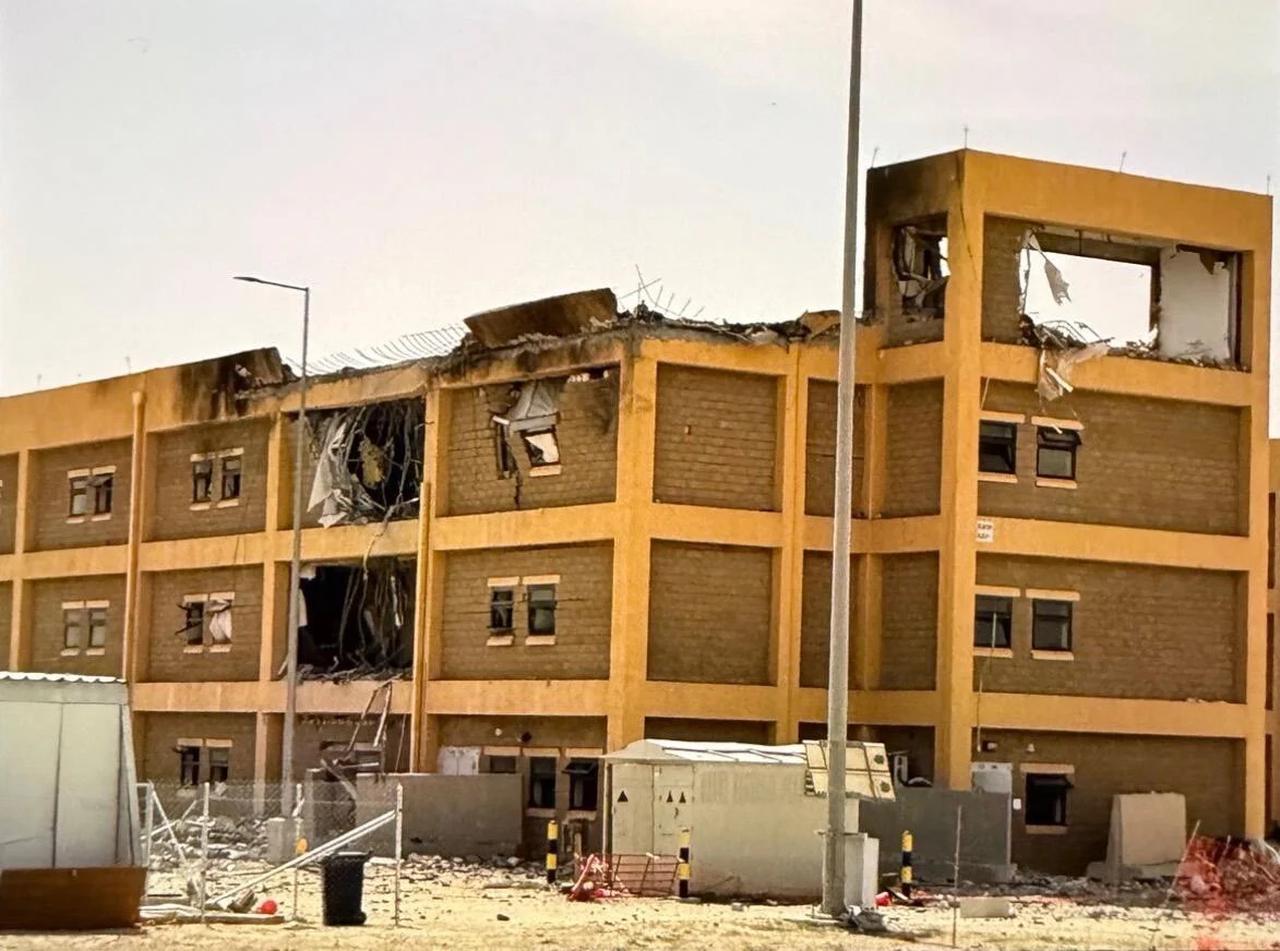
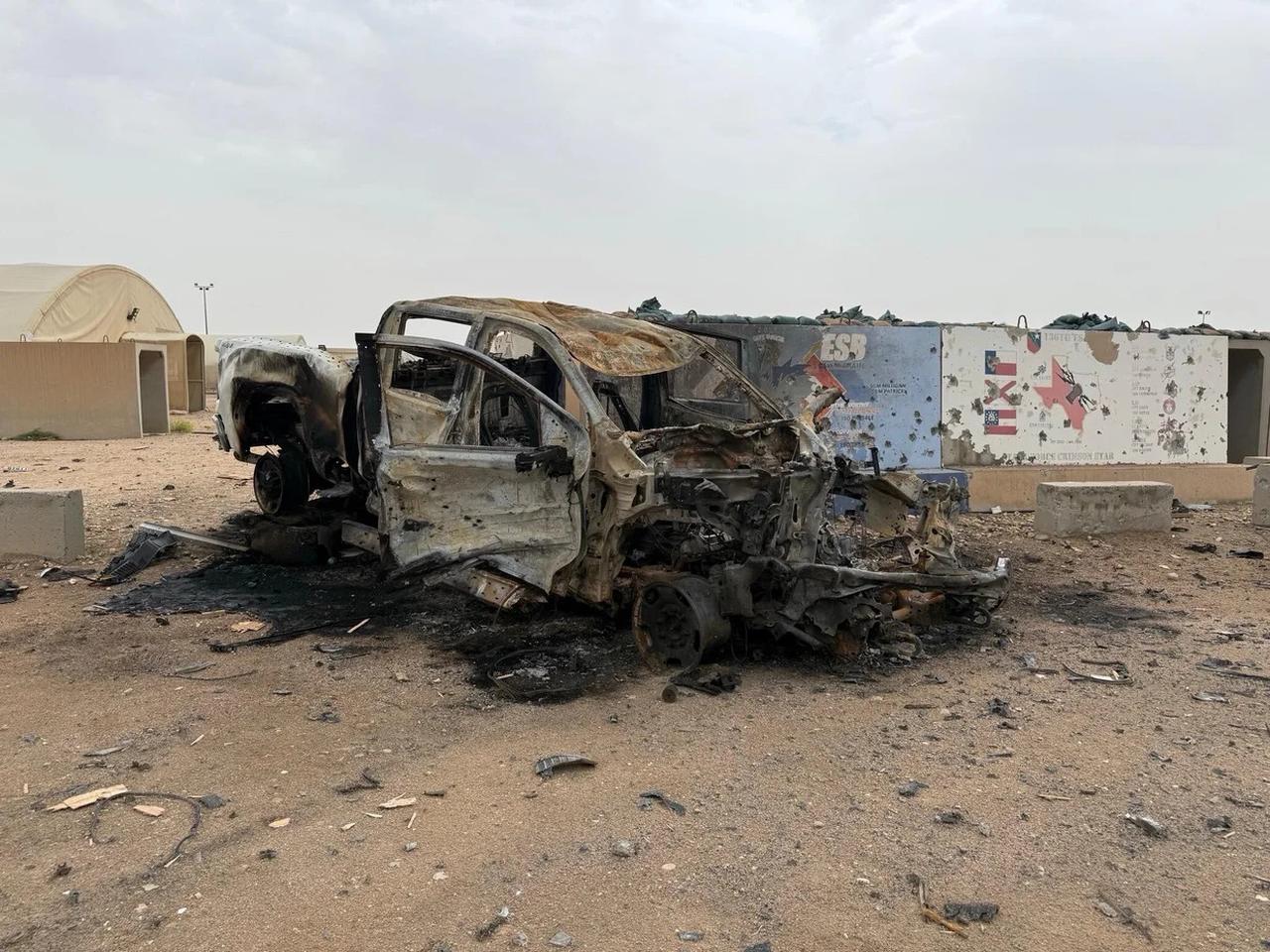
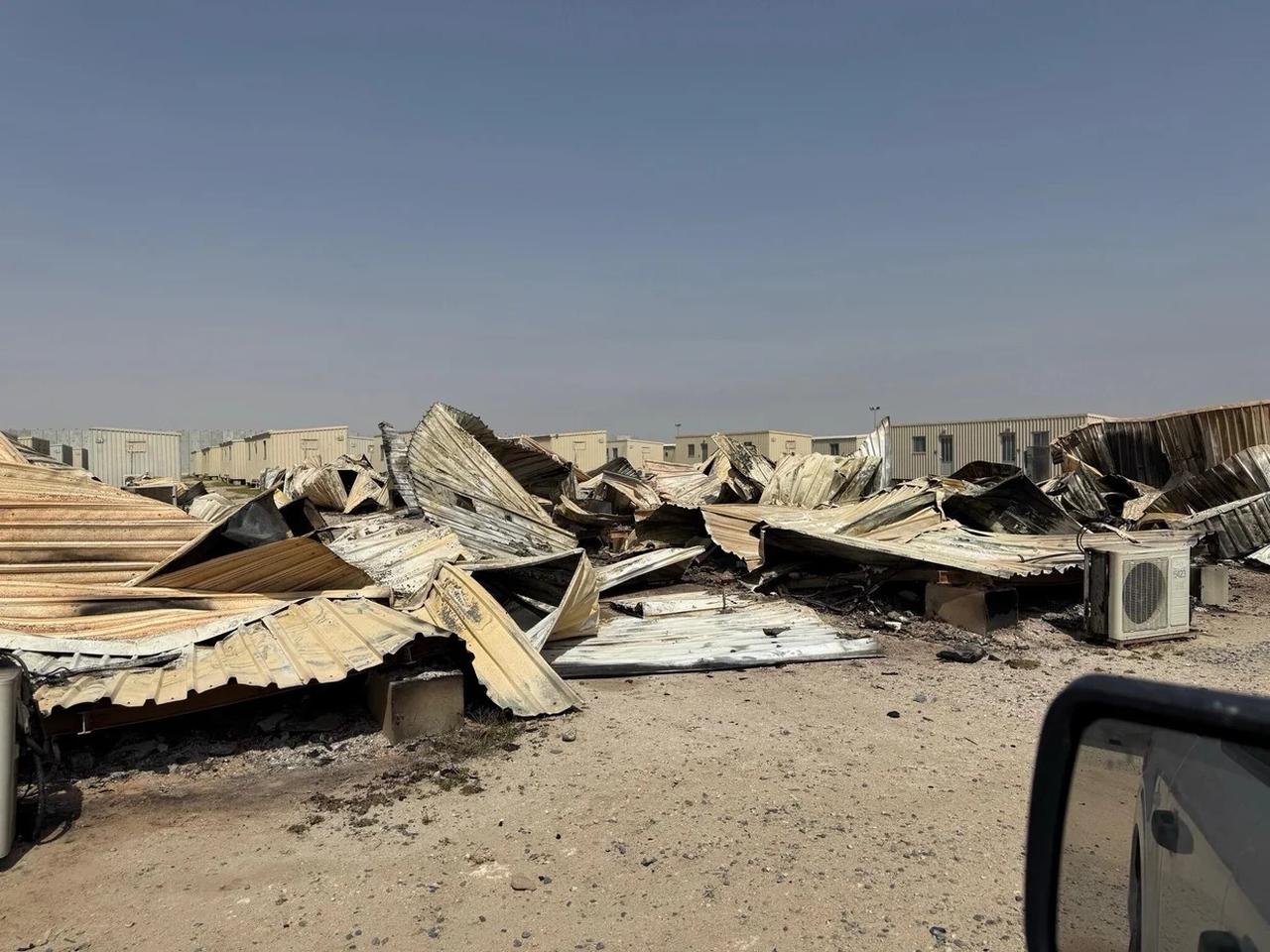
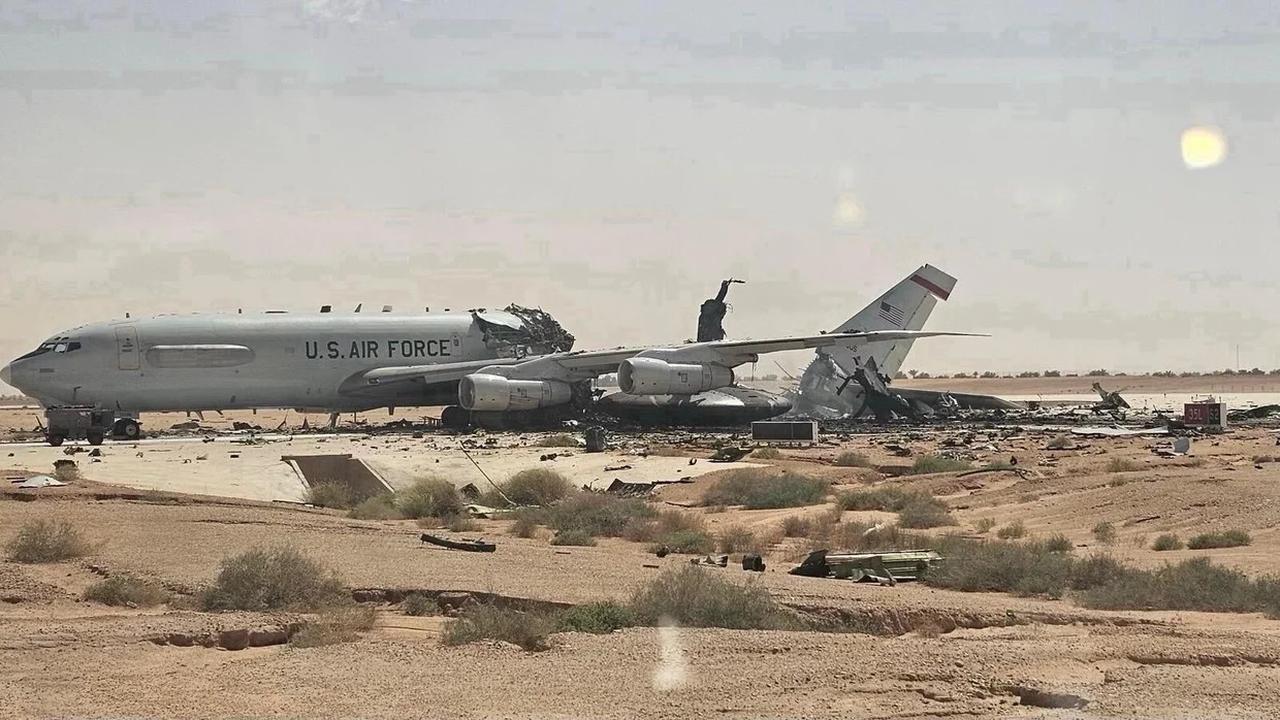
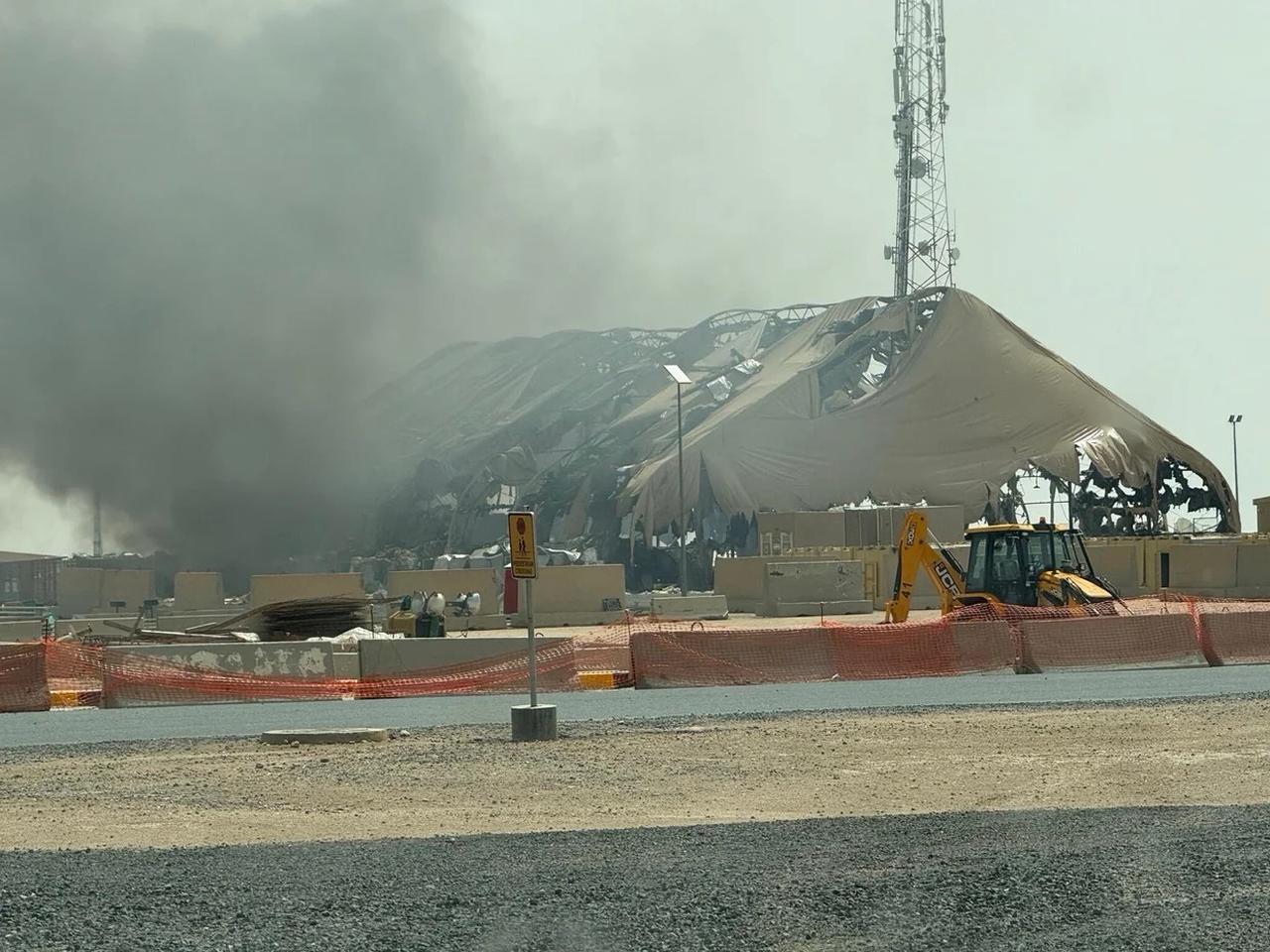
A service member who spoke separately to CBS News, on condition of anonymity due to military media restrictions, said: "This is major damage to our bases that hasn't been communicated to the American public. We're standing there with our eyes closed getting punched in the face."
Referencing Hegseth's earlier description of an Iranian strike getting through as a "squirter," the service member said: "These are not 'squirters' getting through. We're not defending these bases. We're just watching them get destroyed."
A Pentagon inspector general report released Monday found that "hundreds of buildings and structures" had been damaged at American posts across Kuwait, Bahrain, Qatar, the UAE, Saudi Arabia, Iraq, Oman and Jordan, and separately identified equipment losses worth up to $3.7 billion, including nearly 60 aircraft, in a first-of-its-kind mandatory report to Congress.
The inspector general estimated the war's total cost at $33 billion, while the nonpartisan Congressional Budget Office put the figure at $38 billion.
The Defense Department has said 18 service members have been killed and 824 wounded since the war began on Feb. 28, with the deadliest single attack occurring on the conflict's second day, when six soldiers were killed at Port Shuaiba in Kuwait, at a largely unfortified location surrounded only by six-foot concrete walls.
Hegseth has said force protection remains the Pentagon's top priority while acknowledging that some Iranian weapons get through: "Every once in a while you might have one, unfortunately we call it a 'squirter,' that makes its way through. And in that particular case, it happened to hit a tactical operation center that was fortified, but these are powerful weapons."


 Set as preferred source
 Set as preferred source


 1 min read

 1 min read