Newsletters


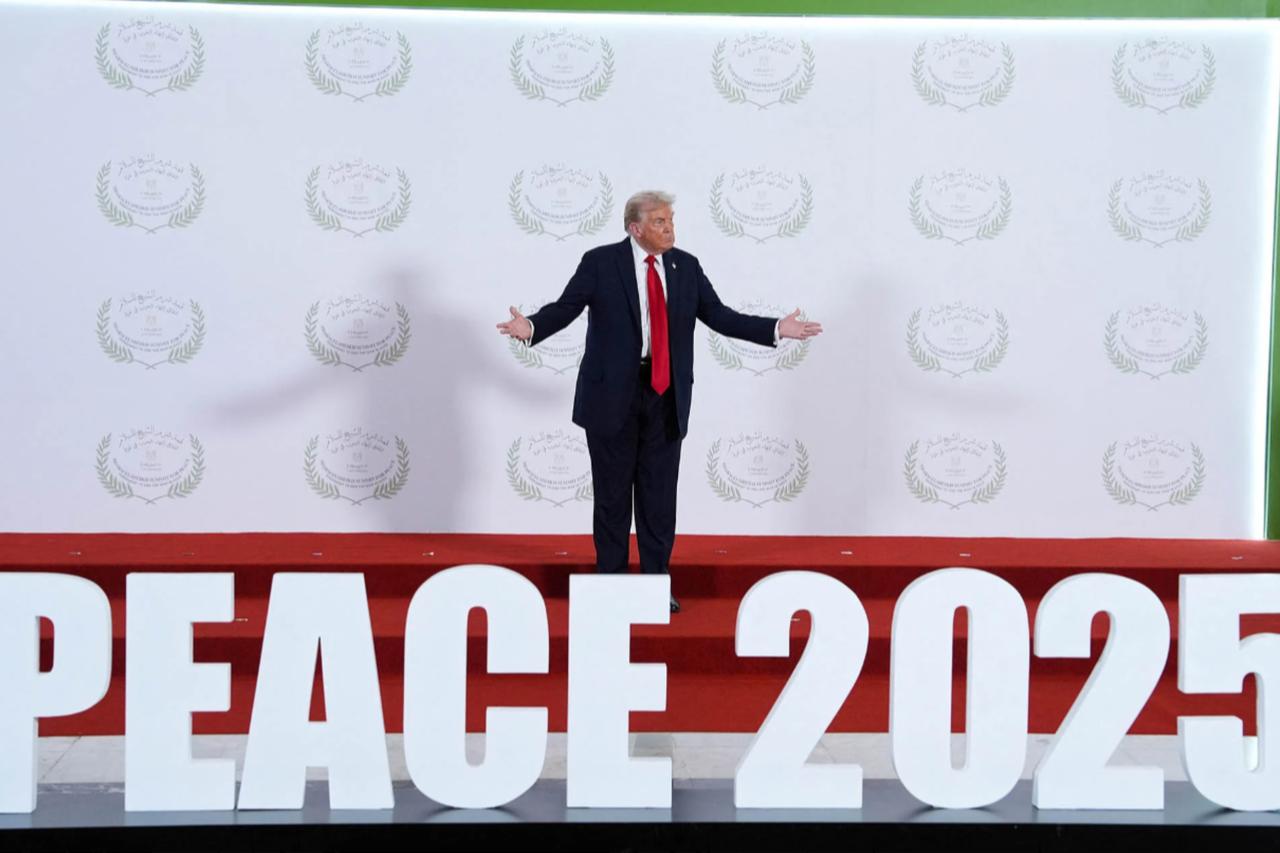


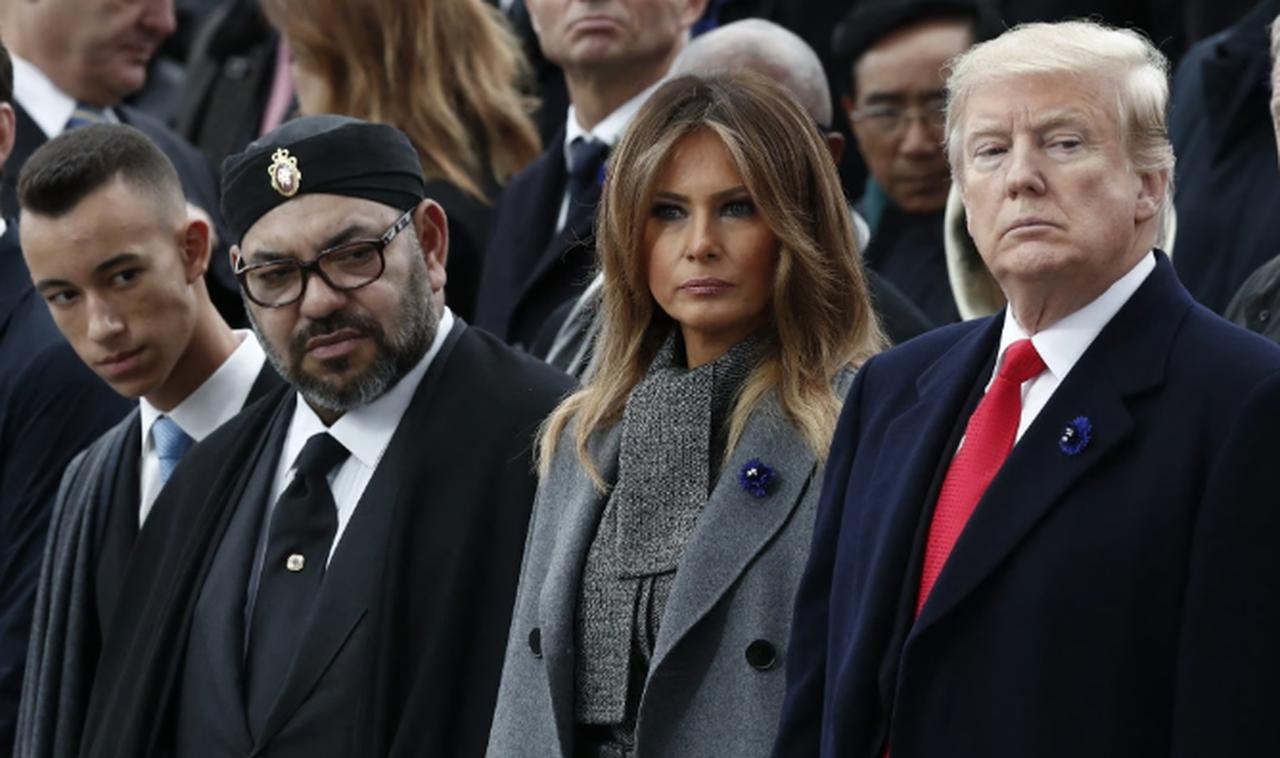
Morocco’s Foreign Ministry said Monday, in a statement carried by the state news agency, that King Mohammed VI praised President Donald Trump’s commitment and vision for advancing peace.
The ministry said the king had responded positively to the invitation to join the Peace Council as a founding member.
The statement added that the Kingdom of Morocco will work to ratify the council’s founding charter, a step that would give Rabat a former position within the new structure Washington is seeking to establish.

The statement said the “Peace Council” was initially created to oversee the reconstruction of the Gaza Strip after the war, but that its charter does not explicitly mention Gaza, instead giving it a broader mandate to help resolve armed conflicts around the world.
Morocco’s Foreign Ministry said the initiative “aims to support peace efforts and adopt a new approach to resolving conflicts globally,” positioning the council as a multilateral platform that goes beyond a single regional file.
Key allies reacted coolly Monday to U.S. President Donald Trump’s invitation to pay $1 billion for a permanent spot on his “Board of Peace” for resolving international conflicts, with analysts likening it to a pay-to-play version of the U.N. Security Council.
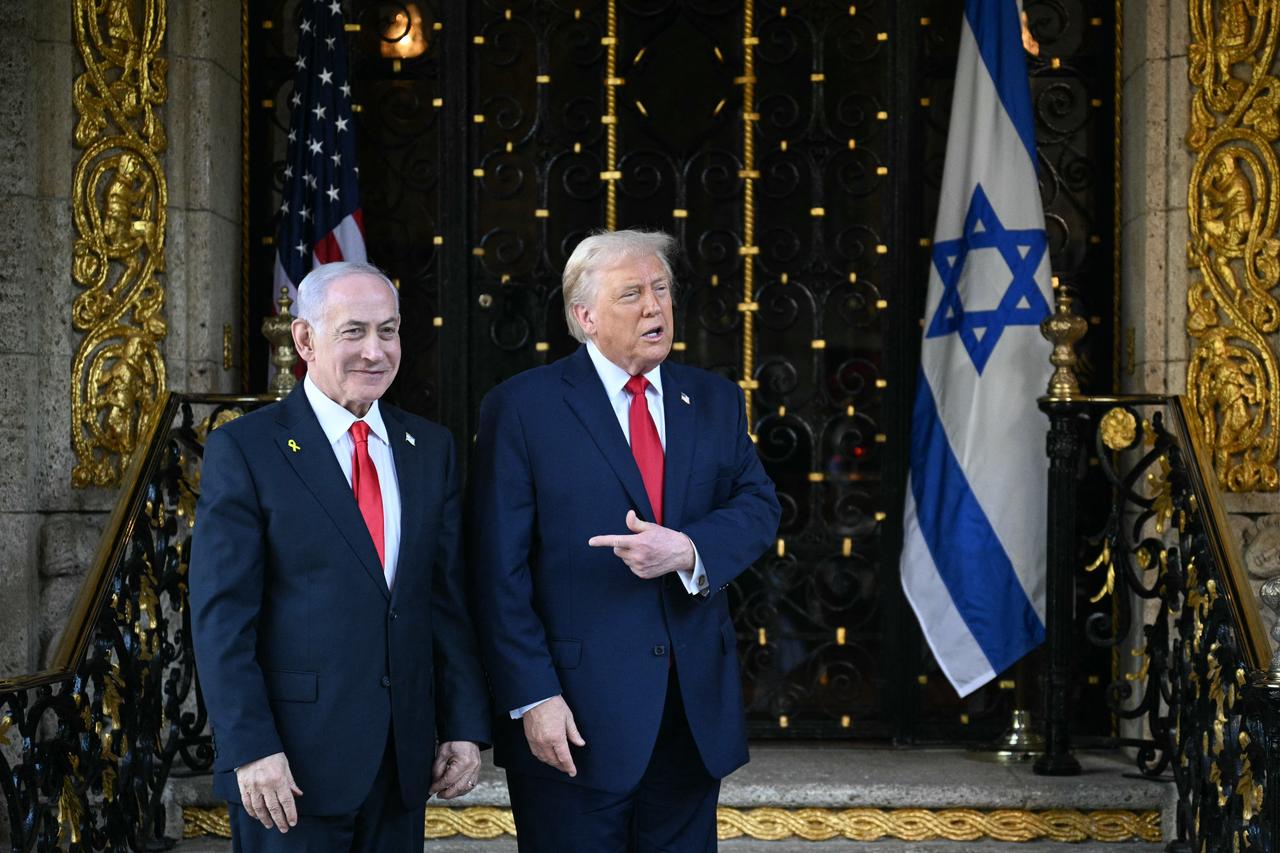
The White House has asked various world leaders to sit on the board, chaired by Trump himself, including Russian President Vladimir Putin, Hungarian Prime Minister Viktor Orban and Canadian Prime Minister Mark Carney.
The board’s charter, seen by Agence France-Presse (AFP), says that member countries will serve no longer than three years, subject to renewal by the chairman. That is, unless they “contribute more than $1,000,000,000 in cash funds to the Board of Peace within the first year of the charter’s entry into force.”
The initial reaction from two key allies, France and Canada, was lukewarm.
“At this stage, France cannot accept,” French Foreign Minister Jean-Noel Barrot said Monday during a debate with French lawmakers, noting that the board’s charter goes beyond the scope of rebuilding and running postwar Gaza endorsed by the United Nations.
He added that it is “incompatible with France’s international commitments, and in particular its membership in the United Nations, which obviously cannot be called into question under any circumstances.”
France is one of the five veto-wielding, permanent members of the U.N. Security Council, along with the United States, China, Russia and Britain.
A Canadian government source said Ottawa will not pay to be on the board and has not gotten a request to pay after Prime Minister Mark Carney indicated he would accept an invitation to join.
Paul Williams, professor of international affairs at George Washington University, told AFP that the offer of permanent membership for $1 billion showed Trump is “trying to turn it into a pay-to-play alternative to the U.N. Security Council, but where Trump alone exercises veto power.”
The charter, which in fact does not mention Gaza, describes the board as “an international organization that seeks to promote stability, restore dependable and lawful governance, and secure enduring peace in areas affected or threatened by conflict.”
Daniel Forti at the International Crisis Group said at least 60 countries have reportedly been invited to the Board of Peace, adding that some may view it as a way to curry favor with Trump, but many member states would see it as a power grab.
“Actively buying permanent seats in an exclusive club sends a very worrying signal about what transactional and deals-based international diplomacy may mean in the future,” he told AFP.
Trump would have the power to remove member states from the board, subject to a veto by two-thirds of members.
The White House said there would be a main board, a Palestinian committee of technocrats meant to govern devastated Gaza, and a second “executive board” designed to have a more advisory role.
Israel has objected to the lineup of a “Gaza executive board” under the body, which includes Foreign Minister Hakan Fidan and Qatari diplomat Ali Al-Thawadi.


 Set as preferred source
 Set as preferred source


 2 min read