Newsletters


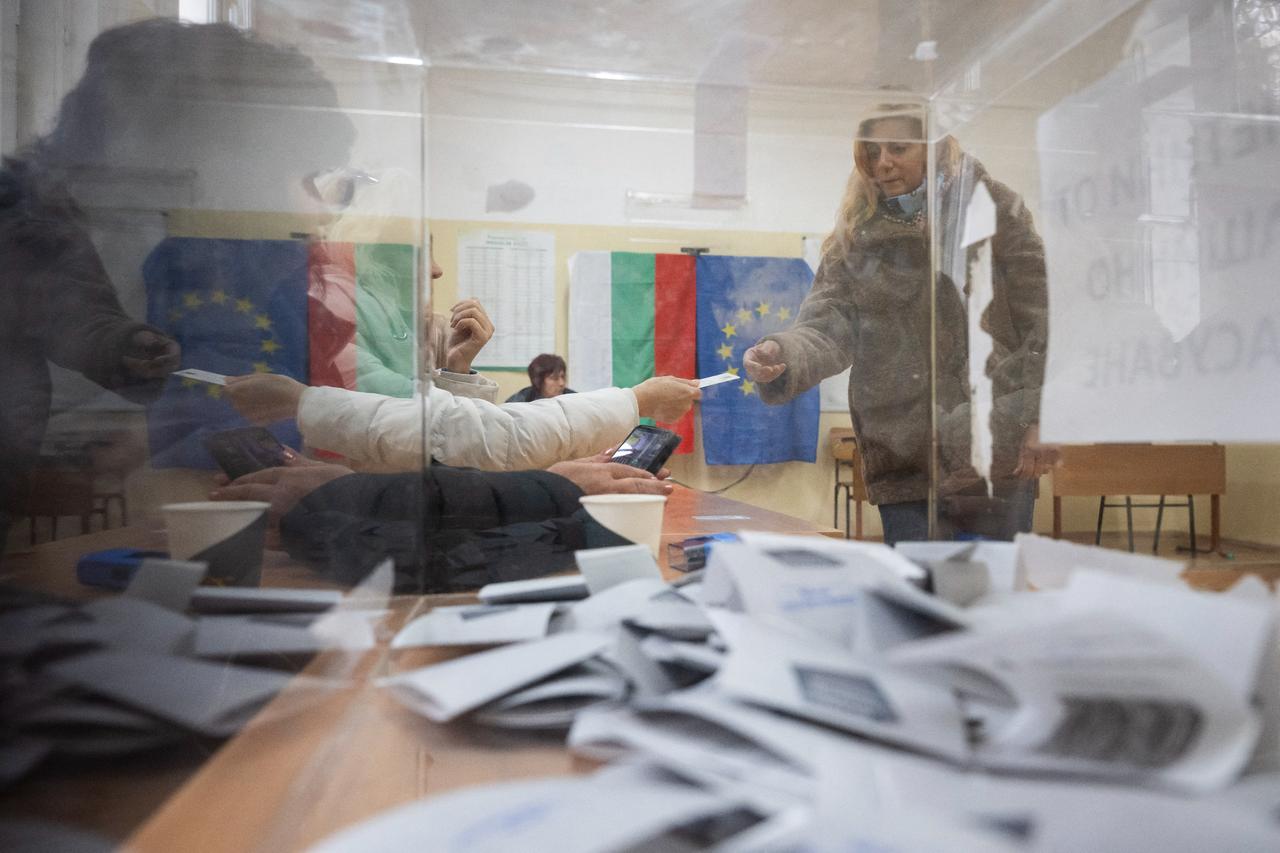


Bulgaria’s incumbent president, Iliana Iotova, who favors dialogue with Moscow and opposes military aid to Ukraine, won Sunday’s presidential runoff, according to exit polls. If the projections hold, she would become the country’s first elected female head of state.
Five exit polls put Iotova between 50.7% and 52.5% of the vote. Her rival, Andrey Gyurov, who is backed by the pro-Western opposition, was projected at between 43.4% and about 44.7%. The figures are preliminary. The Central Election Commission is expected to publish partial results later Sunday and final results on Monday.
Pollsters who appeared on Bulgarian television said the margin was too wide to overturn. Alpha Research put Iotova at 52.5% and Gyurov at 43.4%, a gap of about 170,000 votes. Its analyst Genoveva Petrova said she did not see how the lead could change.
Market Links, which had Iotova at 50.7% and Gyurov at 44%, estimated a gap of about 120,000 votes and called a reversal minimal.
Trend and Gallup International Balkan showed similar results. Trend had Iotova at 51.6% and Gyurov at 43.4%. Gallup gave her 51% to his 44%. Myara had the incumbent at about 51% and Gyurov at about 44.7%.
Trend and Gallup each found that around 5% of voters chose the option “I don’t support anyone.” Trend analyst Evelina Slavkova said on Nova TV that the numbers were telling enough to indicate Bulgaria had an elected president, while noting that official data was still pending.
Myara’s survey also pointed to a split among supporters of the center-right GERB party. About 75% of its voters backed Gyurov and about 20% backed Iotova.
Participation was again weak. Official data showed turnout at 19.33% at 16:00 local time, up from 15.95% at the same hour in the first round on Oct. 25. Exit pollsters estimated turnout at between 25% and 29% by early evening. The first round drew only about 23% of eligible voters, a record low, and it produced the runoff after Iotova finished about 2.8 percentage points ahead of Gyurov.
Iotova, an independent, was vice president until earlier this year, when she took over the presidency after Rumen Radev resigned to lead his party into the general election. Radev’s Progressive Bulgaria, which is friendly toward Moscow, won that vote and endorsed her. The runoff was seen as the party’s first major test since then.
She is expected to continue Radev’s line of keeping Bulgaria on its European path while seeking better relations with Russia and the lifting of sanctions. During a televised debate this week, she said peace in Ukraine “could come only through negotiations.”
Gyurov is an economist, a former deputy governor of the central bank and a former caretaker prime minister who led the country in early 2026.
He signed a security cooperation agreement with Kyiv while in office and has often voiced firm support for Ukraine. He has criticized the government for being reluctant to name Russia as the aggressor and has argued that Bulgaria should take part in European decisions from the start.
“When you have no position and are not at the table, you are in fact on the menu,” he said of the country’s standing in Europe.
 2 min read
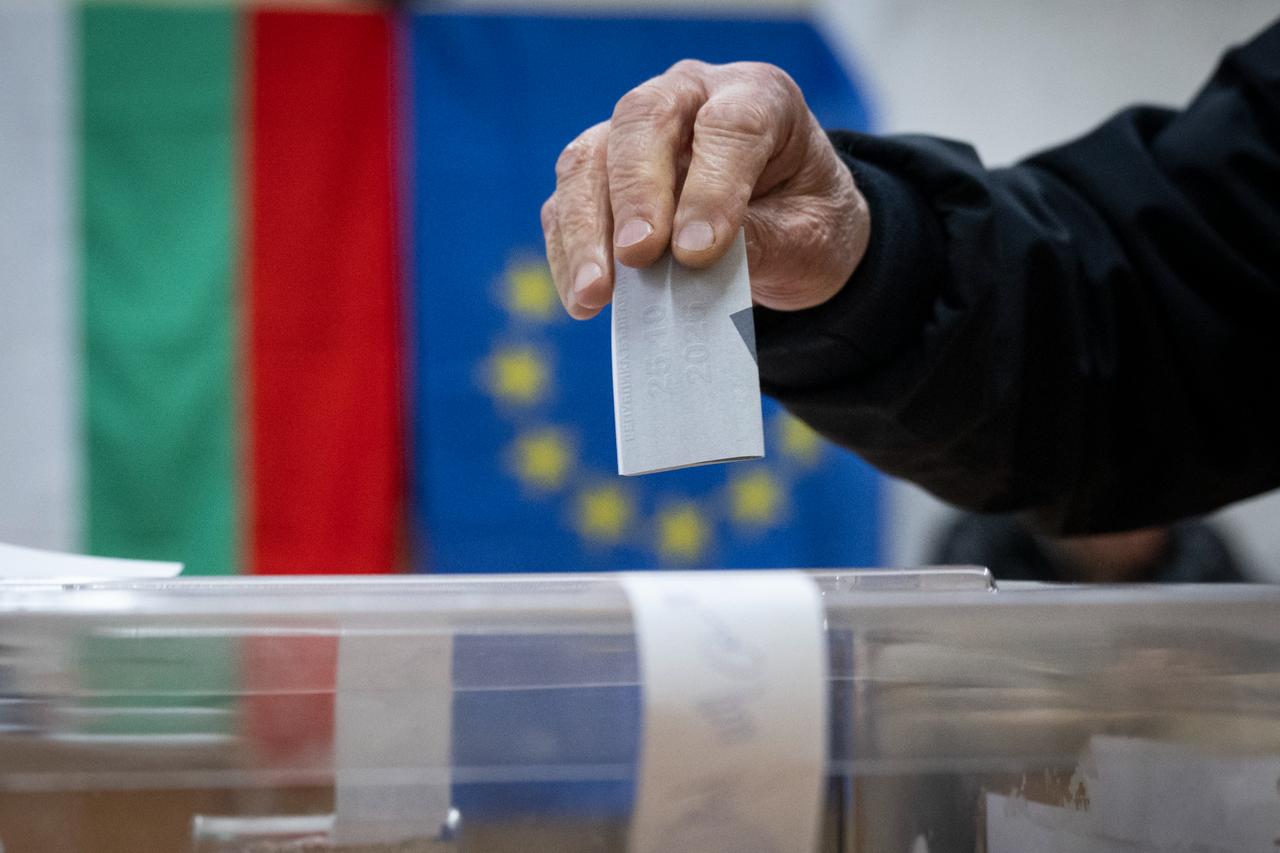
The vote took place amid economic hardship and a rise in drone attacks on Black Sea shipping that have left several sailors dead or missing.
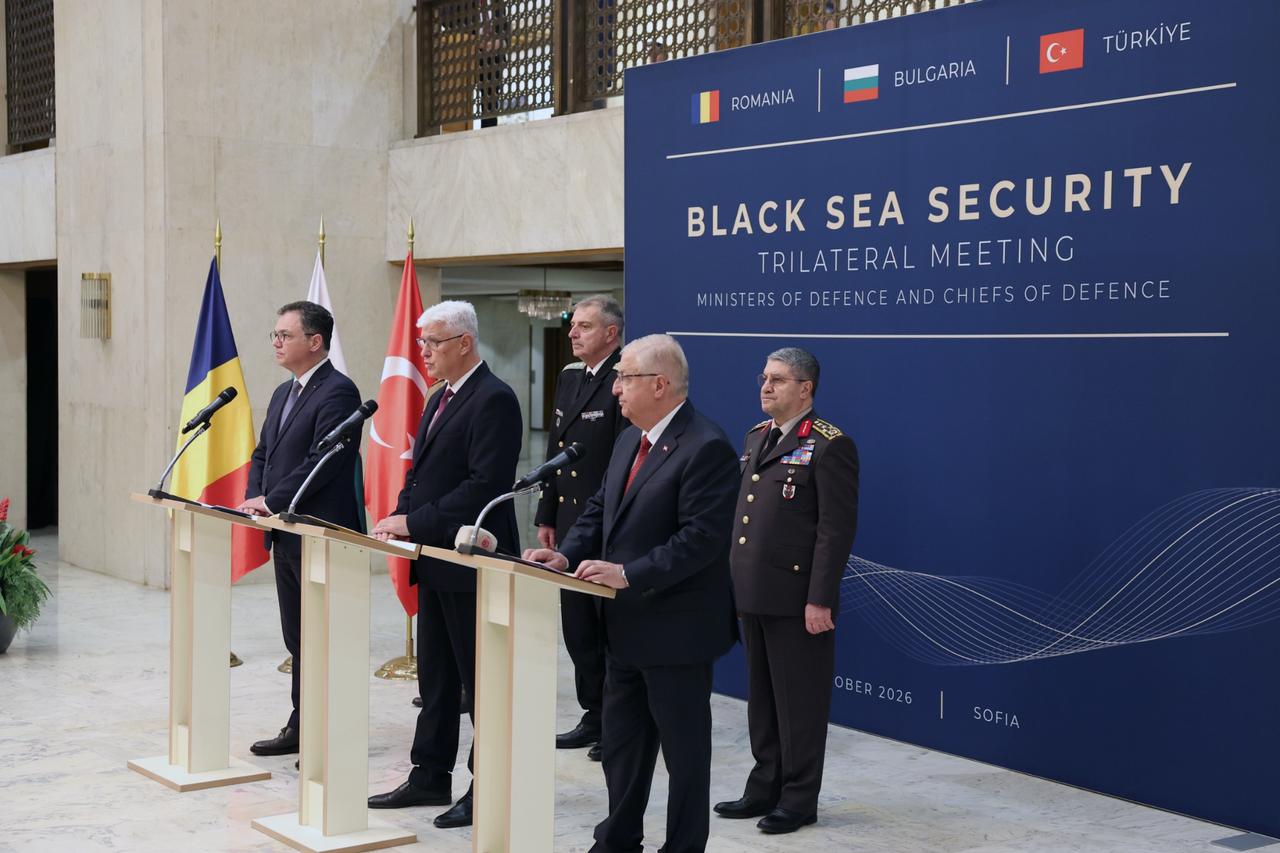
Both candidates call for a diplomatic solution to the war in Ukraine, but both have been evasive on whether Russia is involved in the attacks. Iotova has proposed a security meeting of all six Black Sea countries to sign a moratorium on hostilities.
Some observers warn that an Iotova victory would keep the presidency aligned with the ruling majority, which could weaken checks and balances. In Bulgaria’s parliamentary system the presidency is largely ceremonial, but the head of state commands the armed forces and can influence appointments and foreign policy messaging.


 Set as preferred source
 Set as preferred source



 1 min read