Newsletters


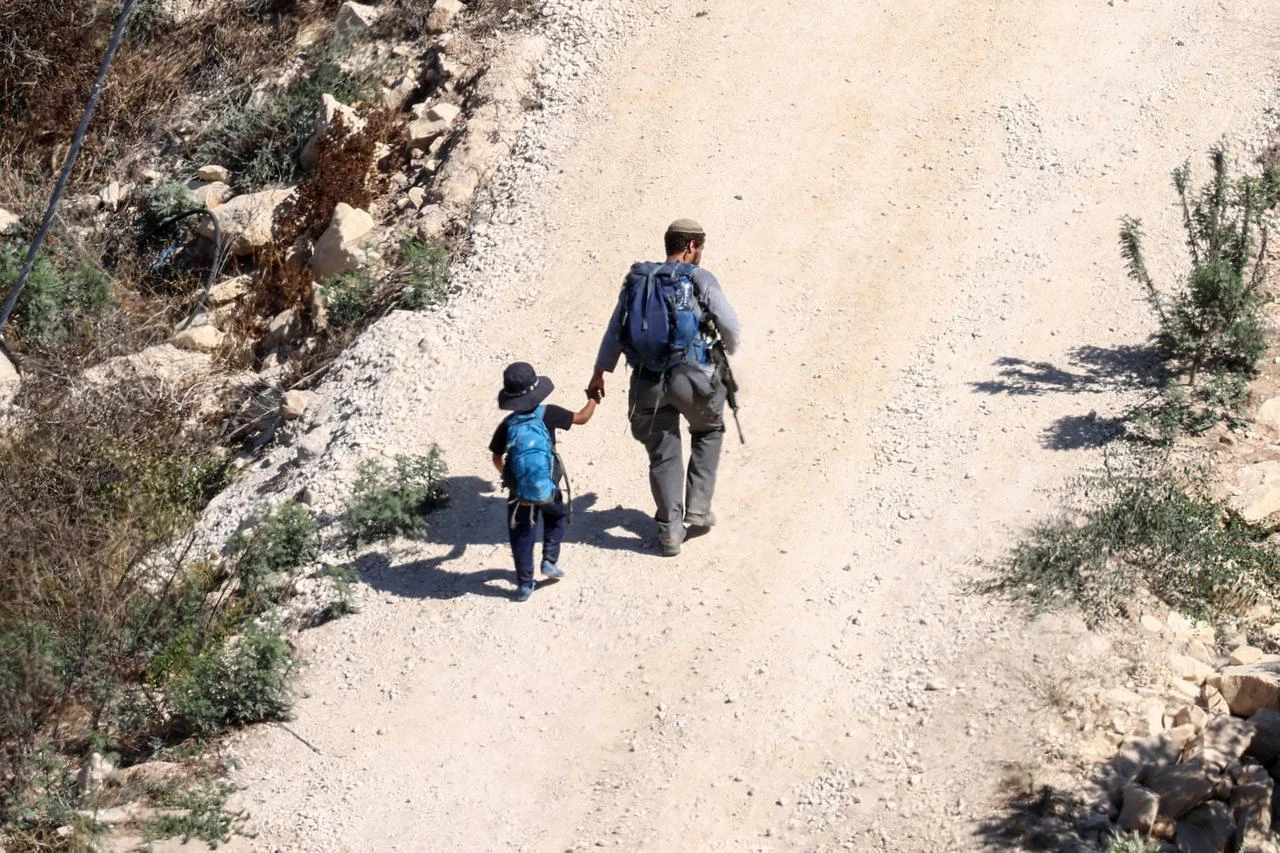


A new Israeli Voice Index survey from the Israel Democracy Institute's Viterbi Center found that most Israelis consider peace with Syria important but unlikely to be achieved soon. Meanwhile, sharp divides emerged between Jewish and Arab respondents, and among Jewish political camps, regarding Iran policy, violence in the occupied West Bank, and a cluster of recently passed coalition-backed laws.
The survey was conducted July 28–Aug. 2, 2026, among a representative sample of 600 Hebrew-speaking and 151 Arabic-speaking respondents aged 18 and older.
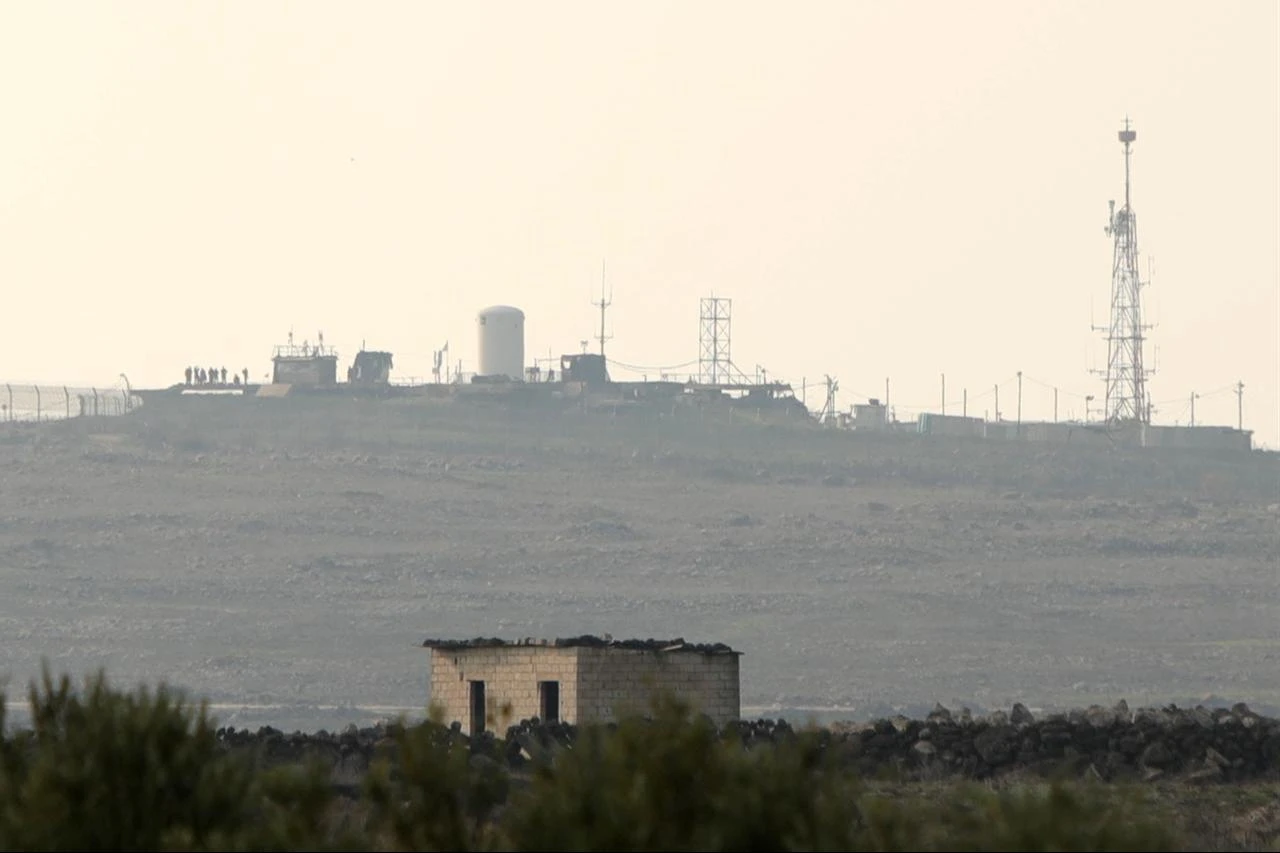
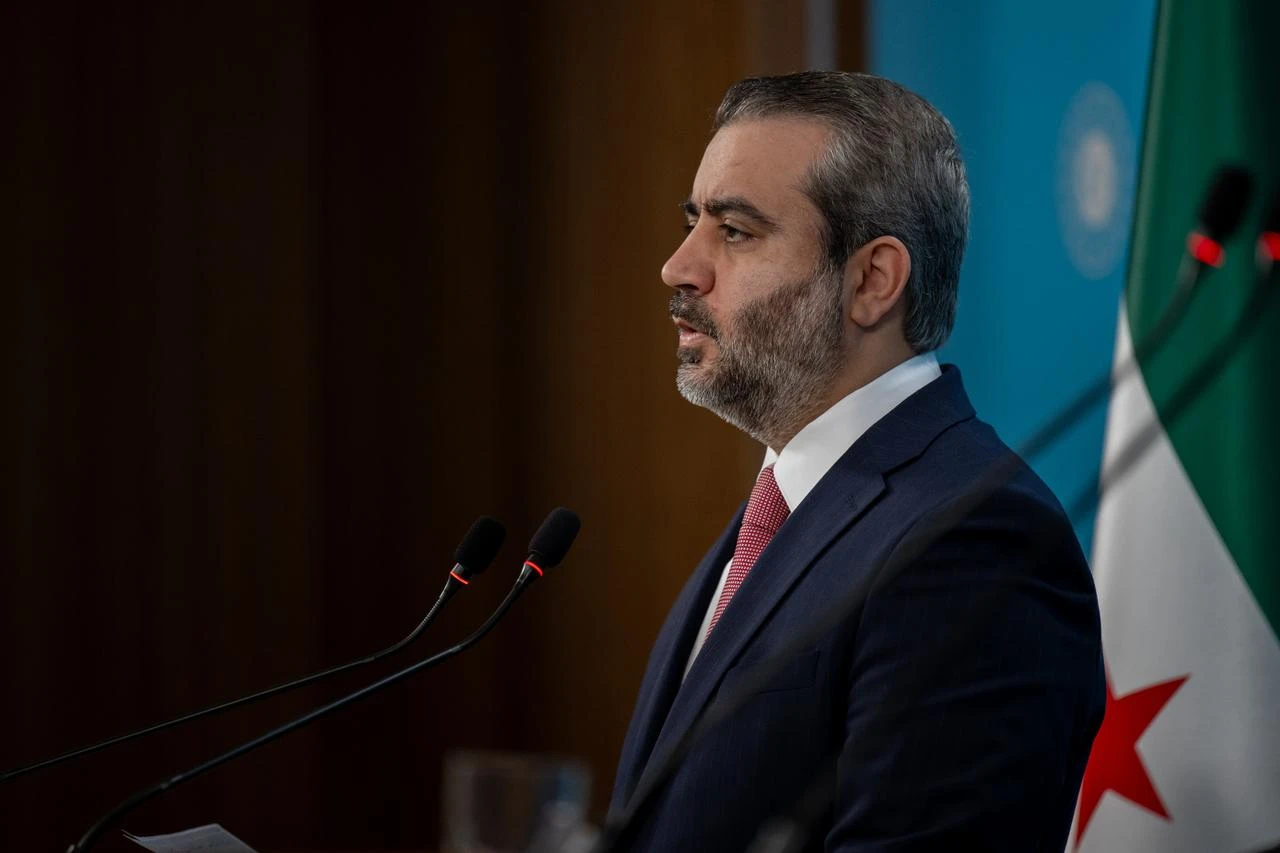
The survey asked respondents about the prospects for reaching a comprehensive peace agreement with Syria, following the Syrian President Ahmad al-Sharaa's statement to Al Jazeera that Damascus is seeking a security agreement with Israel that could pave the way to broader peace.
The public was largely pessimistic: 62% of the full sample rated the chances of such an agreement as low, compared to approximately 30% who rated them as high.
Arab respondents were notably more optimistic than Jewish respondents; 40% of Arabs rated the chances as high (and 48% low), compared with just 27.5% of Jews (and 65% low).
Asked separately how important reaching a peace deal with Syria is for Israel today, a clear majority of the full sample (63%) said it is fairly or very important, versus 28.5% who said it is not particularly or not at all important.
Here, the pattern reversed: 68% of Jewish respondents said such a deal is fairly or very important (only 24% said it carries little importance), while among Arab respondents only 38% said it is important, with about half (51%) stating it is not particularly or not at all important.
The survey noted that, taken together, Jewish respondents are more pessimistic about the chances of a Syria deal but attach greater importance to it, while Arab respondents are more optimistic about the chances but attach less importance to it.
Among Jewish political camps, large majorities across the left, center, and right all said reaching a Syria peace deal is important, though at differing rates: 86% on the left, 75% in the center, and 62% on the right.
Assessments of the actual likelihood of achieving such a deal were more closely clustered across camps, with the center somewhat more optimistic than the left and right, which were close to each other and slightly lower.
In every camp, the share saying a deal is important far exceeded the share believing it is likely, with the largest gap on the left (58 percentage points), followed by the center and right (40 and 37 points, respectively).

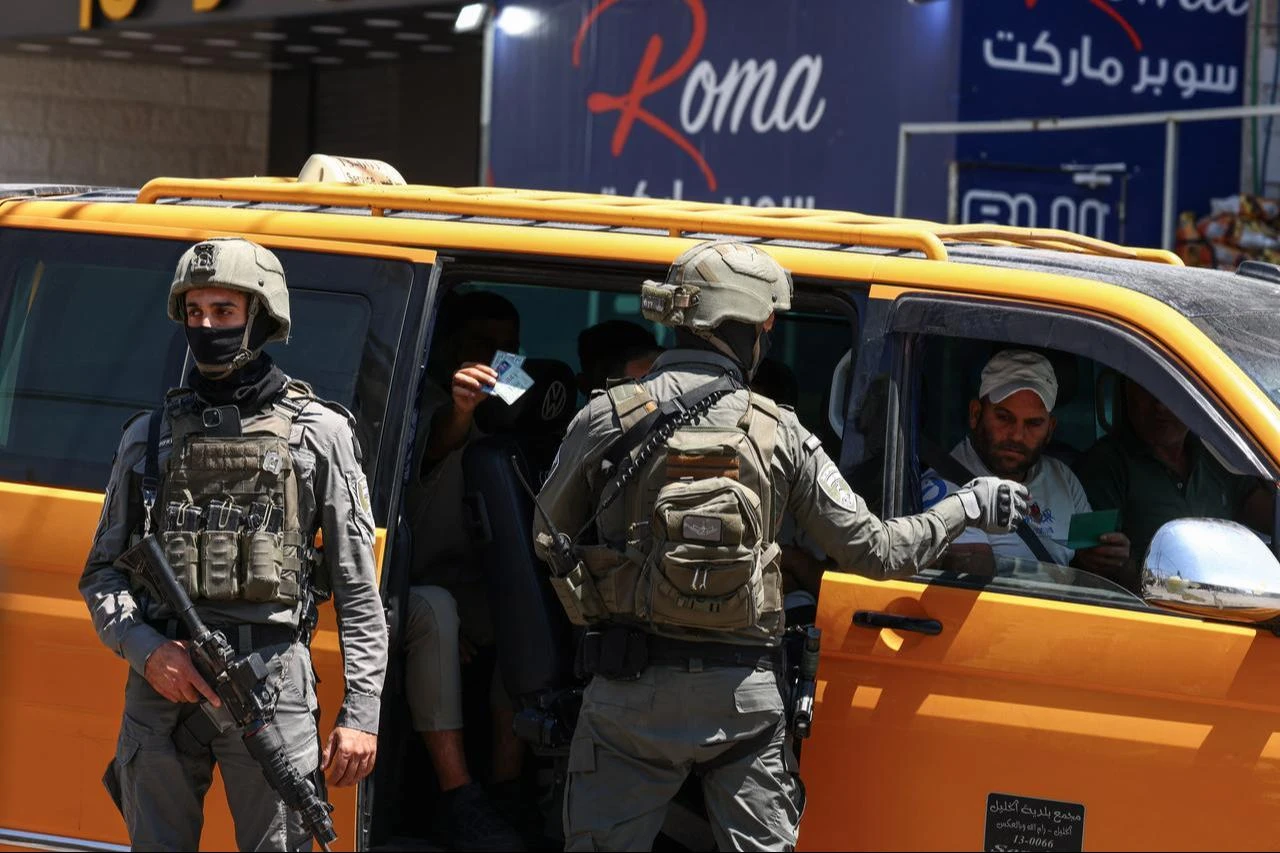
A large majority of the full sample (72%) said they believe there is a high likelihood of a Palestinian popular uprising (intifada) in the foreseeable future, versus 22% who said the likelihood is low, a notable increase from the last time this question was asked, in November 2025, when 59% expected an uprising.
The gap between Jewish and Arab respondents was significant.
About 80% of Jewish respondents now expect a Palestinian uprising, up from roughly two-thirds in the earlier measurement, while among Arab respondents the current share anticipating an uprising remains far lower, under 40%, similar to earlier measurements.
Across Jewish political camps, expectations of a high likelihood of an uprising were consistently high with relatively small differences: left 84%, center 76%, right 78%.
On the conduct of security forces toward illegal settlers involved in violence against Palestinians, the survey found stability among Jewish respondents over roughly the past year, with the largest share (about 46%) consistently saying security forces act too leniently toward such settlers, and about a quarter saying the response is too harsh.
Among Arab respondents, more than half said authorities act too leniently, similar to a year earlier; 10.5% said the response is too harsh, consistent with November 2025 and July 2025 measurements but different from an outlier reading in April 2026.
As expected, gaps between Jewish political camps were large.
Clear majorities on the left and in the center said the response to violent settlers is too lenient (86.5% and 63%, respectively), while on the right a smaller share held this view (31%), with a larger share (37%) saying the response is too harsh.
According to the survey, optimism levels changed only marginally this month on the two topics that consistently rank lowest, Israel's social cohesion and economic future, while optimism rose slightly regarding the future of Israeli democratic governance (up 3 points to 40%, matching May's level) and national security (up to 37% from 34% the previous month).
Jewish respondents were consistently more optimistic than Arab respondents across all measured categories, with the widest gap on national security optimism (41% among Jews versus 14% among Arabs, a 27-point gap), followed by economic optimism (33% versus 9%) and optimism about democratic governance (43% versus 24.5%).
The smallest gap was on social cohesion, at just 2 points (22% versus 20%).
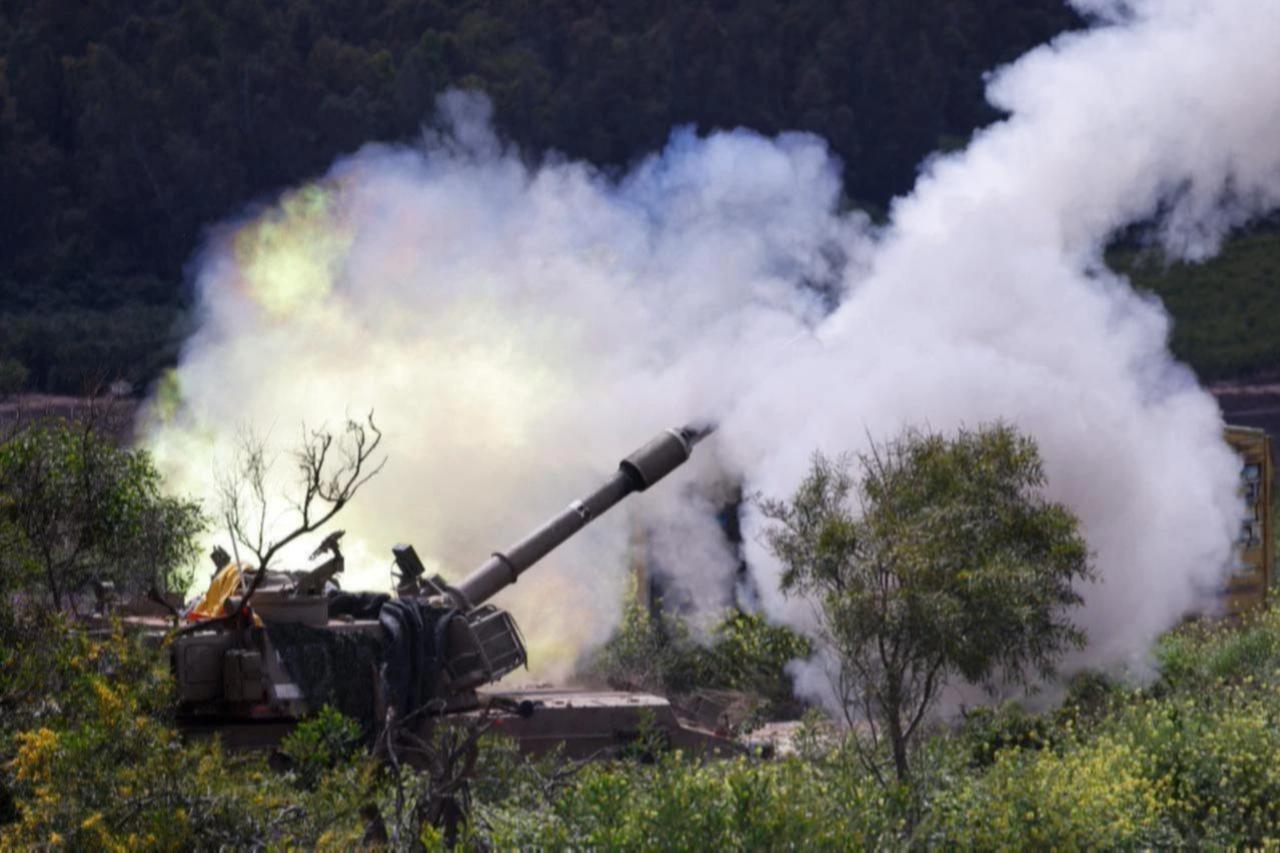
Asked what position Israel should adopt regarding the U.S. campaign against Iran, more than a third of the full sample (37%), the largest single group, said Israel should avoid military involvement and respond only if directly attacked.
Approximately one-fifth (20%) supported Israel working to persuade the U.S. to launch a joint military operation. A similar share (18%) said Israel should join a U.S. attack only if Washington requests it, while 16% stated Israel should strike even without U.S. agreement or coordination.
A pronounced gap emerged between Jewish and Arab respondents.
Roughly two-thirds of Arab respondents supported avoiding military involvement and responding only to a direct Iranian attack. While this was also the most common position among Jewish respondents, it was held by only about a third, with the remaining views distributed fairly evenly at around 20% each.
Among Jewish political camps, nearly 60% on the left supported avoiding involvement unless attacked, with about a fifth favoring joining an operation only at the request of the U.S.
The center leaned in the same direction, though without a clear majority.
The right wing showed significantly more support for initiating action, whether by persuading the U.S. toward a joint strike or acting entirely without U.S. agreement.


 Set as preferred source
 Set as preferred source


 1 min read
 1 min read