Newsletters


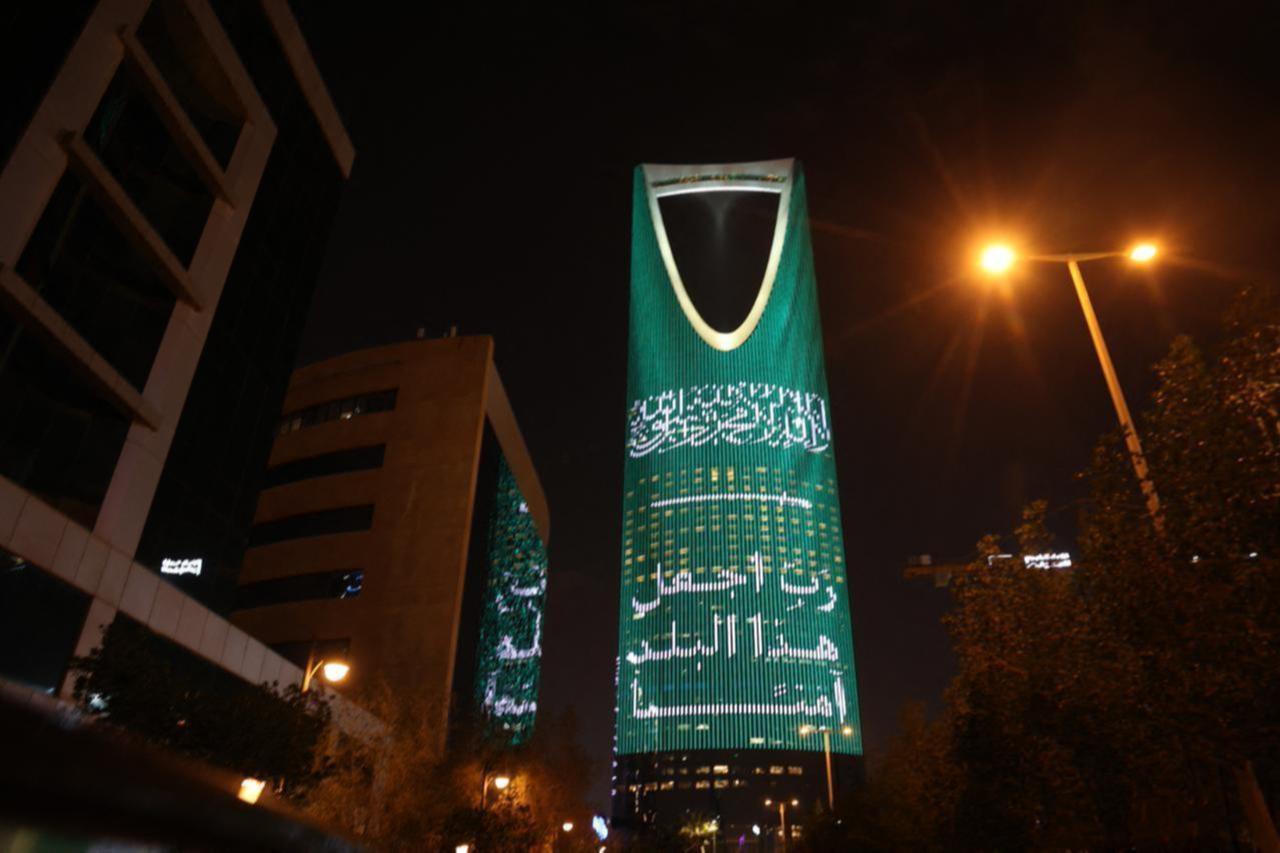


Saudi Arabia said four people were injured and minor damage was reported after debris from an intercepted ballistic missile struck a residential area in the capital Riyadh on Wednesday. The incident came after multiple explosions rocked the city, hours after Iran warned it would target five oil and gas facilities across Saudi Arabia, the United Arab Emirates and Qatar in retaliation for an Israeli strike on its South Pars gas field, the largest offshore gas field in the world.
Residents reported hearing at least four loud blasts over Riyadh, with Saudi authorities confirming air defenses were engaging a ballistic missile threat over the capital.
A New York Times journalist in Riyadh reported witnessing what appeared to be an interceptor missile shooting up into the sky shortly after multiple loud booms echoed across the city.
AFP journalists reported hearing the same explosions, and Reuters witnesses corroborated at least two distinct booms. No immediate details on casualties or damage were available.
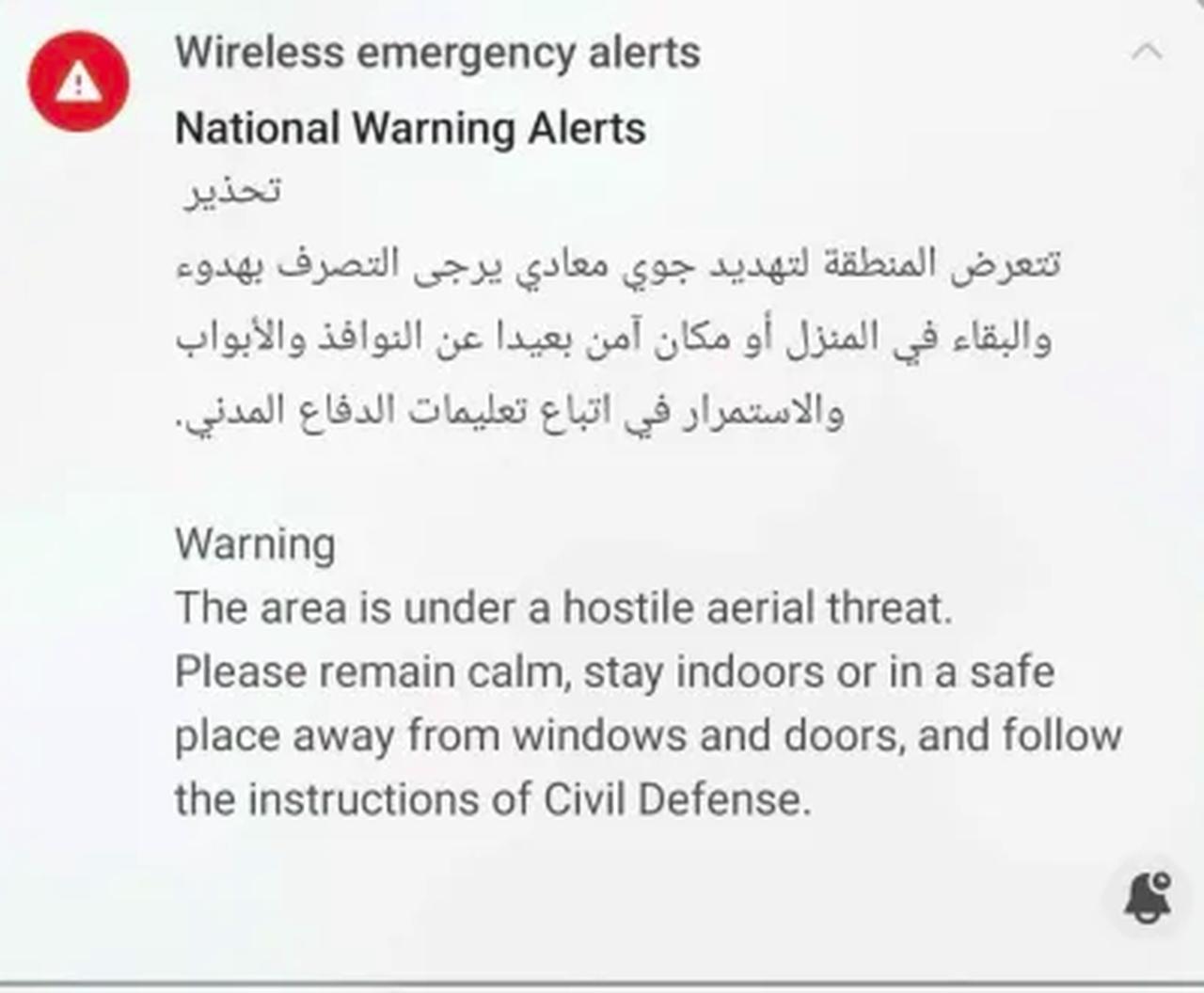
Shortly after the blasts, at approximately 7:23 p.m. local time, residents received sudden national warning alerts on their mobile phones from Saudi Civil Defense. The bilingual message, issued in Arabic and English, warned that "the area is under a hostile aerial threat" and instructed people to "remain calm, stay indoors or in a safe place away from windows and doors."
The Gulf kingdom has been a recurring target of Iranian missile and drone attacks since the US-Israeli military campaign against Iran began on February 28, with previous strikes aimed at Saudi Arabia's vast energy installations and Riyadh's diplomatic quarter.

Earlier on Wednesday, Iran issued an explicit threat to strike energy infrastructure across three Gulf states. In a statement carried by the semiofficial Tasnim news agency, Iranian authorities identified five specific facilities: Saudi Arabia's SAMREF refinery and Jubail petrochemical complex, the UAE's Al Hosn gasfield, and Qatar's Ras Laffan refinery and Mesaieed petrochemical complex.
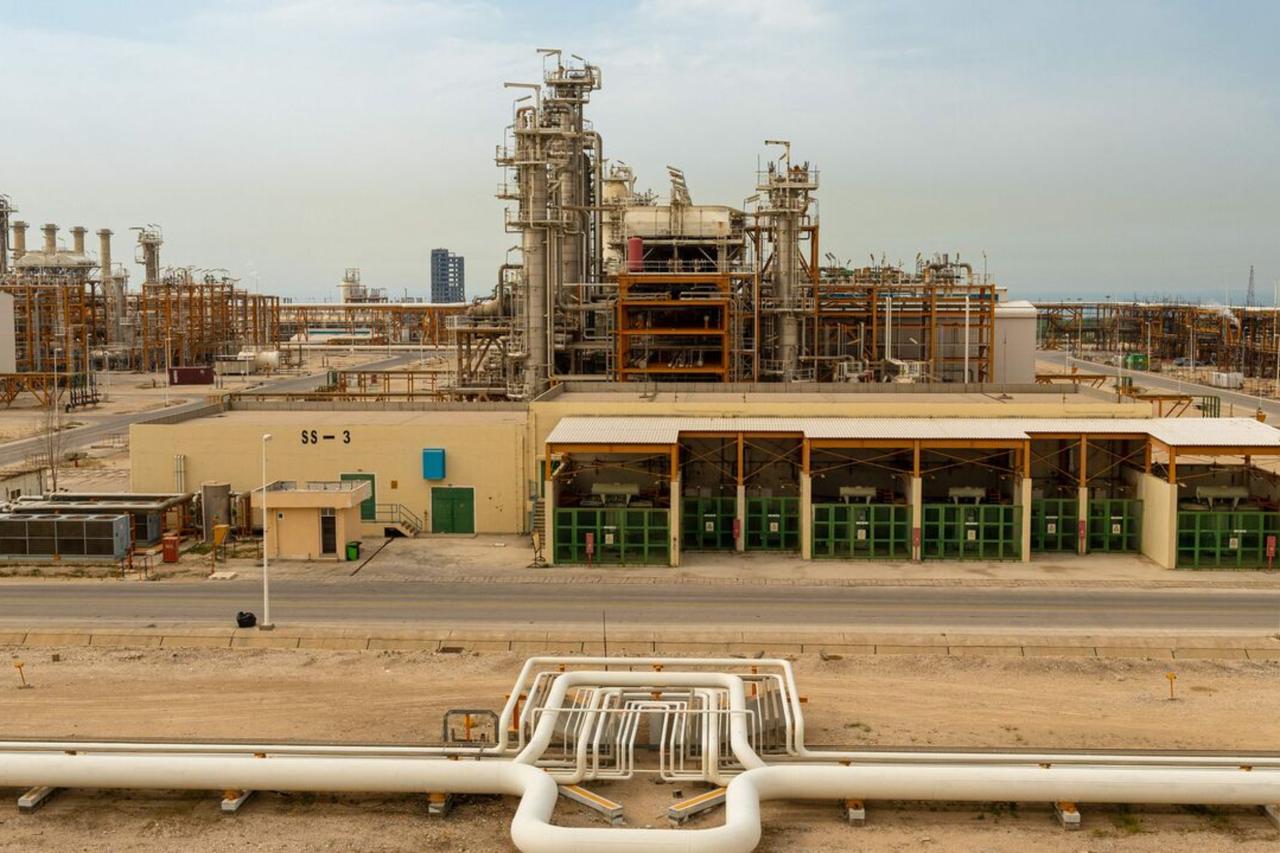
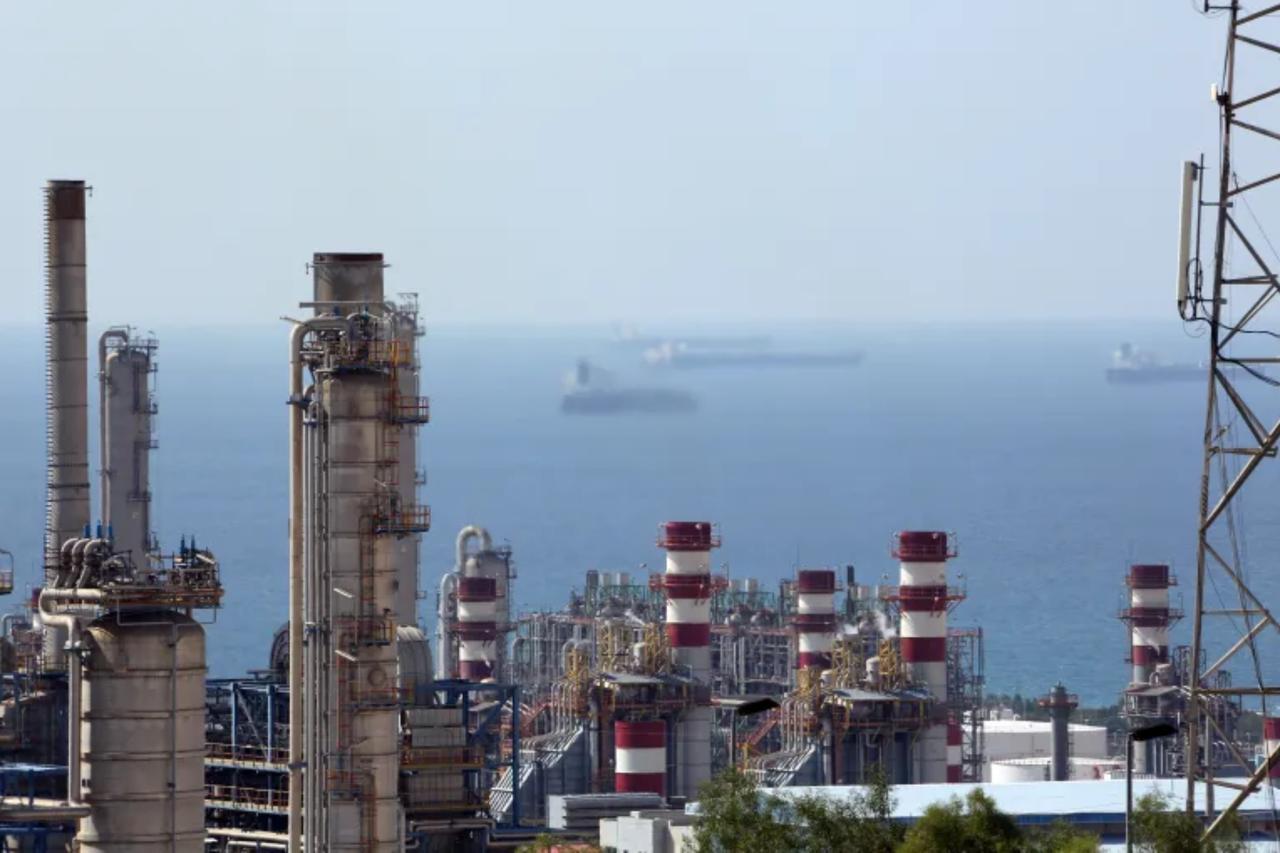
The threat followed an attack on Iran's South Pars field, located off the coast of southern Iran's Bushehr province. Iran's Ministry of Petroleum said a number of facilities sustained damage but reported no immediate casualties, adding that a fire at the site had been brought under control. Israeli media, citing unnamed sources, attributed the strike to the Israeli air force.
Israel and the United States have struck a range of targets across Iran, including oil facilities, since the conflict began.
 2 min read
Qatar moved swiftly to denounce the Israeli attack, with foreign ministry spokesperson Majed al-Ansari noting that Iran's South Pars field is a geological extension of Qatar's own North Field, making the strike a matter of direct national concern.
Al-Ansari called the attack "a dangerous and irresponsible step amid the current military escalation in the region," adding that "targeting energy infrastructure constitutes a threat to global energy security, as well as to the peoples of the region and its environment."
He called on all parties to exercise restraint and work toward de-escalation.


 Set as preferred source
 Set as preferred source


 1 min read