Newsletters


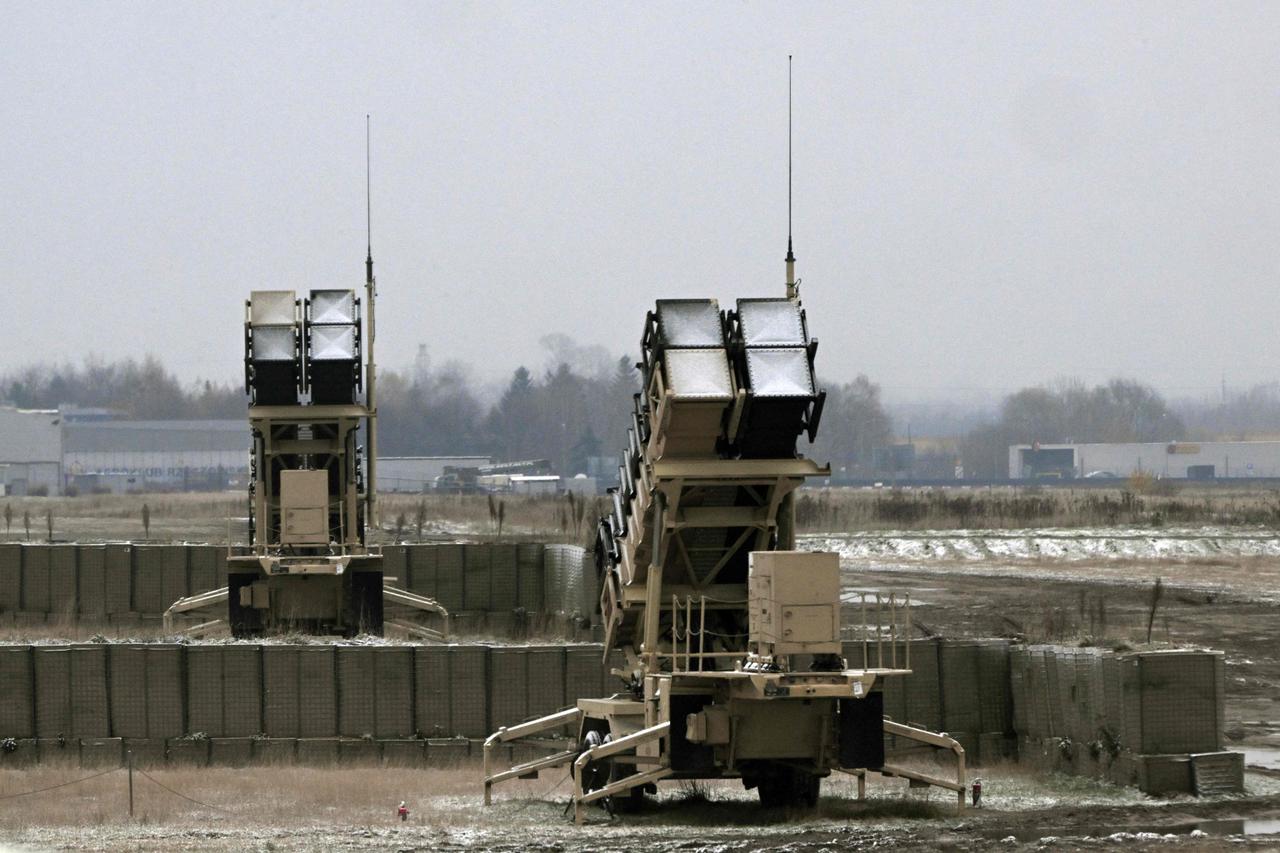


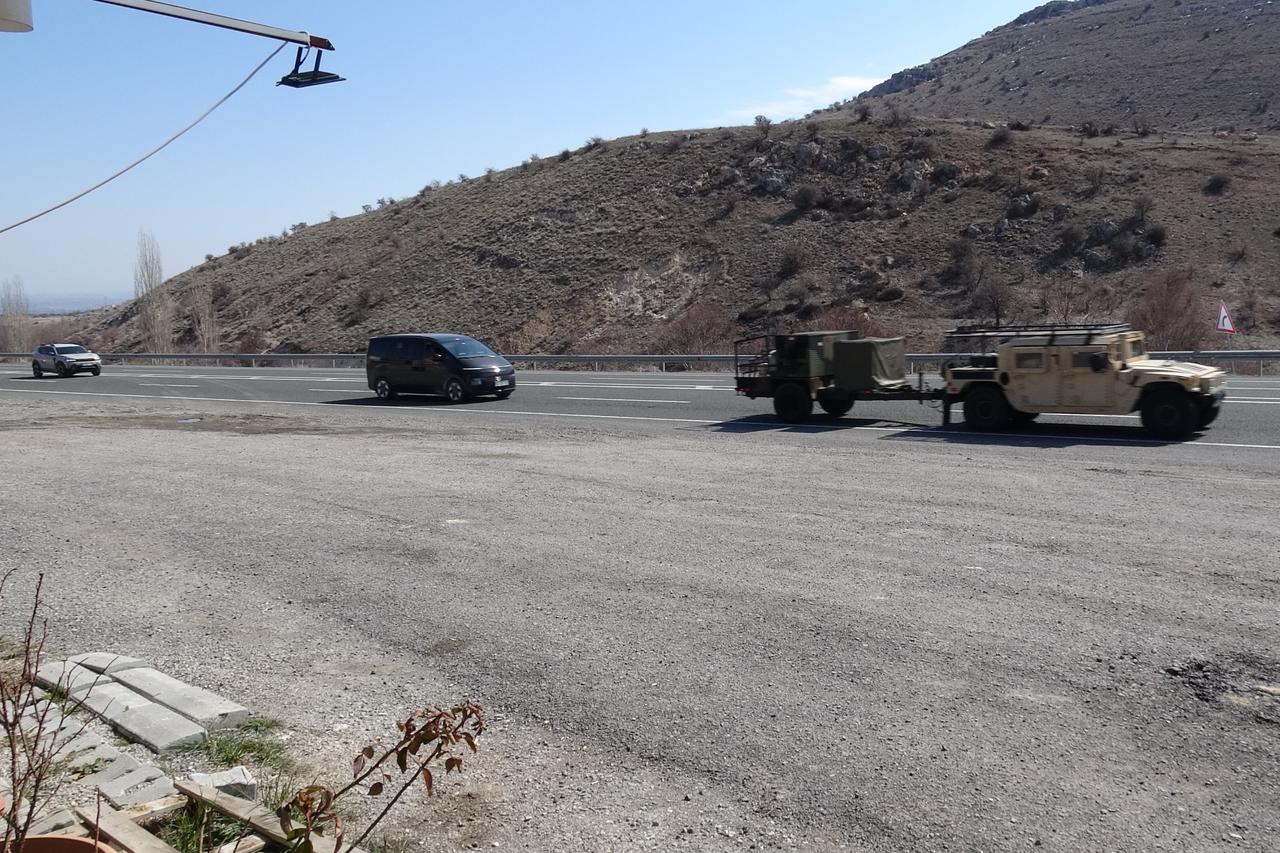
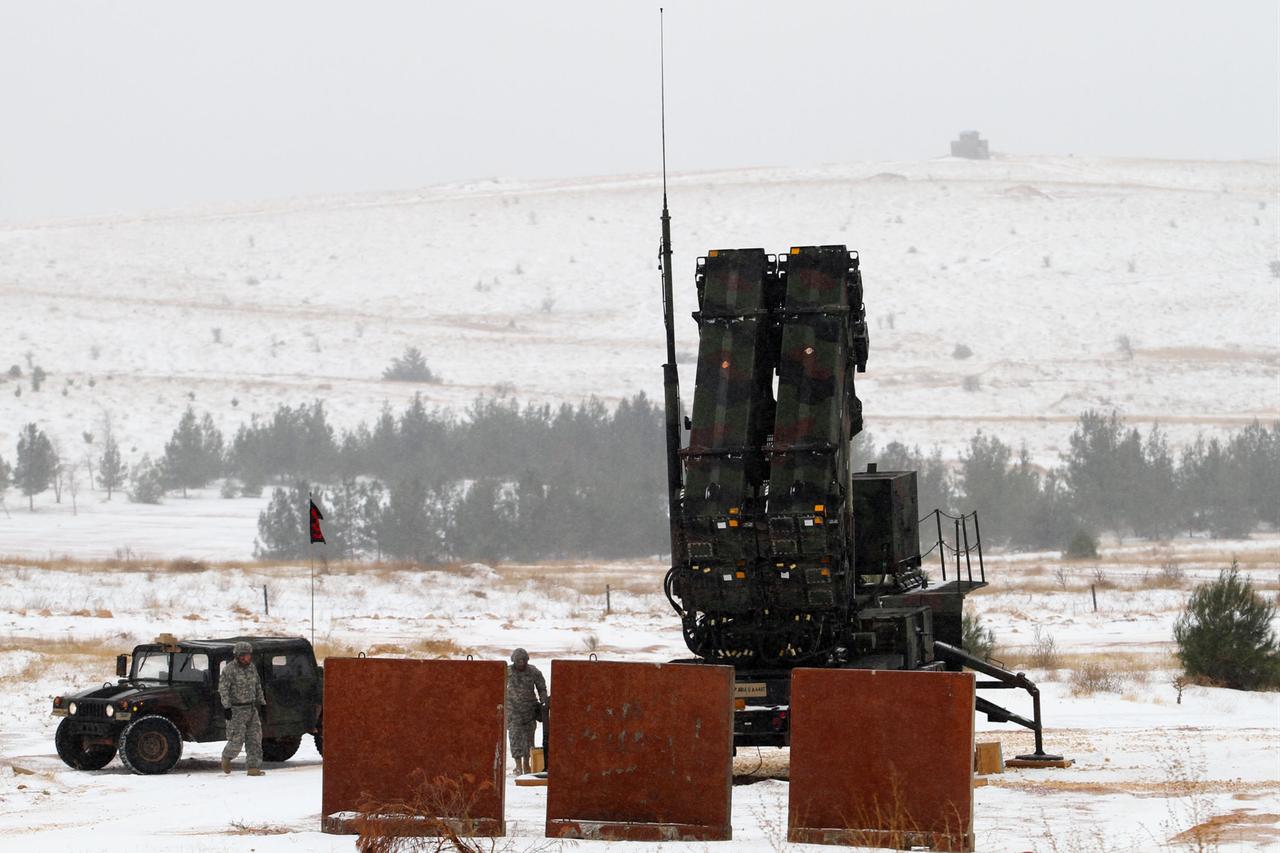
Türkiye's Ministry of National Defense spokesman Rear Admiral Zeki Akturk stated on Wednesday that a second Patriot air defense system, assigned by the Allied Air Command (AIRCOM) at Ramstein in Germany, is being deployed to Adana's Incirlik Air Base, in addition to an existing Spanish Patriot system already stationed there.
 Breaking News, Direct to You.
 Follow Türkiye Today on WhatsApp
for real-time updates and key insights from Türkiye and beyond.
Follow Türkiye Today on WhatsApp
for real-time updates and key insights from Türkiye and beyond.
The move comes after a ballistic missile from Iran entered Türkiye’s airspace on March 13.
The weekly ministry press briefing was held at the 10th Main Jet Base Command at Adana/Incirlik, under the Combat Air Force Command.
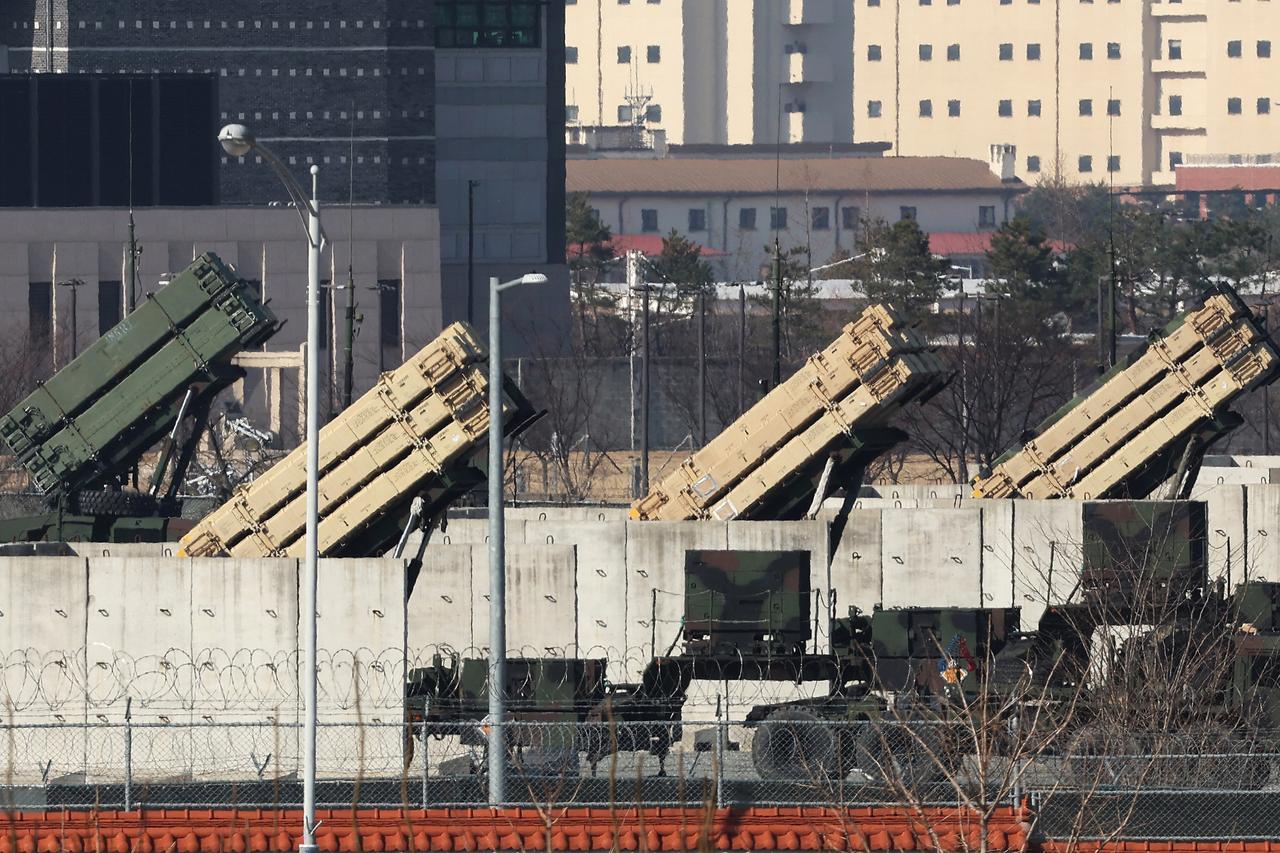
The Patriot is a mobile air-defence system designed to intercept tactical ballistic missiles, low-flying cruise missiles and aircraft.
The PAC-2 version has an interception range of up to 70 kilometres (43.5 miles) against aircraft and cruise missiles, while the PAC-3 has a range of 20 to 35 kilometres against ballistic missiles, according to U.S. Army data.
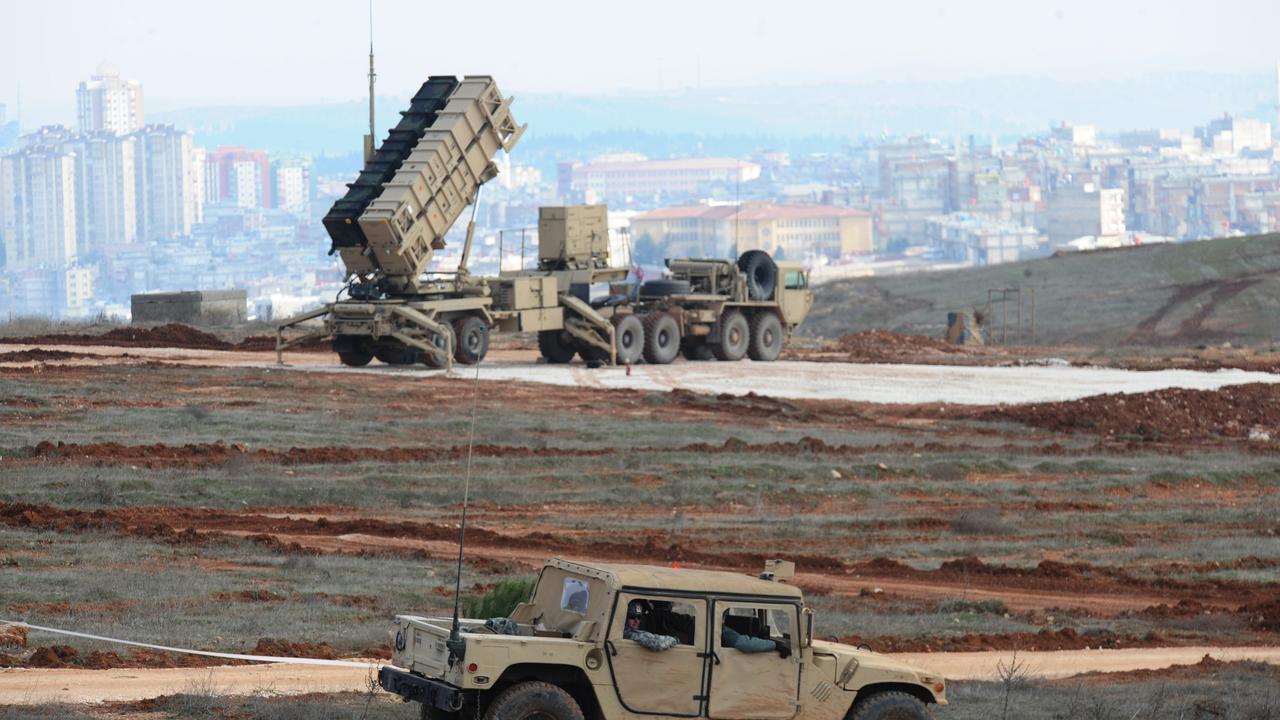

Ministry spokesperson Rear Admiral Zeki Akturk confirmed that a ballistic munition fired from Iran and entering Turkish airspace on March 13 was neutralized by NATO air and missile defense assets in the Eastern Mediterranean.
"To ensure the security of our airspace and citizens, in addition to national-level measures, a Patriot system assigned by Allied Air Command in Ramstein, Germany, is being deployed to Adana, in addition to the existing Spanish Patriot system already stationed there," Akturk said at the weekly briefing held at the 10th Main Jet Base Command at Incirlik.
The new deployment means Adana will host two NATO Patriot batteries alongside its existing Turkish air defense assets.
A third Patriot system was previously deployed to Malatya.
Akturk said contacts with the relevant country were continuing to clarify all aspects of the incident, and that "all necessary measures against any threat to our national security are being taken with determination."
The March 13 interception was the third time Iranian missiles entered Turkish airspace since the war began, following incidents that produced debris in Hatay on March 4 and in Gaziantep and Diyarbakir on March 9.
The ministry addressed the Strait of Hormuz situation, calling it of "strategic importance for global energy supply security and the continuity of international maritime trade."
"Preserving freedom of navigation in the region and preventing escalation are of great importance. Türkiye evaluates developments from the perspective of regional peace and stability and reiterates its call on all parties for moderation and compliance with international law," the ministry said.
Akturk also criticized Israel's ground operation and airstrikes in Lebanon, saying they were "deepening regional instability" and "seriously violating international and humanitarian law." He reaffirmed Türkiye's support for Lebanon's sovereignty and territorial integrity.
He noted that Israel continued to violate the Gaza ceasefire and was maintaining pressure on the West Bank, including blocking Muslims' right to worship during the holy month of Ramadan.


 Set as preferred source
 Set as preferred source


 1 min read
 1 min read