

 Newsletters


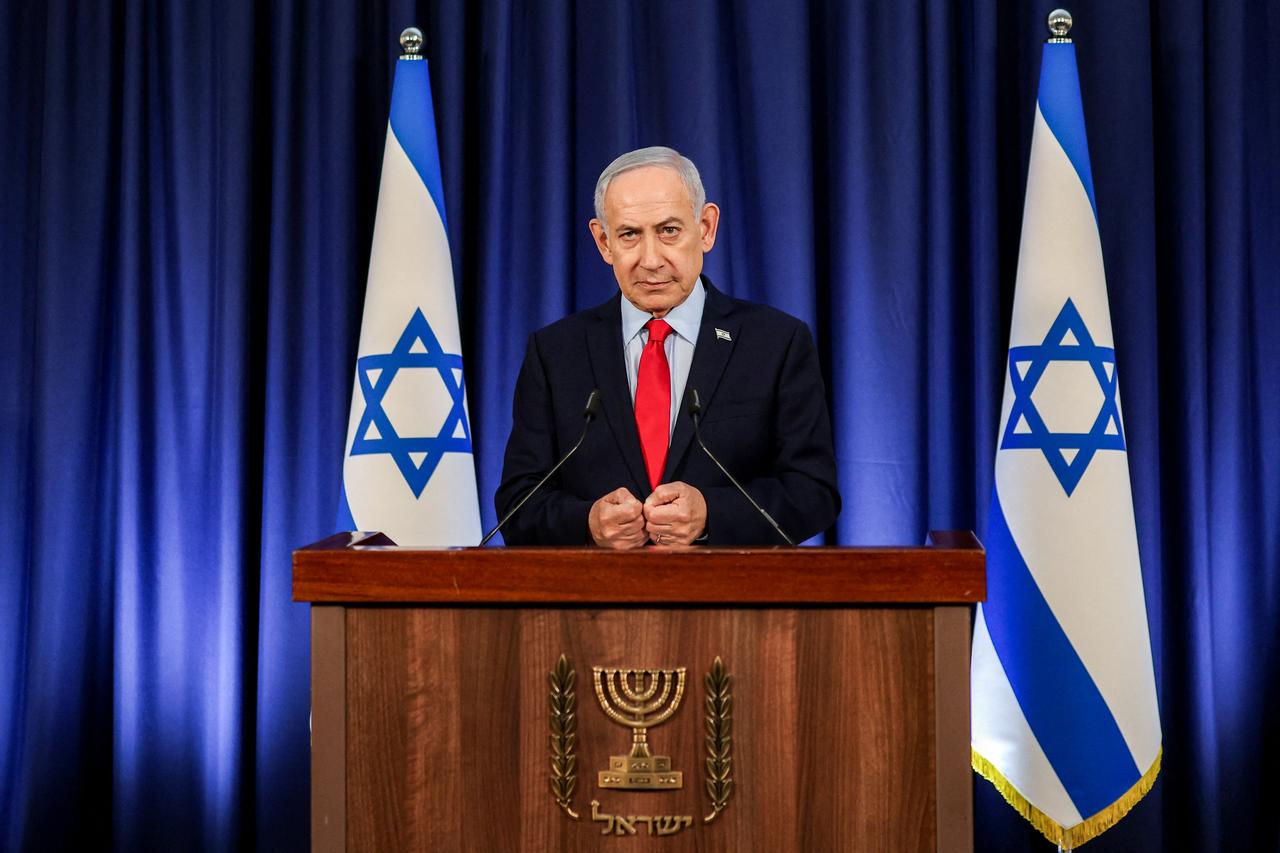


Israeli Prime Minister Benjamin Netanyahu confirmed late Thursday that U.S. President Donald Trump asked Israel to halt future attacks on Iranian gas field facilities, and that Israel was complying, after an Israeli strike on the South Pars gas field this week triggered retaliatory Iranian attacks on Gulf energy infrastructure and sent global prices spiraling.
"Fact number one, Israel acted alone against the Asaluyeh gas compound. Fact number two, President Trump asked us to hold off on future attacks, and we're holding off," Netanyahu told a virtual press conference with foreign reporters.
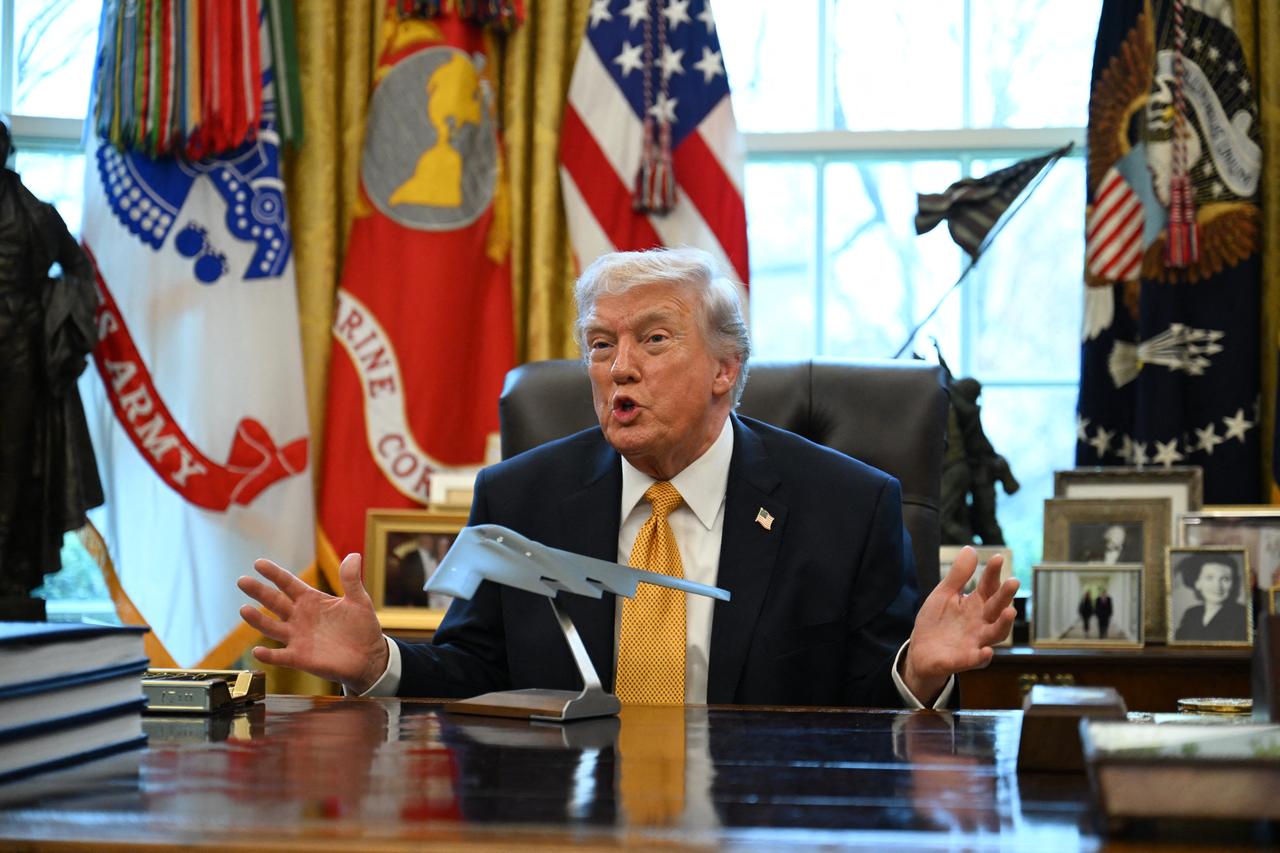
Trump confirmed the friction, saying he had told Netanyahu not to hit Iranian gas fields again.
"We get along great. It's coordinated, but on occasion, he'll do something" that Washington opposes, Trump said.
The Israeli strike on South Pars, which supplies about 70% of Iran's domestic energy needs, provoked a wave of Iranian retaliatory attacks on Gulf energy facilities.
Iranian missiles hit Qatar's Ras Laffan natural gas complex, causing what Qatar Energy said was "extensive damage" that could cost $20 billion a year in lost revenue and take five years to repair.
Iran also struck the Samref refinery in Saudi Arabia's Red Sea port of Yanbu, sparked fires at Kuwait's Mina Abdullah and Mina Al-Ahmadi refineries, with a combined capacity of 800,000 barrels per day, and hit an oil refinery in the Israeli port of Haifa.
 2 min read
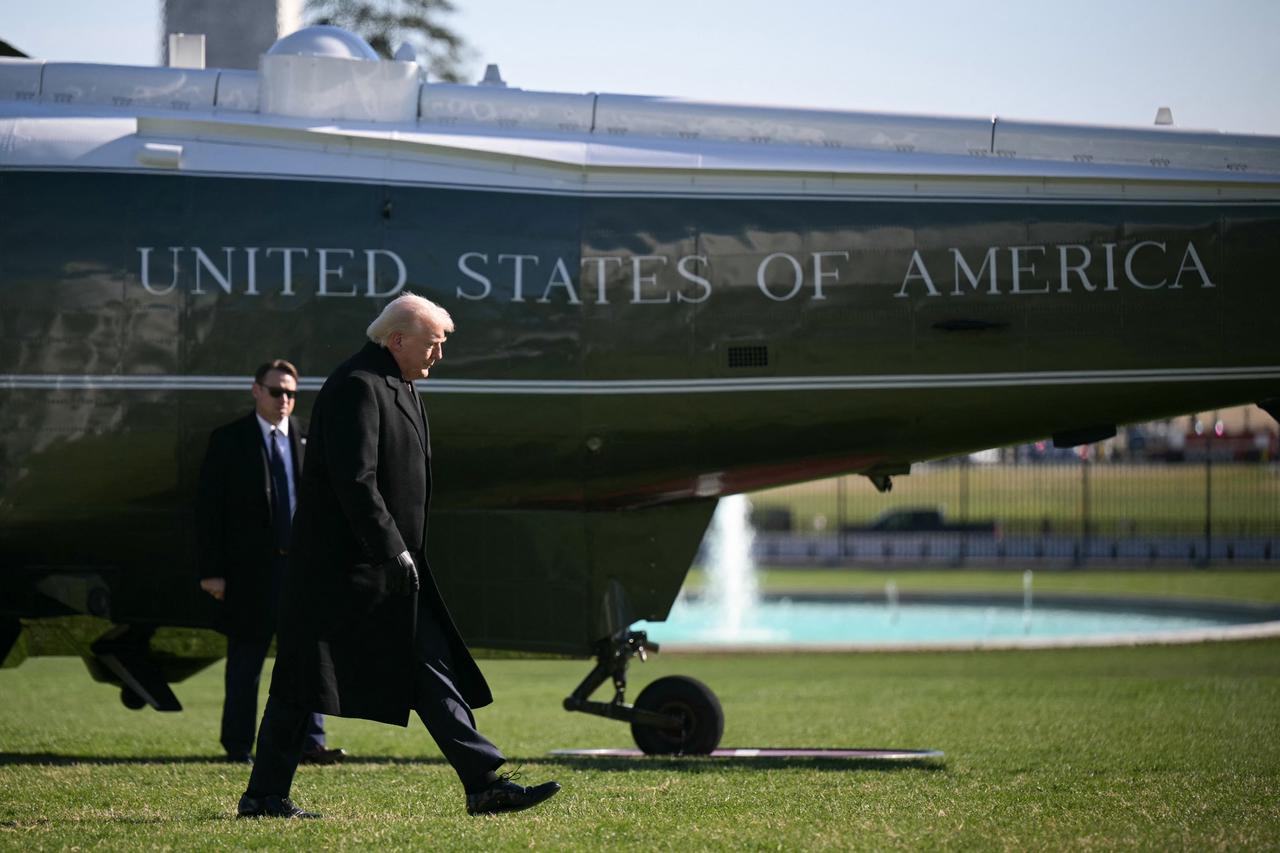
Trump warned that the United States would "blow up" South Pars if Tehran did not stop attacking Qatar.
Iran's military command vowed the "complete destruction" of Gulf energy infrastructure if the Israeli attack was repeated.
Iran's Foreign Minister Abbas Araghchi also stated that there would be "ZERO restraint" if Iran's infrastructure was hit again.
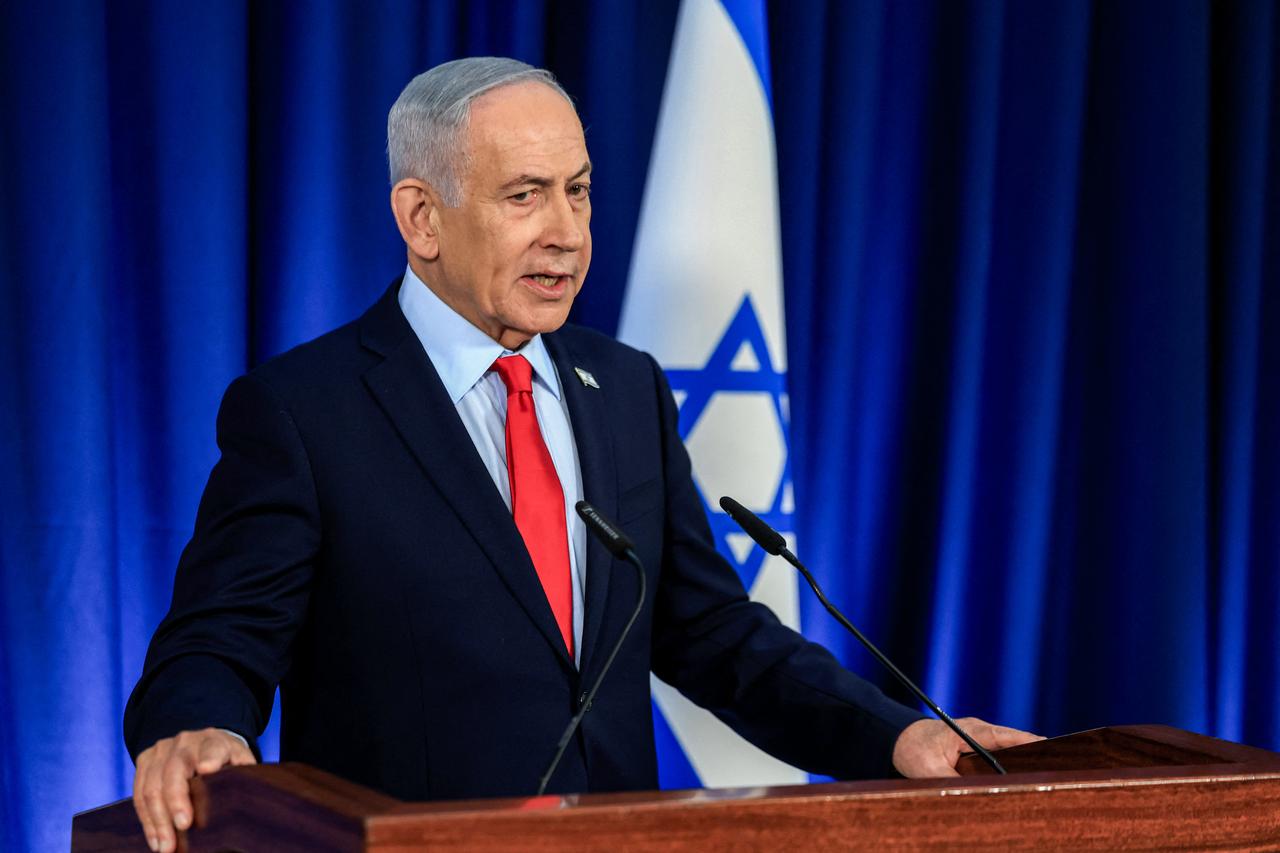

"I can announce to you that Iran cannot enrich uranium and has no ability to produce ballistic missiles," Netanyahu said, claiming Iran was being "decimated" after 20 days of joint operations.
However, IAEA Director General Rafael Grossi disputed the claim, telling CBS News that "a lot has survived" of Iran's nuclear enrichment capacity.
"They have the capabilities, they have the knowledge, they have the industrial ability to do that," Grossi said.
Netanyahu did not comment on Tehran's stockpile of highly enriched uranium, believed to be buried under Iran's nuclear site in Isfahan following U.S. strikes in June.
1 min read
Netanyahu said he was "not sure who's running Iran right now." He noted that newly appointed Supreme Leader Mojtaba Khamenei "has not shown his face" and said Israel was "seeing cracks" it was trying to "propagate as fast as we can."
Netanyahu suggested air power alone would not be sufficient to achieve Israel's war objectives and hinted at potential ground operations.
"It is often said that you can't win; you can't do revolutions from the air. That is true," he said.
"There has to be a ground component as well. There are many possibilities for this ground component, and I take the liberty of not sharing with you all those possibilities," Netanyahu added.
Trump rejected any possibility of U.S. ground troops. "I'm not putting troops anywhere—and if I were, I wouldn't tell you," he said.
Netanyahu laid out three Israeli war goals: removing the nuclear threat, removing the ballistic missile threat before both were buried deep underground, and "creating the conditions for the Iranian people to grasp their freedom."
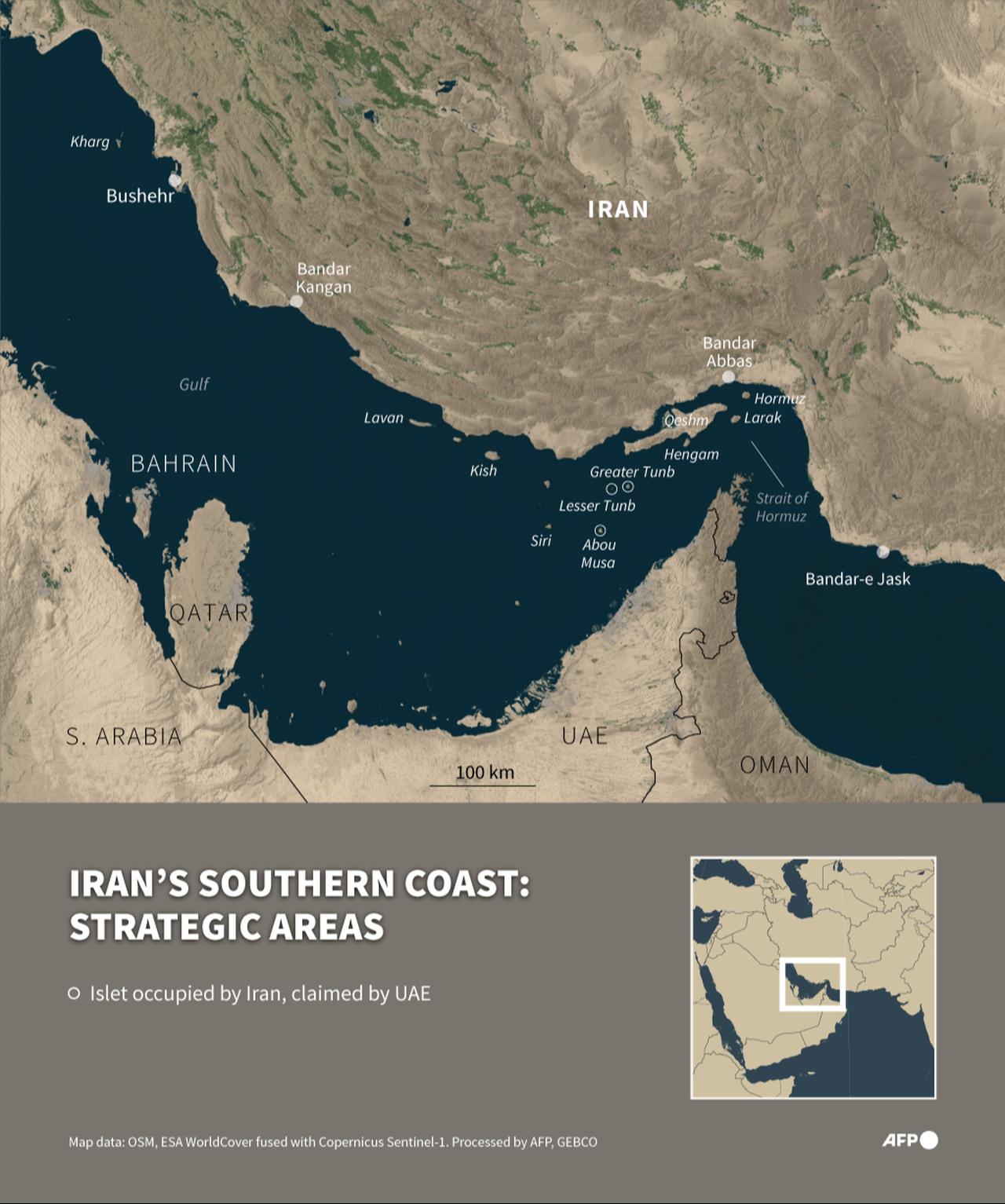
He proposed building oil and gas pipelines across the Arabian Peninsula to Israeli Mediterranean ports as a long-term alternative to the Strait of Hormuz.
"You've just done away with the choke points forever. I see that as a real change that will follow this war," Netanyahu noted.
Netanyahu denied that Israel dragged the United States into the war.
"Does anyone really think that someone can tell President Trump what to do? He didn't need any convincing," he said.


 Set as preferred source
 Set as preferred source


 1 min read


