Newsletters


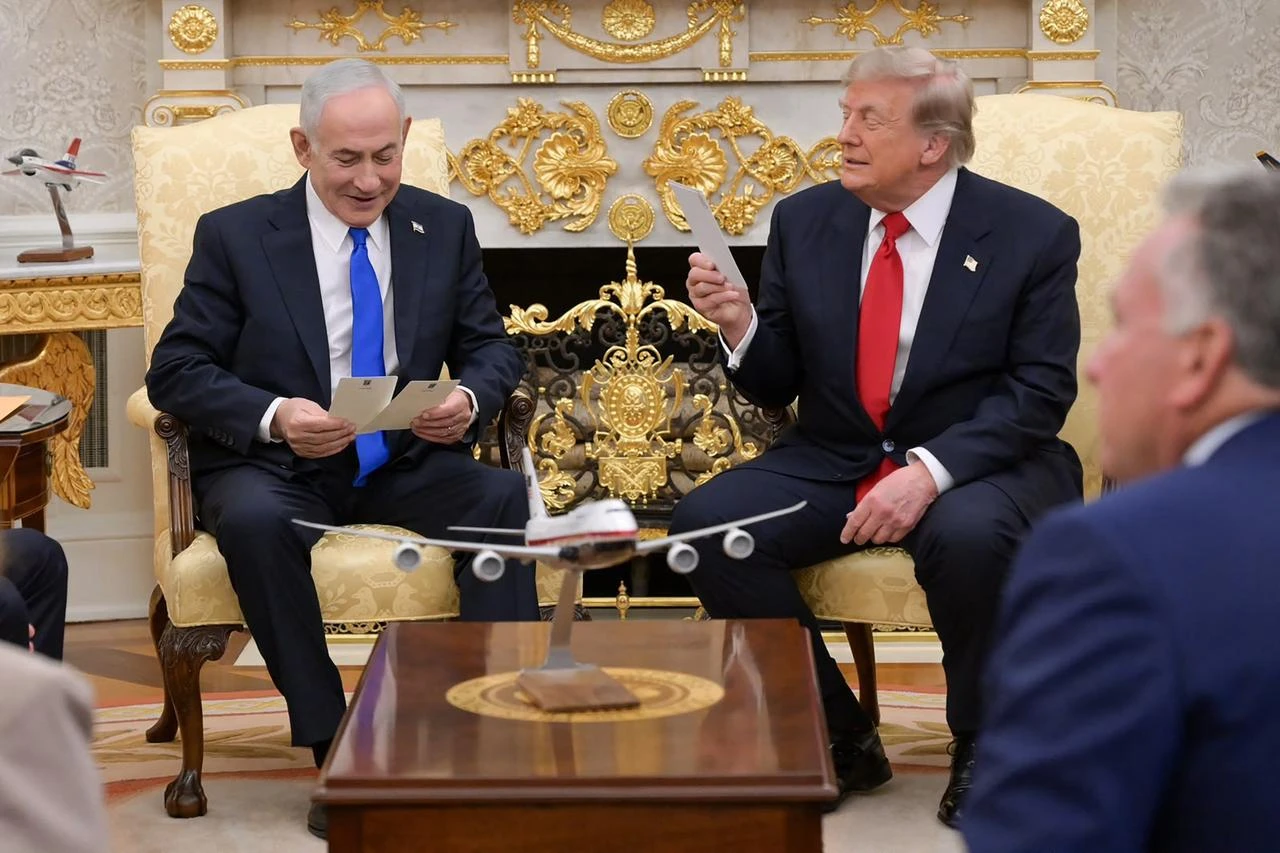


Israeli Prime Minister Benjamin Netanyahu said Thursday that the decision on how to proceed with Iran rests with U.S. President Donald Trump, denying that Israel is trying to persuade Washington to resume military strikes rather than pursue a diplomatic settlement.
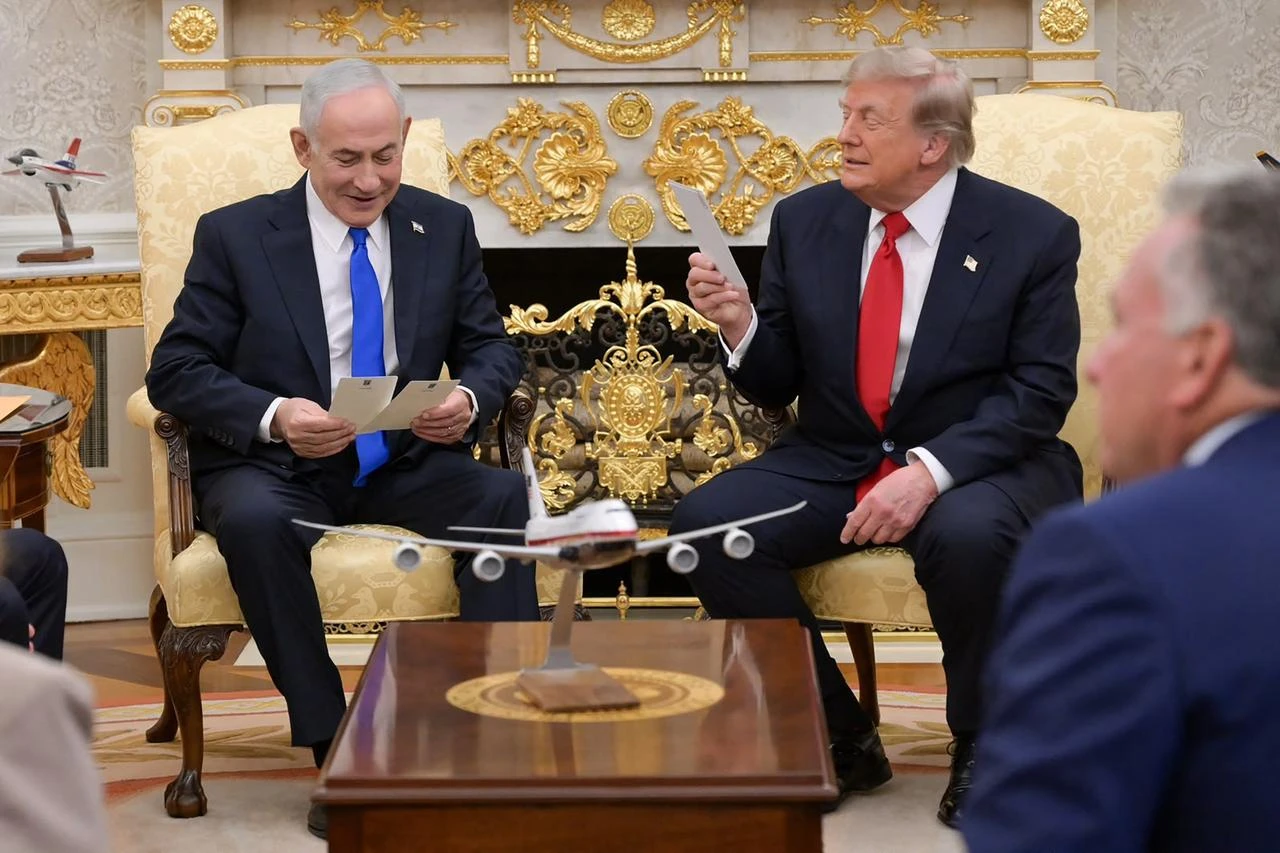
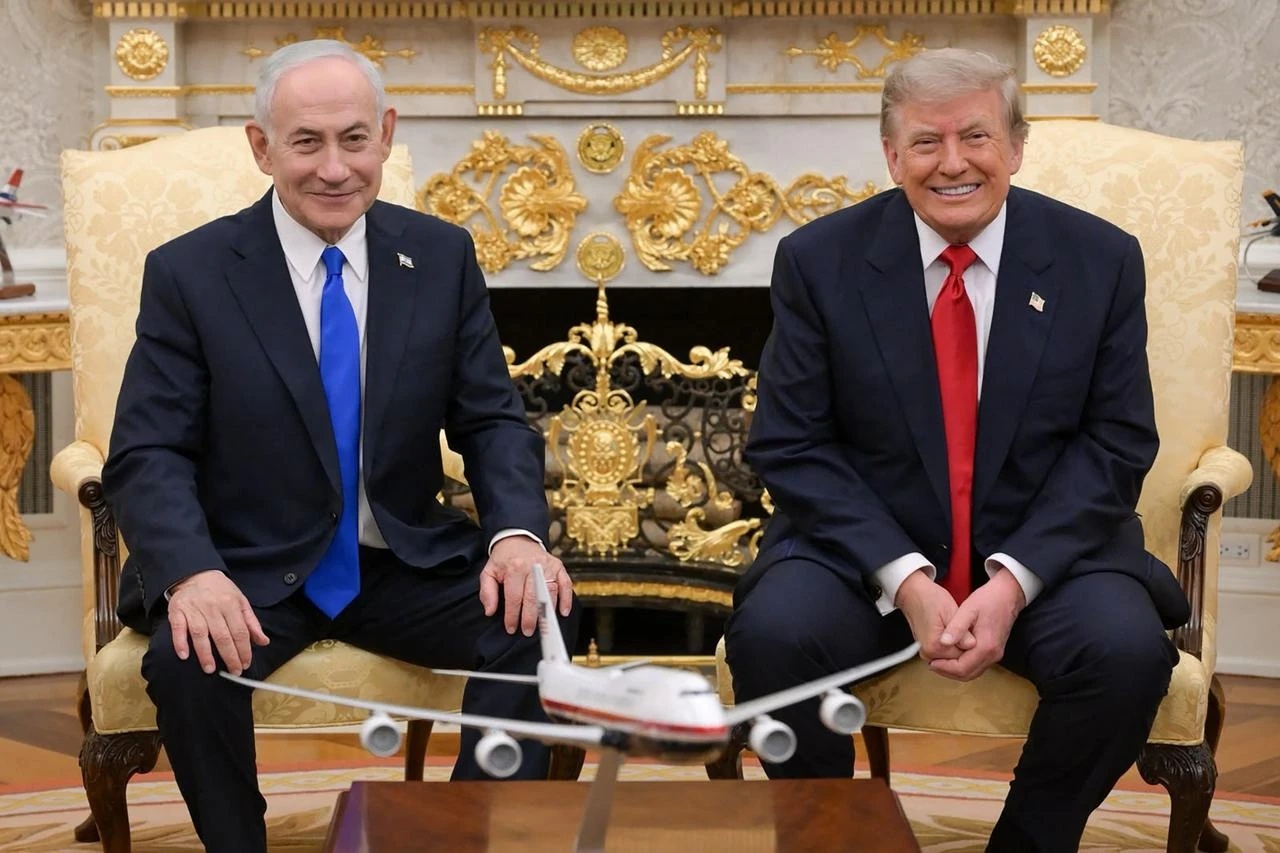
In an interview with ABC News Live Prime's Linsey Davis, Netanyahu was asked about his private Oval Office meeting with Trump earlier in the week, at which the two discussed several options for resolving the conflict with Iran, including negotiating a broader deal, continuing the blockade of the Strait of Hormuz, or further military action.
"We actually analyzed all three possibilities, and I thought we did it in an open way between friends and allies, and it's his decision. It's his decision," Netanyahu said.
He rejected the characterization that he had tried to push Trump toward resuming attacks on Iran.
"Actually, not. That's the caricature, the cartoon picture. That is not true," he said.
Netanyahu described the U.S.-Israel relationship in hierarchical terms, saying, "The truth is, we're partners. We're allies. He's the senior partner. It's the United States of America, let's not forget, and I'm a junior partner. But I'm the Prime Minister of Israel, and when I have to stand up for the interest of my country and the security of my country, I do so."
"But I always do so with a deep appreciation of the role that the United States under President Trump has played in joining forces with us against our common enemy that wants to destroy us both," the Israeli PM added.
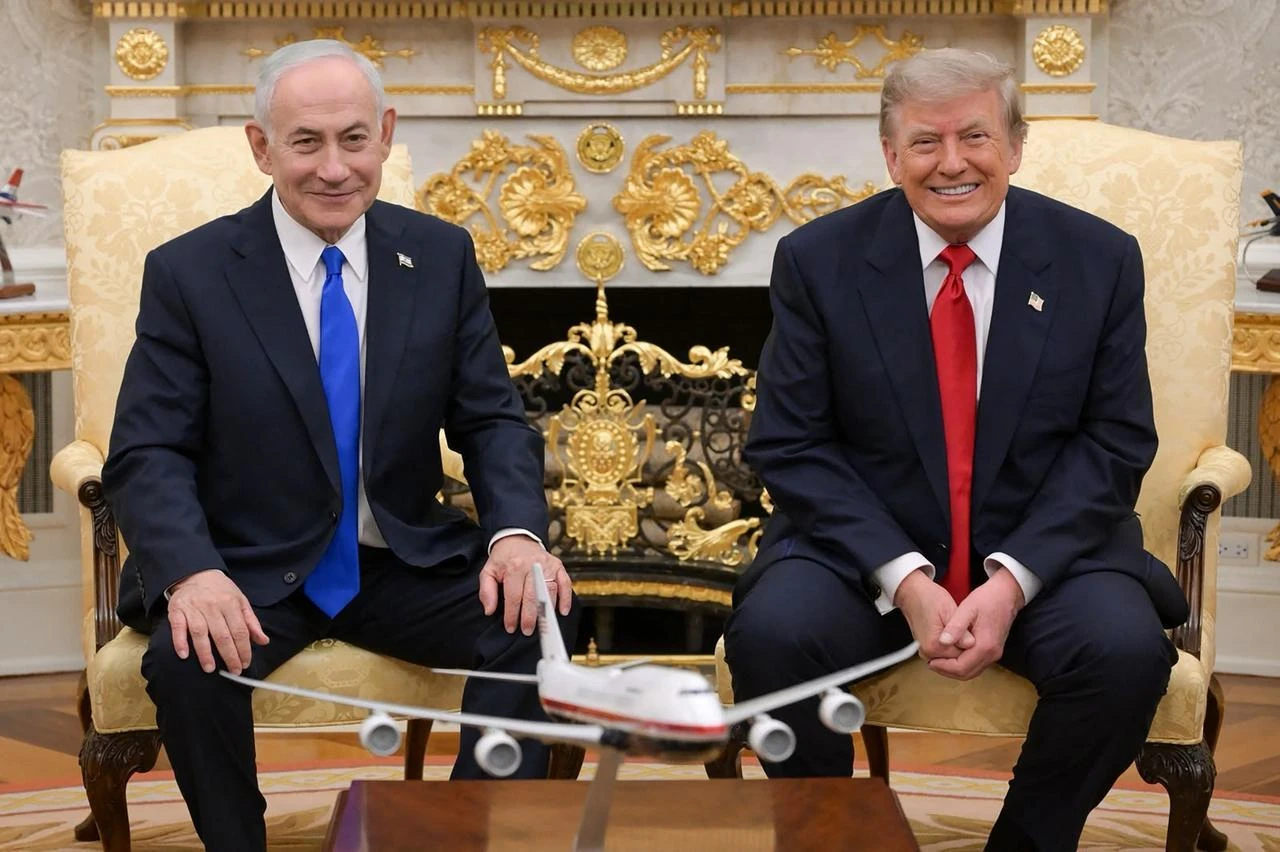

Asked about the likelihood of a diplomatic resolution, Netanyahu expressed skepticism about Iran's intentions rather than dismissing the possibility outright.
"I don't know if it's unlikely, but I'm skeptical about Iran's modus operandi, I mean, the method of operating. They always lie, they always cheat, and they always play for time," he said.
"Could that, within sufficient pressure, diplomatic, economic pressure, could that change? Give it a try," Netanyahu added.
Netanyahu also rejected the suggestion that he had misled Trump into joining the conflict or overstated the likelihood of quick regime change in Iran ahead of the war.
"No, I didn't mislead anything... nobody tells President Trump what to do," he said.
He claimed that "Iran is weaker than ever before" and "Israel is stronger than ever before," while acknowledging: "I can't tell you that the regime has already collapsed."
He declined to offer a timeline for potential regime change but said he believes "it ultimately will be" brought down.
On the Strait of Hormuz, Netanyahu said it had not been possible to predict precisely how Iran would attempt to weaponize control of the waterway, but predicted the strait would lose long-term leverage over global oil markets.
"I don't think the straits are going to be that powerful a leverage because people will move the energy pipelines out of the straits to the Red Sea, from there to Israel in the Mediterranean. We can unblock this chokehold, and we will," he said.
He added that any Iranian strike on Israel would be a "perilous mistake" that would draw a forceful Israeli response, and reiterated shared U.S.-Israeli opposition to Iran obtaining nuclear weapons.
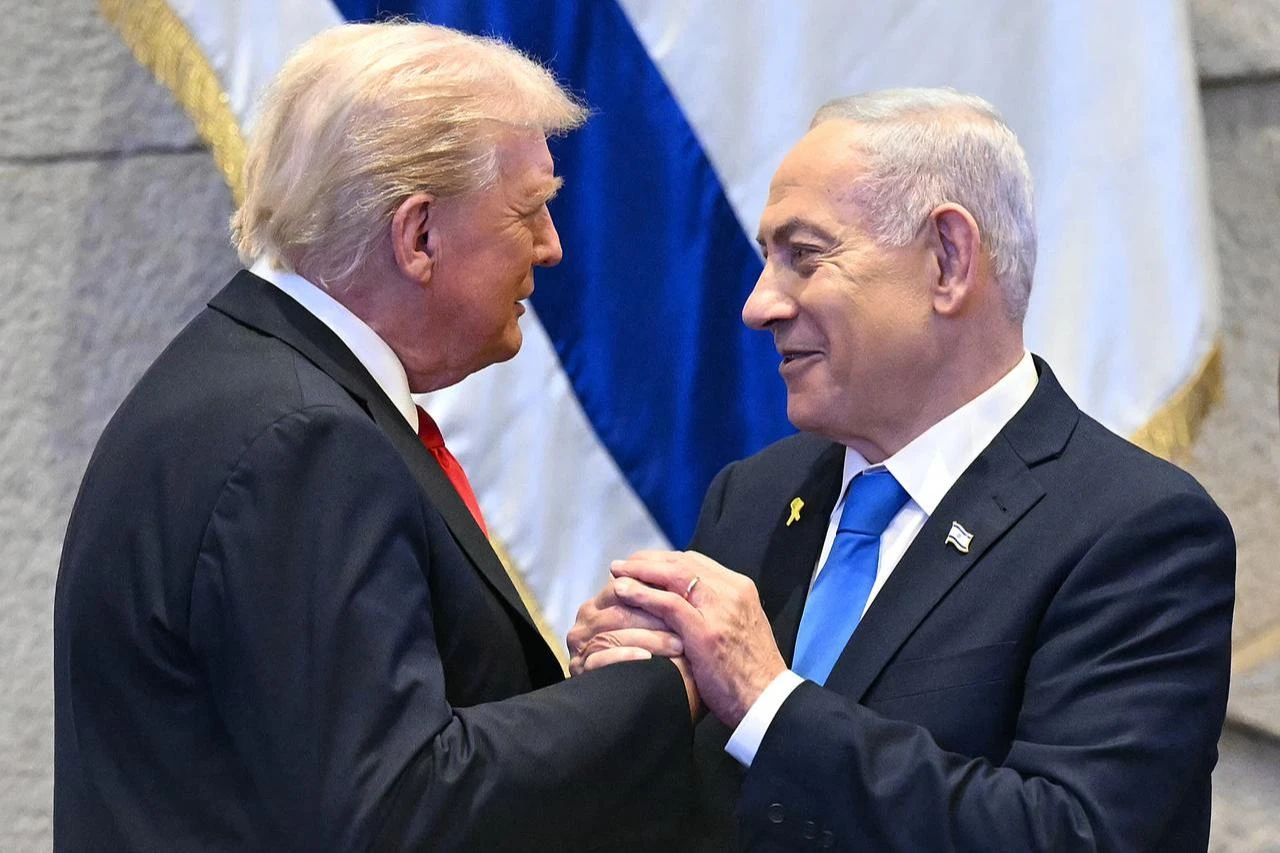
Netanyahu also addressed remarks made earlier in July by Vice President JD Vance on Joe Rogan's podcast, in which Vance alleged that elements within the Israeli government were "manipulating and trying to change American public opinion to keep the war going on indefinitely."
"Well, we're not actually. I had a very good conversation with the vice president this morning, and I think we straightened that out, because we're not. That's not our policy," Netanyahu said.
According to Axios, Vance and Netanyahu held a one-on-one meeting at Blair House on Tuesday evening described by Israeli and U.S. officials as "frank" and "direct."
A senior Israeli official told Axios the two discussed Vance's recent public criticism of the Israeli government and Israel's standing among Republicans, calling it "a frank and candid conversation."
A U.S. official confirmed the exchange was "direct," while a second U.S. official characterized it more diplomatically as "a cordial and productive conversation about Middle East issues that are important to both countries," saying the two men "agreed to continue pursuing opportunities for Israel and the United States to cooperate in areas of mutual interest and shared goals" and describing the meeting as non-confrontational.
Axios reported that tensions between Vance and Netanyahu had been building for months.
Vance had a tense phone call with Netanyahu in March after several of the Israeli leader's wartime predictions proved overly optimistic, and in June publicly warned Israeli officials criticizing the U.S.-Iran memorandum, saying: "If I was in the cabinet of the Israeli government, I might not be attacking the only powerful ally that I have anywhere left in the entire world."
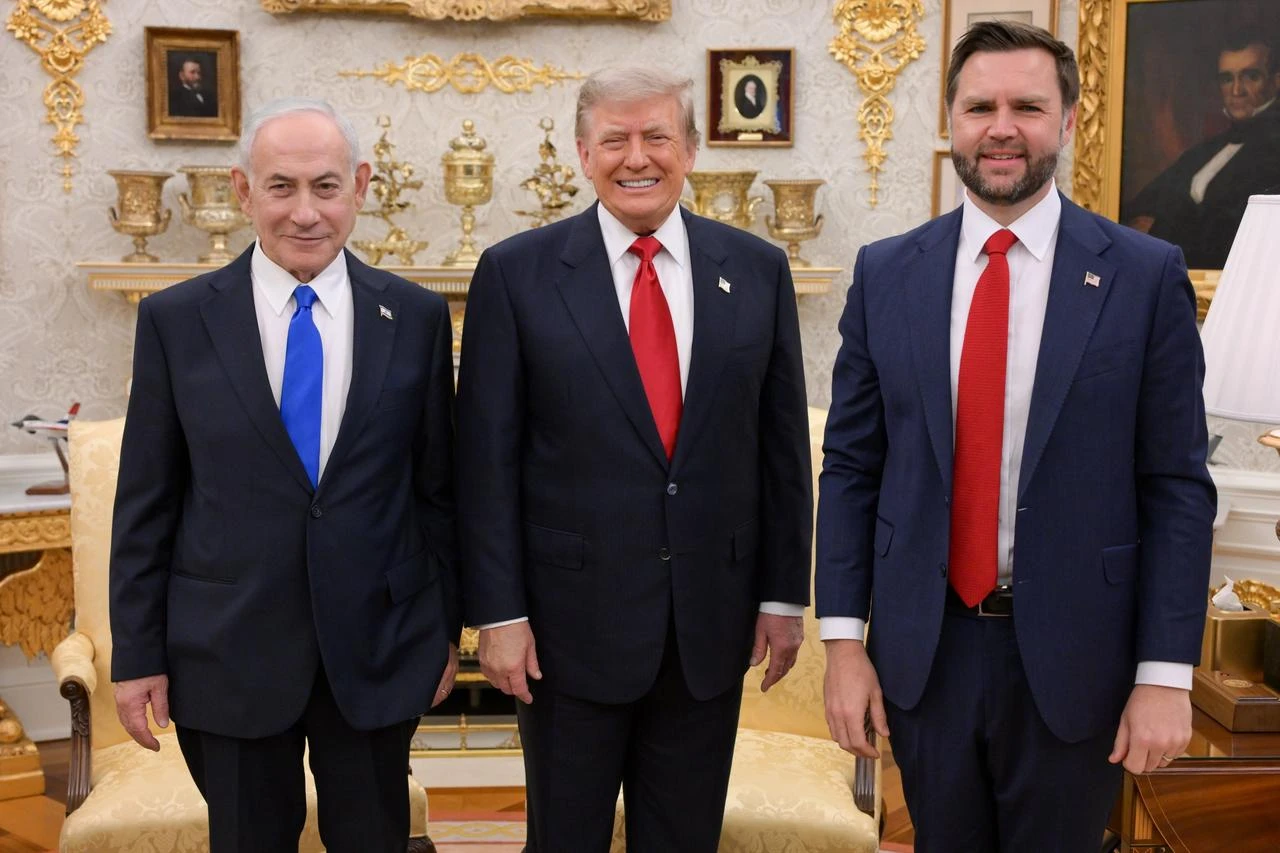
Asked about polling showing eroding American support for Israel, Netanyahu pointed to social media manipulation as a possible factor.
"I think there's been a change because of the proliferation of social media, and the fact that sovereign countries have manipulated with bot farms and other things. And we can see a direct relationship between the proliferation of social media and the decline in support for Israel," he said.
"Does it concern me? Yes, yes, it does. And I want bipartisan support for Israel because I think that's a fundament of our national security," Netanyahu added.
Trump and Netanyahu had been closely aligned since the start of Trump's second term, but tensions had risen considerably in recent weeks, with Trump reportedly having called Netanyahu "crazy" and saying, "Without me, there would be no Israel."


 Set as preferred source
 Set as preferred source


 2 min read
 1 min read