Newsletters


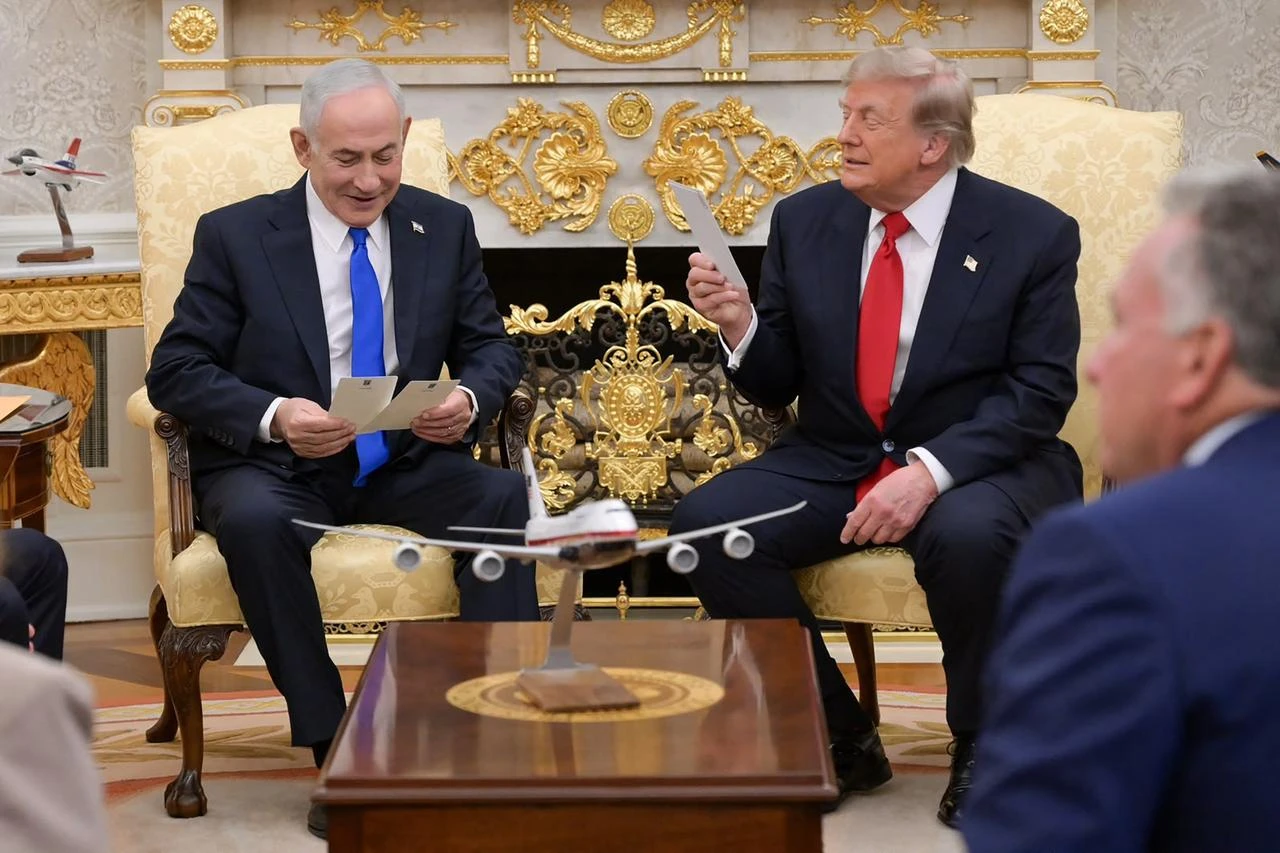


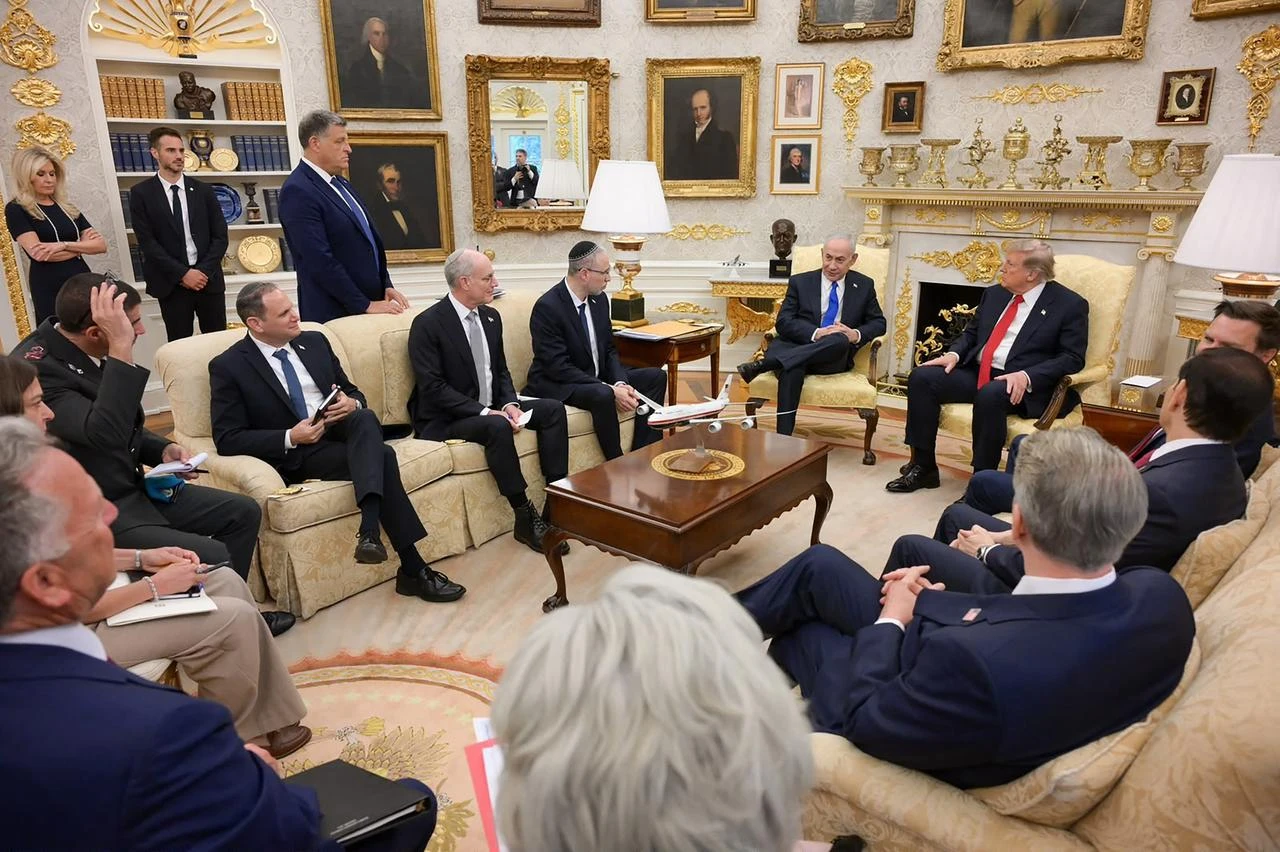
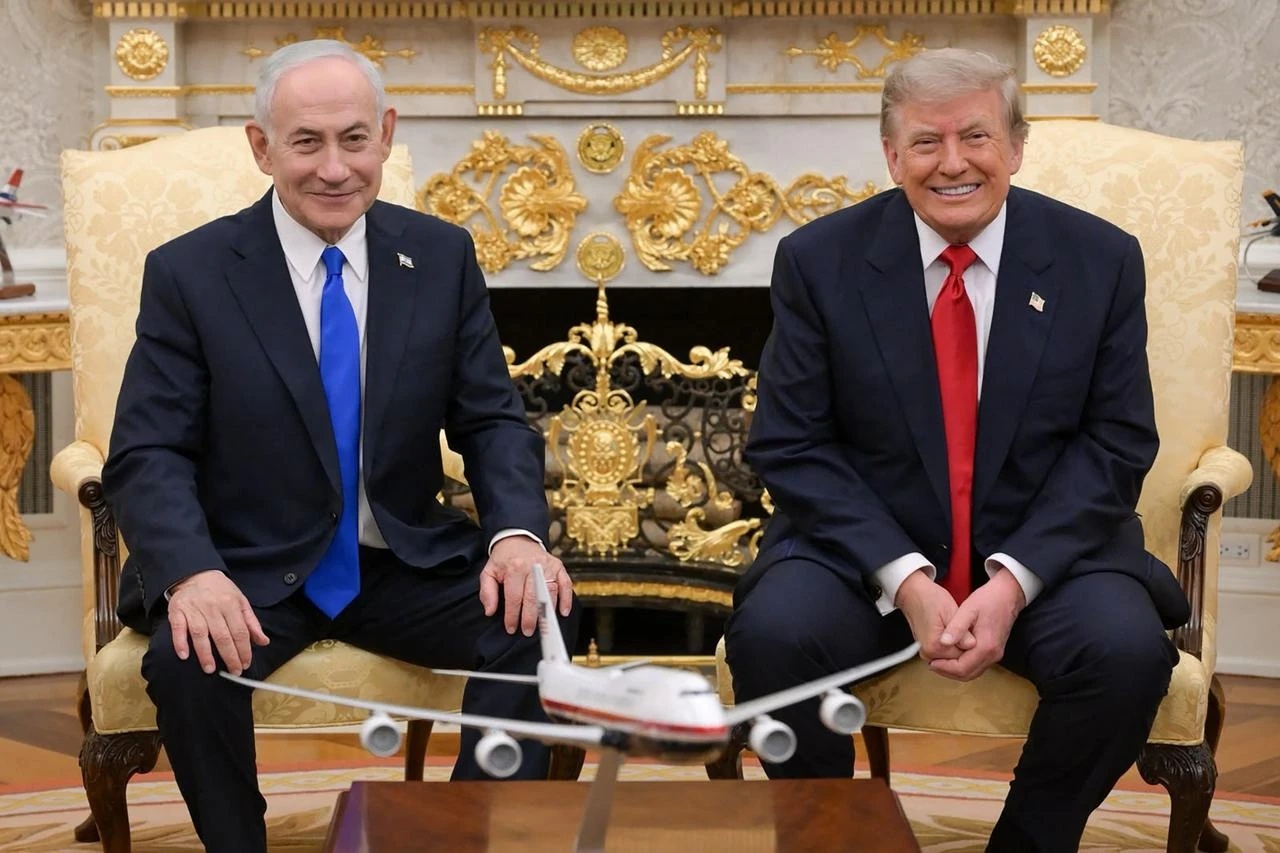
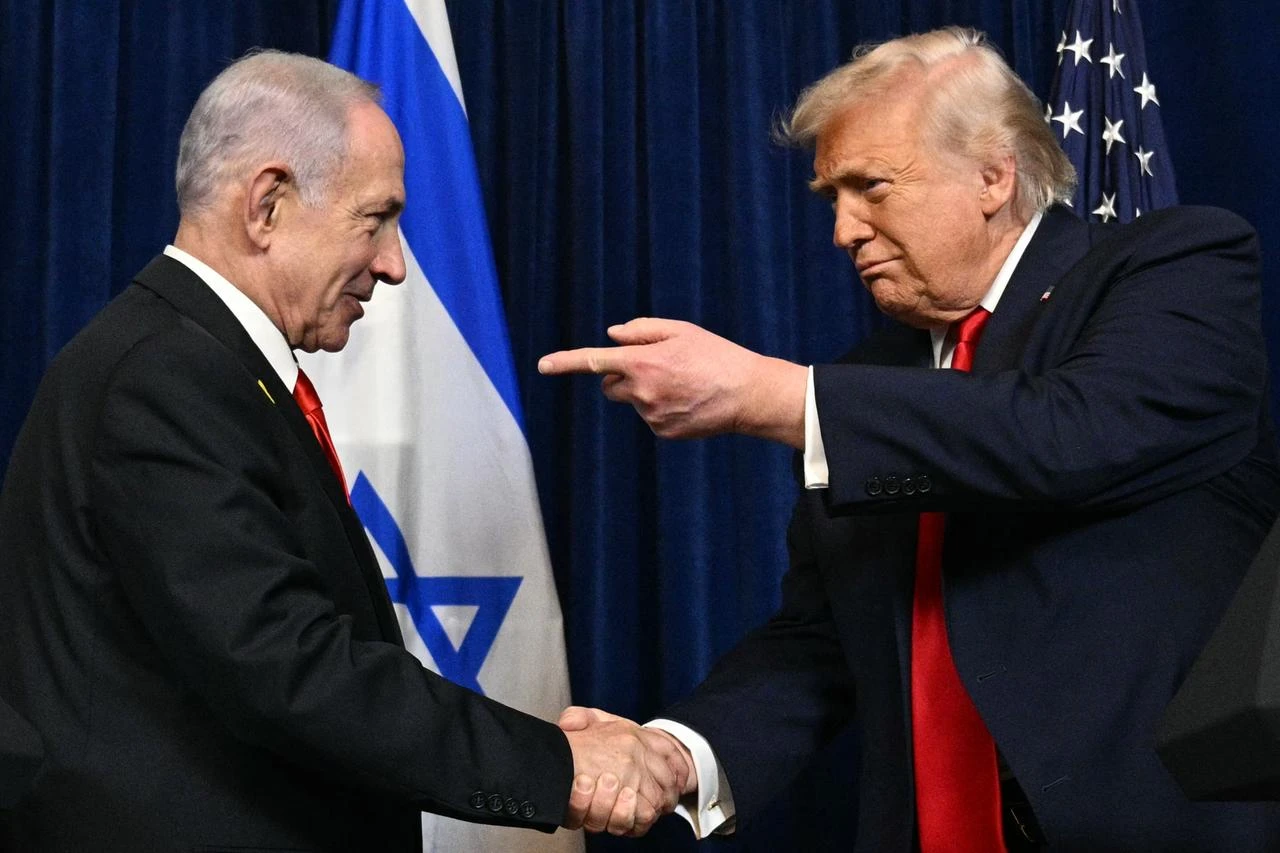
U.S. President Donald Trump expressed concern about the Iran war’s impact on energy markets and the global economy during a 90-minute White House meeting with Israeli Prime Minister Benjamin Netanyahu on Tuesday, Axios reported, citing a senior Israeli official.
The meeting was the first face-to-face discussion between Trump and Netanyahu since the war began Feb. 28. Iran was the main focus as Trump continued pursuing a possible agreement while considering intensified military operations.
Netanyahu expressed deep skepticism that a final agreement with Tehran could be reached and argued that economic pressure should continue through a naval blockade and other measures, the Israeli official said.
Several hours after the meeting, Iran launched missiles at a U.S. base in Jordan for the first time since Trump paused U.S. strikes against Iran on Friday. Trump later told Fox News that Washington would respond forcefully.
The Israeli official said Netanyahu was awaiting Trump’s decision but told him that Israel would respond immediately and powerfully if Iran attacked it.

Trump and Netanyahu openly reviewed three options under consideration, according to the official: completing a diplomatic agreement, continuing the naval blockade while increasing economic pressure or resuming and intensifying military strikes.
Trump envoys Steve Witkoff and Jared Kushner were continuing negotiations with Iran, though significant differences remained.
“We discussed all of those options at length and very candidly,” the official said, adding that the talks examined the possible outcome of each approach rather than promoting one option.
Netanyahu told Trump that Iran was using its influence over the Strait of Hormuz as its remaining leverage to seek concessions from Washington.
The Israeli prime minister acknowledged Trump’s concerns about a possible global economic downturn but argued that the blockade should continue to intensify financial pressure on Tehran.
The official said the leaders discussed applying economic pressure through both military and nonmilitary means.
The Israeli official claimed there was disagreement within Iran’s leadership between officials concerned about economic collapse and more radical figures who believed the government could survive as long as it retained control of weapons and maintained support among its political base.
The official cited fuel supply problems, diesel shortages, long lines at gas stations and small protests driven by public frustration.
“The regime is very worried about that,” the official said. “It’s concerned that people will rise up over the economic situation.”
The official also claimed that Iran’s supreme leader, Mojtaba Khamenei, took a negative position on major decisions but questioned whether orders attributed to him were personally issued.
“He is alive, but nobody can testify that they’ve actually seen him,” the official claimed, adding that Khamenei had allegedly instructed officials not to act without his approval.
Netanyahu also showed Trump a map claiming that areas controlled by Türkiye in Syria were 50 times larger than territories occupied by Israel, according to the Israeli official.
The official claimed Türkiye controlled 5% of Syria while Israel controlled 0.1%.
A U.S. official responded that, unlike Israel’s occupation in southern Syria, Türkiye’s military presence in northern Syria was taking place with the consent and invitation of the current Syrian government.
The Israeli official said Netanyahu told Trump that Israel would remain in the buffer zone in southern Syria as long as it faced a threat from armed groups he described as jihadists.
According to the official, Netanyahu wanted to present the issue visually because he believed Trump sometimes formed views based on inaccurate information.
Netanyahu and Trump also discussed the U.S.-Saudi nuclear agreement.
Trump told Netanyahu that he viewed the agreement within the broader context of Saudi Arabia normalizing relations with Israel, the Israeli official said.
The official said Israel would respond to the nuclear issue if there were genuine progress toward normalization.
The Israeli official said Netanyahu told Trump, Vice President JD Vance and Witkoff that he was serious about reducing direct U.S. military assistance to Israel to zero within 10 years.
Netanyahu called for negotiations on a new memorandum of understanding and said he wanted Israel to achieve greater defense independence.
Trump and his team said some Republicans feared being accused of opposing Israel if they supported gradually ending the aid, according to the official.
Netanyahu said he would publicly lead the effort and was open to completing the transition in less than 10 years.
The official said Netanyahu instructed Israel’s defense industry to develop a modern fighter jet within a decade so its air force could remain strong if the U.S. stopped supplying F-35s and other advanced aircraft.
Netanyahu did not want Israel to remain dependent on the “goodwill of the U.S. Congress,” the official said, citing increasingly negative political attitudes toward military aid in both parties.
Netanyahu’s proposed agreement would include $16 billion in direct U.S. military assistance, between $5 billion and $10 billion for missile defense development and a separate $16 billion joint research and development fund for new weapons systems.


 Set as preferred source
 Set as preferred source


 1 min read
 1 min read