Sign in
 Newsletters


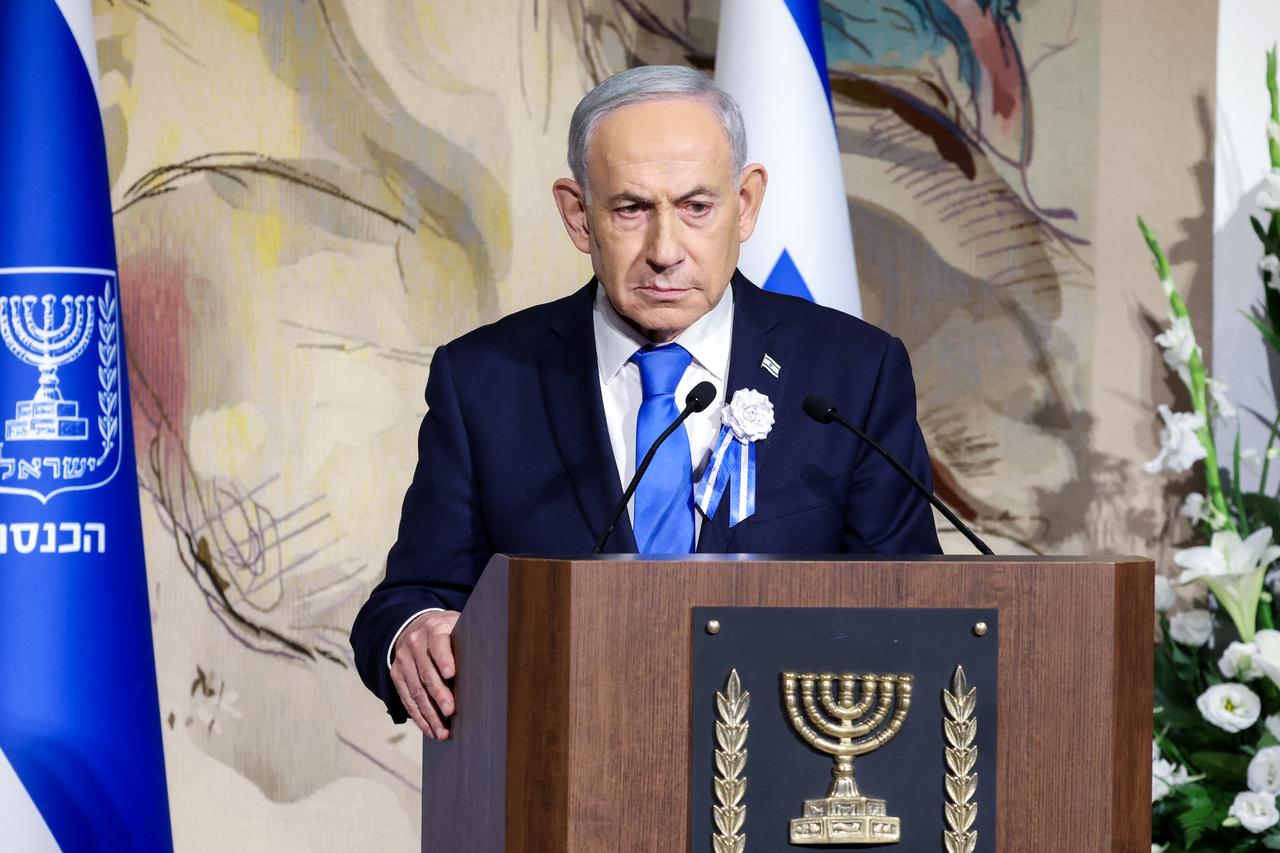


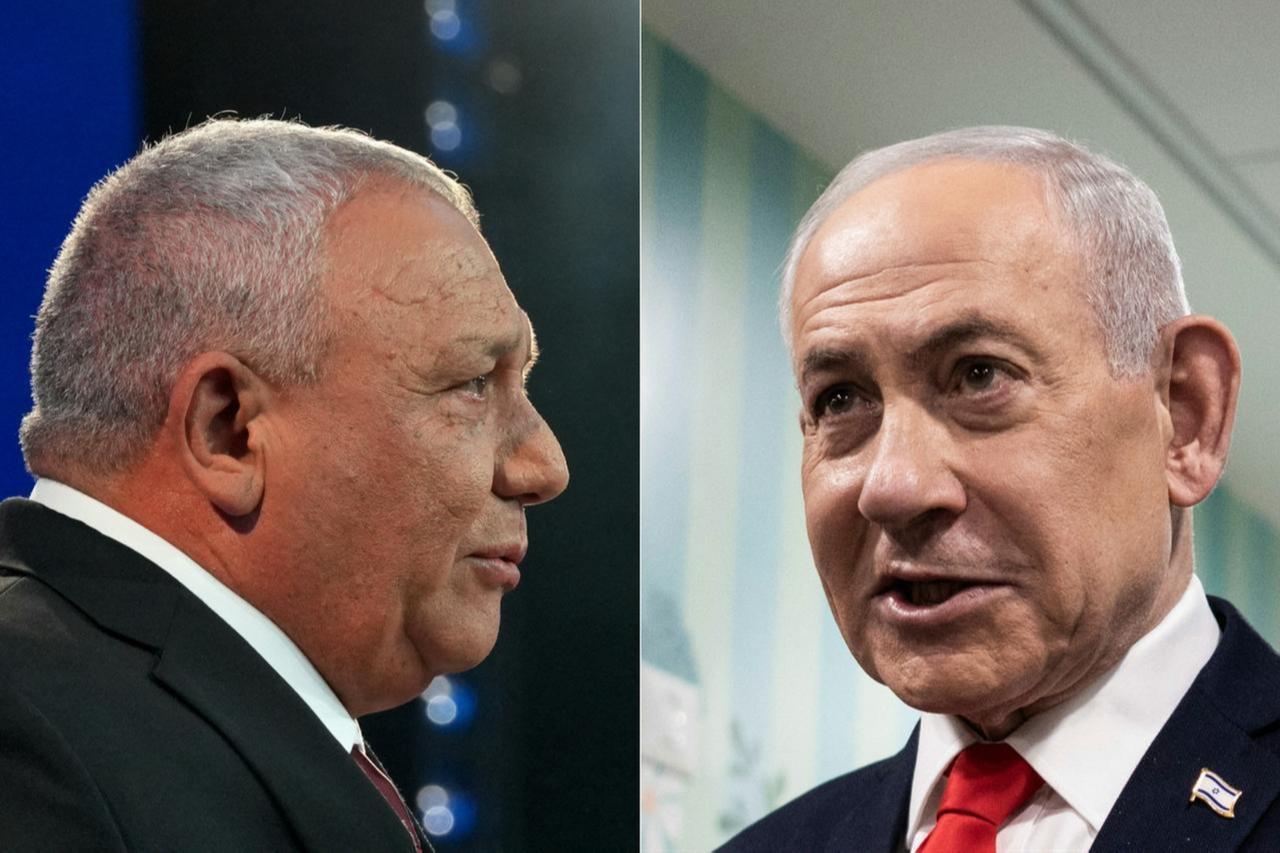
Israel's caretaker Prime Minister Benjamin Netanyahu accused his rival Gadi Eisenkot of downplaying serious security threats for political reasons Monday after the prime minister-designate said there was no immediate need for military action against Iran before a new government is formed.
The confrontation came as Netanyahu's Likud party and Eisenkot's Yashar party prepared for a third round of coalition negotiations after four hours of talks Sunday failed to produce an agreement.
"The Iranian threat is the most serious threat to the State of Israel," Eisenkot, a former military chief, said during a meeting of his party at the Knesset, Israel's parliament.
"But at this moment I do not see a direct and immediate threat to the State of Israel that would require action before a government is formed," he added.
Netanyahu responded by warning that Israel faced immediate security dangers and accusing those questioning their severity of acting out of political considerations.
"Anyone who belittles or downplays these immediate, serious and grave threats surrounding us does so for political reasons," Netanyahu said during a briefing at parliament.
The exchange highlighted divisions over Israel's approach to Iran as political parties struggle to establish a governing coalition following October's inconclusive election.
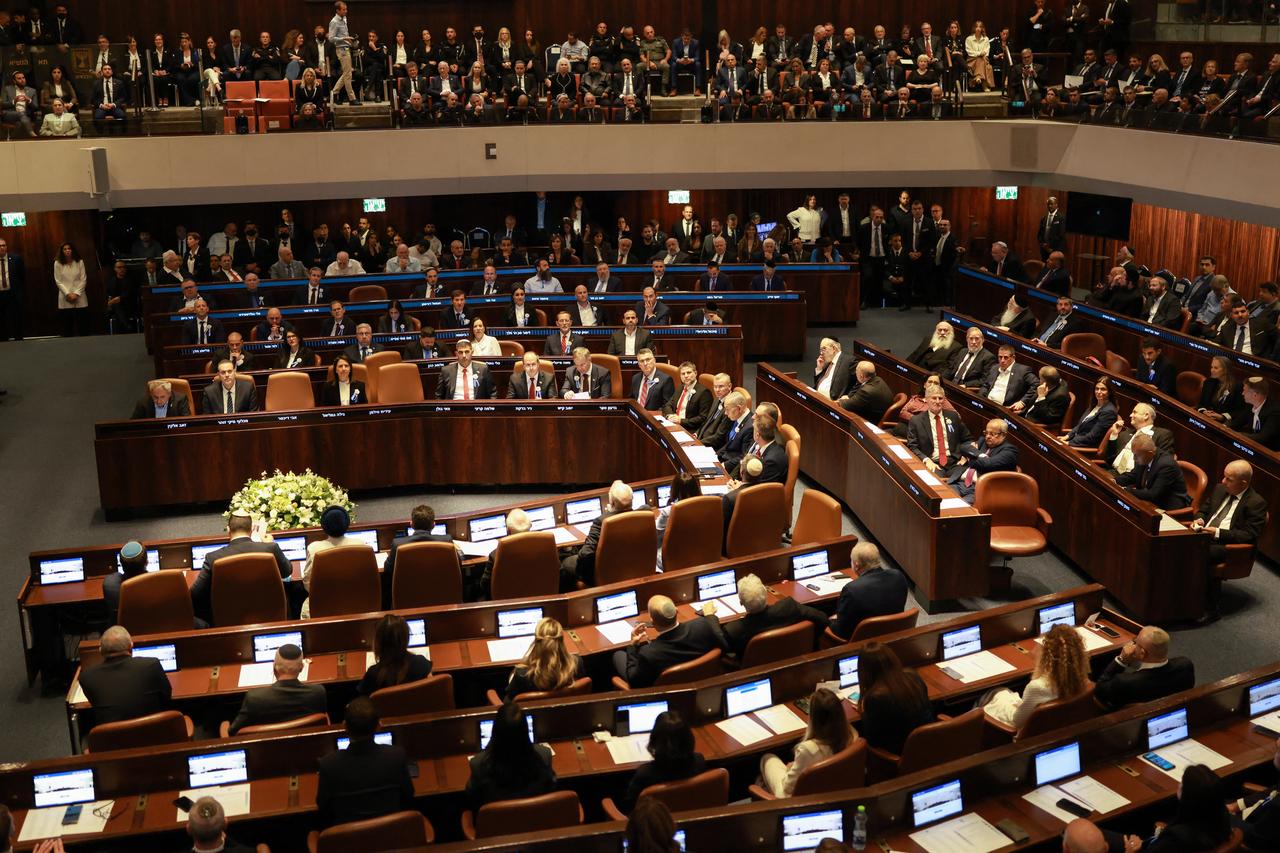

The disagreement over Iran has intensified amid speculation about whether Netanyahu could authorize further military action before a new administration takes office.
Avigdor Lieberman, leader of the Yisrael Beiteinu party and a member of Eisenkot's political bloc, questioned the legality of such a move.
"If Netanyahu orders an independent strike on Iran, it would be a manifestly illegal order," Channel 12 quoted Lieberman as saying Monday.
Lieberman made the remarks as the Knesset's Foreign Affairs and Defense Committee convened for the first time under his chairmanship.
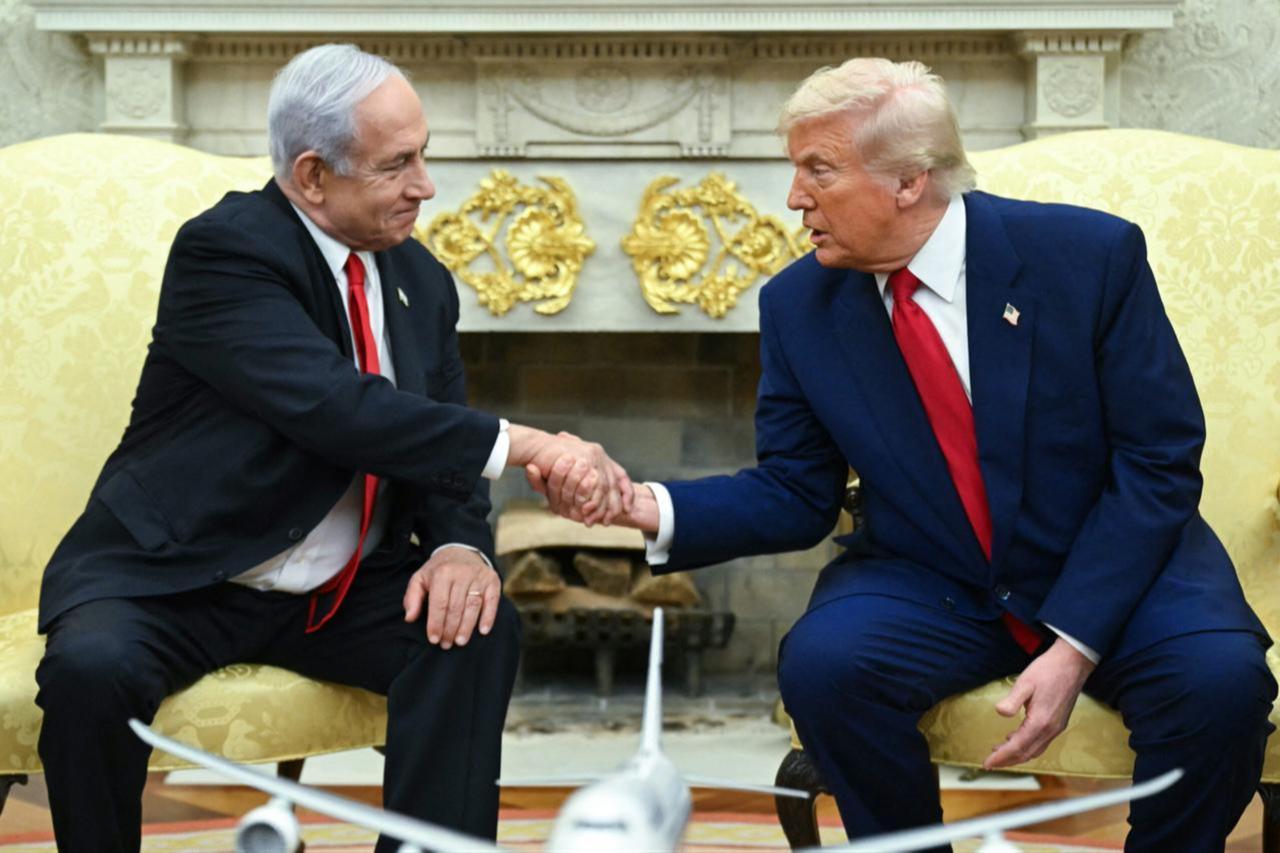
Israeli public broadcaster KAN previously reported that Netanyahu was attempting to persuade U.S. President Donald Trump to authorize new attacks on Iran as soon as possible, amid efforts to form a new Israeli government.
Israeli media have also reported concerns within the military leadership about taking further action against Iran without full coordination with Washington and the possibility of becoming involved in a prolonged war.
The reports have not established that any new attack has been authorized.
Representatives from Eisenkot's Yashar party and Netanyahu's Likud party were expected to meet again Monday evening after their negotiations Sunday ended without a breakthrough.
Eisenkot said his party was pursuing a unity government that would advance core political and institutional commitments.
"There will be no compromise on the establishment of a state commission of inquiry, the implementation of universal national service, the transformation of the security reality, and the protection of our democracy," he said.
The proposed commission would examine the failures surrounding the Oct. 7, 2023, Hamas-led attack on Israel, a matter that has remained politically contentious under Netanyahu.
Netanyahu, meanwhile, has urged the formation of a national unity government that includes ultra-Orthodox parties, arguing that such an arrangement is necessary to confront security threats.
He has also called for flexibility over military conscription, an issue dividing ultra-Orthodox parties and members of Eisenkot's bloc.
The differences extend to the leadership of any proposed unity government. Eisenkot has opposed serving in a Cabinet headed by Netanyahu, while Likud has sought concessions from rival parties, including an end to political boycotts targeting the caretaker premier.
Eisenkot has until Dec. 6 to form a government, with the possibility of a 14-day extension.
His bloc controls 48 seats in the 120-member Knesset, short of the 61 needed for a majority.
The alliance includes Eisenkot's Yashar party, former Prime Minister Naftali Bennett's Together list, Lieberman's Yisrael Beiteinu and Yair Golan's Democrats.
However, members of the bloc disagree over whether to pursue a unity agreement with Likud, seek support from ultra-Orthodox parties or cooperate with Arab-majority parties.
Golan, whose Democrats party is part of the alliance, rejected the possibility of governing alongside Netanyahu.
"We will not agree to any unity government with Netanyahu," he told parliament Monday.
He also called for an end to what he described as "sham talks with Likud" and advocated seeking support from Arab-majority parties.
If negotiations fail, Eisenkot could seek parliamentary approval for a minority government with outside backing from the Joint List and United Arab List, which together hold 19 seats.
Under Israel's parliamentary system, a minority government can secure a confidence vote if more lawmakers vote in favor than against it, even without a formal majority coalition.
Netanyahu, 77, has led Israel's government since late 2022 and remains on trial on corruption charges, which he denies. The International Criminal Court also issued an arrest warrant for him in 2024 over alleged war crimes and crimes against humanity in Gaza.
With neither camp holding a clear parliamentary majority, the dispute over Iran has become another point of contention in negotiations over Israel's next government.


 Set as preferred source
 Set as preferred source


 1 min read
 1 min read