Newsletters


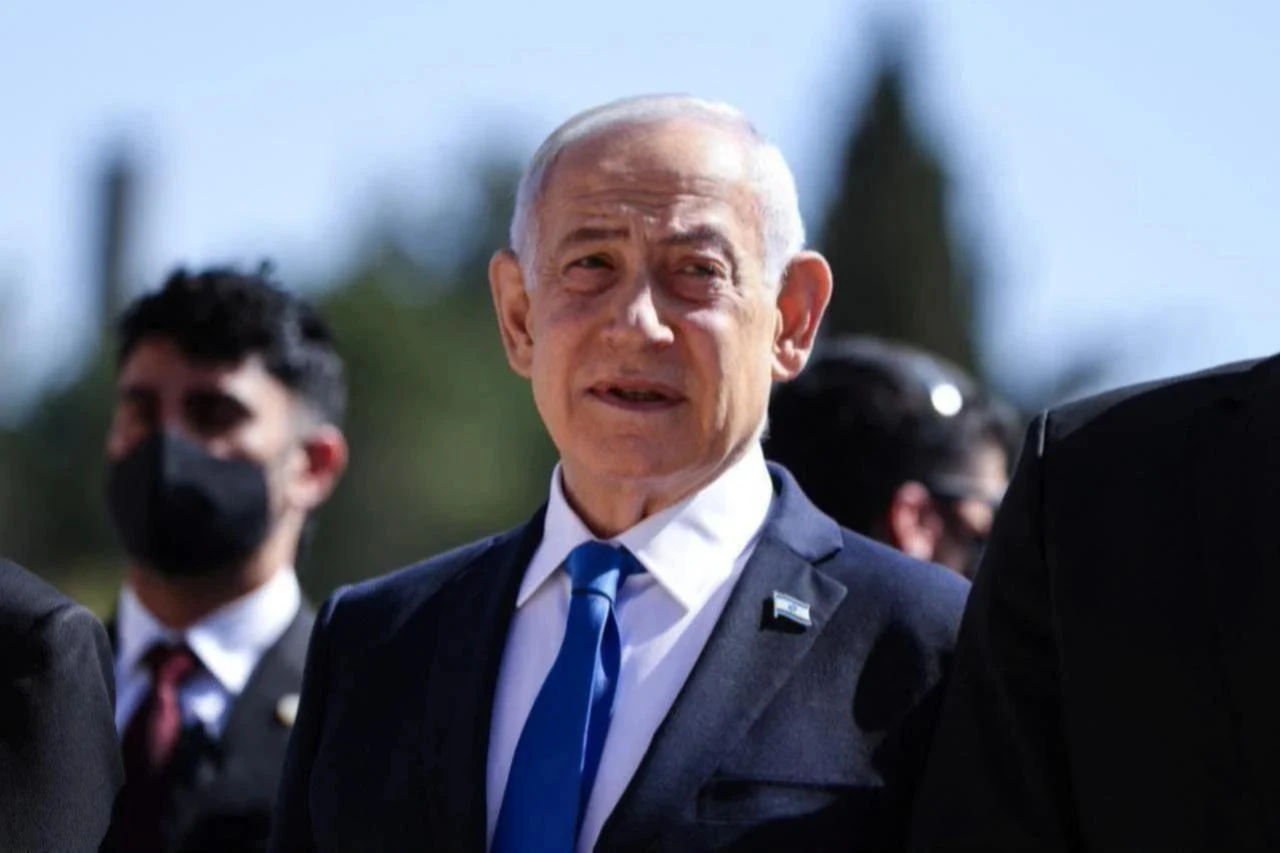


Israeli Prime Minister Benjamin Netanyahu declared Tuesday that Israeli military will not withdraw from any positions they currently hold in the Gaza Strip until Hamas has been completely disarmed, deepening a standoff with the United States-led Board of Peace over how to implement a ceasefire disarmament framework.
"We will not withdraw from our current positions until Hamas is fully disarmed," Netanyahu said in a video posted to Facebook.
He added that he remains "committed to our security interests," while acknowledging that Washington had shared a draft roadmap that Israel has not accepted. "They sent us a draft that we did not approve, and we sent them our comments on it," he said.
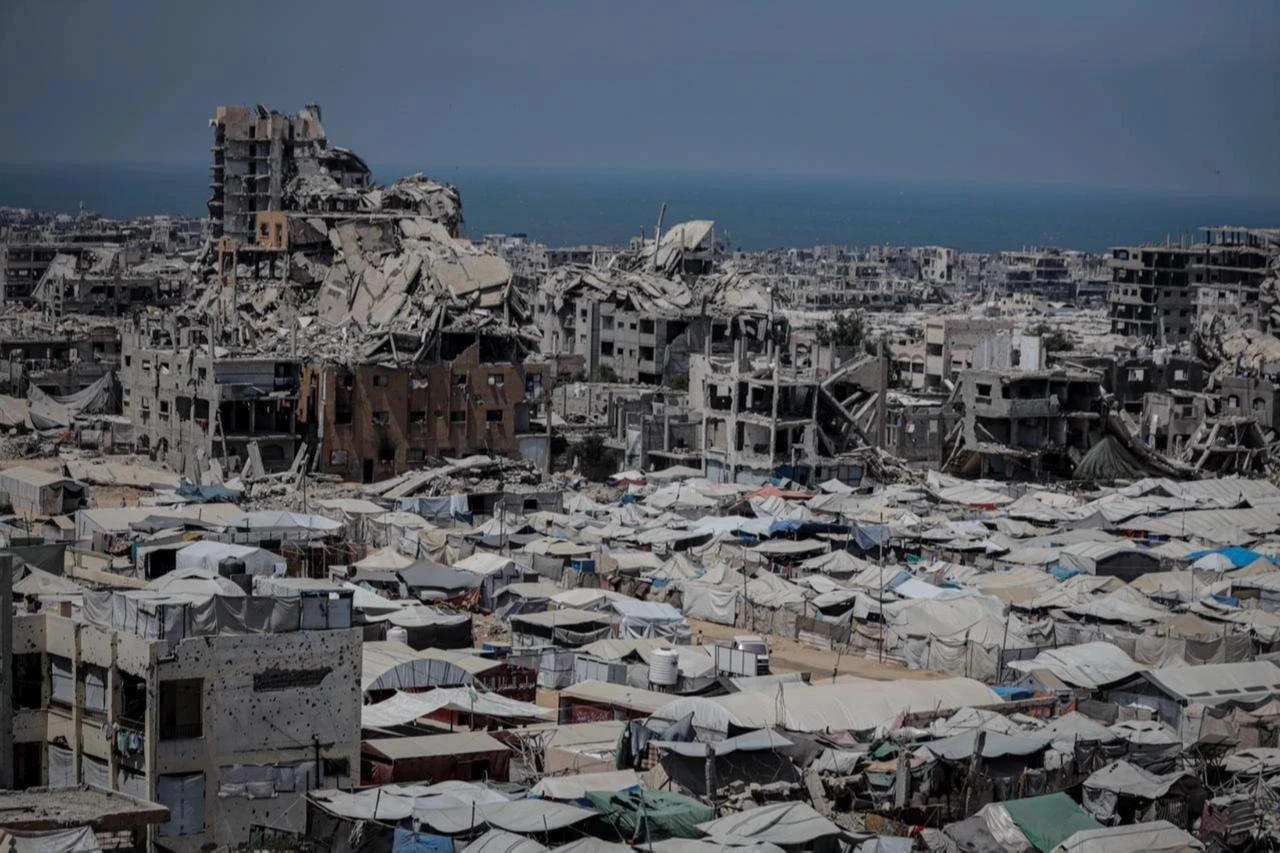
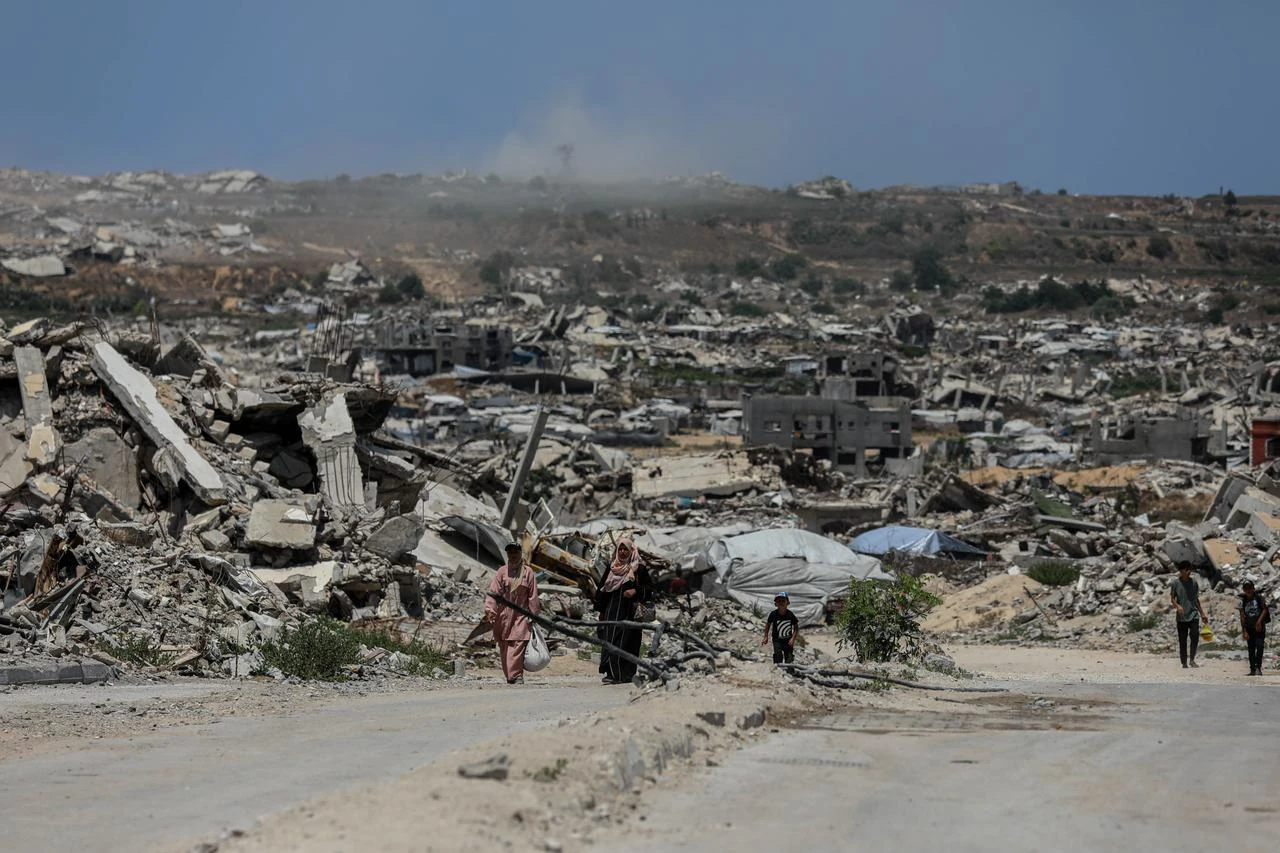
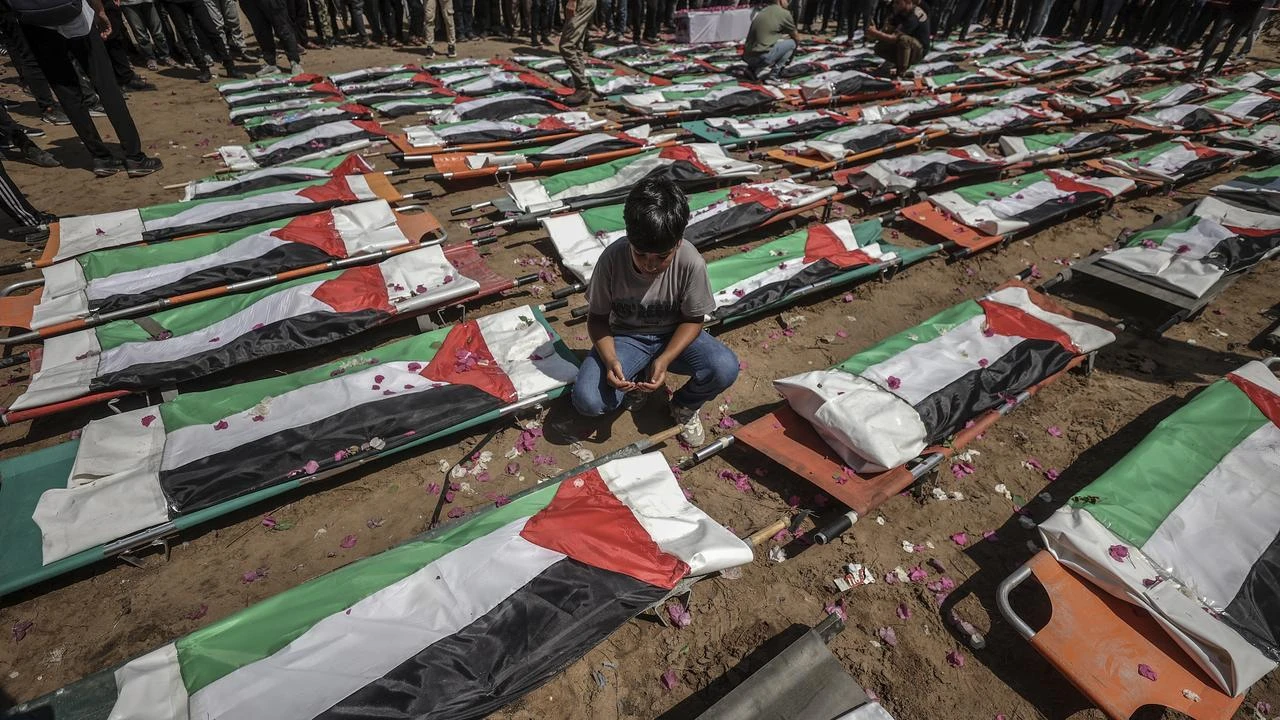
The Israeli military currently controls roughly 70 percent of the Gaza Strip following a war that, according to Palestinian figures, has killed more than 73,000 Palestinians and injured over 174,000 since October 2023.
Despite a ceasefire that has been in effect since Oct. 10, 2025, Israeli strikes have continued, killing 1,252 Palestinians and wounding 4,120 others since the truce took hold.

At the center of the dispute is the sequence of disarmament and withdrawal.
The roadmap announced by the Board of Peace, which Hamas has accepted, calls for the two processes to proceed gradually and in tandem: weapons would be placed under a National Committee for Gaza Administration under international supervision, alongside a phased Israeli pullback and the beginning of reconstruction.
The plan also envisions handing civilian administration of Gaza to a Palestinian technocratic committee and deploying an international stabilization force.
Israel, however, insists disarmament must be completed before any withdrawal begins.
Following a meeting Monday between Board of Peace envoy Nikolay Mladenov and Netanyahu, the board appeared to shift toward the Israeli position, stating that a full Israeli withdrawal beyond the so-called Yellow Line, the boundary dividing Israeli-held and Palestinian-controlled areas of Gaza, would not occur until heavy and light weapons, as well as tunnel infrastructure, are dismantled.
Hamas, for its part, said it remains committed to the terms of the ceasefire's second phase as previously agreed. The group has accepted the board's roadmap, which President Donald Trump announced and described as a step toward lasting peace when it was unveiled last week.
Netanyahu's office, however, said the version made public "does not reflect Israel's positions," signaling continued friction between Tel Aviv and its main international partner in the process.
Netanyahu said he believes Trump and his team are working to achieve full Hamas disarmament and Gaza demilitarization, but his government's insistence on sequencing, disarmament before any military withdrawal, remains a core point of contention that has stalled movement on other elements of the deal, including reconstruction and the entry of the Palestinian governance body.
The Board of Peace was established by Trump in January to oversee Gaza's post-war transition after the ceasefire agreement ended major combat operations that began with Hamas's Oct. 7, 2023, attack on southern Israel.
The board's 15-point roadmap was accepted by Hamas last week, but Israel has not formally endorsed it, and members of Netanyahu's far-right coalition have signaled opposition to its terms.
The broader framework also calls on all parties to reaffirm commitments under existing international agreements and UN Security Council resolutions.
However, the divergence between a phased, parallel approach backed by the board and Hamas, and Israel's demand for verified, completed disarmament before any troop movement, has left the roadmap's implementation in limbo, with Palestinian civilians continuing to bear the consequences of an unresolved conflict and a ceasefire that remains fragile in practice.


 Set as preferred source
 Set as preferred source


 0 min read
 1 min read