Newsletters


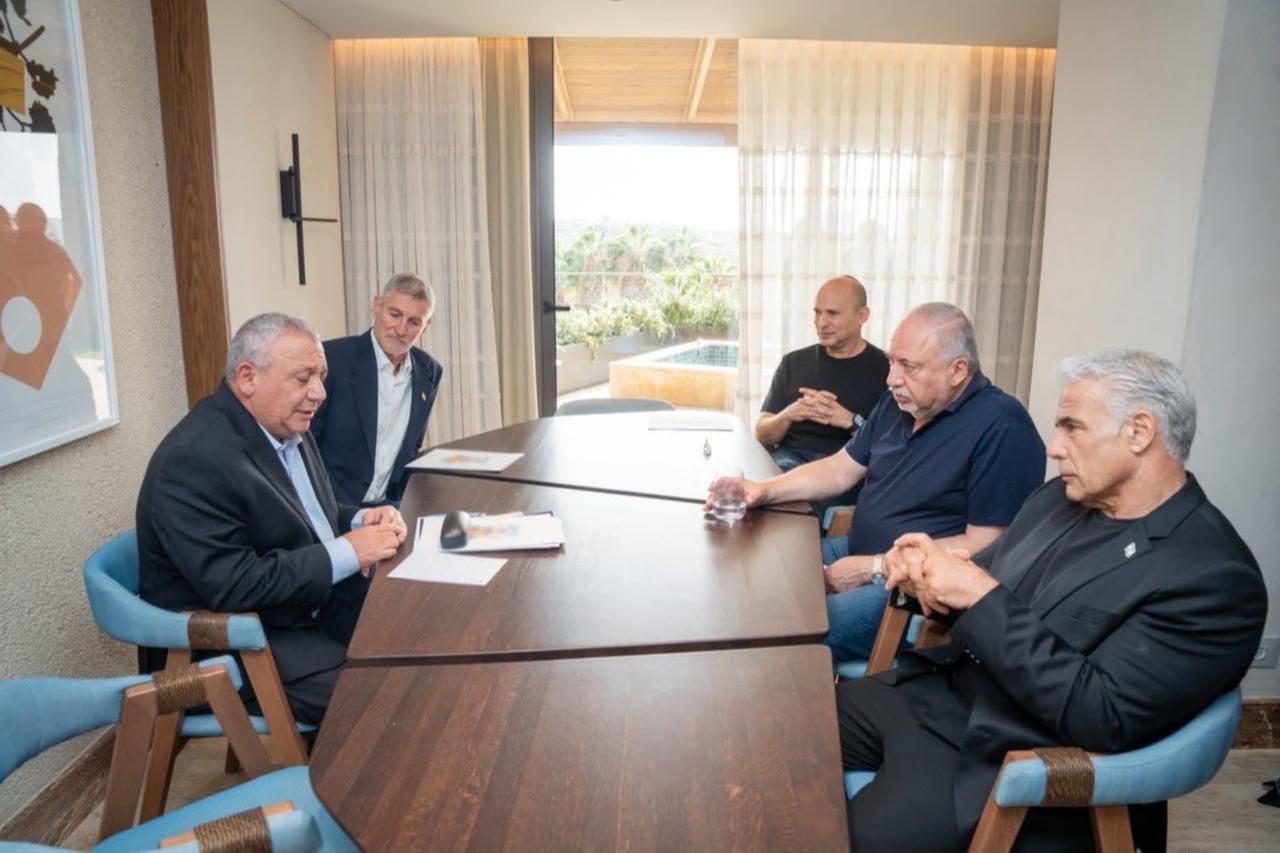


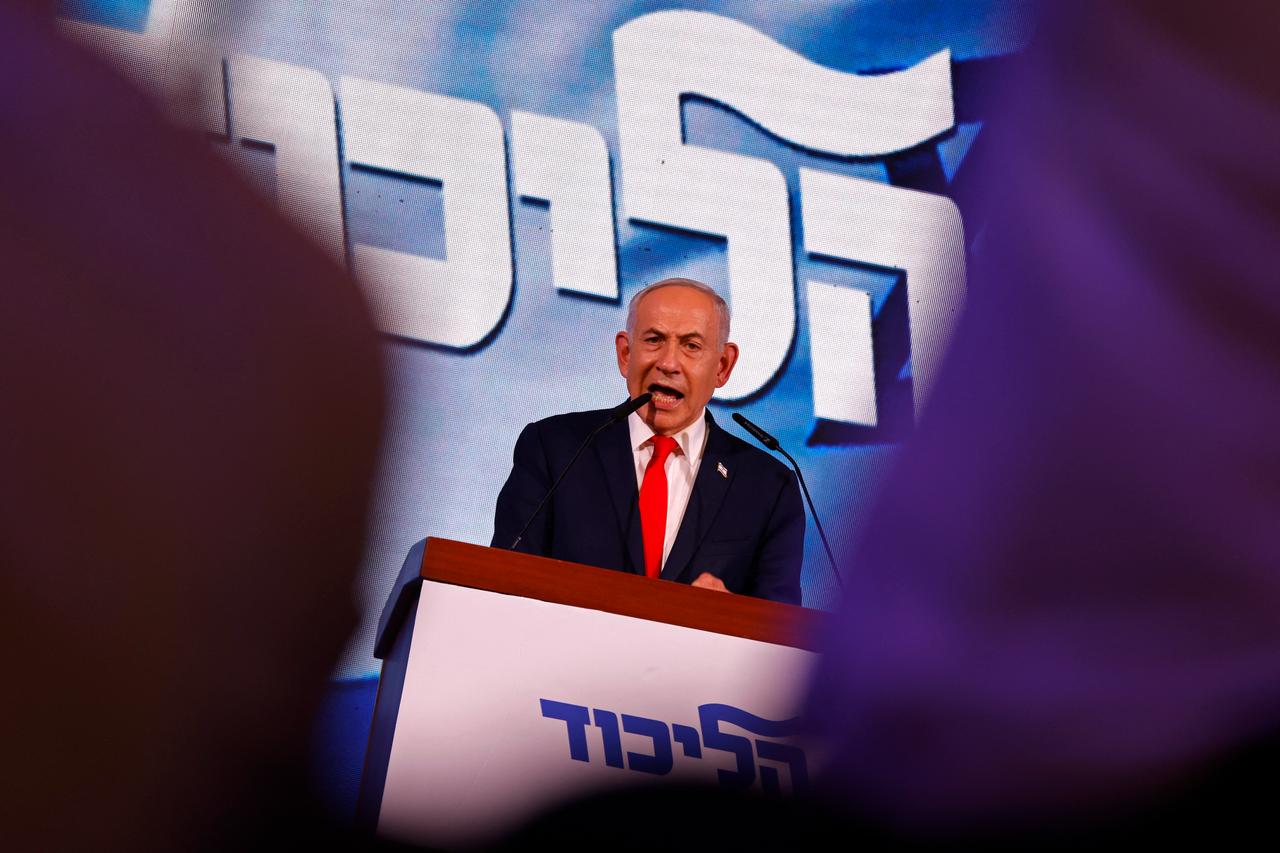
The first round of negotiations between Israeli caretaker Prime Minister Benjamin Netanyahu’s Likud party and the Yashar party of Prime Minister-designate Gadi Eisenkot ended Sunday without a breakthrough. The two sides disagree over who would lead a unity government and which parties would sit in it, Israeli media reported.
The parties agreed to keep talking, according to the daily Yedioth Ahronoth, which said the meeting at a hotel in Herzliya lasted about an hour and 15 minutes.
The central disagreement is who would serve as prime minister. Eisenkot wants to form a government under his own leadership, without rotating the post with Netanyahu. Likud has said it will not join unless Netanyahu holds the job, either outright or through a rotation deal.
Rotation arrangements have precedent in Israeli politics. Netanyahu and Benny Gantz agreed to one in 2020, and Naftali Bennett and Yair Lapid shared the premiership in 2021.
Likud is also insisting that every party in Netanyahu’s bloc join the government, including Itamar Ben-Gvir’s Otzma Yehudit. That is a second point of contention with Eisenkot.
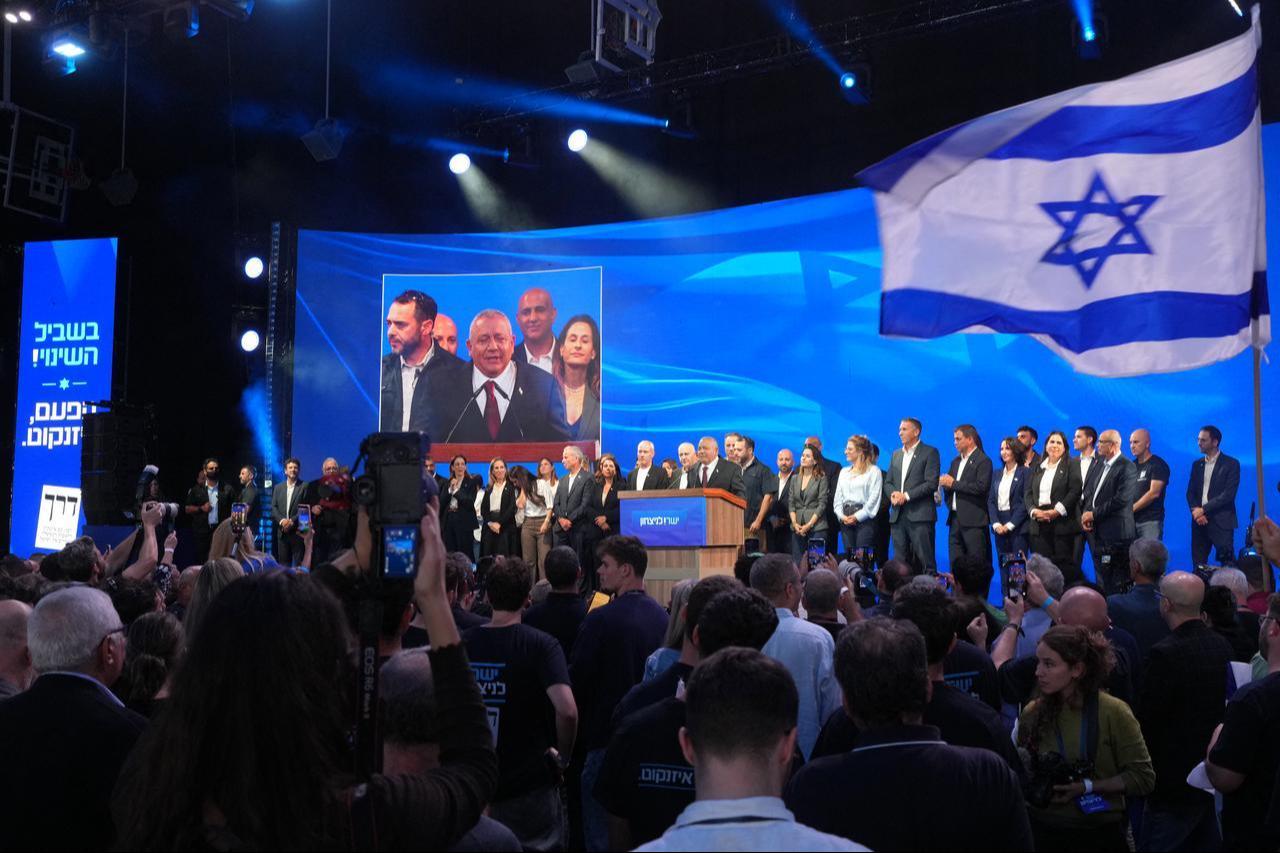

Yashar was represented by lawmakers Hili Tropper and Yoav Horowitz. Likud sent its parliamentary faction chair, Ofir Katz, and attorney Michael Rabello, who previously served as Netanyahu’s legal adviser. Shalom Shlomo, a political adviser to former Prime Minister Bennett, attended on behalf of Bennett’s Together party.
Yedioth Ahronoth reported that significant differences remain after the first session. It said real progress would probably require a direct meeting between Netanyahu and Eisenkot.
The talks come as Eisenkot’s partners Lapid, Avigdor Lieberman and Yair Golan have all opposed joining any government that includes Netanyahu. Golan criticized the negotiations, arguing that replacing Netanyahu and Likud requires a political partnership among their opponents. He said there was a “clear democratic verdict” that should be respected.
Eisenkot has said a unity government should rest on shared values, including public education, military service, public service and solidarity among citizens. He said political agreements and the division of posts alone would not be enough.
Last week, he also met privately with Yaakov Asher, leader of United Torah Judaism, as part of efforts to see whether ultra-Orthodox parties could join his coalition, Yedioth Ahronoth reported.
Elections for the 26th Knesset were held on Oct. 27, 2026, after the previous parliament completed its statutory term. Likud won the most seats, but the opposition to Netanyahu emerged stronger. A total of 67 lawmakers recommended Eisenkot to form the government, while 46 backed Netanyahu and seven declined to recommend either man.
President Isaac Herzog gave Eisenkot the mandate on Nov. 8. He has 28 days to form a government, with a possible 14-day extension. A governing majority in the 120-seat Knesset requires 61 members.
Eisenkot has since opened consultations with ultra-Orthodox parties and other political groups. Disagreements over military conscription and the participation of Arab parties have complicated his efforts. Netanyahu’s calls for a unity government led to the talks with Yashar, which have yet to produce an agreement.
The Knesset is scheduled to vote Tuesday on replacing its speaker, Likud’s Amir Ohana, with Yashar lawmaker Matan Kahana.


 Set as preferred source
 Set as preferred source


 1 min read

 1 min read