Newsletters


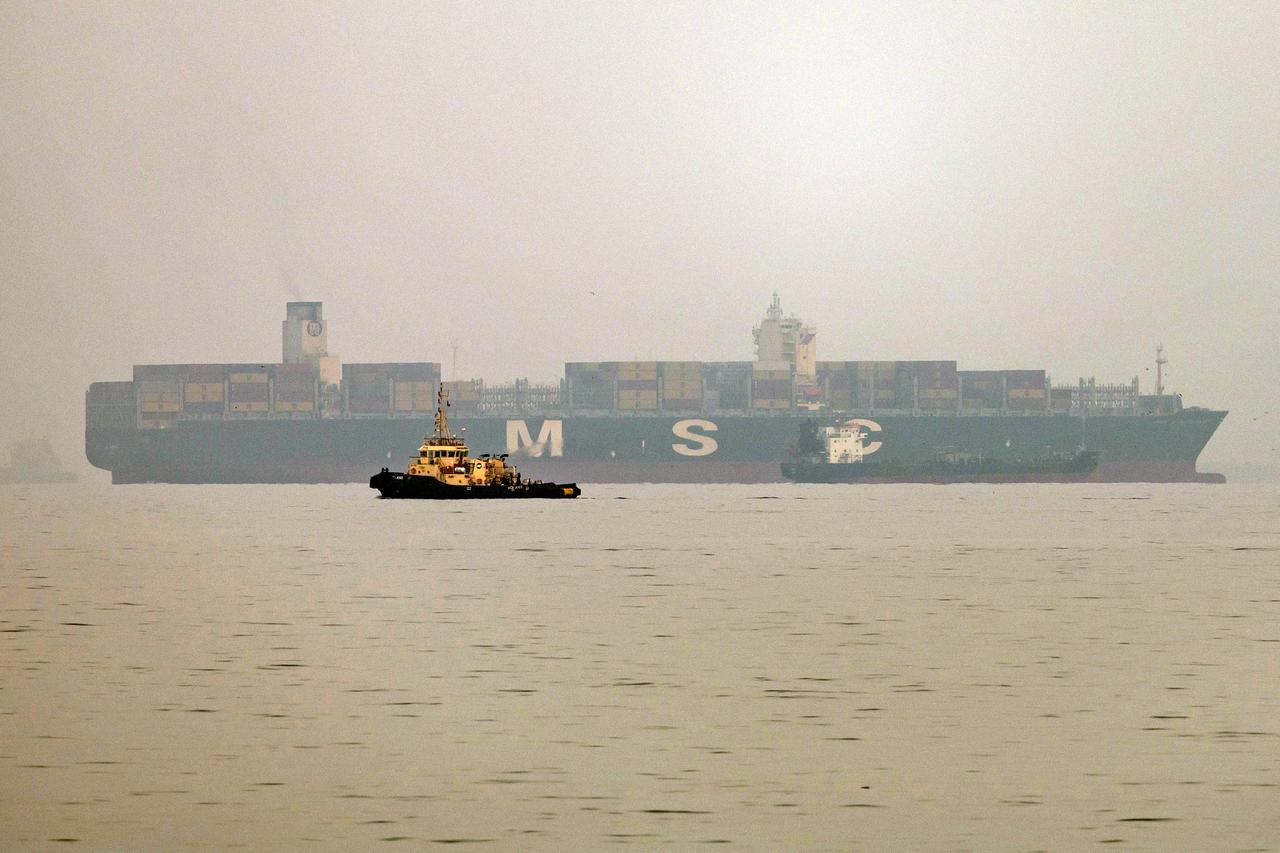


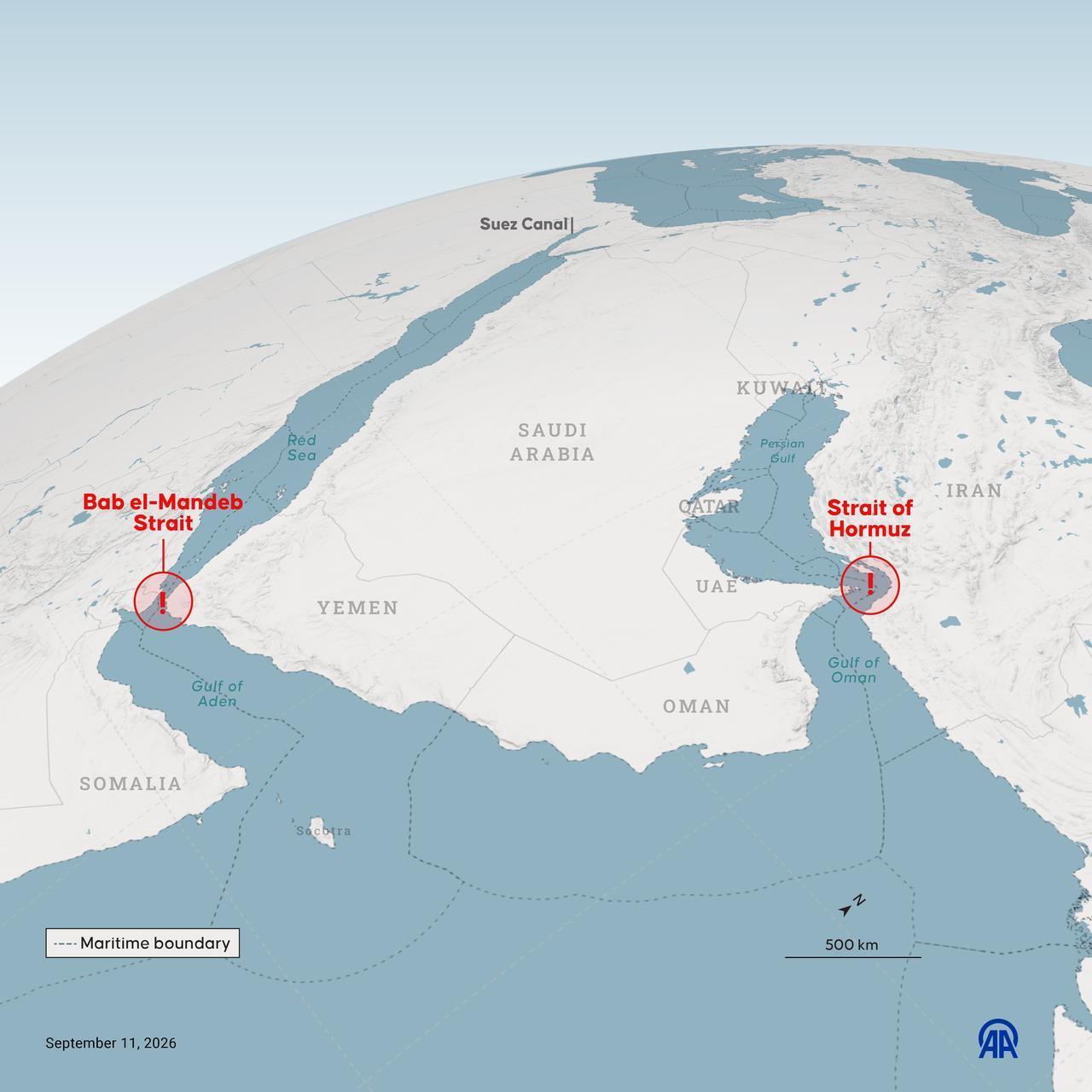
Investment in alternative Gulf trade and energy routes could make the Strait of Hormuz "redundant" within 5 years, HSBC Group CEO Georges Elhedery stated Tuesday, as Türkiye pitched its Development Road project as a strategic alternative to the embattled waterway.
"Of course, we do wish and hope to see a resolution to the conflict. But Hormuz, probably in five years’ time, may become redundant," Elhedery said at the HSBC Future Forum in Dubai.
The Iran war has exposed the world's reliance on Hormuz, which carried about a fifth of global oil and LNG trade before the conflict, pushing regional governments to fast-track pipelines, railways and corridors that bypass it.
"We do see this region being able to recover and then continue growing. It will mean a lot of investment," Elhedery said.
The Middle East, North Africa and Türkiye are offering $872 billion in individual project packages, part of a wider $1.4 trillion pipeline of planned infrastructure, HSBC said, citing MEED data. The World Bank forecast a 1.3% contraction for the Middle East, North Africa and Pakistan region this year due to the war.

"As Türkiye at the heart of the Middle Corridor, managing the Turkish Straits and building the Development Road, we are clearly proving at the table and on the ground: There is no corridor without Türkiye," Türkiye's Transport and Infrastructure Minister Abdulkadir Uraloglu said at a SETA conference in Ankara.
"This project will offer a strategic alternative that will reduce dependence on the Strait of Hormuz, especially for cargo going from Gulf countries to Europe," he said.
"If we had finished this project, the world would be talking less about the Strait of Hormuz," he noted.
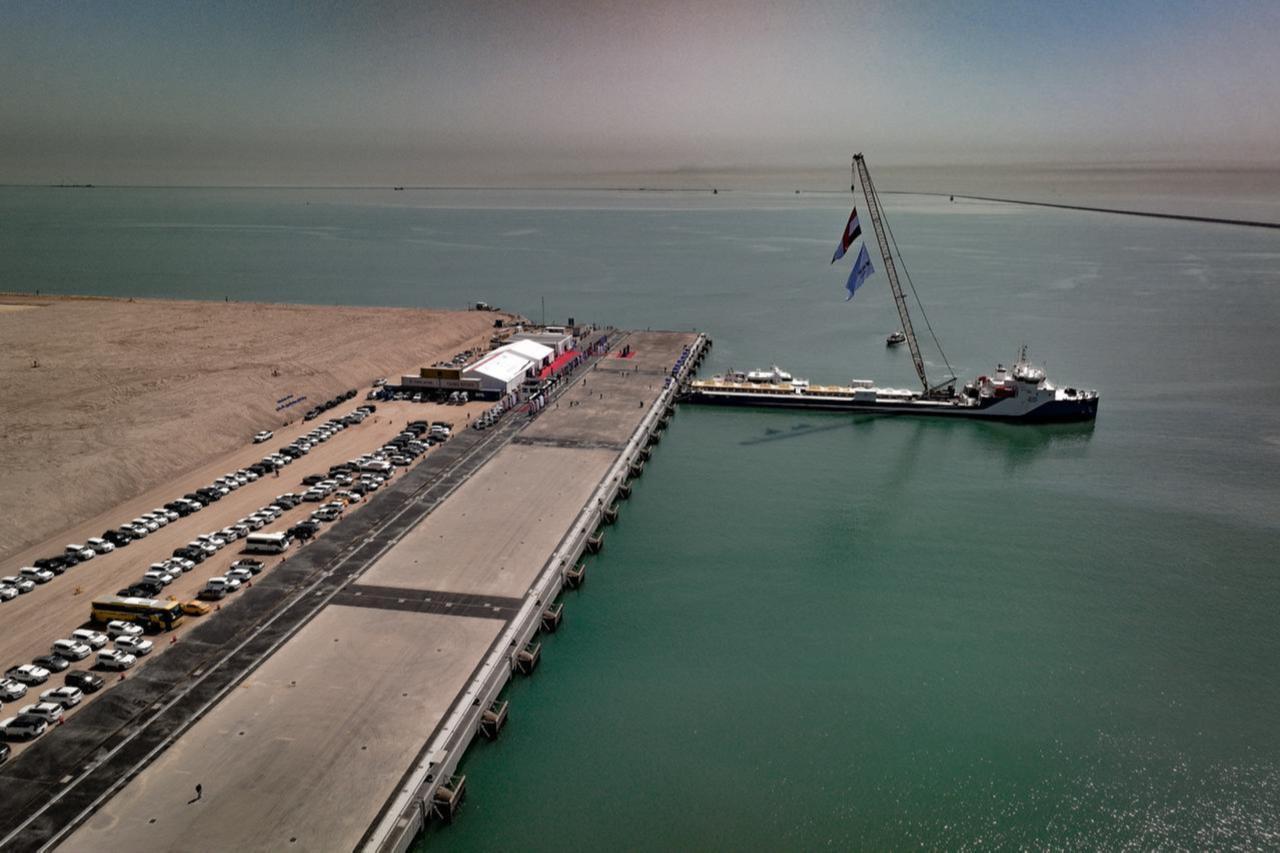
The Development Road, running from Iraq's Faw Port through Türkiye to Europe, would cut transit time to about 25 days, 20 days shorter than the Cape of Good Hope route and 10 days shorter than the Southern Corridor, Uraloglu said. It is expected to add about $55 billion to Türkiye’s economy over 10 years and create an average of 70,000 jobs a year.
Agreements signed July 28 in the presence of President Recep Tayyip Erdogan and Iraqi Prime Minister Ali al-Zaidi will go to both parliaments before construction begins, he said.
"These corridors are not rivals of each other, and should not be," Uraloglu said, citing the Middle Corridor across the Caspian, the Trump Route for International Peace and Prosperity (TRIPP) corridor and a modern Hejaz Railway.
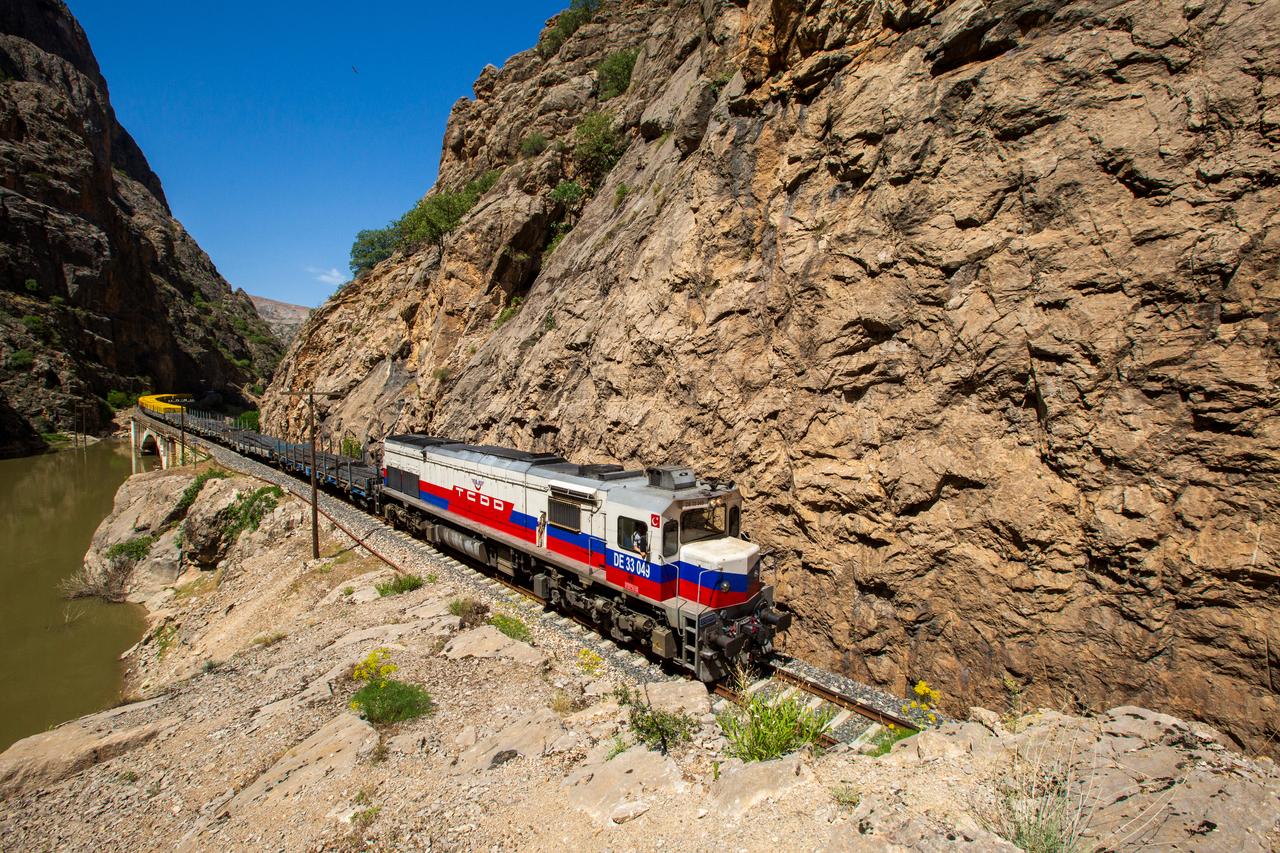
Lines linking Türkiye to the Middle Corridor total 2,156 kilometers, with investments of $47.1 billion, he said.
A Hejaz Railway memorandum recently signed with Saudi Arabia envisions a 2,511-kilometer link through Türkiye, Syria, Jordan and Saudi Arabia, Uraloglu said.
Meanwhile, Jordan's King Abdullah II and Iraqi President Nizar Amedi discussed advancing the Basra-Aqaba oil pipeline to give Iraqi oil an outlet via the Red Sea, Jordan’s Royal Court said.
Some Iraqi groups oppose the project, alleging it aims at normalization with Israel.


 Set as preferred source
 Set as preferred source


 2 min read
 1 min read