Newsletters


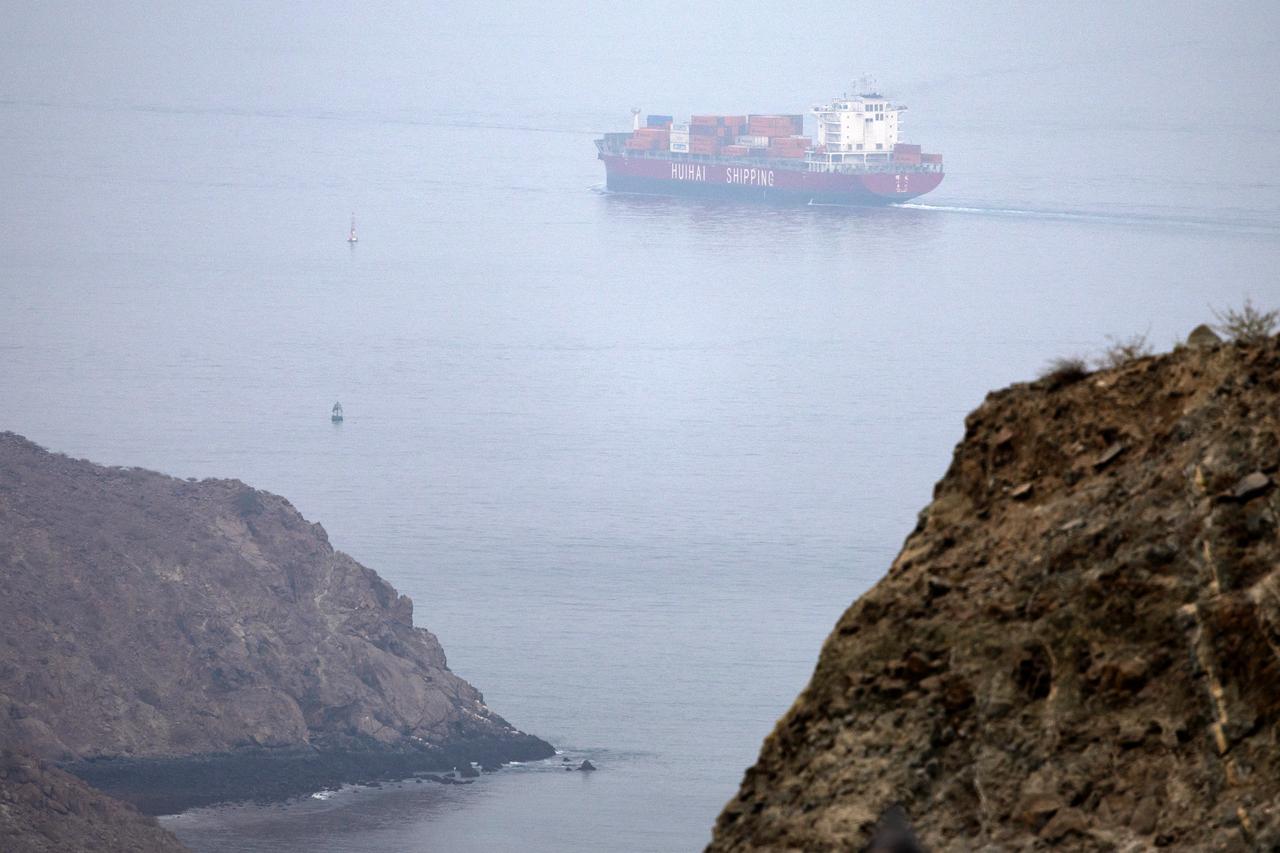
Pakistan has so far weathered the energy price shock from the Iran war, but attacks on energy infrastructure in Saudi Arabia and other Gulf countries are "worrying" for its longer-term economic outlook, Finance Minister Muhammad Aurangzeb said Saturday, as shipping through the Strait of Hormuz remained about 70% below prewar levels.
"What is now the worrying part of it is when the energy infrastructure starts getting hit," Aurangzeb told Agence France-Presse (AFP) on the sidelines of the IMF-World Bank annual meetings in Bangkok.
"I don’t know where that would go. But one thing is very clear: that if the infrastructure continues to get hit, the return to normalcy, even if things subside, will take longer," he added.
Pakistan, a party to the Mecca defense pact with Saudi Arabia and Türkiye, relies heavily on Gulf energy, and sustained attacks on Gulf infrastructure, including the Houthi strike on Aramco's headquarters this week, threaten a prolonged global energy crunch.


"The first-order impact has been negotiated well by Pakistan," Aurangzeb said.
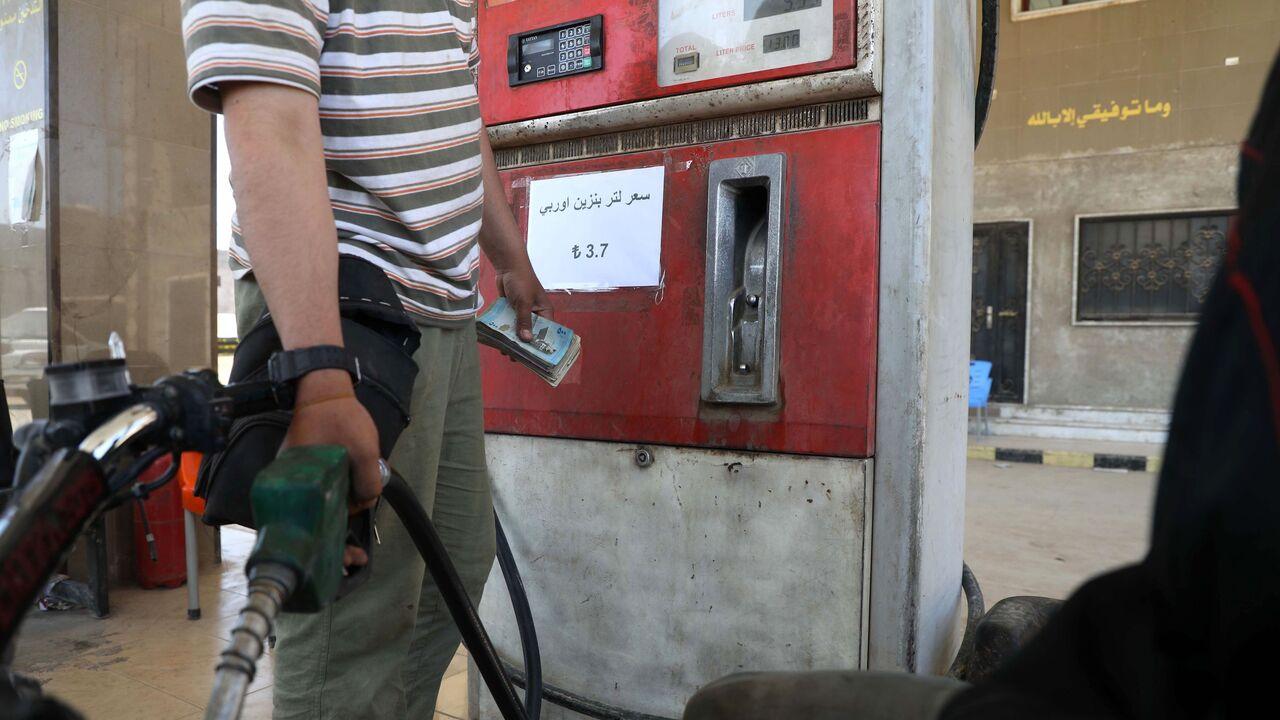
"We’ve had no shortage, no queues at the gas stations, and no law and order situation, which at times we have seen in some of the countries," he added.
He said Pakistan has secured enough energy supplies to last through November and is planning for winter, adding that it would not buy costlier spot LNG cargoes unless there was "an absolute dire need."
Pakistan is in the middle of a roughly $7 billion, three-year IMF program, with the fund agreeing this month to release a $1.2 billion tranche. "Fortunately for us, we have been on this fiscal consolidation path for a while," the Pakistani minister said.
"Every reform, everything that you try to do when you try to change the status quo, there is pushback," he said of resistance from industry and vested interests.
Asked about military-run businesses, he said: "As far as we are concerned, whichever commercial enterprises the military are running, they are running on a standalone basis and profitable on their own basis. So, I can confirm to you, we are not providing any funds from the exchequer."
"We will not go back to the pre-war trajectory in the medium term because this shock will have a scarring impact on various sectors and also will disrupt a certain number of infrastructure, and will require additional spending in order to increase resilience," IMF Middle East and Central Asia Director Jihad Azour said Thursday.
The IMF projects the region’s economy to contract 0.3% in 2026, with Saudi Arabia shrinking 3.3%. IMF chief Kristalina Georgieva warned that attacks on Saudi Arabia could affect people "everywhere."
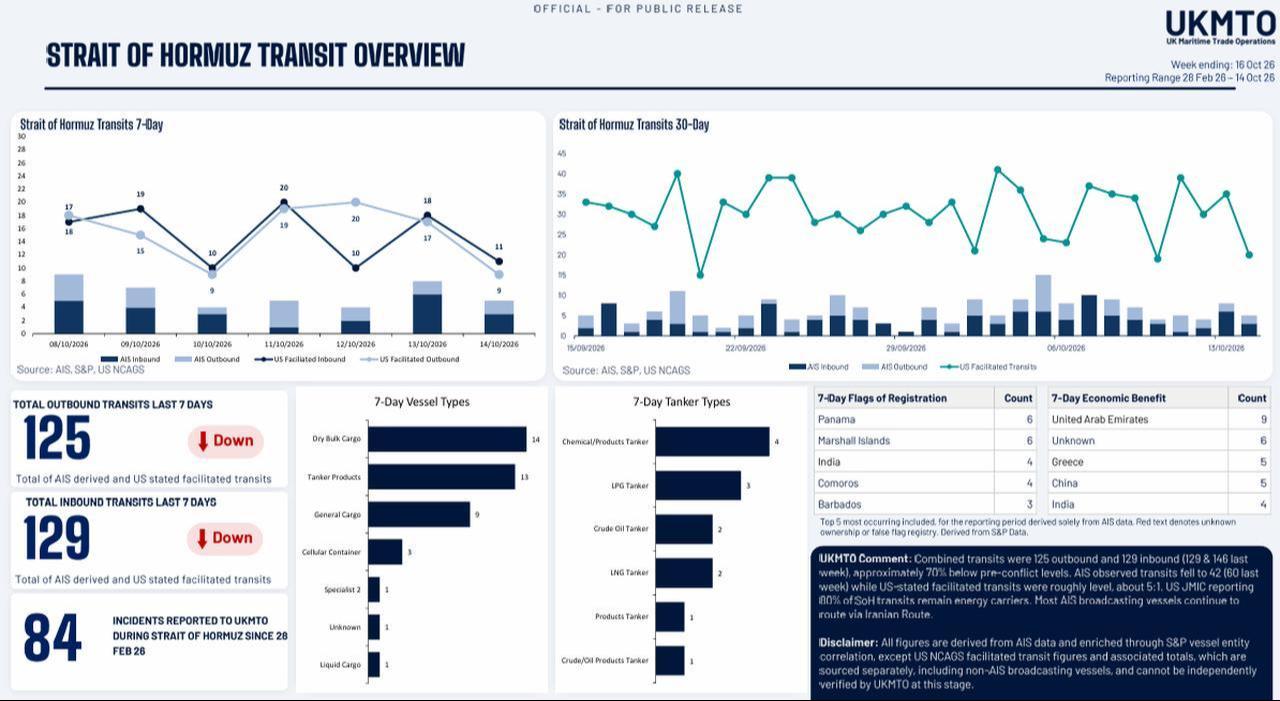
The U.K. Maritime Trade Operations (UKMTO) agency recorded 125 outbound and 129 inbound transits through Hormuz over the past seven days, down from 129 and 146 the previous week. It reported 12 attacks on vessels, including 10 in the strait; one ship was lost, two were disabled, and three had unconfirmed outcomes.
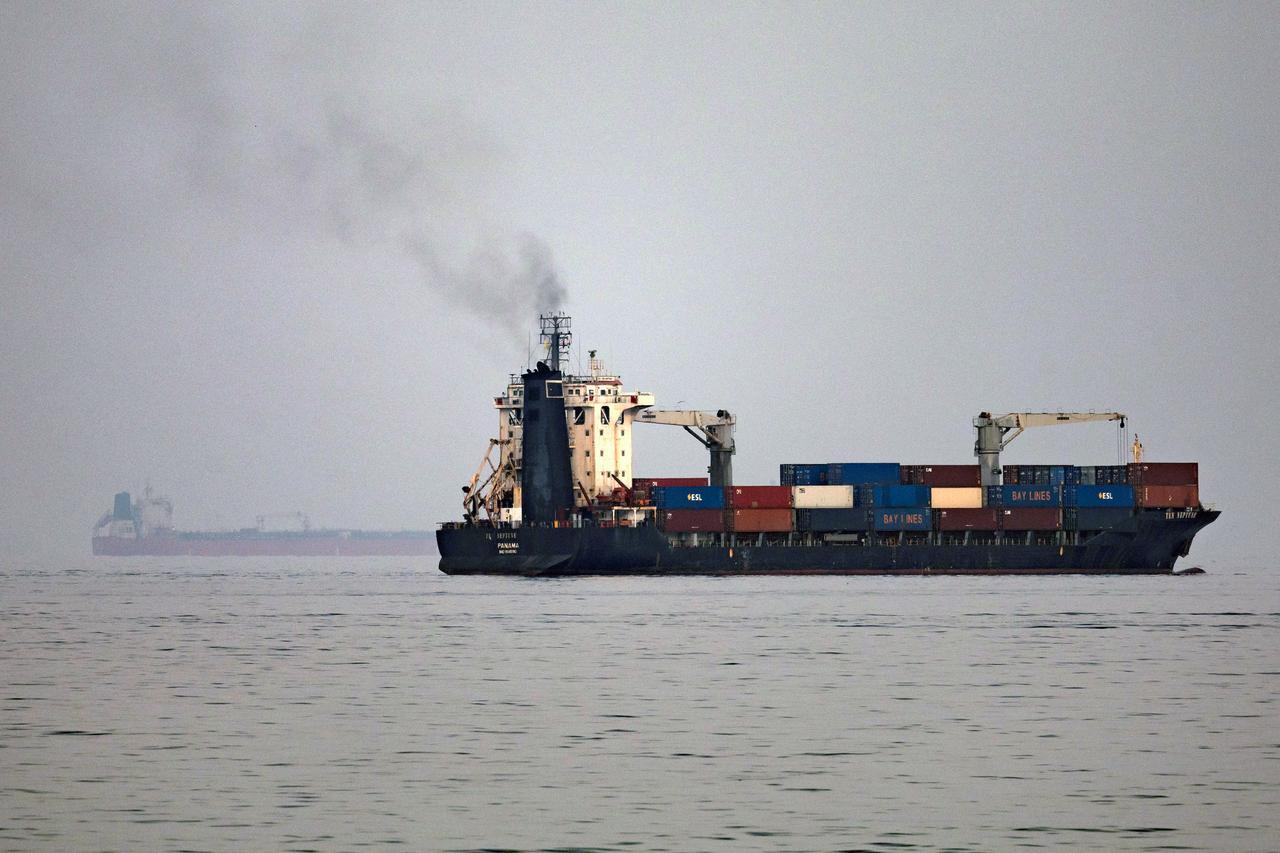
A container ship struck by an unidentified projectile near Ras Shaykh Masud on Oct. 13 caught fire and sank the next day, with all crew evacuated, UKMTO said. It has recorded 84 incidents in the strait since late February but warned that most targeted vessels decline to report attacks.
A tanker was struck by an "unknown projectile" Friday about 78 nautical miles northeast of Jubail, Saudi Arabia, and its crew was evacuated safely, UKMTO announced.
Maritime security firm Vanguard identified it as the Marshall Islands-flagged crude tanker Safeen Principal, saying it lost power and suffered an engine-room fire.
The war began with U.S. and Israeli attacks on Iran on Feb. 28, before a ceasefire was reached in April. Clashes between Washington and Tehran later resumed as negotiations stalled despite the two sides signing a Memorandum of Understanding (MoU) in June.
Tensions in and around the Strait of Hormuz have remained high amid the Iran-U.S. war and disputes about navigation through the strategic waterway.
Tehran maintains that it controls passage through Iranian waters in the strait and has warned vessels against using routes it considers unauthorized, while Washington has insisted on freedom of navigation through the waterway.
Recent attacks on commercial vessels in and around the strait have further heightened maritime tensions.


 Set as preferred source
 Set as preferred source


 1 min read
 1 min read