Newsletters


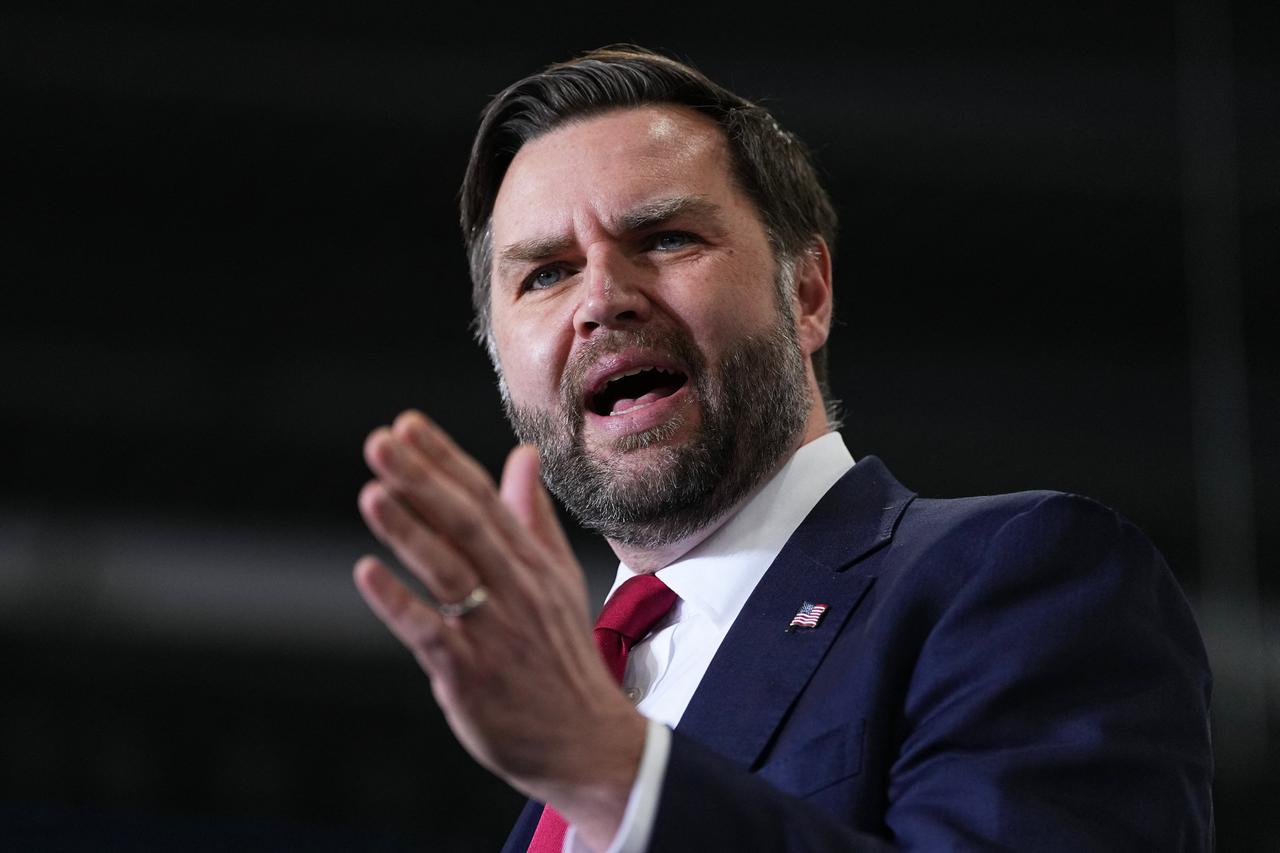


U.S. Vice President JD Vance said Thursday that while military strikes against Iran remain under consideration by President Donald Trump, there is "no chance" the United States would become involved in a drawn-out war in the Middle East.
"The idea that we're going to be in a Middle Eastern war for years with no end in sight—there is no chance that will happen," Vance told The Washington Post in an interview as he returned to Washington from an event in Wisconsin.
Vance said he does not know what Trump will ultimately decide, describing possibilities that include military strikes "to ensure Iran isn't going to get a nuclear weapon" or solving "the problem diplomatically."
"I think we all prefer the diplomatic option," Vance said, noting that, "But it really depends on what the Iranians do and what they say."
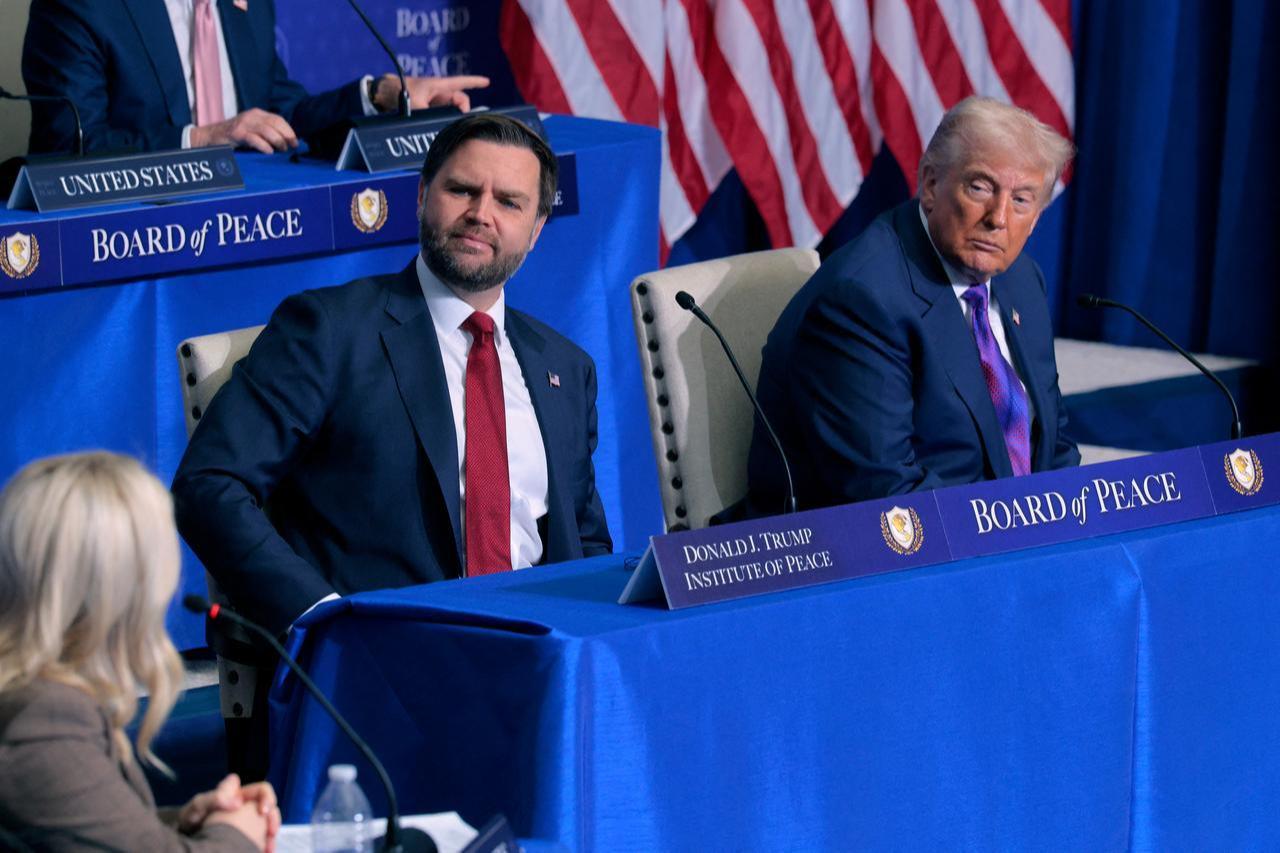

Vance, a 41-year-old Marine veteran who served in the Iraq War and once said from the Senate floor that he had been "lied to" about the reasons for U.S. involvement there, said he still sees himself as a "skeptic of foreign military interventions", a description he believes continues to apply to Trump.
Asked whether he could have foreseen being attached to a presidency interested in bringing about foreign regime change, Vance chuckled.
"Well, I mean, look. Life has all kinds of crazy twists and turns," he said, adding that, "But I think Donald Trump is an 'America First' president, and he pursues policies that work for the American people."
"I do think we have to avoid repeating the mistakes of the past. I also think that we have to avoid overlearning the lessons of the past. Just because one president screwed up a military conflict doesn't mean we can never engage in military conflict again. We've got to be careful about it, but I think the president is being careful," Vance stated.
He noted that last year's operation in Iran and the January capture of Venezuelan President Nicolas Maduro were "very clearly defined."
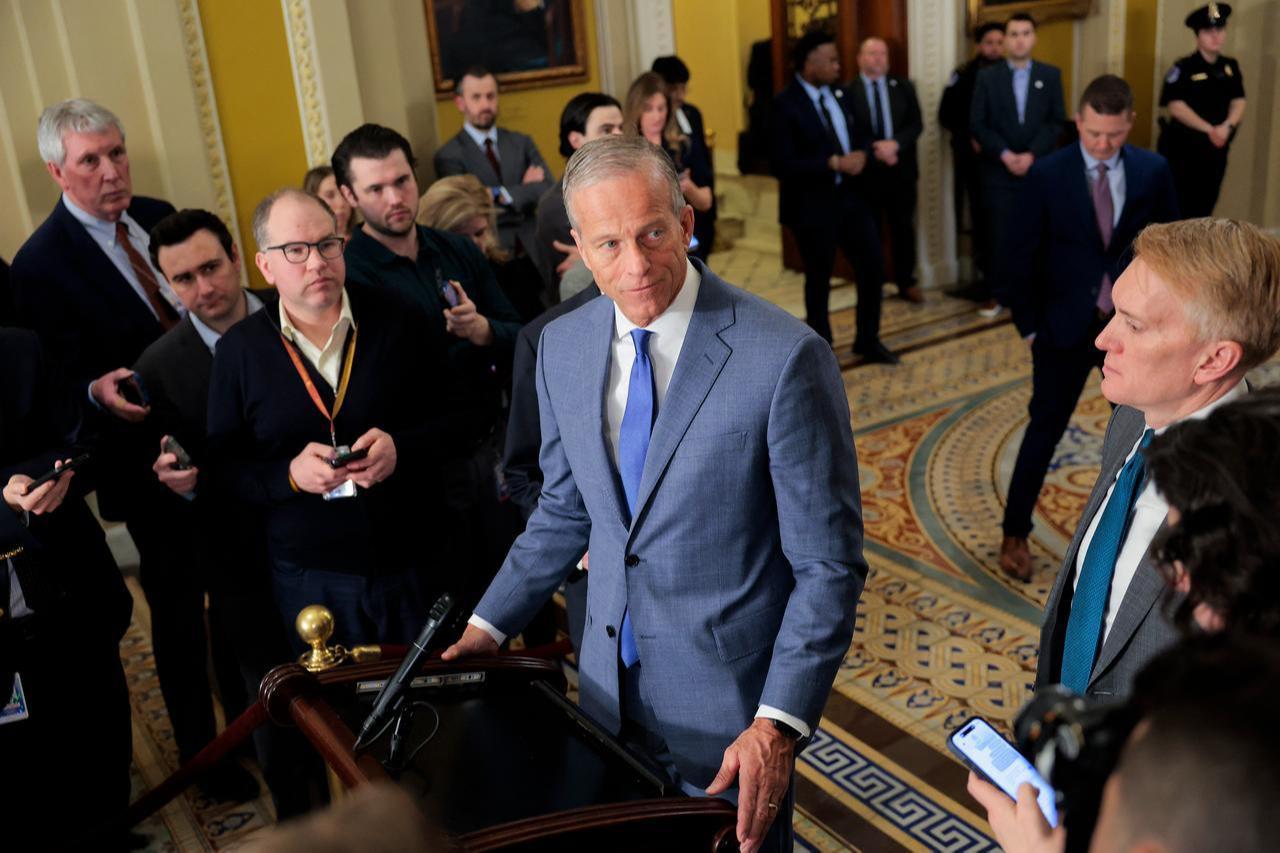
U.S. Senate Majority Leader John Thune said Thursday that if Washington moves forward with military strikes against Iran, the objective should include regime change.
"In my view, if you're going to do something there, you better well make it about getting new leadership and regime change," Thune told reporters at the Capitol.
Thune said he does not think Trump has made a final determination on whether to authorize strikes.
"I think they're gaming out what contingencies might look like and what's in our national security interest. And of course, obviously, first and foremost is to prevent them from having a nuclear capability," he added.
Trump has openly acknowledged his interest in regime change in Iran, telling reporters this month that toppling Ali Khamenei "would be the best thing that could happen."
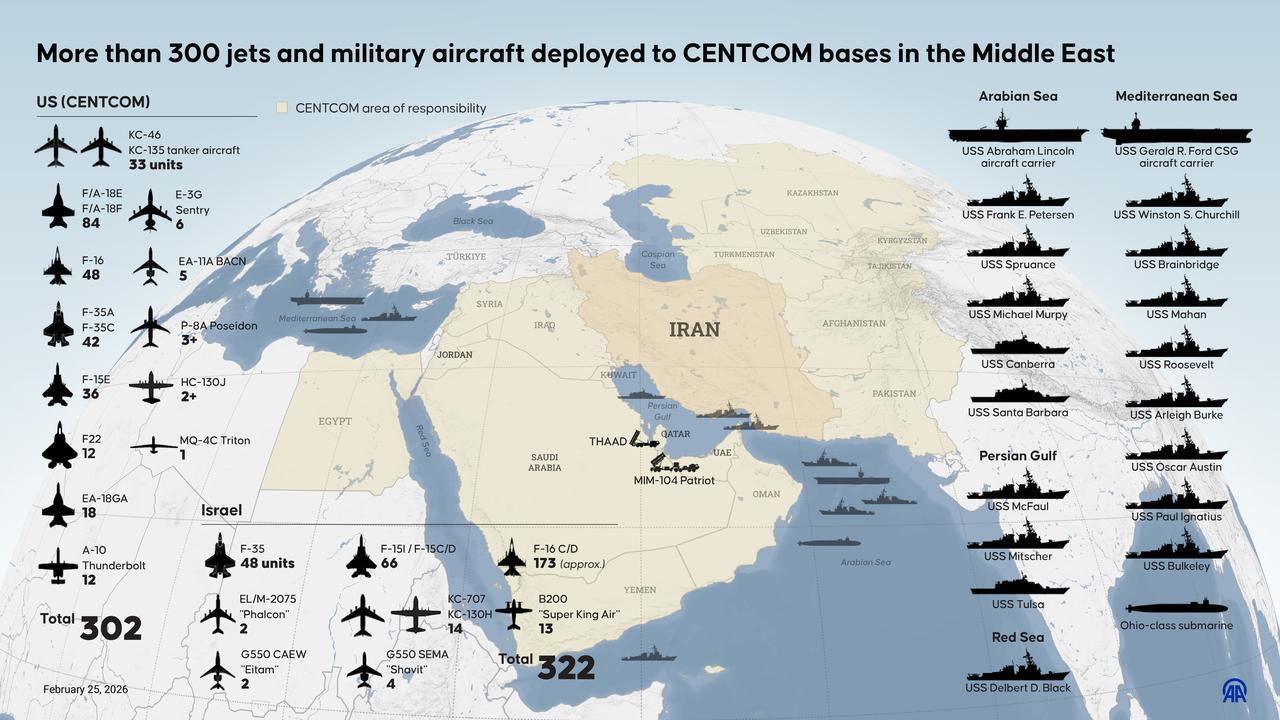
Meanwhile, the U.S. continued reinforcing its military presence.
Six additional U.S. KC-46 aerial refueling aircraft are expected to head to Israel's Ben Gurion Airport near Tel Aviv, the Times of Israel reported Thursday, citing analysts tracking open-source flight data.
Several U.S. refueling and cargo aircraft were spotted at Ben Gurion earlier this week, along with 11 F-22 stealth fighter jets at Ovda Air Base in southern Israel, accompanied by logistical support aircraft, the report said.
Chinese technology firm MizarVision published satellite imagery showing U.S. F-22 fighters deployed at Ovda Air Base in southern Israel with a Patriot air defense battery positioned nearby.
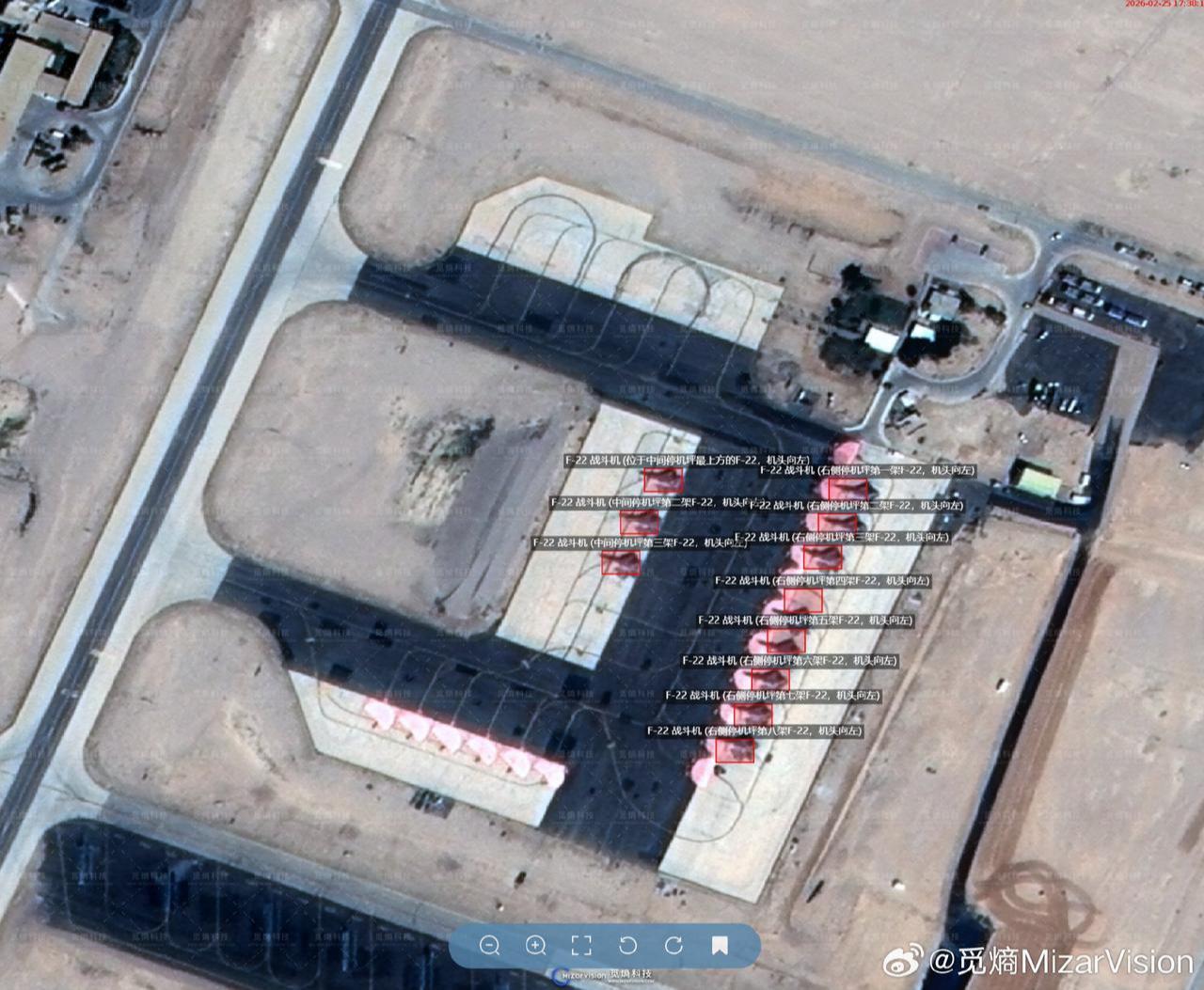
The firm also identified 22 U.S. aircraft at Prince Sultan Air Base in Saudi Arabia, combat aircraft and Patriot systems at Al-Udeid Air Base in Qatar, and fighter jets alongside a THAAD air defense system at Muwaffaq Salti Air Base in Jordan.
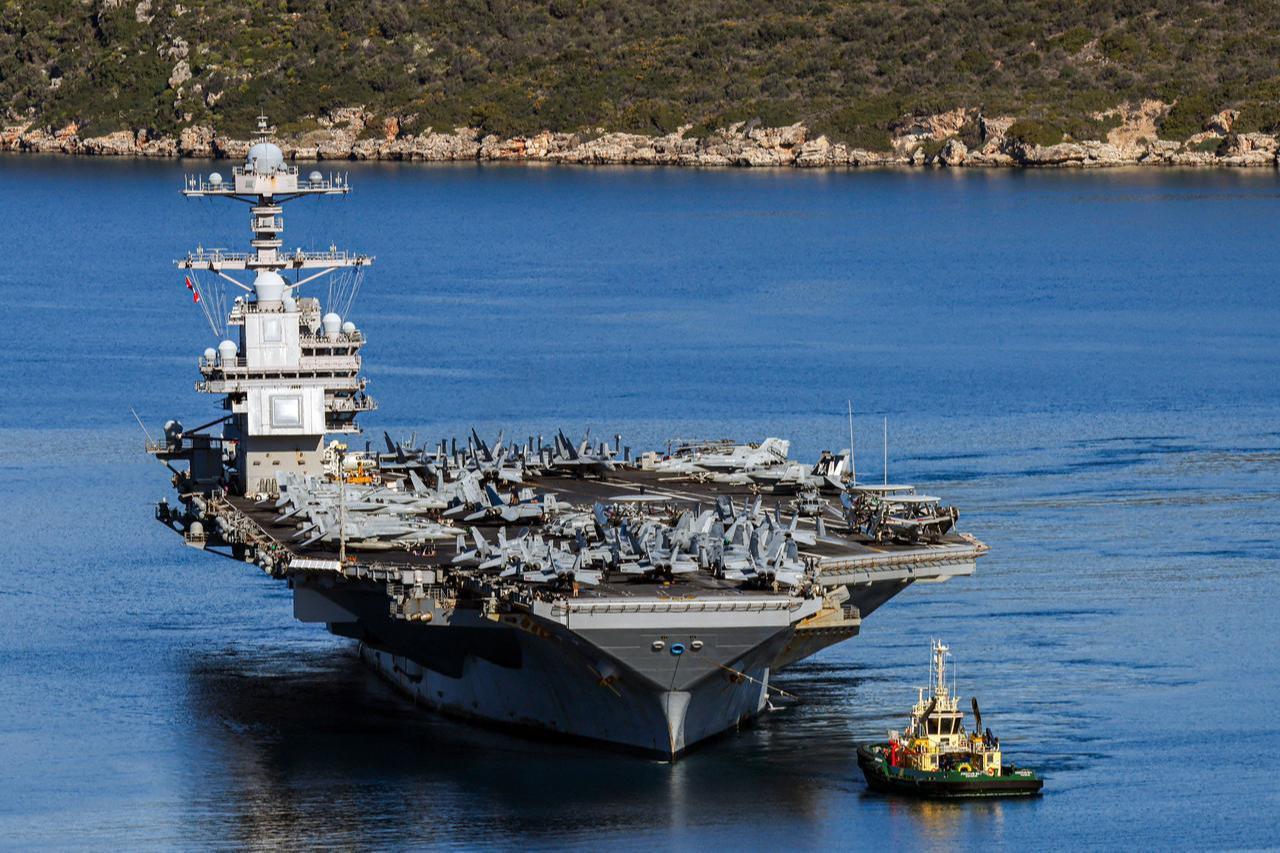
The U.S. military was also observed building up forces at Diego Garcia in the Indian Ocean, while the USS Gerald R. Ford aircraft carrier was positioned near Crete, MizarVision reported.
Vance also addressed growing intraparty debates among conservatives over U.S. Middle East policy and attitudes toward Israel.
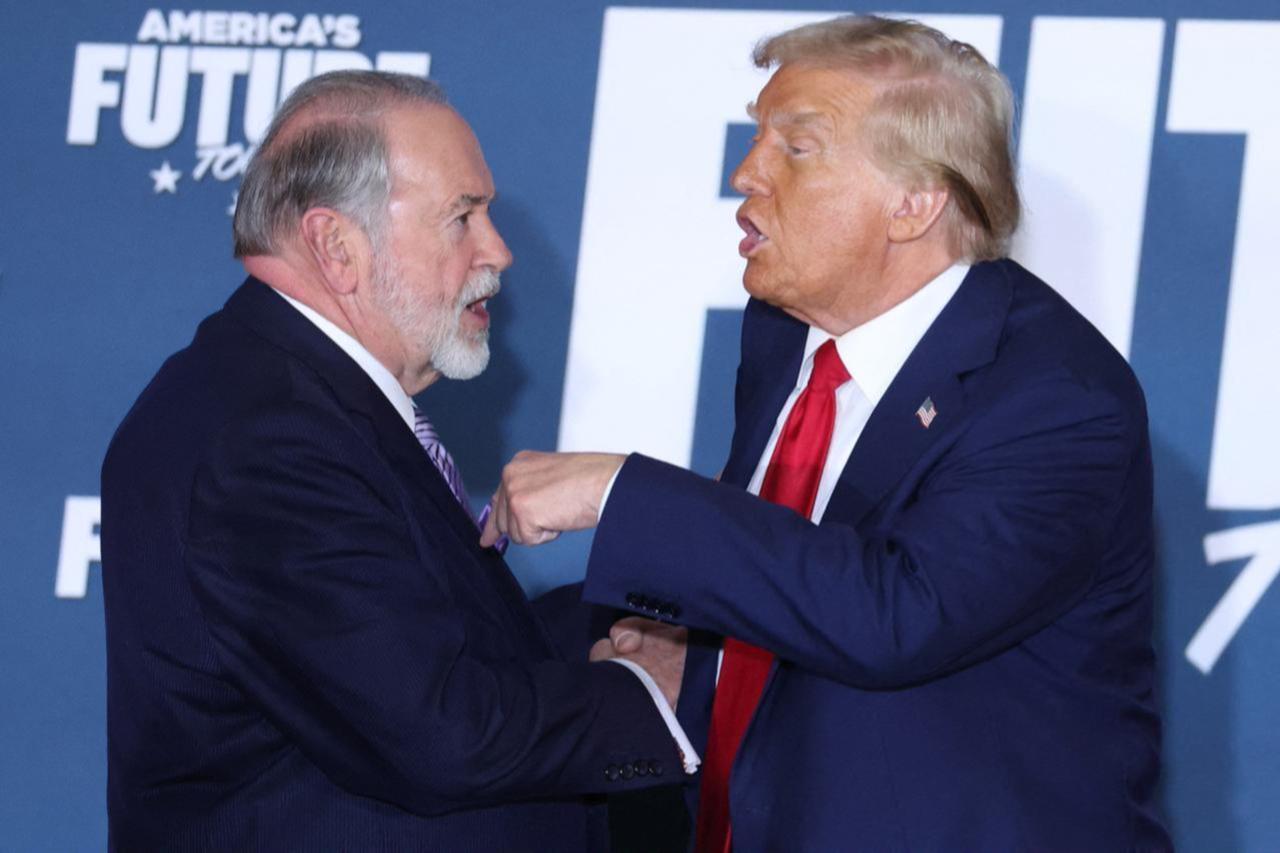
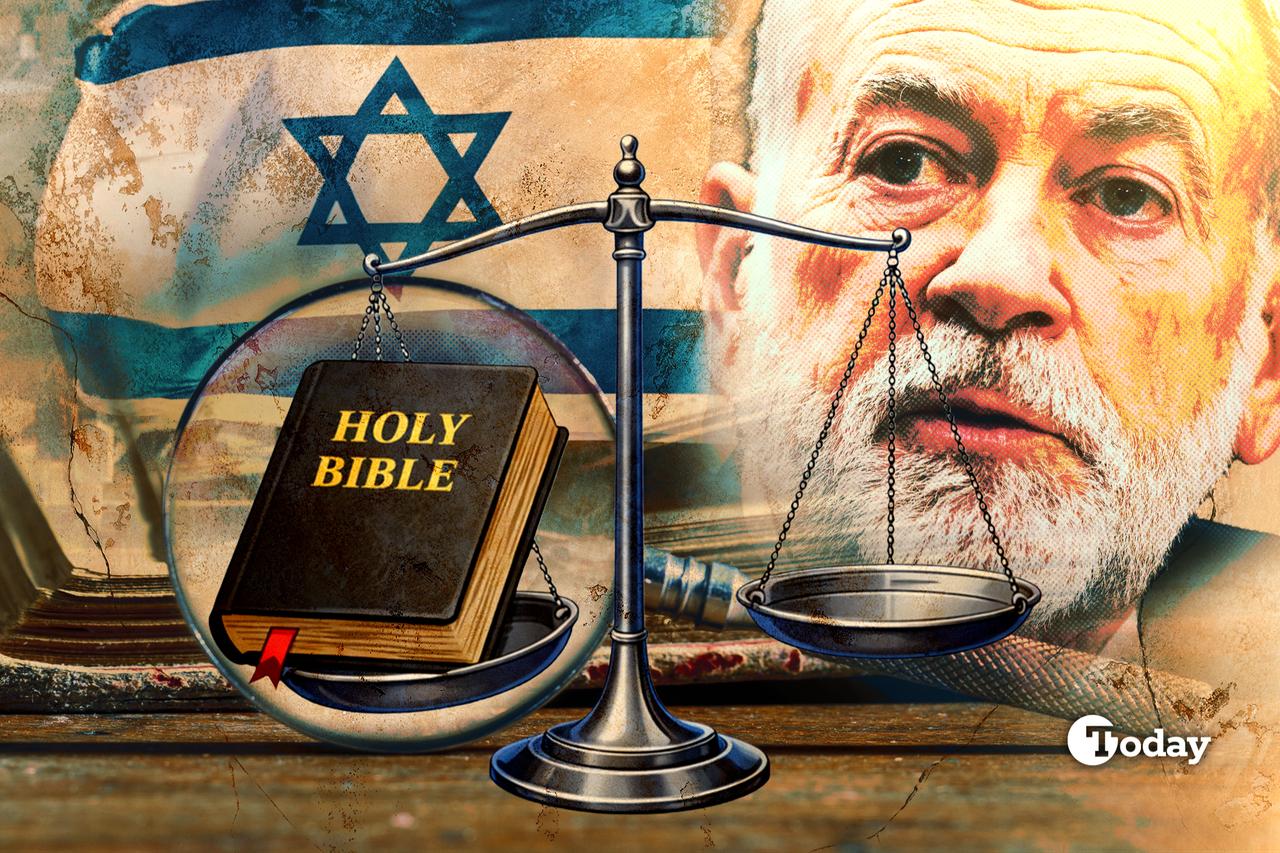
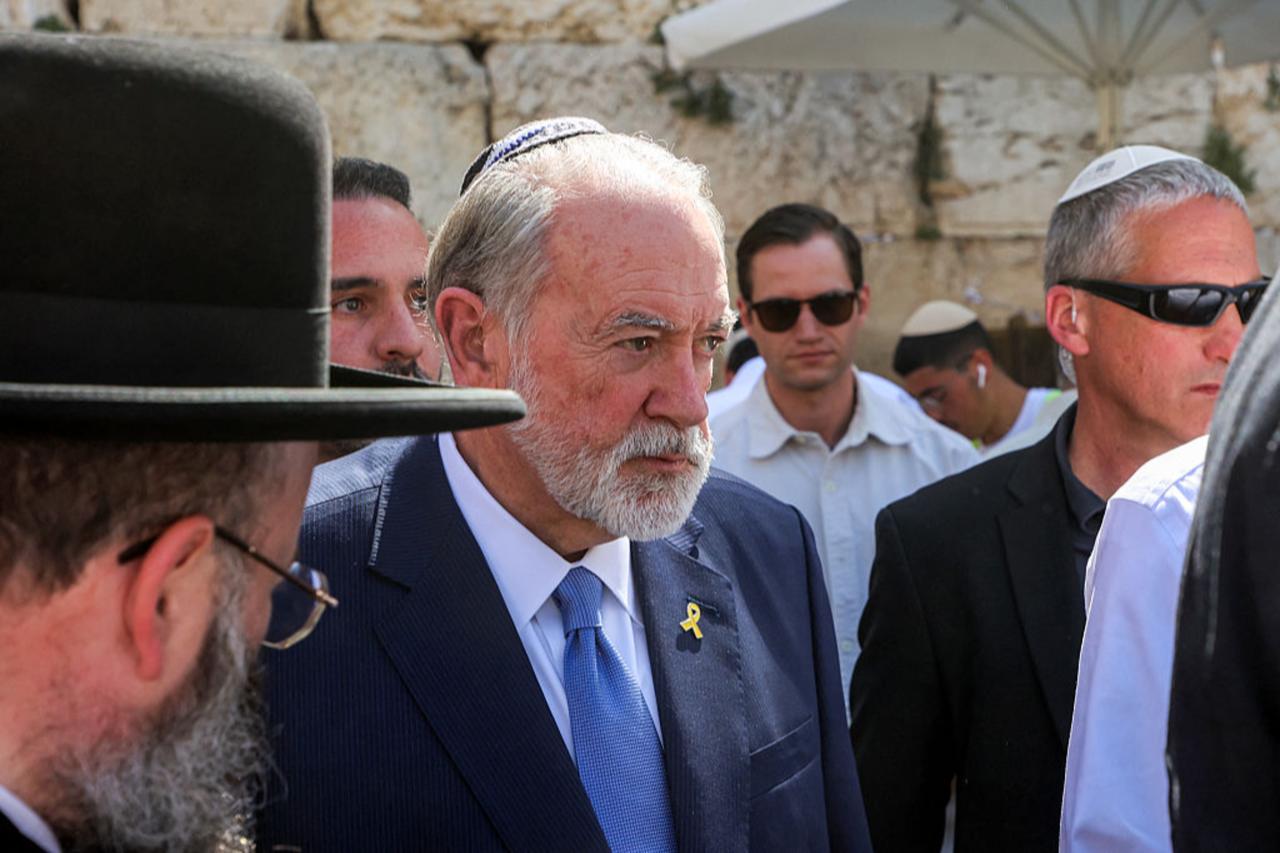
Commenting on a recent interview between former Fox News host Tucker Carlson and U.S. Ambassador to Israel Mike Huckabee, in which Huckabee said it would "be fine" if Israel took over other Middle Eastern countries referenced in scripture, Vance described it as a positive development for conservative discourse.
"I guess my takeaway is it's a really good conversation that's going to be necessary for the right, not just for the next couple years but for long into the future," Vance said.
 2 min read
A growing number of conservatives, particularly younger voters, have soured on continued military support for Israel, fueling a debate on the right about foreign policy.
Vance has advocated for Israel-skeptical voices to be heard in the intraparty debate while maintaining that he sees the nation as a strategic ally.


 Set as preferred source
 Set as preferred source


 1 min read