Newsletters


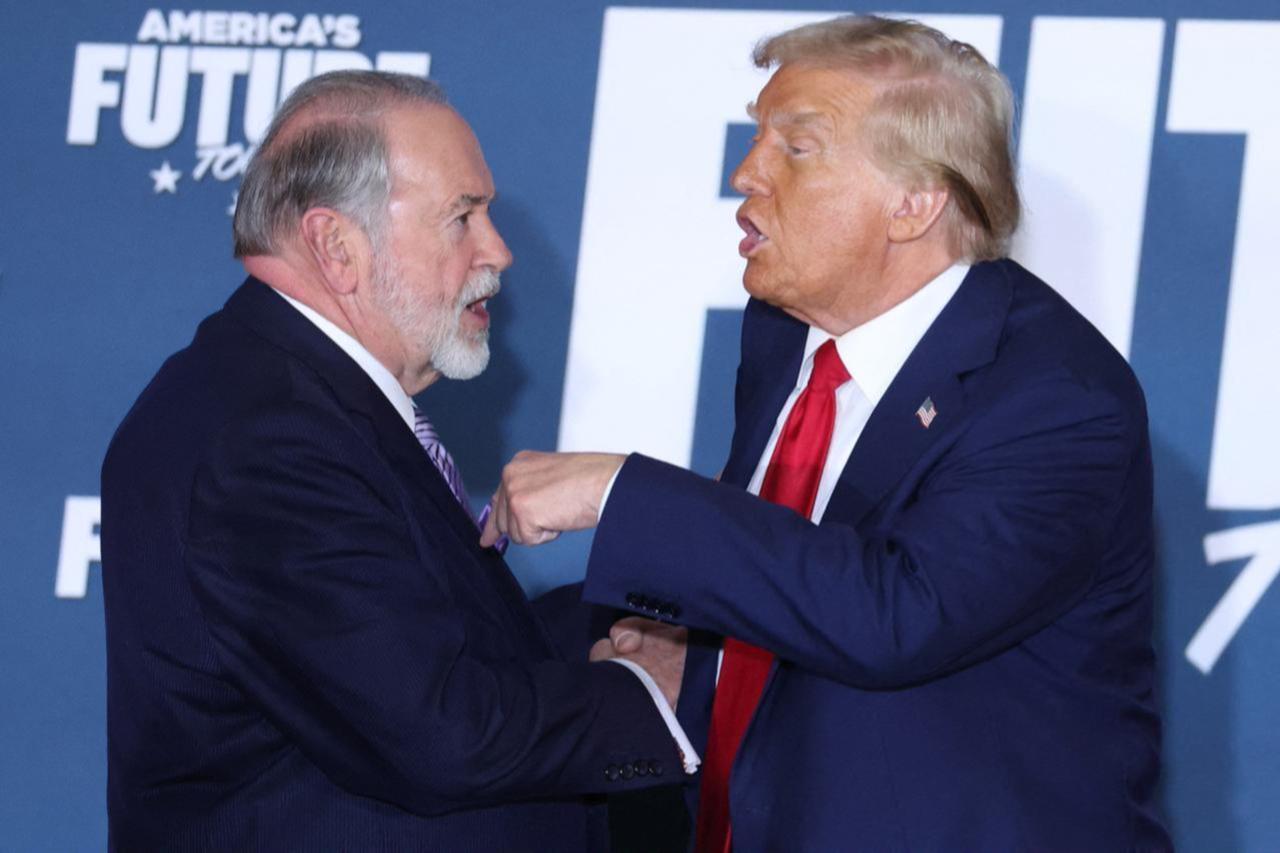


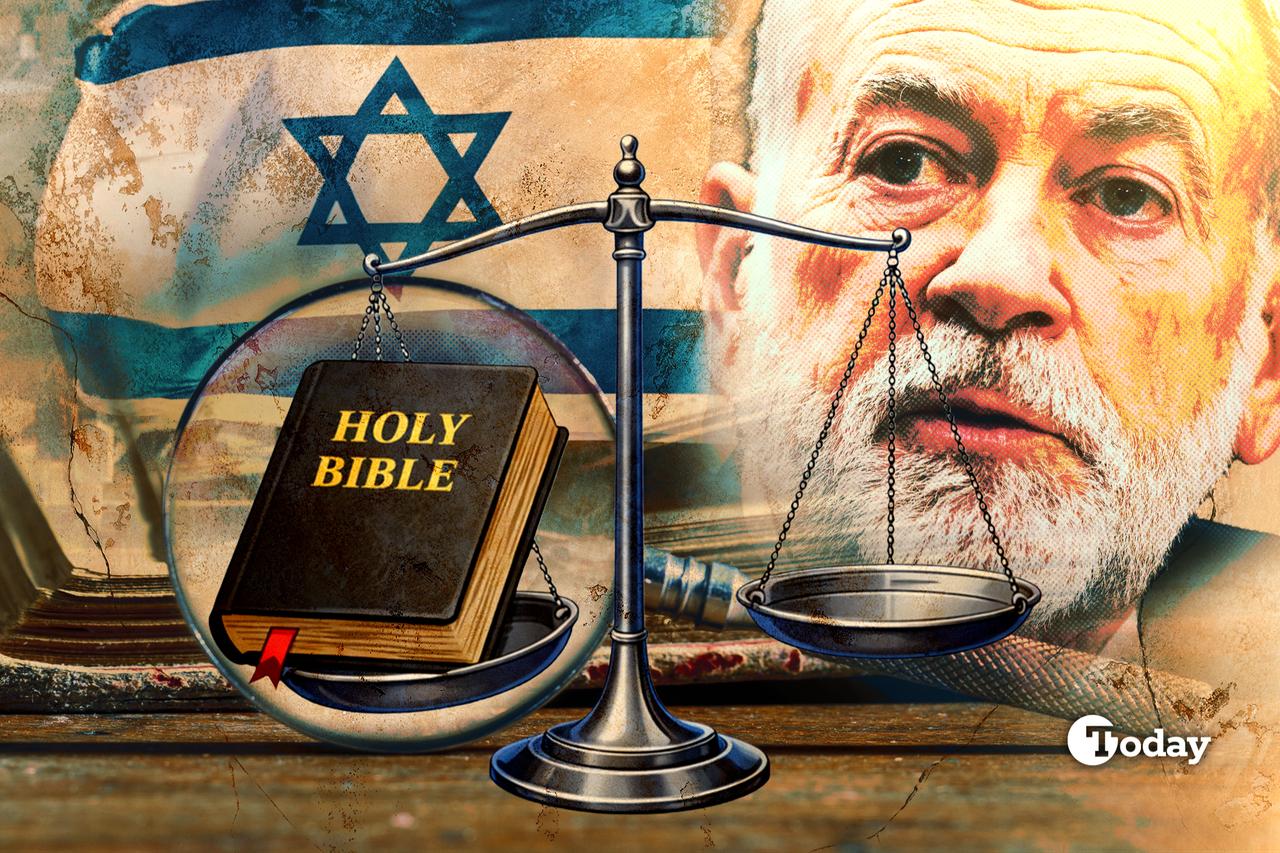
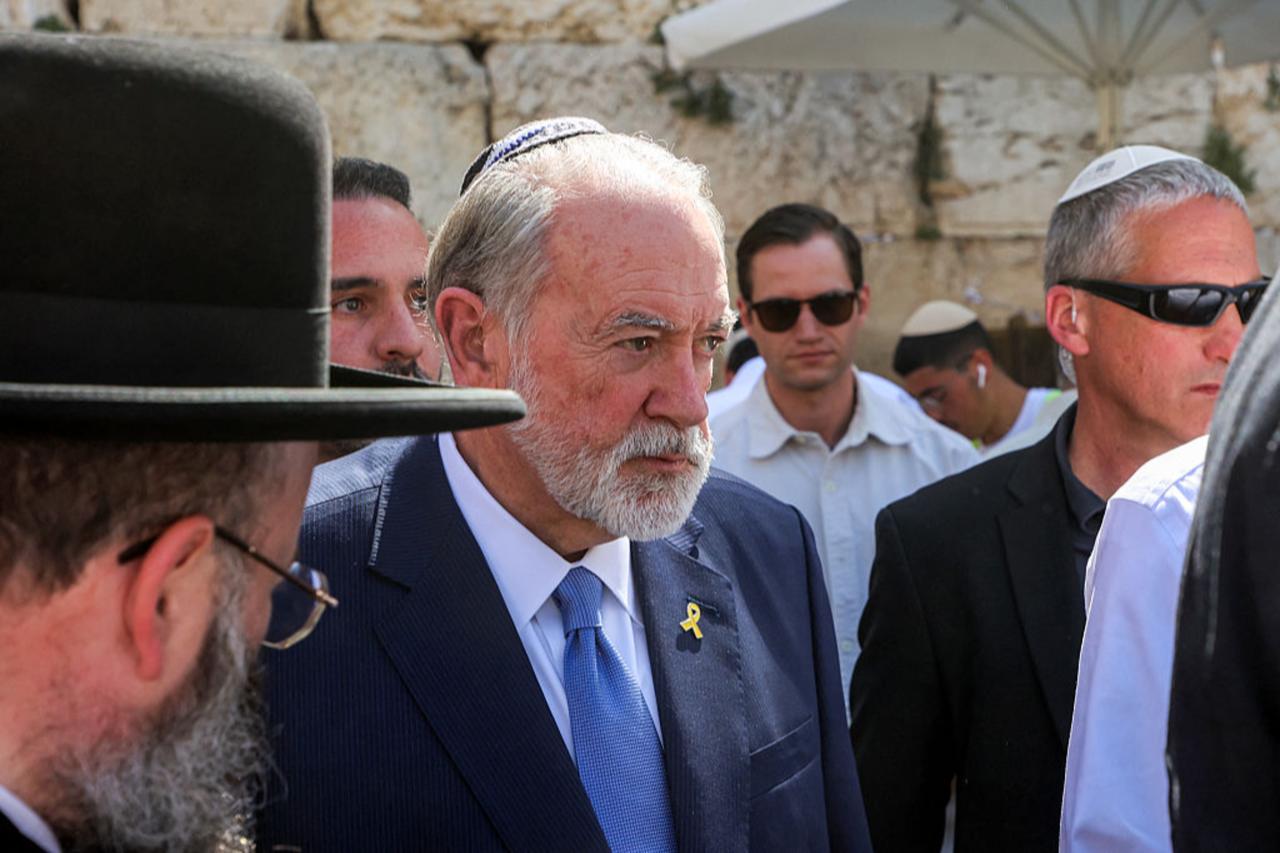
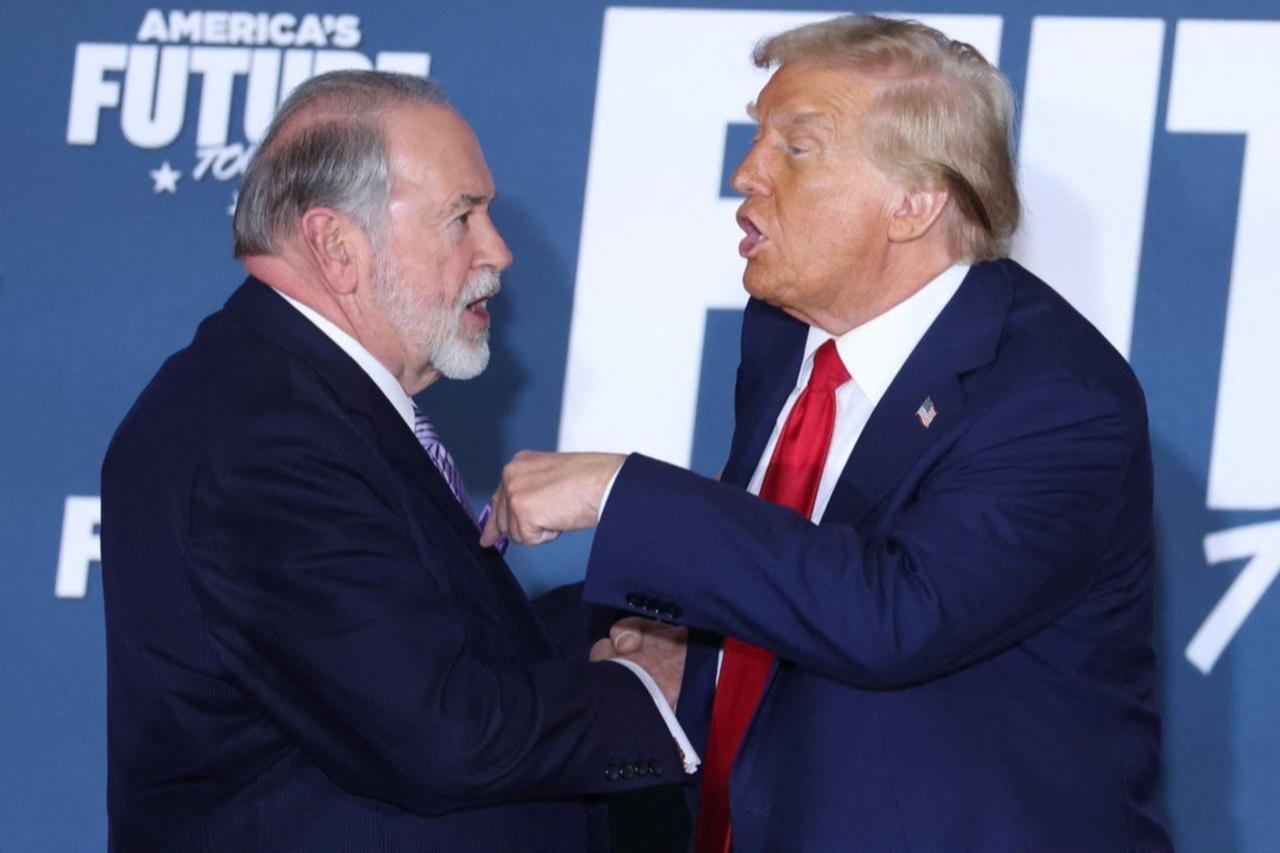
U.S. Ambassador to Israel Mike Huckabee’s recent interview with Tucker Carlson has made waves in both the United States and the Middle East.
To be sure, the debates in these two regions touch on entirely different issues. However, the standout development here is that the ideological rift within the Trump administration has now become fully visible.
Fundamentally, this can be seen as directly tied to the maneuvering over who will emerge as the Republican Party’s presidential nominee heading into the 2028 elections.
In the near term, the GOP’s performance in the midterms will serve as the crucial political stress test for determining which faction will hold the reins going into that presidential race.
When Donald J. Trump won the presidency in 2016, his dominant and charismatic persona allowed him to mold the Republican Party around his core political parameters.
Although the MAGA movement initially represented a fringe, marginal clique within the party, it gained immense traction during the Biden presidency, ultimately transforming into the GOP establishment.
Back in 2016, the primary schism was rooted in the struggle between Trump loyalists and establishment Republicans. That battle eventually turned into a relatively easy purge for the revisionist Trumpers, carrying little in the way of a distinct geopolitical character.
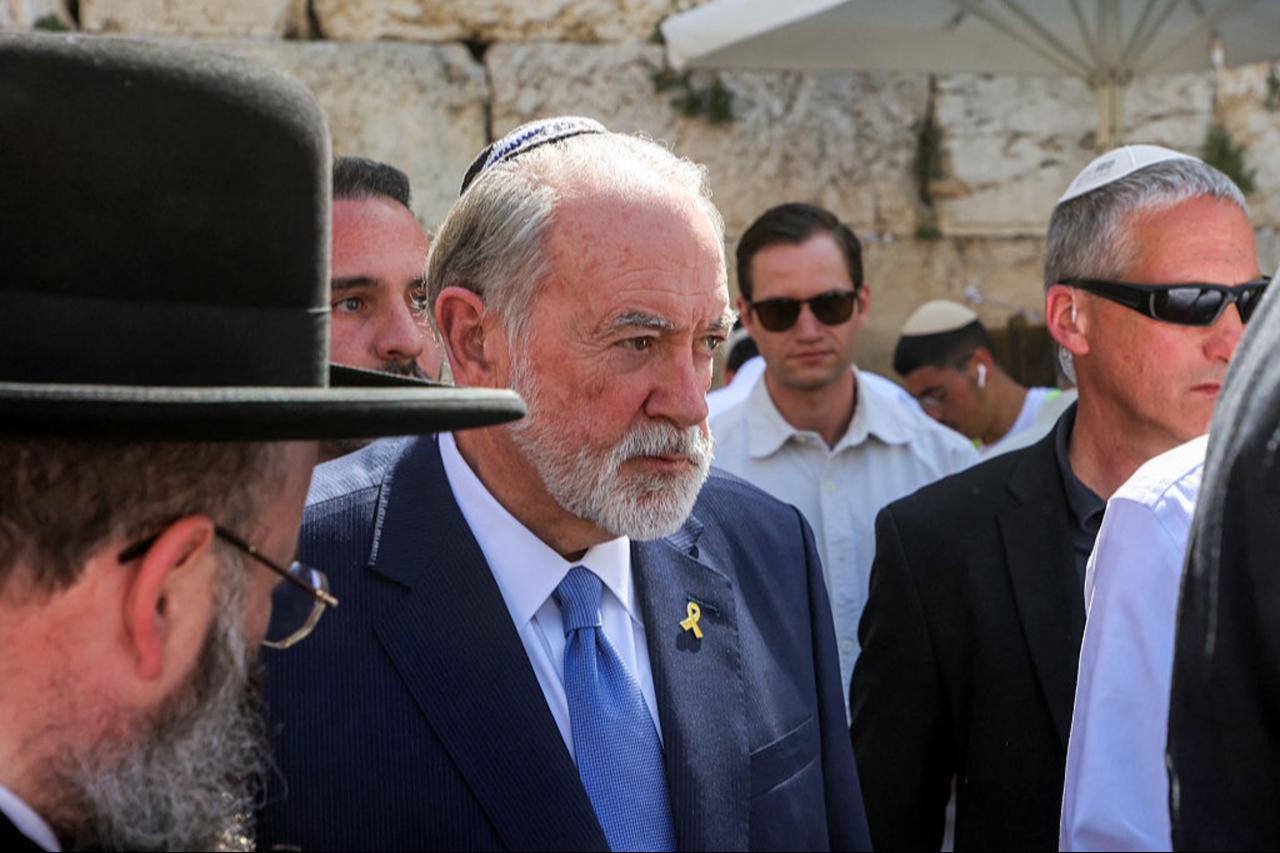

The current divide, however, is just as geopolitical as it is ideological.
Paleoconservatism and the Buchanan school of thought—historically a minority within the party—have gained significant ground during Trump's latest term.
Conversely, Christian Zionists and a segment of Evangelicals—who view Western civilization as fundamentally Judeo-Christian and attribute a divine significance to Israel—remain highly influential within the GOP.
In a sense, this boils down to an existential question: What exactly does “the Right” mean in America today? While these debates are not entirely new, the current political environment contrasts sharply with the past. Carlson, in many ways, echoes Pat Buchanan.
Buchanan, too, was an intellectual and politician who questioned the U.S.-Israel relationship, arguing that the systematic nature of those ties needed an overhaul.
Even though Buchanan’s approach to Israel never quite became mainstream within the party, his blistering critiques of the elites accelerated the very movement that paved the way for Trump’s presidency, providing it with intellectual depth.
Today, that Buchananite mission rests on Carlson's shoulders.
For some time now, Carlson has stood out for his unrelenting criticisms of Israel and his uncompromising attacks on Republicans who champion military operations against Iran.
It remains to be seen how the infighting between these Republican factions will play out on the ground. After all, all politics in the U.S. is fundamentally local, and the high-minded debates of intellectual circles rarely resonate in the daily lives of ordinary Americans.
Yet, this does not mean the ruling elite make their decisions in a vacuum, divorced from their relationships with these intellectuals. While intellectuals play a key role in defining policy frameworks, the increasingly pronounced geopolitical divisions within the party are arguably an even more potent force.
Lingering uncertainties over the U.S. role in global politics allow Trump to oscillate between the isolationist and moderate wings of his coalition.
For instance, Trump’s praise of Marco Rubio’s speech at the Munich Security Conference, his proactive maneuvers regarding the balance of power, and a hybrid interventionism that includes political and military meddling in Latin America can all be read as major, contemporary policy choices that distinctly break from pure isolationism.
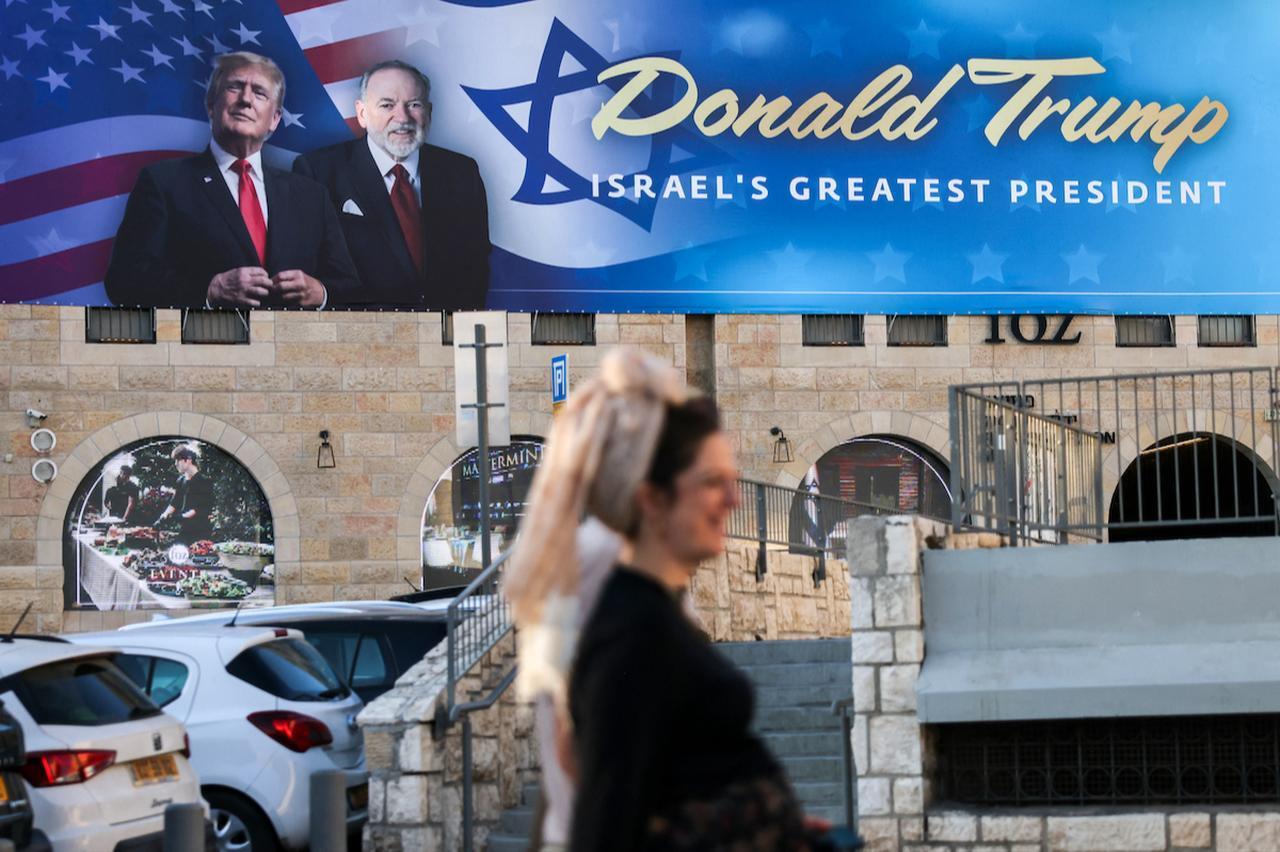
Simultaneously, a distinct generational divide is opening on the American Right. A younger generation of conservatives wants the GOP to focus almost exclusively on America’s domestic identity, economic woes, and social crises.
The party’s historical tendency to get trapped in a vicious cycle of foreign interventionism is increasingly viewed by this demographic as a root cause of the country's economic stagnation.
Let's not forget that Trump's initial victory was heavily fueled by his fierce critiques of the Iraq War.
His current hesitation to rush into military action against Iran, alongside a desire to exhaust diplomacy first, is ultimately driven by this simple but powerful demand from everyday Americans.
Today, a raft of domestic challenges—ranging from Trump’s sagging approval ratings and the Democrats' midterm advantage in the House of Representatives to the Supreme Court's ruling on tariffs—is preoccupying both the administration and the Republican Party at large.
The classic gambit of alleviating domestic political pressure through grand foreign policy triumphs may still hold appeal, but it is fraught with risk.
The Iranian theater is riddled with unknowns and is unlikely to yield the same straightforward outcomes as interventions in Latin America.
Meanwhile, the ascent of Gavin Newsom within the Democratic Party and Democrat Taylor Rehmet’s victory in Texas Senate District 9 signal a potential loss of GOP momentum heading into the November 2026 midterms and looking ahead to the 2028 presidential race.
Furthermore, Trump’s declining approval numbers suggest that marshaling the conservative base will become an increasingly uphill battle.
Amid these domestic skirmishes, Israel has become a deeply fraught issue—one that the broader voting bases of both the Republican and Democratic parties would increasingly prefer to keep at arm's length.
Growing skepticism toward Israel, even among younger generations of Republicans, is pushing Trump to steer clear of the fray, elevating diplomatic avenues over hardline commitments.
The conspicuous lack of concrete support or vocal opposition within the GOP regarding Ambassador Huckabee’s recent performance underscores a broader, party-wide reluctance to take a definitive stand.
Yet, the critical question moving forward is this: Will the simmering ideological debate between Christian Zionists and Christian Nationalists eventually erupt into an all-out turf war in local politics?


 Set as preferred source
 Set as preferred source


 1 min read
 1 min read