

 Newsletters


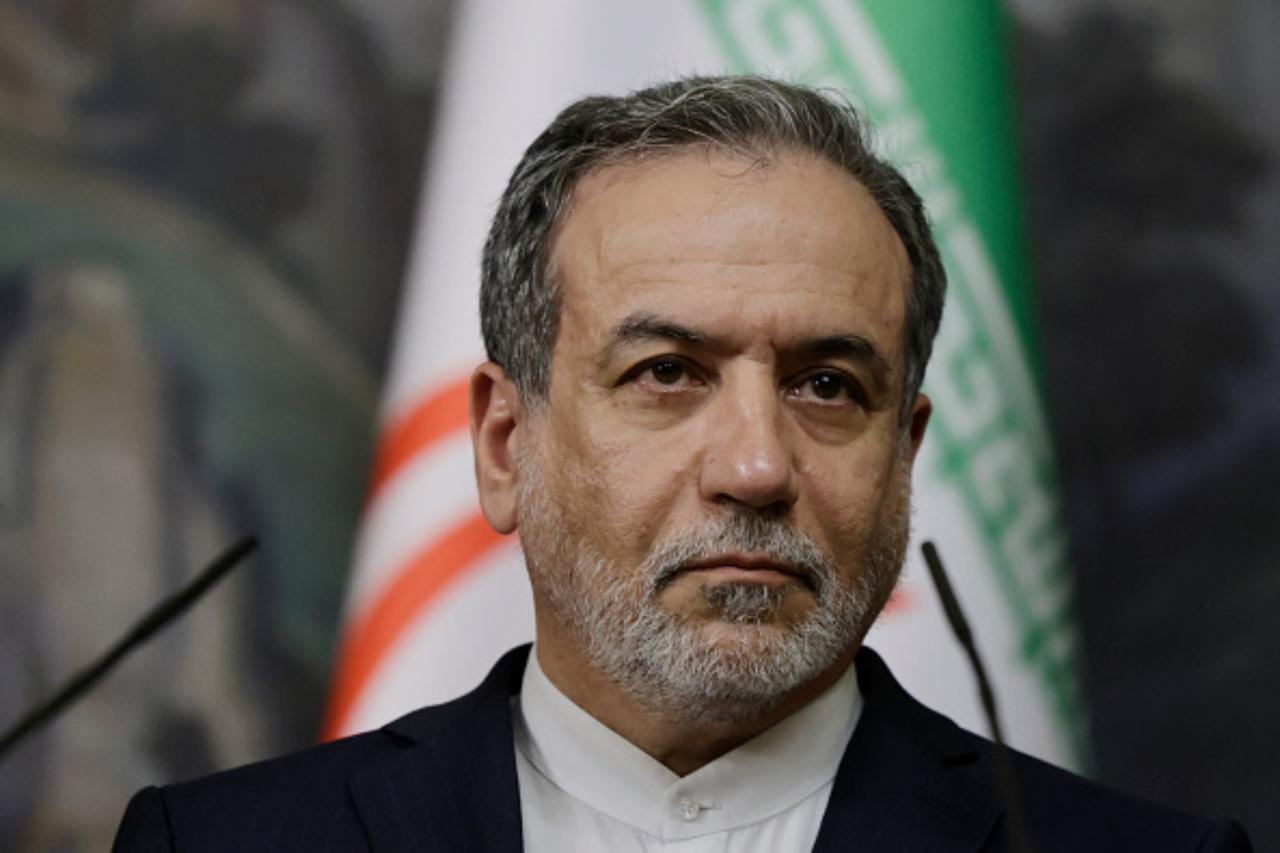


Iran's Foreign Minister Abbas Araghchi denied that any negotiations are taking place with the United States, saying Tehran has not responded to a reported 15-point American proposal to end the war.
He also declared that Iran's trust in Washington stands at "zero," while warning that Tehran is prepared to fight for "at least six months."
"We receive messages from the American side, some direct and some through our friends in the region, and whenever necessary we respond to these messages," Araghchi said in an exclusive interview with Al Jazeera aired on Wednesday.
"So far, no negotiations have taken place, and the claims being made in this regard are not true," he added.
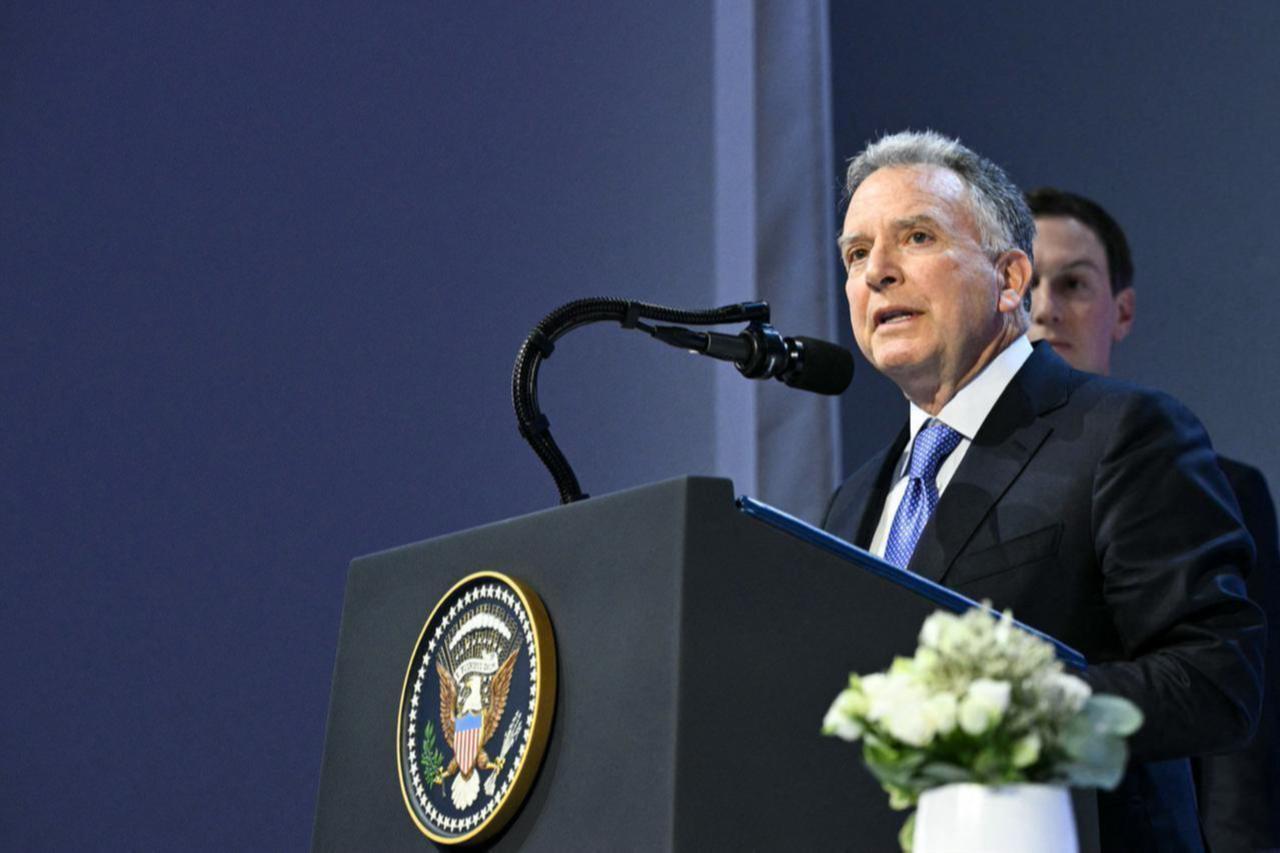
Araghchi said U.S. special envoy Steve Witkoff had been sending messages directly, as he had before, but insisted this did not constitute negotiations.
"This is by no means negotiation, but rather a kind of message exchange that can take place in times of peace or war, and it is currently ongoing," he noted.
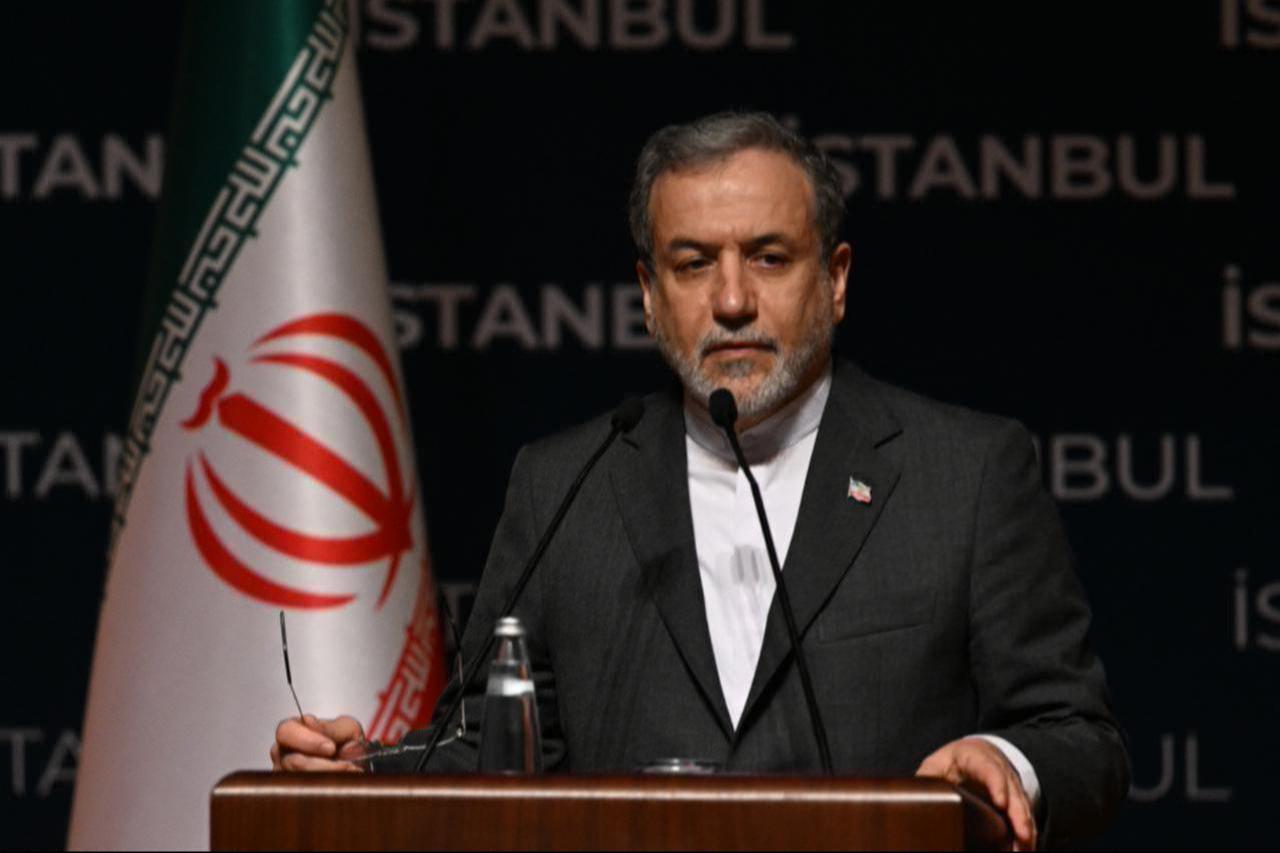

The foreign minister flatly denied Tehran had responded to a 15-point plan that two senior Pakistani officials said last week Islamabad had conveyed to Iran containing U.S. proposals.
"We have not given any response to this 15-point American plan. No response has been provided," Araghchi said.
He also rejected reports that Iran had offered a five-point counterproposal. "No conditions have been presented from our side to the other party. Those five items or five points were speculation by one of the media outlets," he said.
"No response has been given from our side to the American plan so far," Araghchi noted.
Araghchi stated that no decision had been taken by Tehran on engaging in talks, saying, "We have many considerations. Our conditions for ending the war are completely clear."
"We do not accept a ceasefire; we seek a complete end to the war, not only in Iran but in the entire region," he said, including Lebanon, Iraq and Yemen. He also demanded guarantees against a resumption of hostilities and reparations for damages to the Iranian people.
Araghchi said Iran's experience negotiating with the United States had destroyed all confidence. "We negotiated once and an agreement was reached, but America left it without reason," he said, referring to the nuclear deal.
"Last year and this year, we also negotiated twice, and the result was an attack," he noted.
"Therefore, there is no trust that we can reach a result through negotiations, and this trust is at zero," the foreign minister said, adding that, "For trust to be built, major steps must be taken."
He said guarantees from one or two countries would not be sufficient and that even the U.N. Security Council's assurances had proven inadequate. "Ideas from regional allies on how to guarantee a permanent end to the war were being reviewed," he said.
Araghchi rejected American-imposed deadlines, saying they had already been extended twice. "The American president should fundamentally change his approach. You cannot speak to the Iranian people with the language of threats and deadlines," he said.
"The Iranian people are great, independent, and possess a rich civilization and culture. They must be spoken to with respect; otherwise, they will respond on the battlefield," the foreign minister added.
Asked whether Iran was prepared for six months of war, Araghchi replied: "At least six months!"
He dismissed U.S. claims of having destroyed Iran's missile systems. "Then where are these missiles and drones being fired at them coming from?" he said.
"Two days ago, a cheap Iranian drone destroyed an AWACS. Where do these come from?," he added.
"Our strikes continue steadily. They could not cut off our strikes and they could not open the Strait of Hormuz. They asked other countries for help and still could not open it. Now they are begging for negotiations," Araghchi said.
On the Strait of Hormuz, Araghchi said it "lies in the internal waters of Iran and Oman, not international waters." He said the strait was currently open but closed to ships from countries at war with Iran. Some nations had entered discussions with Tehran and arrangements had been made for friendly nations to pass safely, he said.
"The Strait of Hormuz can be a waterway of peace for the safe and calm passage of all countries, but ensuring the security of ships and their transit and environmental issues requires a joint mechanism between the coastal countries, namely Iran and Oman," he said.
Araghchi warned against any potential ground offensive following the arrival of the USS Tripoli, an amphibious assault ship carrying around 3,500 Marines and sailors. "We are waiting for them," he said.
"I don't think they have the courage for such a thing. They will incur heavy losses," Araghchi noted.
He said Iran was "even more expert and better equipped in ground warfare" and had "sufficient experience" to confront any land threat.
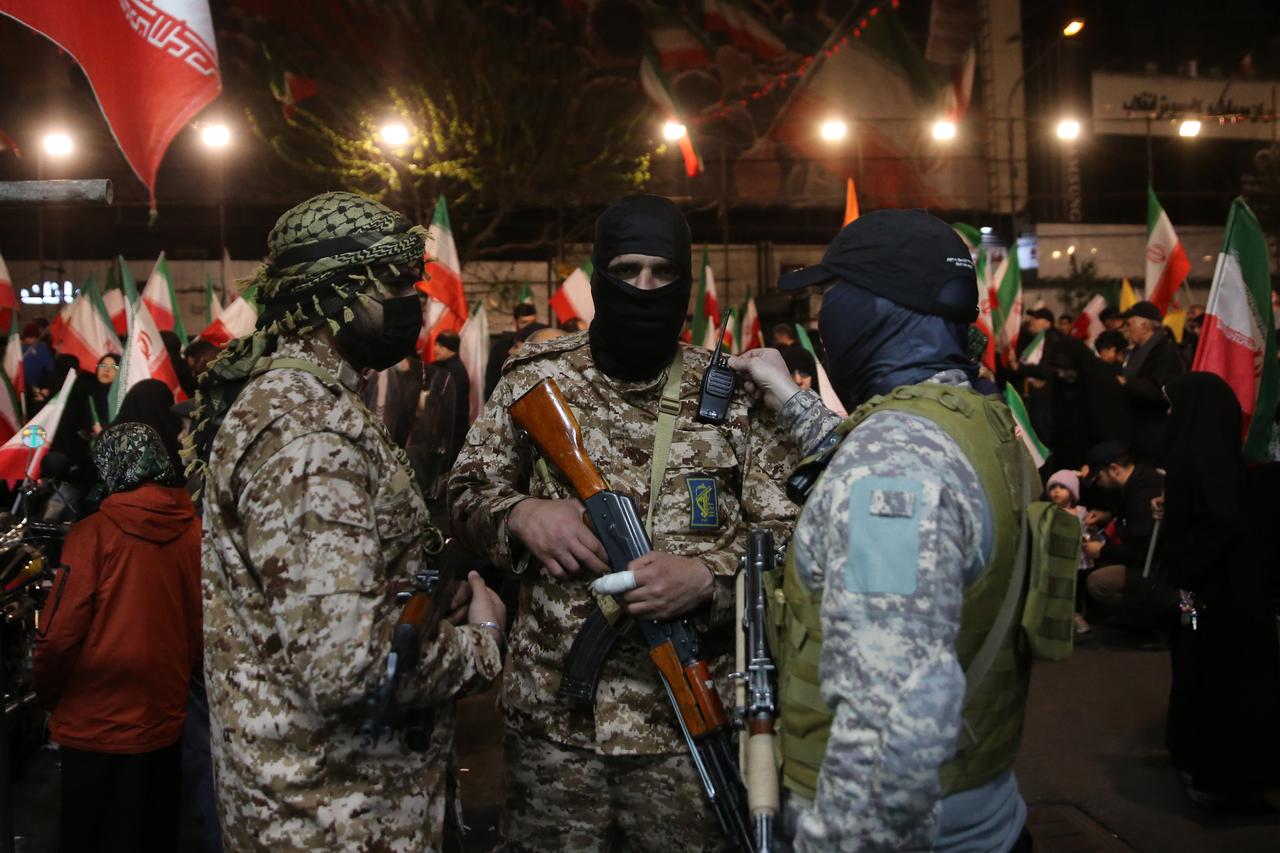
Araghchi denied U.S. suggestions of internal divisions within Iran's political system. "All messages being exchanged are conducted officially through the Ministry of Foreign Affairs or with the Ministry's knowledge," he said.
"Everything operated under 'a unified management' overseen by Iran's Supreme National Security Council," he added.
On Iranian strikes hitting Gulf countries, Araghchi said Tehran was targeting American forces and assets, not friendly nations. "Perhaps sometimes collateral damage occurs, but our target is American targets," he said, noting, "No one can deny that America uses the territory and airspace of these countries to attack Iran."
He said Gulf states should direct their complaints at Washington.
"Our friends in the Persian Gulf region should be aggrieved with America. Why have they never condemned America's aggression?" Araghchi said, adding that Iran sought "respectful and friendly relations" with regional neighbors and that Gulf security "should be ensured by the countries of the region."
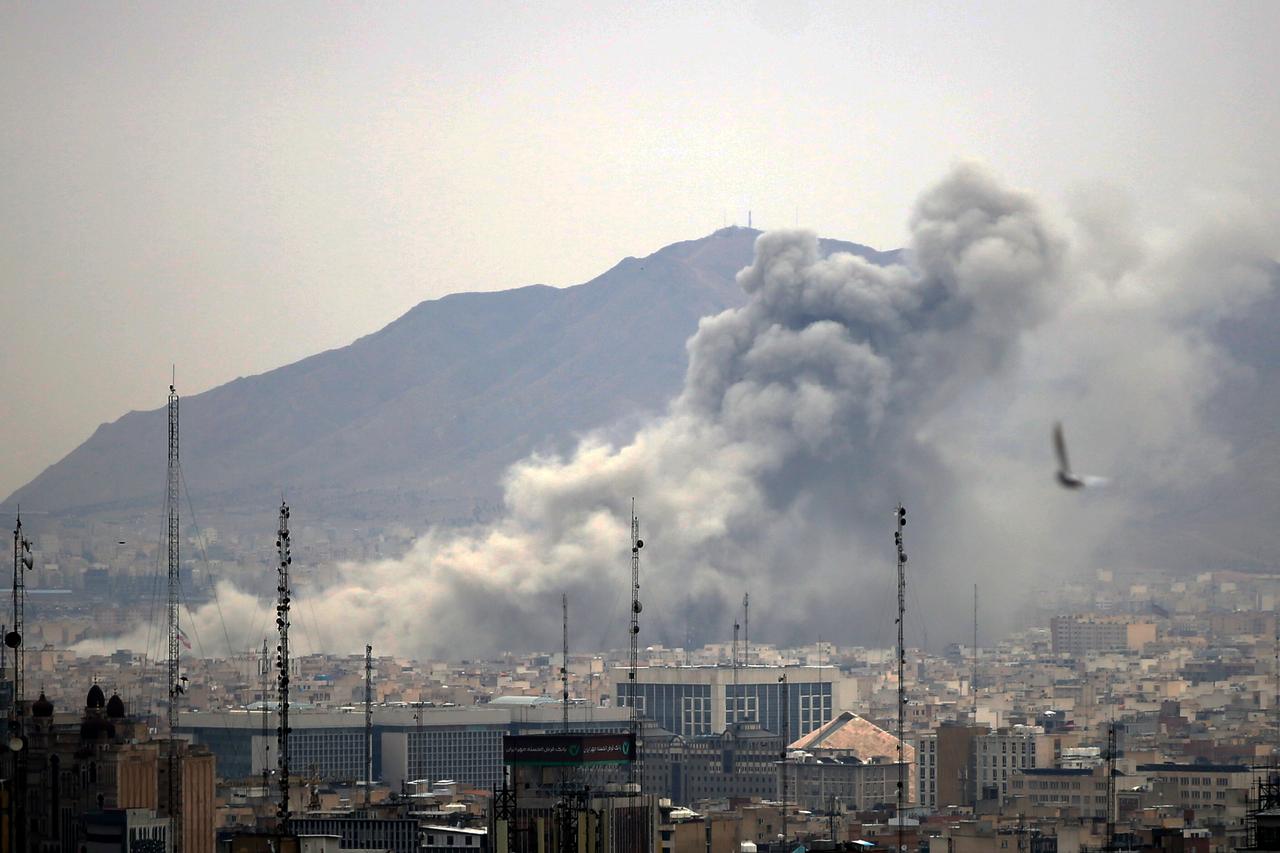
The war broke out Feb. 28 when the U.S. and Israel launched strikes that killed Iran's supreme leader. The conflict erupted in the middle of negotiations between Tehran and Washington over Iran's nuclear program.
Diplomatic efforts involving Türkiye, Egypt and Pakistan have recently been launched to try to end the war.


 Set as preferred source
 Set as preferred source


 1 min read

 1 min read


