Newsletters


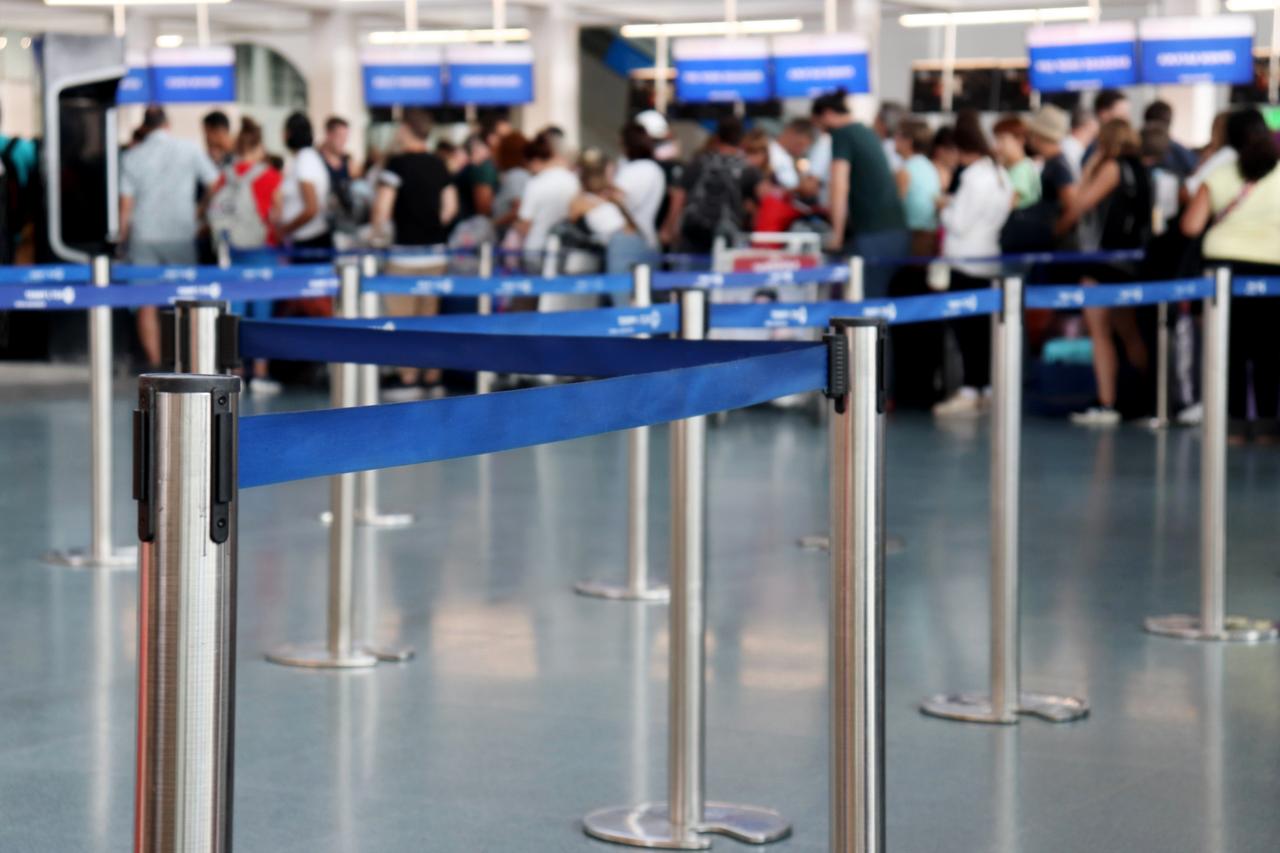


Non-European travelers arriving at Brussels Airport, located in the Belgian capital, faced waiting times of up to three hours at border control during peak morning hours on Thursday, as the rollout of the European Union's new Entry/Exit System (EES) coincided with a seasonal surge in returning holidaymakers.
Airport spokesperson Jeffrey Franssens confirmed the delays to Dutch-language public broadcaster VRT, saying non-European passengers faced three-hour queues on arrival.
European citizens using automated passport-control gates experienced shorter wait times, generally between 30 and 60 minutes, according to Franssens.
The delays stem largely from the implementation of the EES, a digital border-management system that electronically registers non-European nationals entering and leaving the Schengen Area, the passport-free travel zone covering most EU countries. The system replaces physical passport stamps with biometric checks, including fingerprints and facial scans.
"The registration requires more steps and time per passenger. As a result, waiting times build up rapidly during busy periods," Franssens told VRT.
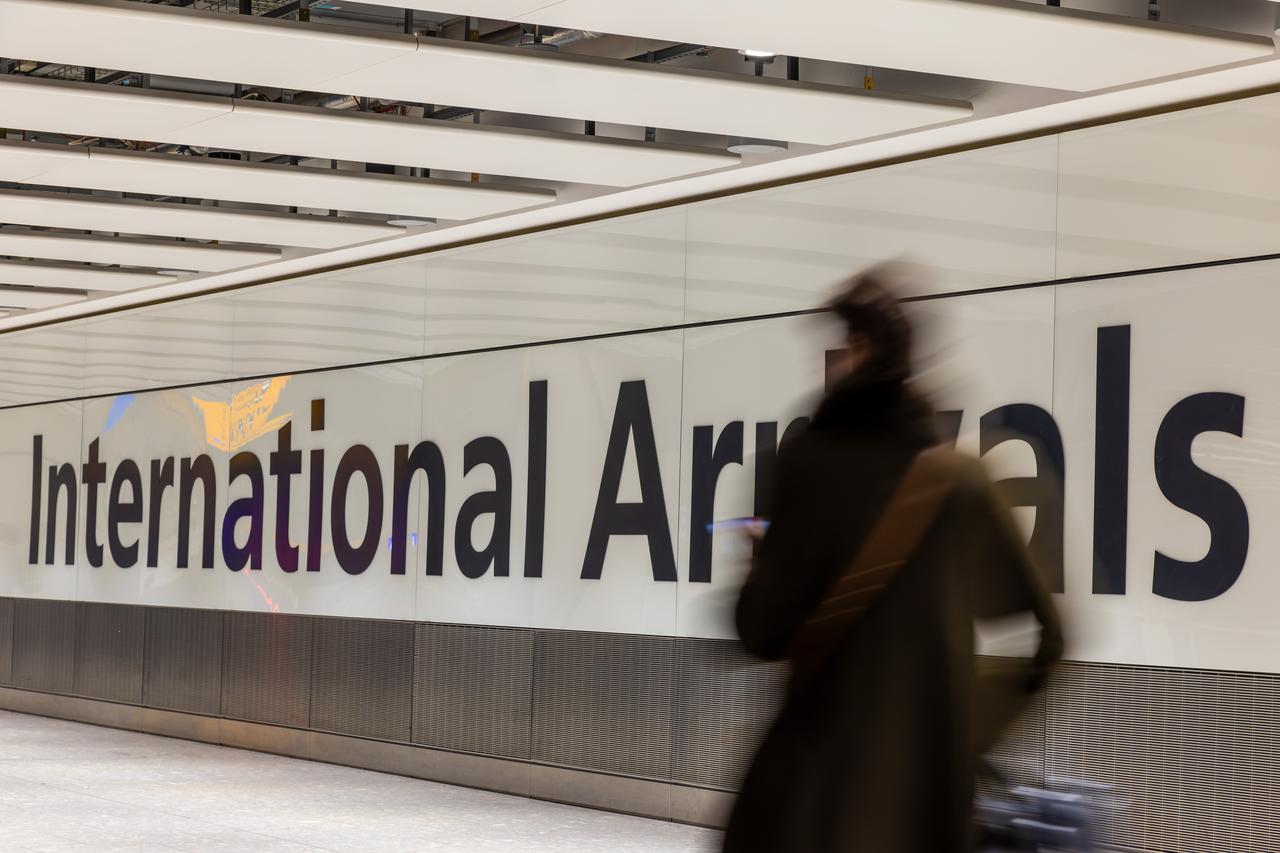

The Belgian government deployed additional Aviation Police personnel ahead of the summer season to staff all available control booths at the airport. However, airport officials said the extra workforce has proven insufficient during high-volume periods.
The EES rollout is part of a broader EU effort to modernize external border management across the Schengen Area.
Non-European travelers, including visitors from the United States, the United Kingdom and other non-EU countries, are among those subject to the new biometric registration requirements.


 Set as preferred source
 Set as preferred source



 3 min read