Newsletters


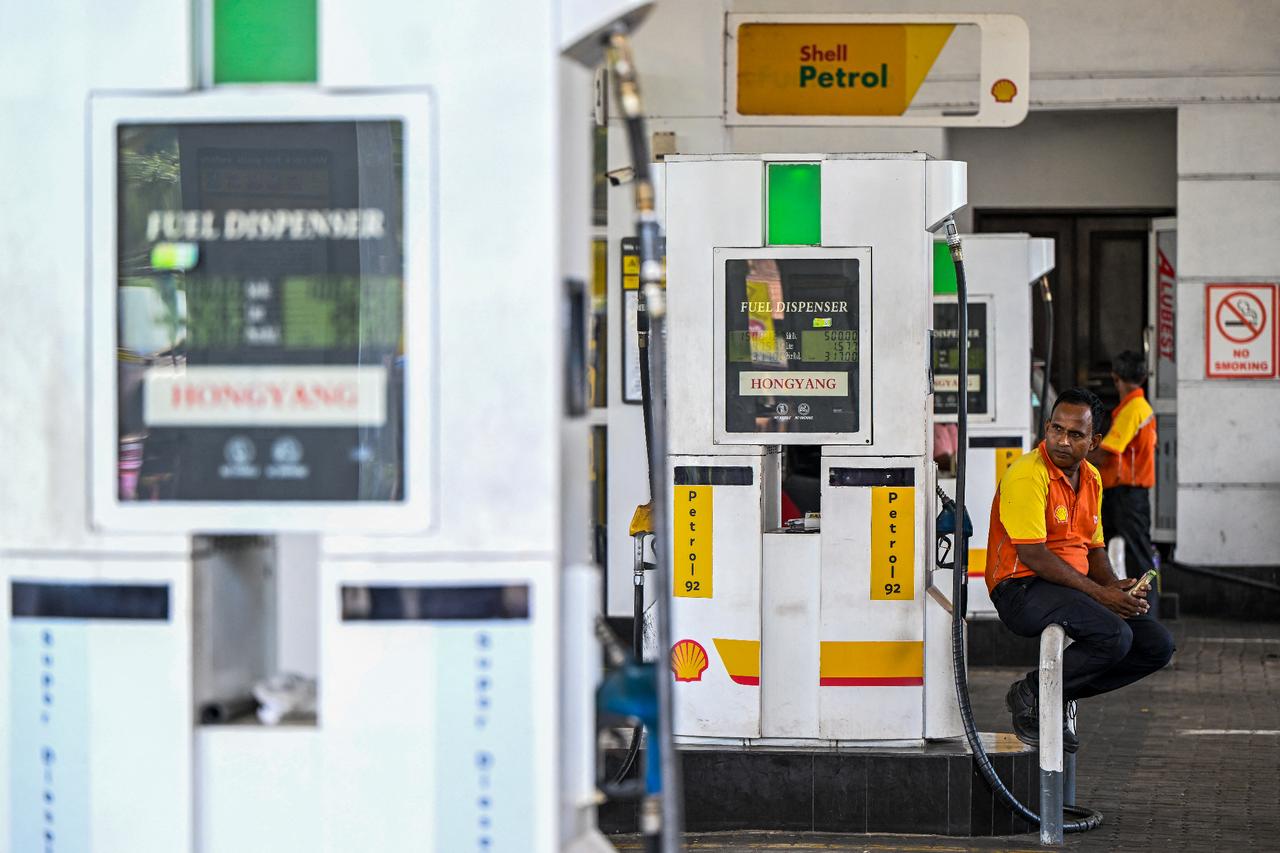


Oil prices hovered around $100 a barrel Monday and global stocks fluctuated as the war with Iran entered a third week, with both sides showing little sign of backing down while diplomats sought ways to ensure safe passage for tankers through the crucial Strait of Hormuz.
Crude prices surged at the start of trading after U.S. President Donald Trump said over the weekend that American forces had struck military targets on Kharg Island, a small Gulf island that handles most of Iran’s oil exports.
Trump also warned that attacks could expand to energy infrastructure if Iran interferes with shipping through the Strait of Hormuz, which has been effectively closed since U.S.-Israeli operations began Feb. 28.
Iran’s Fars news agency later reported that no oil infrastructure was damaged in the strikes.
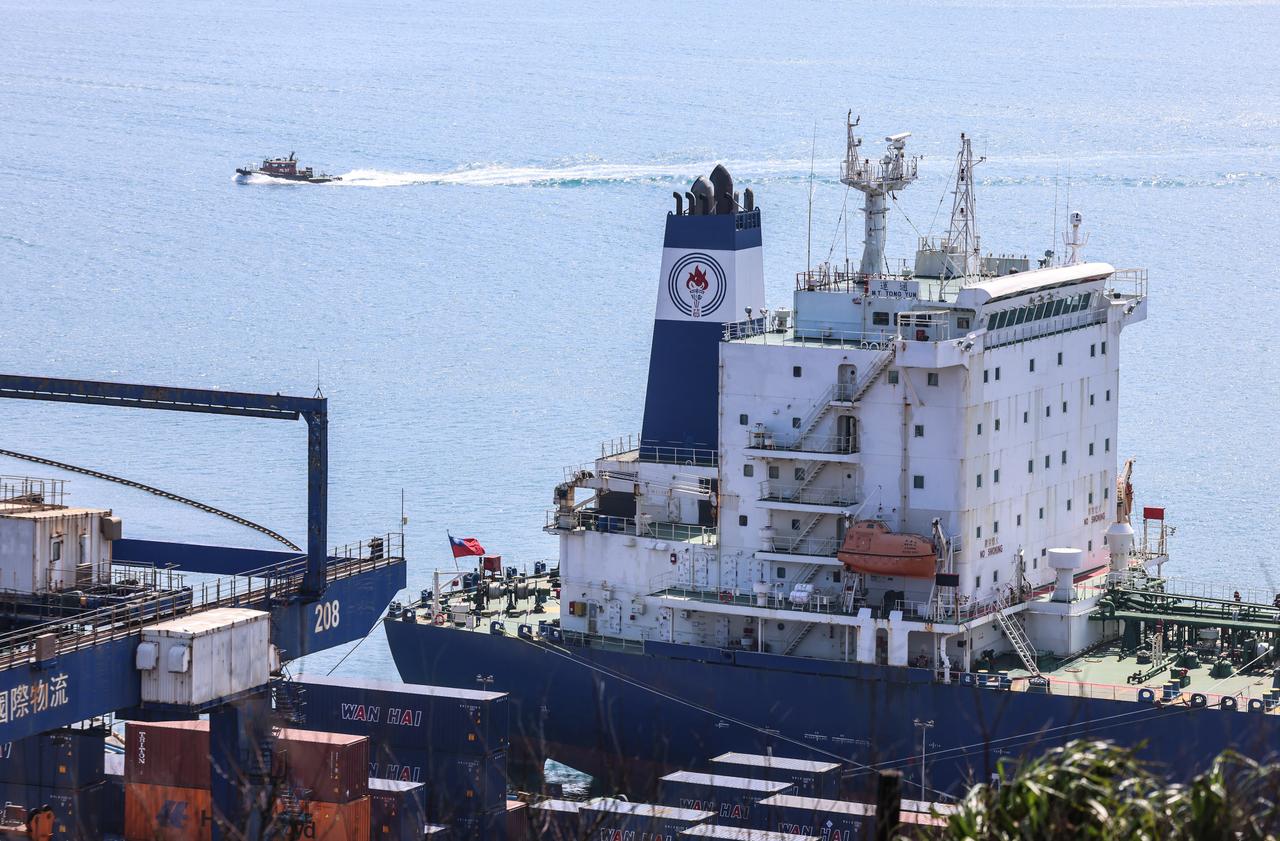
Trump urged other countries to send warships to help keep the waterway open, though he provided no specific commitments from Washington and said he hoped China, France, Japan, South Korea and the United Kingdom would participate.
He wrote Saturday on the Truth Social platform: “The Countries of the World that receive Oil through the Hormuz Strait must take care of that passage, and we will help — A LOT! This should have always been a team effort, and now it will be.”

Japan said Monday it was “not at the moment considering issuing a maritime security operation,” while Australia announced it would not deploy naval vessels to the region.
Trump said Tehran wanted a deal to end the fighting but added that he was unwilling to negotiate under current conditions.
Iran’s Foreign Minister Abbas Araghchi said Tehran had no interest in talks with Washington.
“We don't see any reason why we should talk with Americans, because we were talking with them when they decided to attack us,” he told CBS’s “Face the Nation” in an interview broadcast Sunday.
“There is no good experience talking with Americans,” he added, saying Iran had not requested a ceasefire or negotiations.
However, Araghchi said Iran remained open to discussions with countries seeking safe passage for their vessels through the Strait of Hormuz.
“I cannot mention any country in particular, but we have been approached by a number of countries” on the issue, he said.
Investors hoping for an early end to the conflict were disappointed after Trump’s top economic adviser Kevin Hassett said the Pentagon estimates the operation could last up to six weeks, although it was progressing ahead of schedule.
Both main crude benchmarks moved higher. Brent crude briefly jumped about 3% to $106.50 before trimming gains, while U.S. benchmark West Texas Intermediate traded around $99 a barrel.
Concerns over a potential energy crisis weighed on global equities.
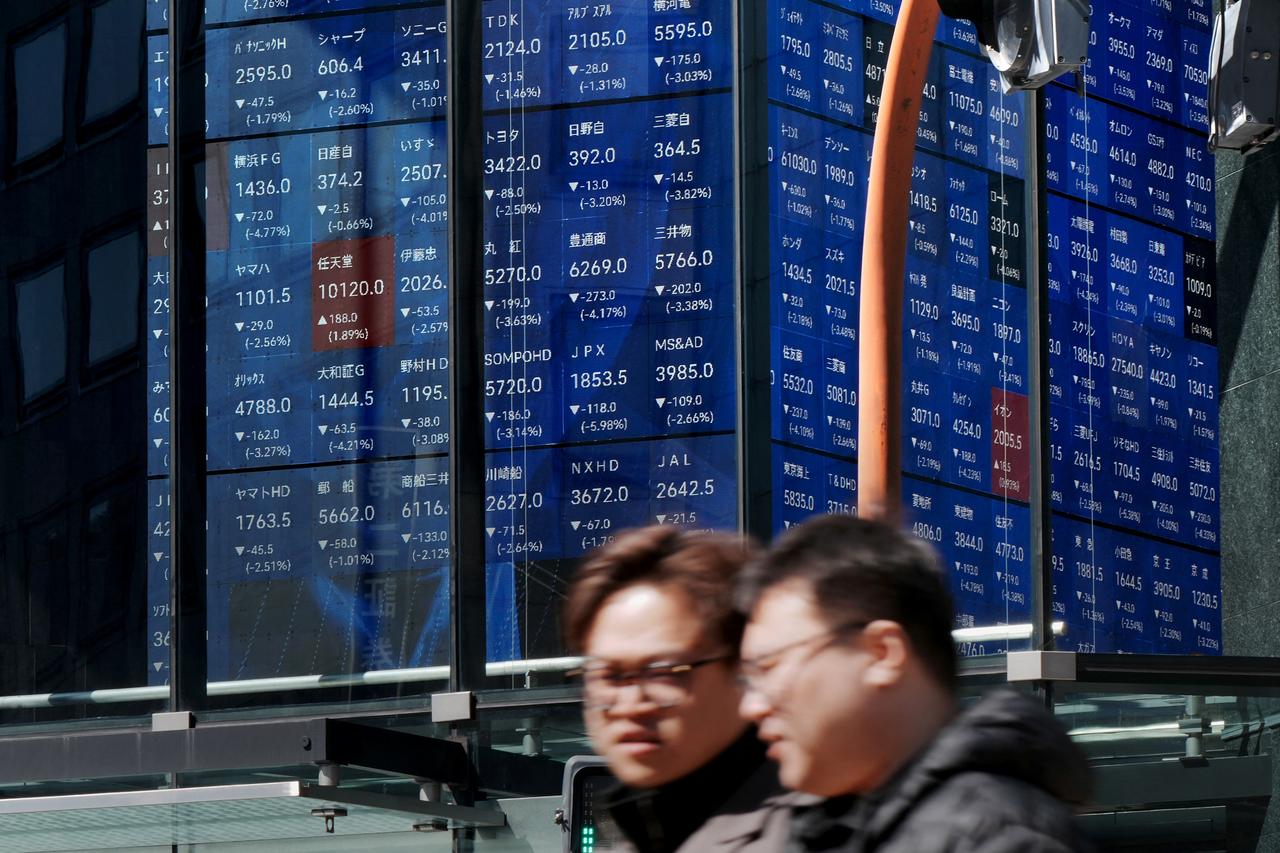
Stock markets in Tokyo, Shanghai, Sydney, Seoul, Wellington, Manila and Jakarta fell, while Hong Kong, Singapore and Taipei posted modest gains.
“Equities may welcome any sign that Hormuz could be reopened, but with further strikes still being threatened and diplomacy still patchy, conviction is low,” said Charu Chanana of Saxo Markets.
Economic worries were also fueled by U.S. data showing fourth-quarter gross domestic product grew 0.7%, slower than the initial estimate of 1.4%.
Separate data showed the Federal Reserve’s preferred inflation gauge eased to 2.8% in January before energy prices surged again.
“Developments over the weekend, while no more disconcerting than at the end of last week, don't offer any obvious pretext for a less pessimistic start to the new trading week,” said National Australia Bank analyst Ray Attrill.
Investors are also watching policy meetings this week at seven major central banks, including the U.S. Federal Reserve, the Bank of England and the European Central Bank. While rates are expected to remain unchanged, any comments about the war’s economic impact will be closely monitored.
Trump said Sunday that Washington was in talks with seven countries about securing the Strait of Hormuz.
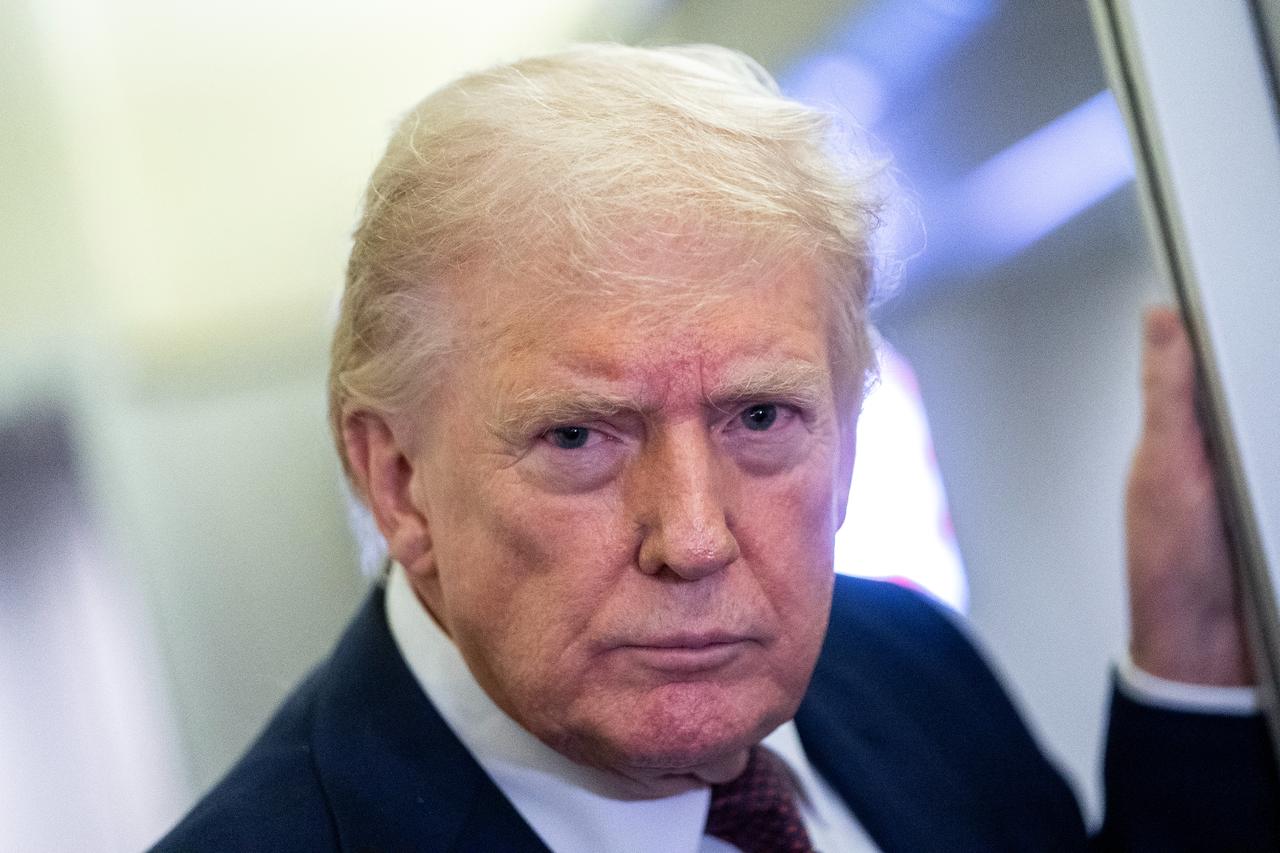
Speaking to reporters aboard Air Force One about Operation Epic Fury, he said the United States had discussed possible cooperation with other countries on policing the strait.
He noted that China, which he said receives up to 90% of its maritime crude oil shipments through the waterway, had been invited to participate.
“They get most of their oil, they get a lot, about 90% from the strait. So I said ‘Would you like to come in?’ And we'll find out. Maybe they will, maybe they won't,” he said.
Trump also dismissed a video circulating on social media that appeared to show hundreds of thousands of people cheering Iran’s newly appointed Supreme Leader Mojtaba Khamenei.
“Totally AI-generated. It never took place. The media knew it didn't take place, but they built it up like they have great support. They don't have support,” he said.
He added that oil prices would fall once the war ends, saying the conflict would end “pretty quickly.”
Separately, Trump said the United States could soon reach an agreement with Cuba or take other action.
“Cuba is a failed nation,” he said. “Cuba also wants to make a deal, and I think we will pretty soon either make a deal or do whatever we have to do.”
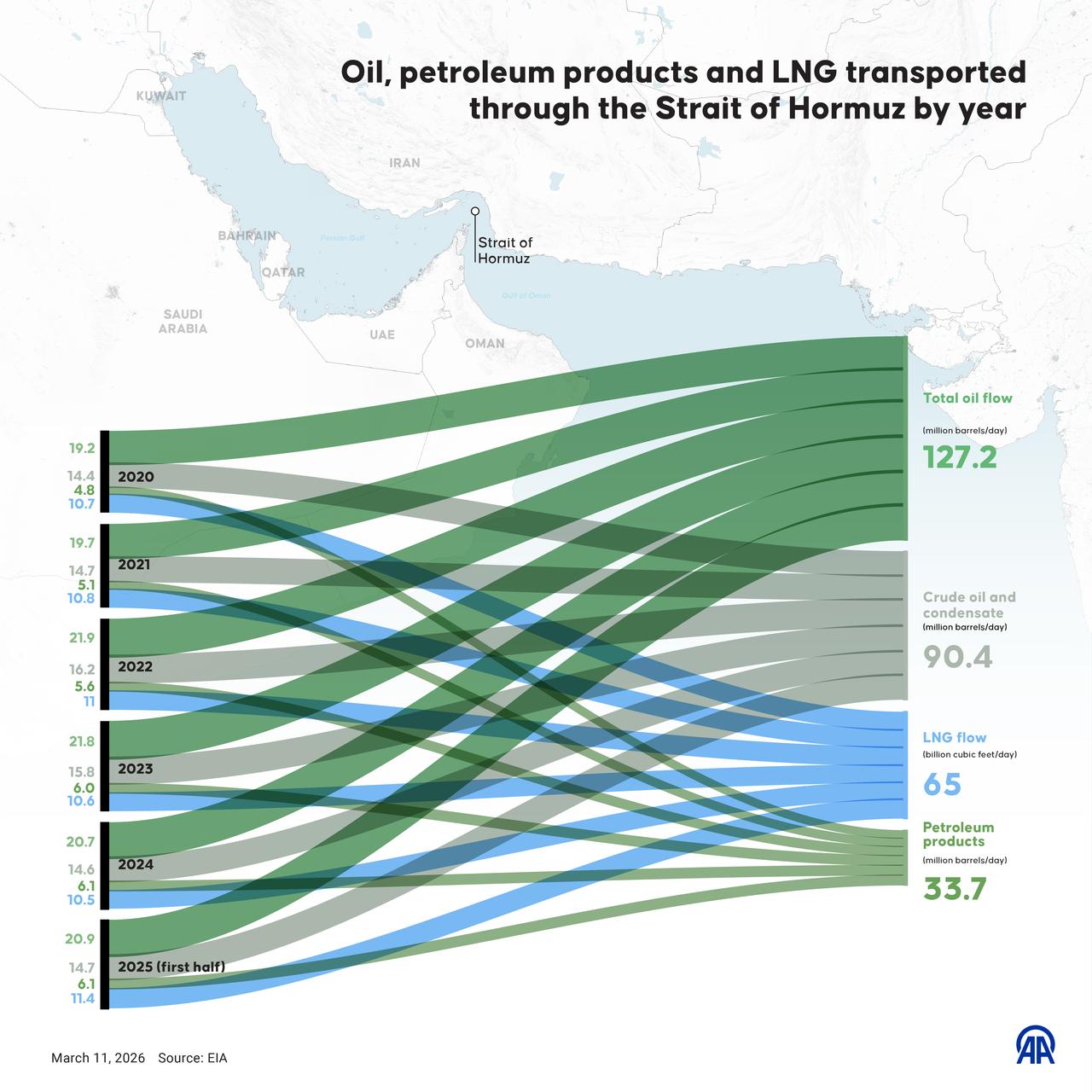
The Strait of Hormuz, a critical maritime chokepoint between Iran to the north and Oman’s Musandam Peninsula to the south, is one of the world’s most important shipping routes for oil and gas.
Iran has effectively closed the strait since early March following joint attacks launched by Israel and the United States against Iran on Feb. 28.
The strikes have killed around 1,300 people, including then-Supreme Leader Ali Khamenei, according to Iranian authorities.
Disruptions to shipping through the strait have pushed up global oil and fertilizer prices, raising concerns about energy supplies and food costs.
Trump said Saturday that countries receiving oil through the strategic waterway should take responsibility for securing the passage, adding that U.S. Navy escorts for tankers transiting the strait could begin “soon.”


 Set as preferred source
 Set as preferred source


 1 min read

 1 min read