Newsletters


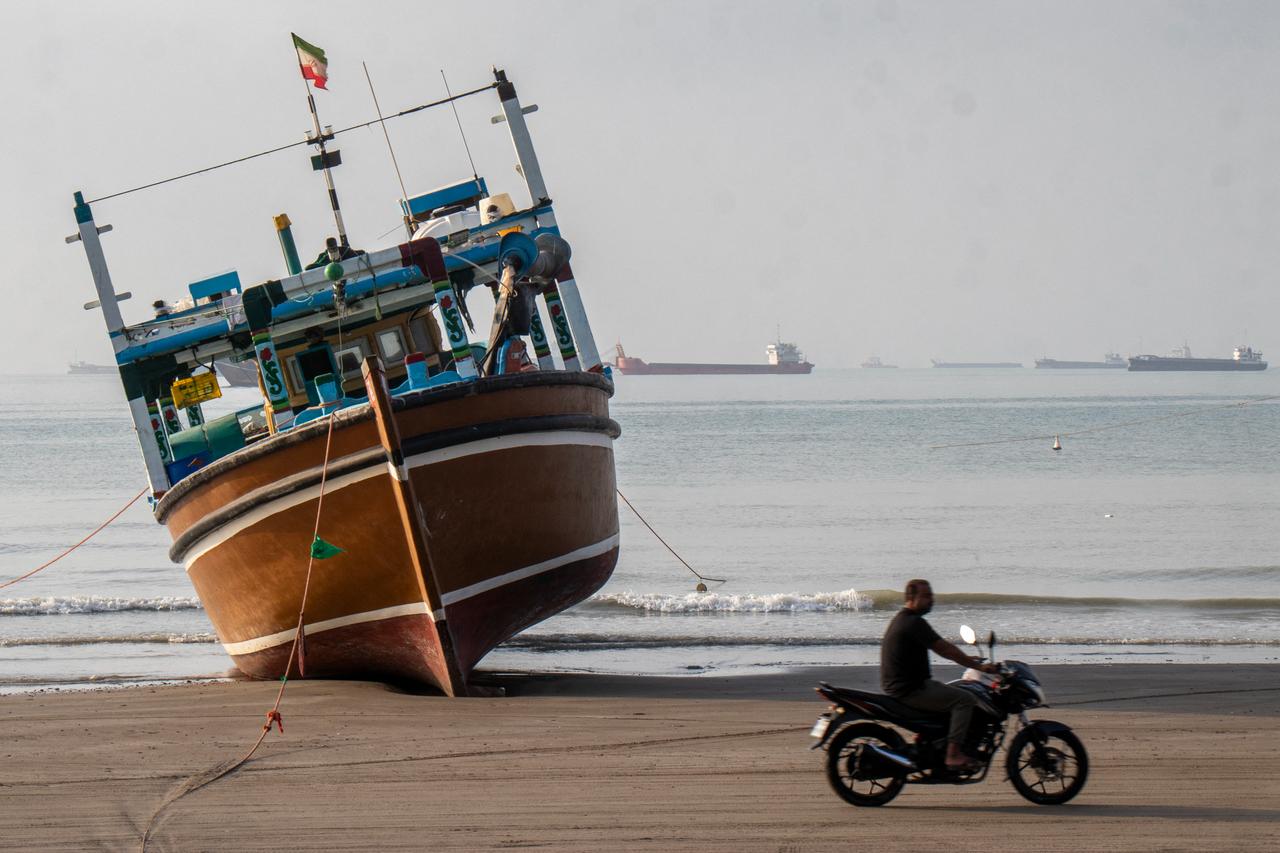


Foreign Minister Hakan Fidan said Türkiye could take part in mine clearance operations in the Strait of Hormuz following a potential peace agreement between the United States and Iran.
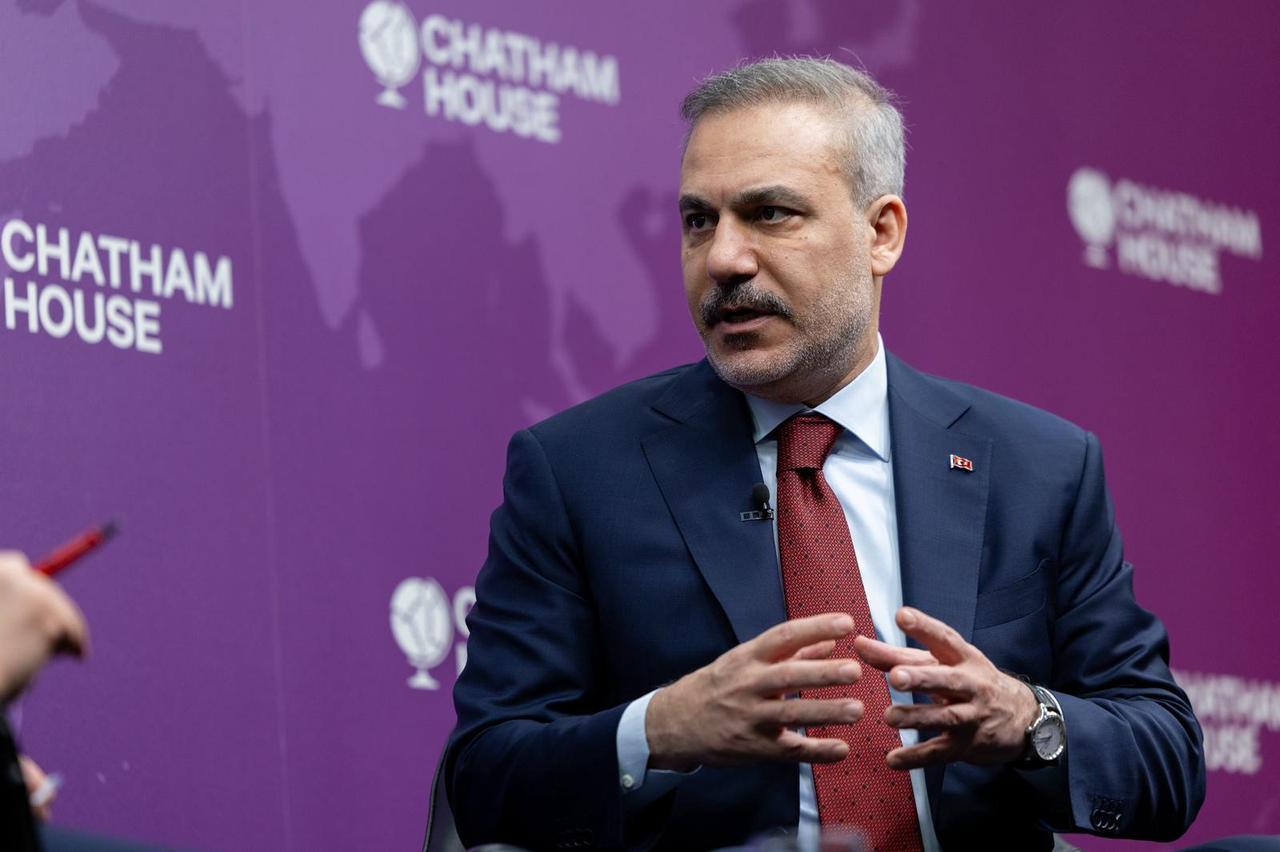
Speaking to journalists after a program at Oxford University during an official visit to the United Kingdom, Fidan said any de-mining effort would be carried out by a multinational technical team.
“Iran and the Americans have reached an agreement among themselves, and peace has been established. A coalition will go there to carry out technical work and clear mines. There is no problem with that. Our Ministry of National Defense has been instructed by our President,” he said.

Fidan described two possible scenarios for the strategic waterway.
The first, he said, involves a negotiated return to the status quo, ensuring free maritime passage without restrictions or additional costs.
“The second scenario is that if negotiations fail to produce results, the war continues, or other problems arise, the issue becomes how to address the problematic areas in the Strait of Hormuz,” he said.
“The concept of identifying problematic areas in the Strait of Hormuz is a different concept. Some aspects align with our foreign policy and aspects that do not. Our president is clear on this matter,” he added.
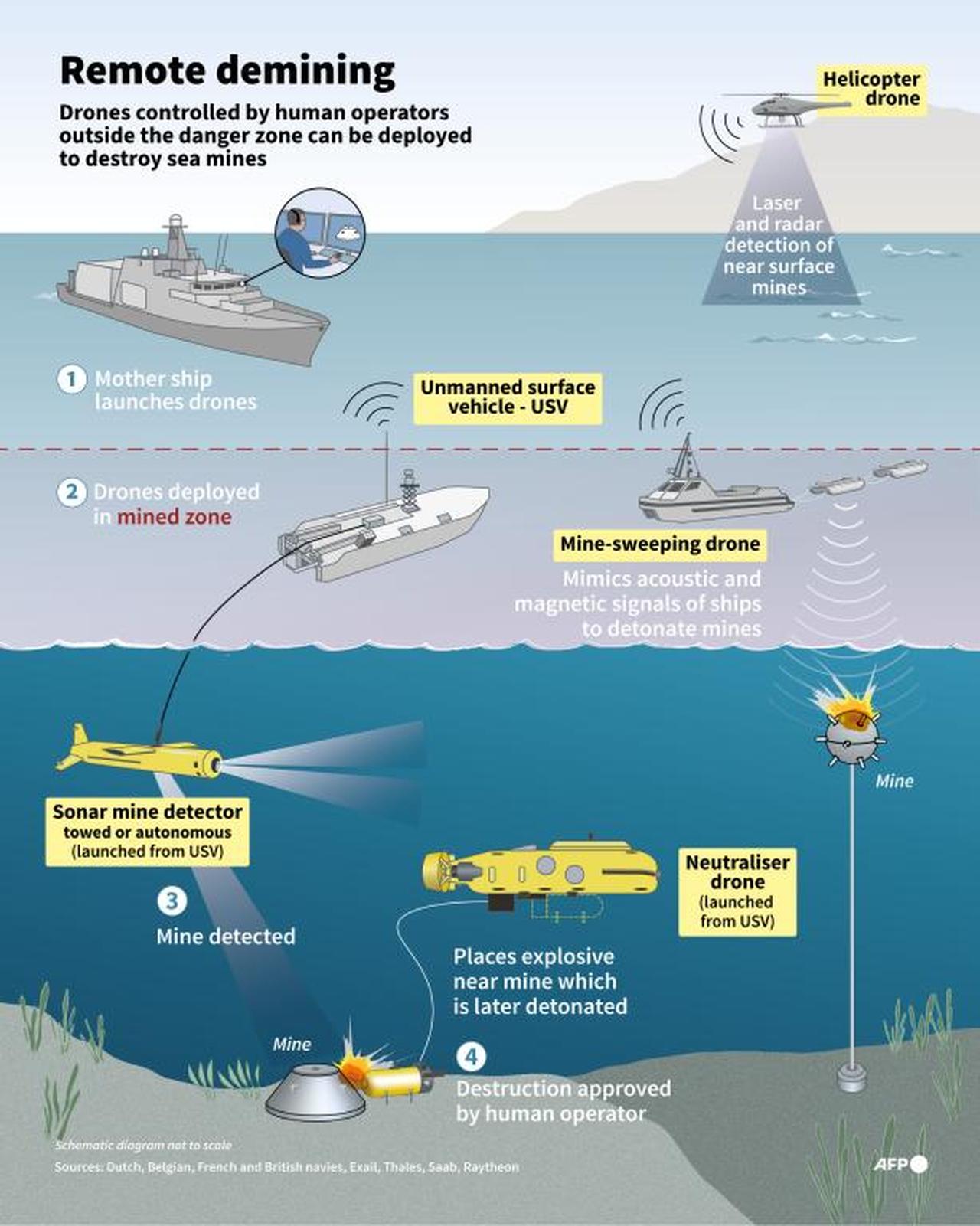
Fidan emphasized that Türkiye would not oppose technical or humanitarian operations such as mine clearance in a post-conflict environment.
“If Iran and the Americans reach an agreement and peace is achieved, a coalition could carry out technical work there, including mine clearance,” he said.
However, he warned that Ankara would adopt a different stance if such operations were perceived as taking sides in a renewed conflict.
“Our sensitivities are clear,” he said. “If there is a situation where we are seen as part of a conflict again, our position would be different.”
Fidan added that all parties understand Türkiye’s position, reiterating that mine clearance is an immediate priority and a humanitarian task that benefits all sides.
U.S.-Iran talks began after Pakistan brokered a two-week ceasefire on April 8, which was later extended by United States President Donald Trump without a specified timeline.
The discussions come amid ongoing tensions following the outbreak of war on Feb. 28, with diplomatic efforts focused on reaching a broader agreement to end hostilities.


 Set as preferred source
 Set as preferred source


 1 min read

 1 min read