Newsletters


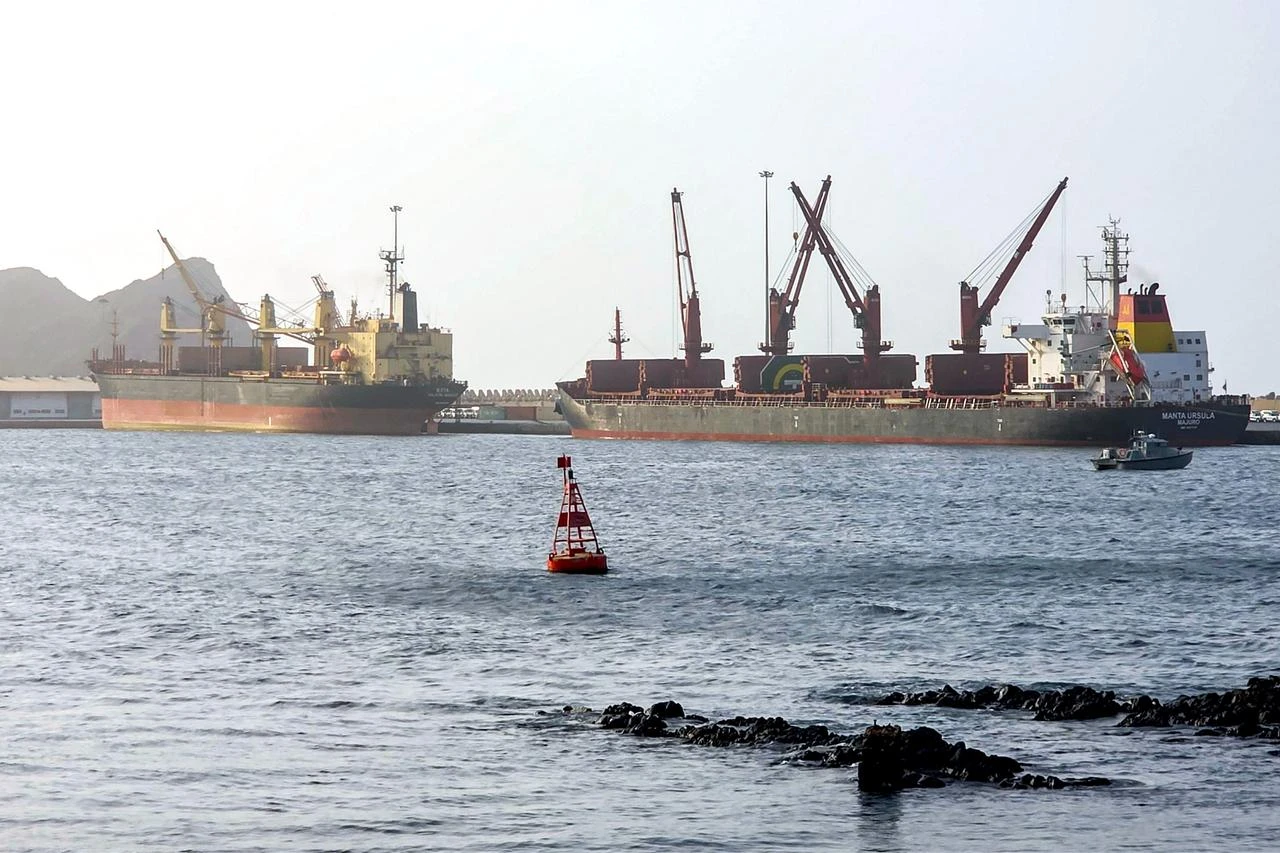


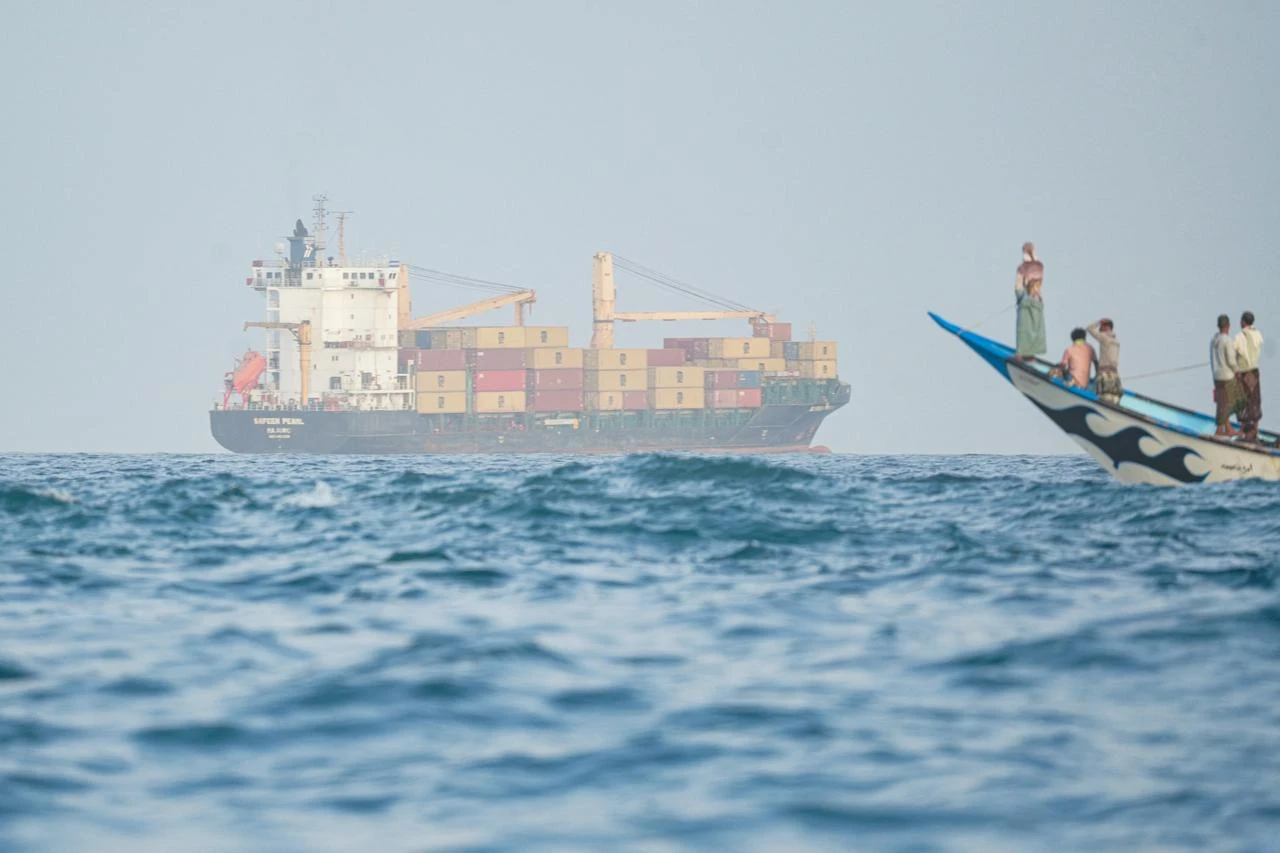
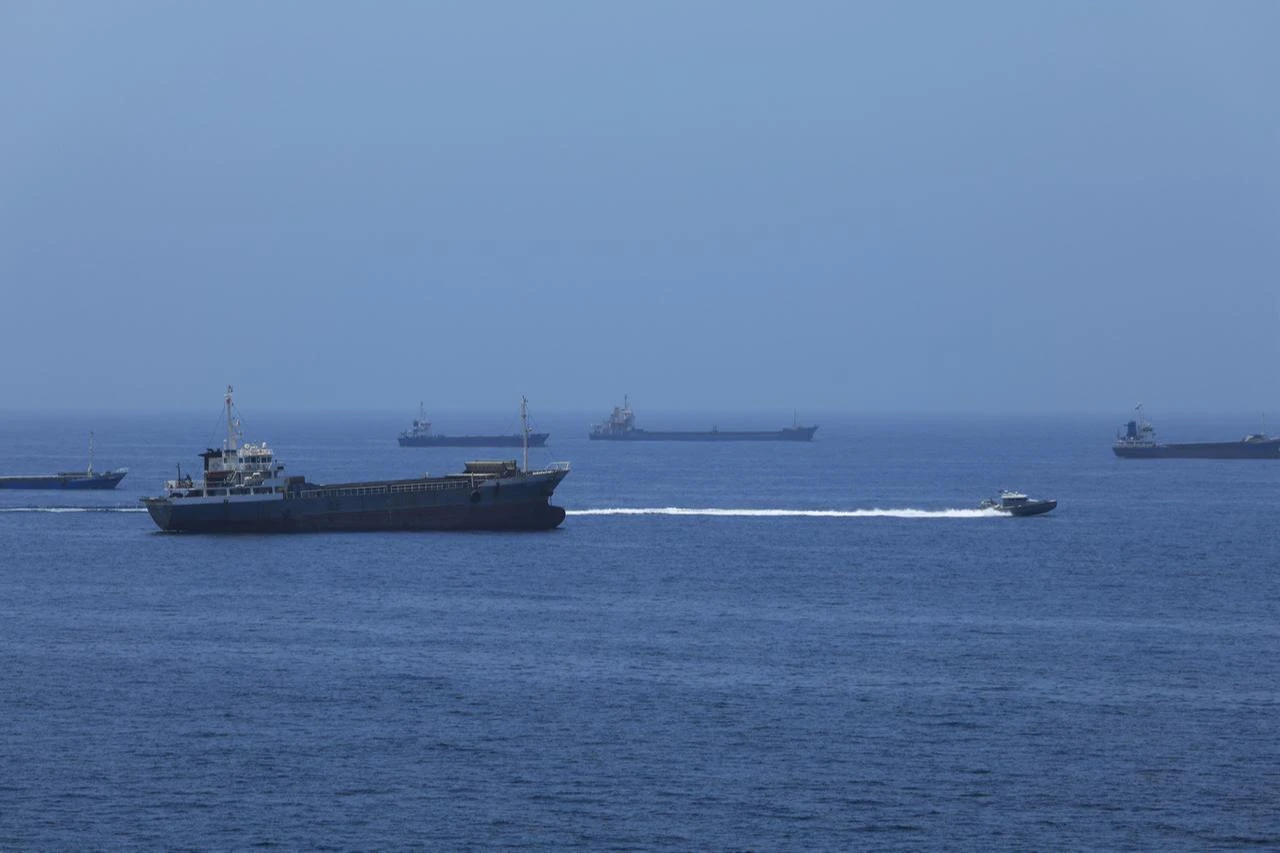
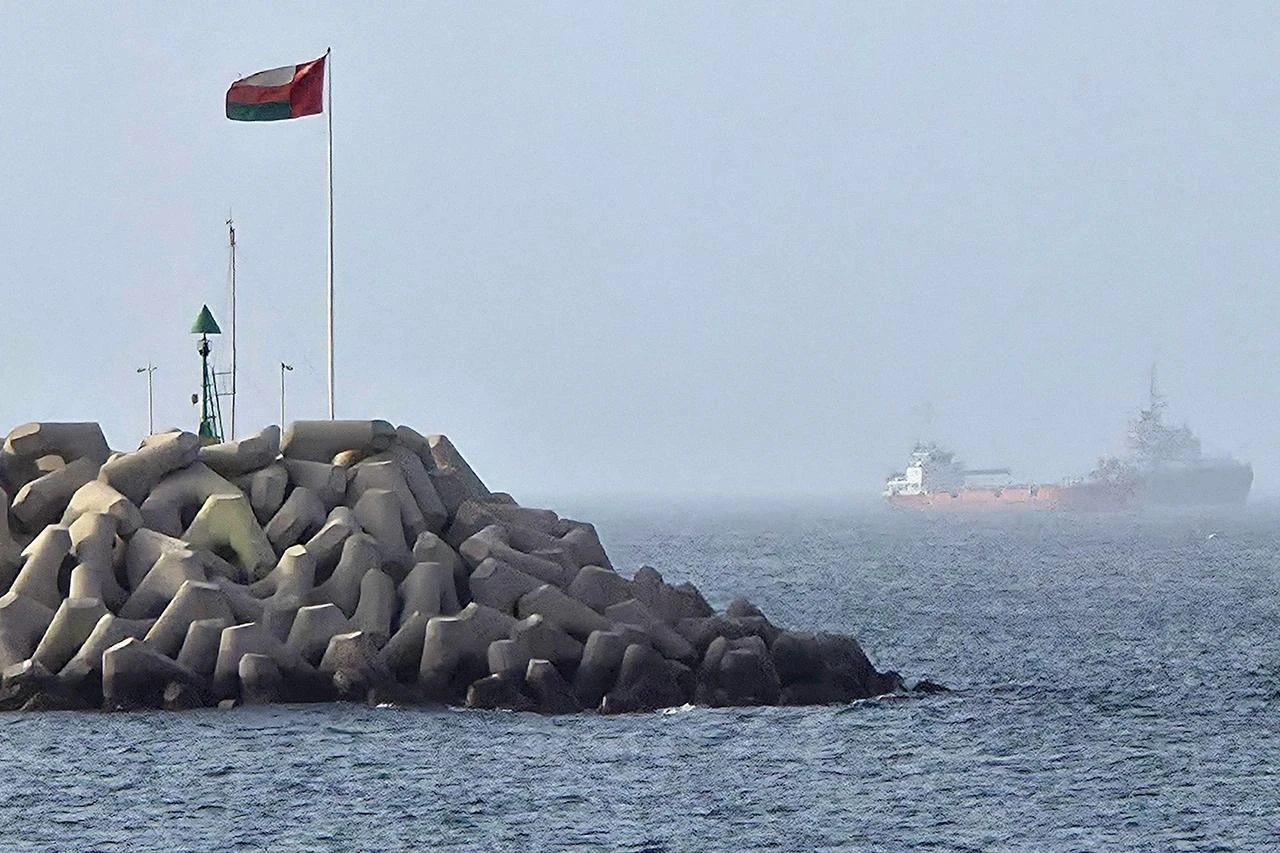
Oman has presented Iran with a proposal for a joint regional mechanism to manage the Strait of Hormuz through voluntary fees, a Gulf source told Reuters. This development comes as diplomatic efforts intensify following a pause in U.S. strikes, and as Iran's government discloses a sharply higher casualty toll from the 13-day escalation.
Under the proposal, which the source said carries regional backing, Iran would not exercise sole control over the strait.
The mechanism is modeled on the Strait of Malacca, where users voluntarily contribute funding for navigation, environmental protection and search-and-rescue services, according to Reuters.
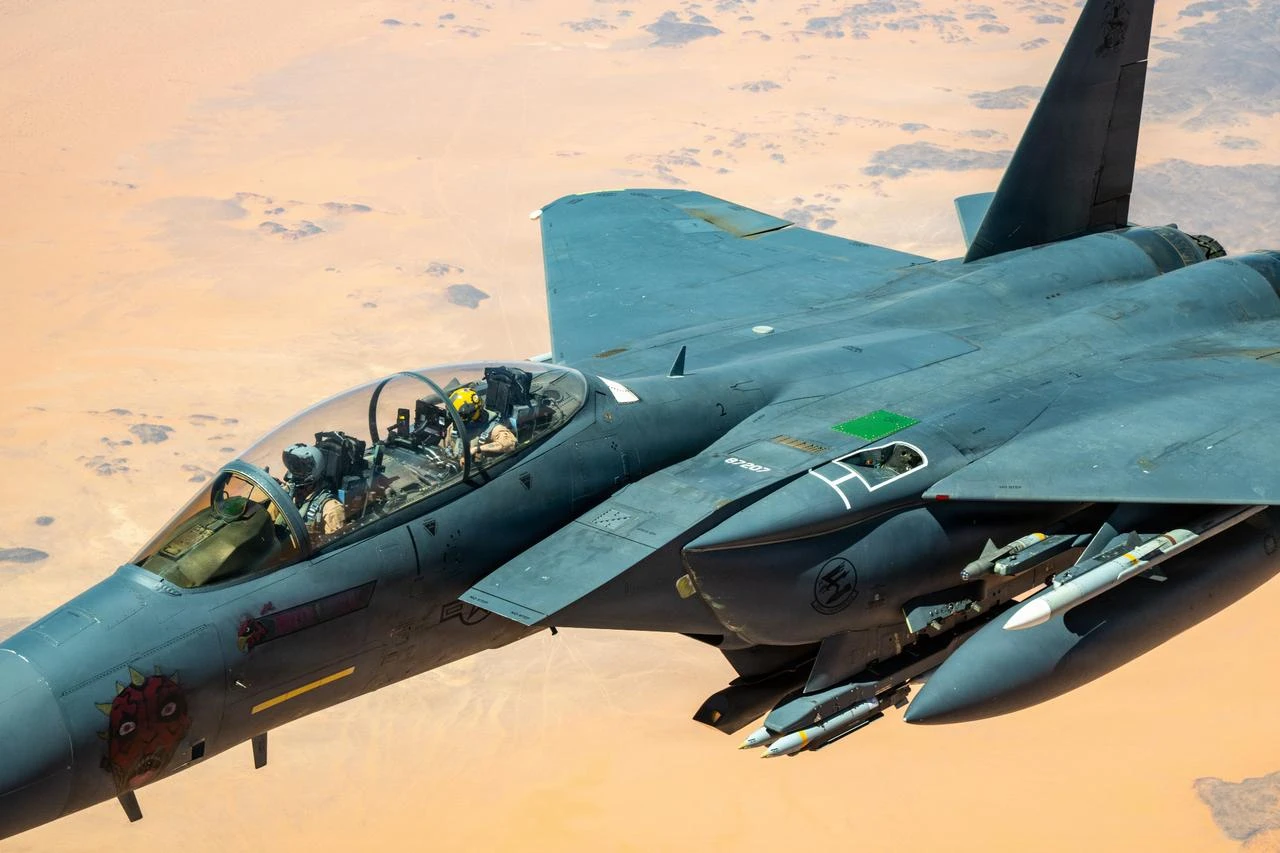
The U.S. abruptly suspended its campaign of airstrikes against Iran over the weekend, raising hopes of a diplomatic resolution that would allow shipping to resume through the strait, which carried a fifth of global energy supplies before the conflict.
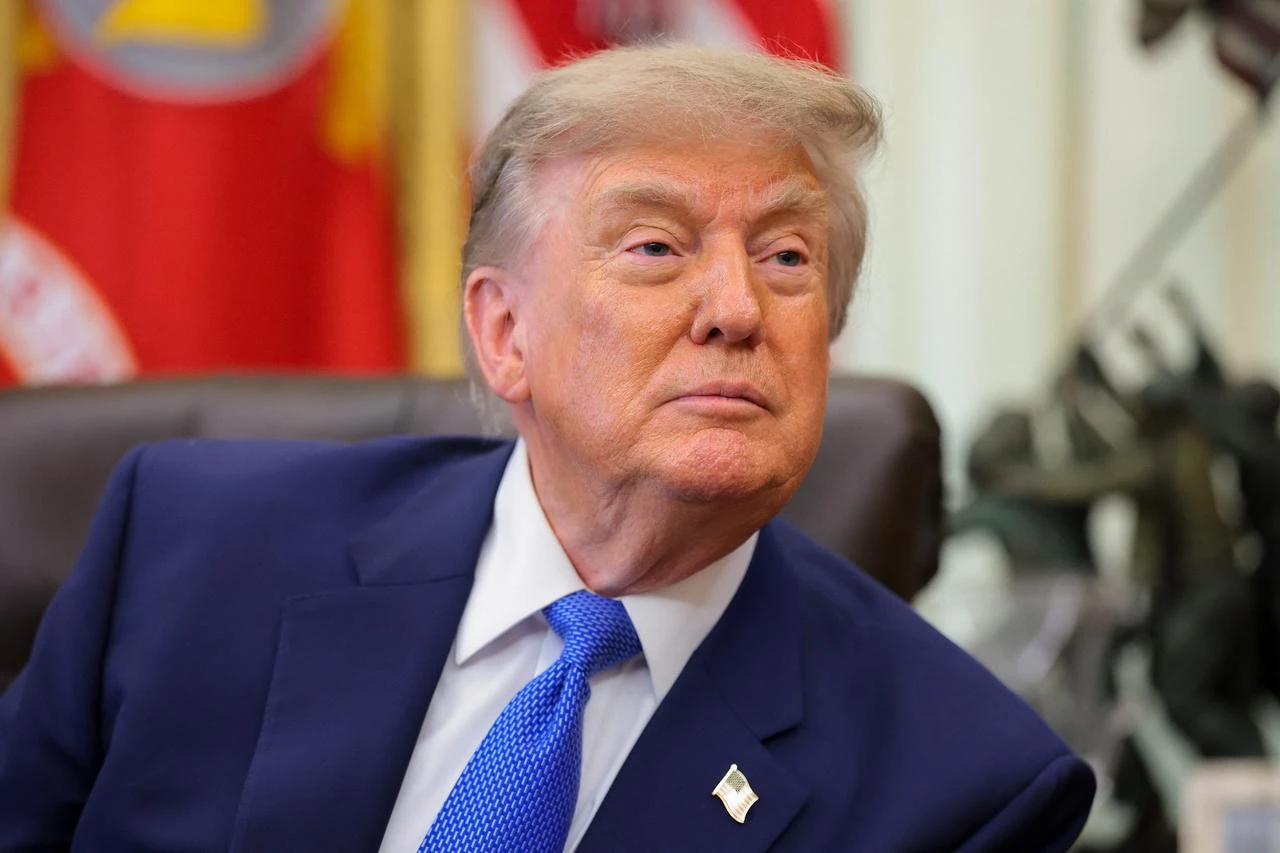
U.S. President Donald Trump said Monday the U.S. was having "good talks" with Iran and that there was a chance of a deal, while warning strikes would resume if negotiations failed to deliver results.
Iran's Foreign Minister Abbas Araghchi discussed the strait with his Omani and Saudi counterparts Tuesday, with Iran's Foreign Ministry saying he "emphasized the need to strengthen cooperation and advance joint diplomatic efforts to establish stability in the region, and lift the insecurity imposed on the Strait of Hormuz due to the aggressive actions of the United States."

According to Axios, senior U.S. officials believe Trump's economic pressure campaign against Iran may ultimately prove more damaging to the government in Tehran than the bombing campaign, even though it has drawn far less public attention.
Axios cited U.S. intelligence and open-source reporting pointing to a deepening economic crisis inside Iran, including gasoline shortages.
"The Iranians want to stop being bombed and they want money," a senior administration official told Axios, adding, "But that's almost in reverse order. They really want the money first."
Trump said Monday that Tehran had requested a meeting to discuss a deal. Iranian Foreign Ministry spokesperson Esmaeil Baghaei denied that claim.
Both sides are engaging with mediators led by Oman, Qatar and Pakistan, who are working to convert the current pause into a durable ceasefire.
A major focus of the talks, according to Axios, is the proposal giving Iran and Oman a degree of authority and potential revenue over Hormuz traffic, drawing on the cooperative framework used by Malaysia, Singapore and Indonesia in the Malacca and Singapore straits.
"Some of the Iranians want this. Others don't. That's part of the issue," the senior administration official told Axios.
Axios reported that Iran wants assurances against future U.S. attacks, along with unfrozen assets and sanctions relief, while Trump is wary of rewarding Iran for disrupting the strait and is demanding Tehran surrender its remaining nuclear material.
A second U.S. official acknowledged to Axios that sanctions and the naval blockade will take longer to force Tehran to the table than a full bombing campaign, which Trump has so far declined to authorize, a delay Axios said could deepen Republicans' political exposure over an unpopular war and elevated gas prices heading into the midterms.
"I have a lot of patience," Trump told reporters Monday.
One U.S. official told Axios that intelligence indicates Iranian fighters are going unpaid due to financial pressure from the Treasury Department.
"They're in danger of runs on banks. There are gasoline shortages in this giant oil-rich country," the official said, adding, "They're more scared of Treasury than the War Department."
Officials told Axios that in prior talks with U.S. negotiators Jared Kushner and Steve Witkoff, Iranian counterparts made clear that gaining access to money was a central priority.
"They're begging Steve and Jared for cash. They're desperate for it," one official claimed to Axios.
The Trump administration has imposed sanctions on more than 1,000 people, vessels and aircraft under its revived maximum-pressure campaign targeting Iran's oil trade, shadow banking system, weapons procurement and shipping networks, according to Axios.
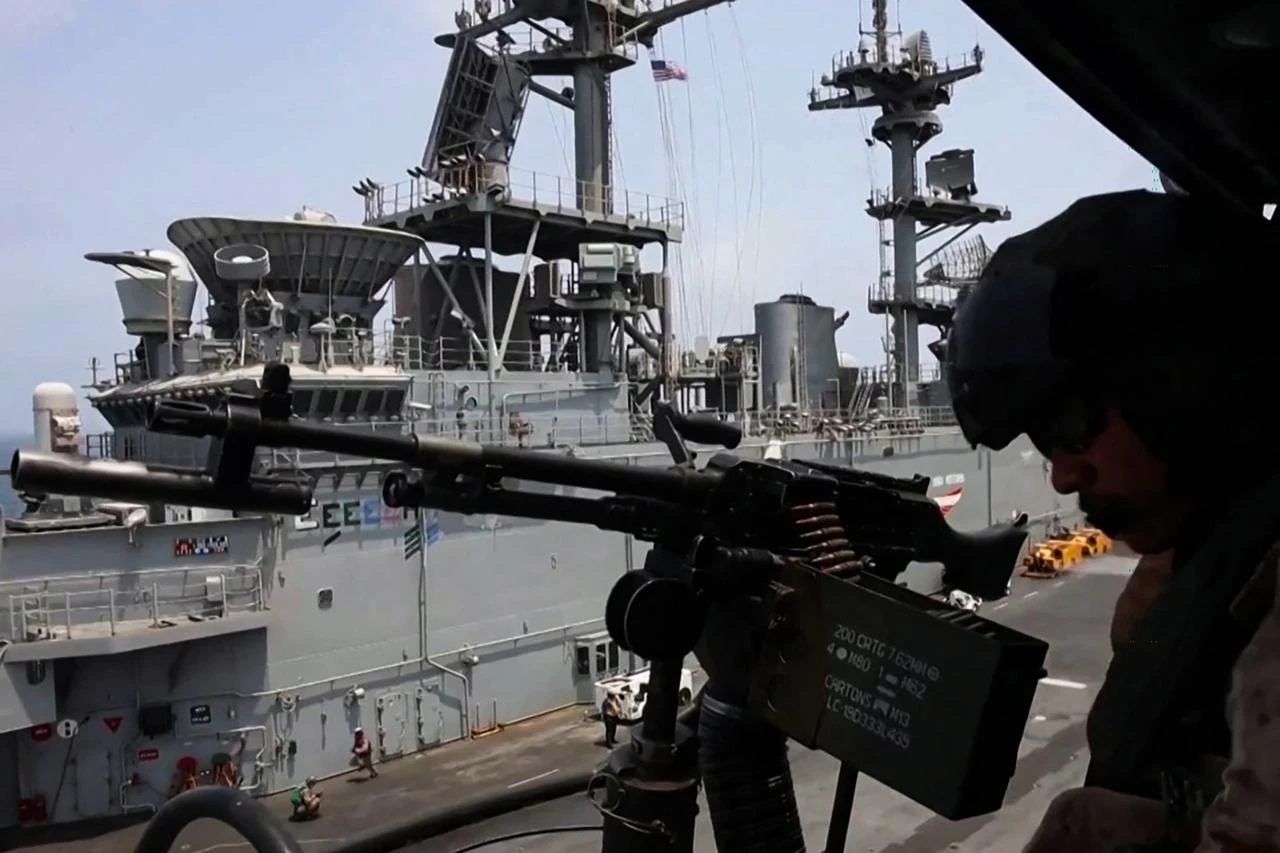
Axios also reported that Trump's decision to pause strikes followed a warning from Joint Chiefs Chairman Gen. Dan Caine about pressure on U.S. weapons stockpiles in the CENTCOM region, particularly air-defense interceptor supplies.
A senior official described Caine's warning to Axios as standard military procedure: "The overall stockpiles aren't depleted or at zero... When you have to consider pulling from stockpiles around the world, that comes with risks, and you have to present that to the commander in chief. He decides. He's the decider."
Critics cited by Axios questioned whether either strikes or sanctions would succeed in changing Iran's position.
Brett Erickson, an analyst with Obsidian Risk Advisors, said Iran generated an estimated $23 billion in oil revenue in the first half of the year, exceeding its own budget projections, writing on X: "Economic warfare is a fundamentally broken approach to the Iran War."
White House press secretary Karoline Leavitt told Axios that Trump "prefers a diplomatic solution, but he continues to retain all options if Iran continues terrorist activities in the Strait of Hormuz or against allies," adding: "Combined with successful sanctions that have crippled Iran's economy and 13 straight days of strikes against military targets in response to their repeated aggression, it would be wise for Iran to work toward a negotiated deal. Otherwise, they know what will happen."
A separate U.S. official told Axios: "The president has a win-win optionality. The U.S. is capable of prosecuting this militarily to the fullest extent. And the U.S. is capable of exerting economic sanctions that cripple Iran."
Separately, Iran's government announced on Tuesday that Bushehr Airport in the country's southwest has been rendered inoperable following U.S. strikes, according to IRNA.
Government spokesperson Fatemeh Mohajerani said she and other officials visited Bushehr province and inspected the airport, which she described as "effectively out of service."
"We saw the remains of a refurbished aircraft that had been purchased to serve the people, but it was destroyed by a missile that struck it directly, leaving only a small part of its tail intact," she said.
Mohajerani did not specify when the strike occurred or provide further detail on damage to other airport facilities.
She said strikes also damaged airports in Iranshahr, Semnan and Bandar Abbas, and that the Bushehr Meteorological Center was targeted as well.
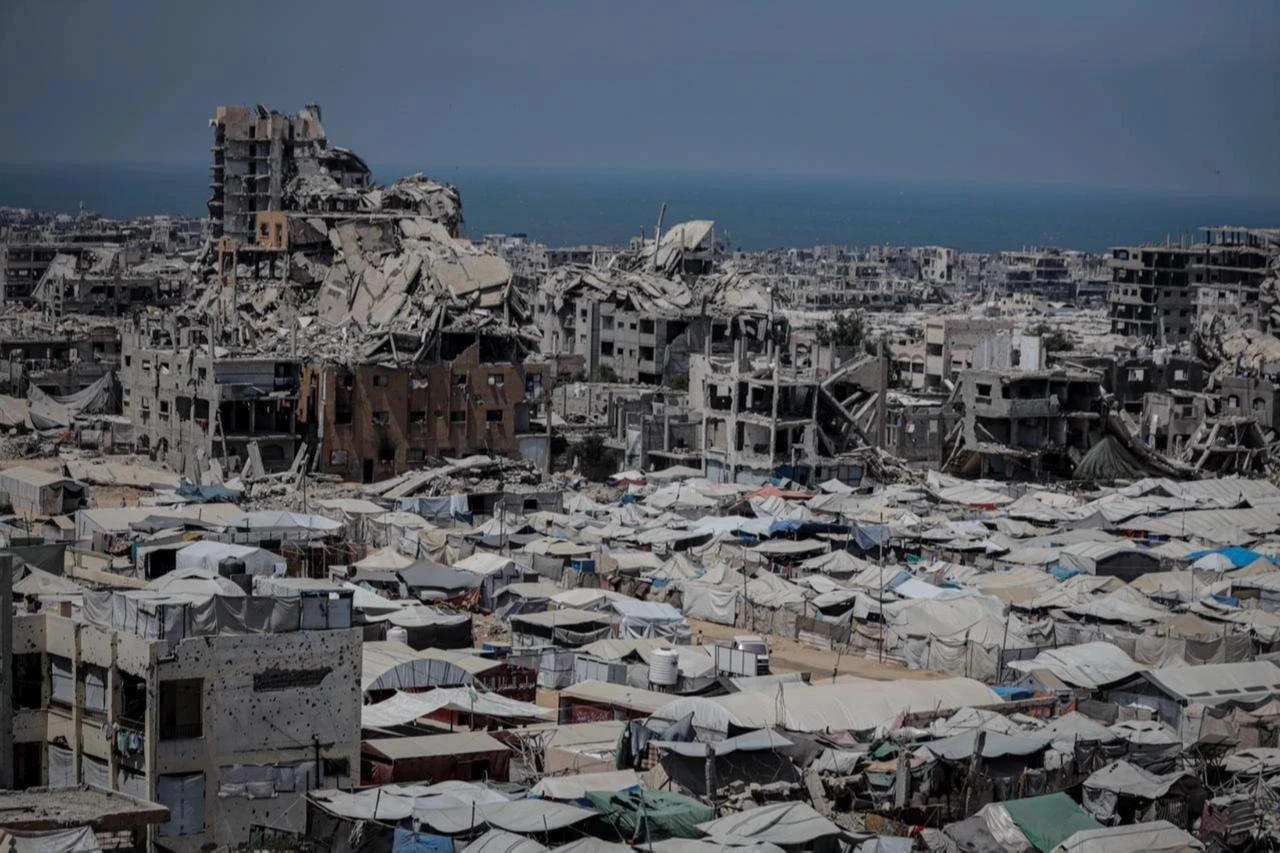
"Damage to civilian infrastructure and private property was extensive, affecting everything from fishing boats to tourism businesses," she said, adding that 12 bridges and two tunnels were damaged, along with the main railway station in Bandar Abbas and additional bridges in southern and northeastern Iran.
Mohajerani said 350 government employees were killed during the war.


 Set as preferred source
 Set as preferred source


 2 min read