Newsletters


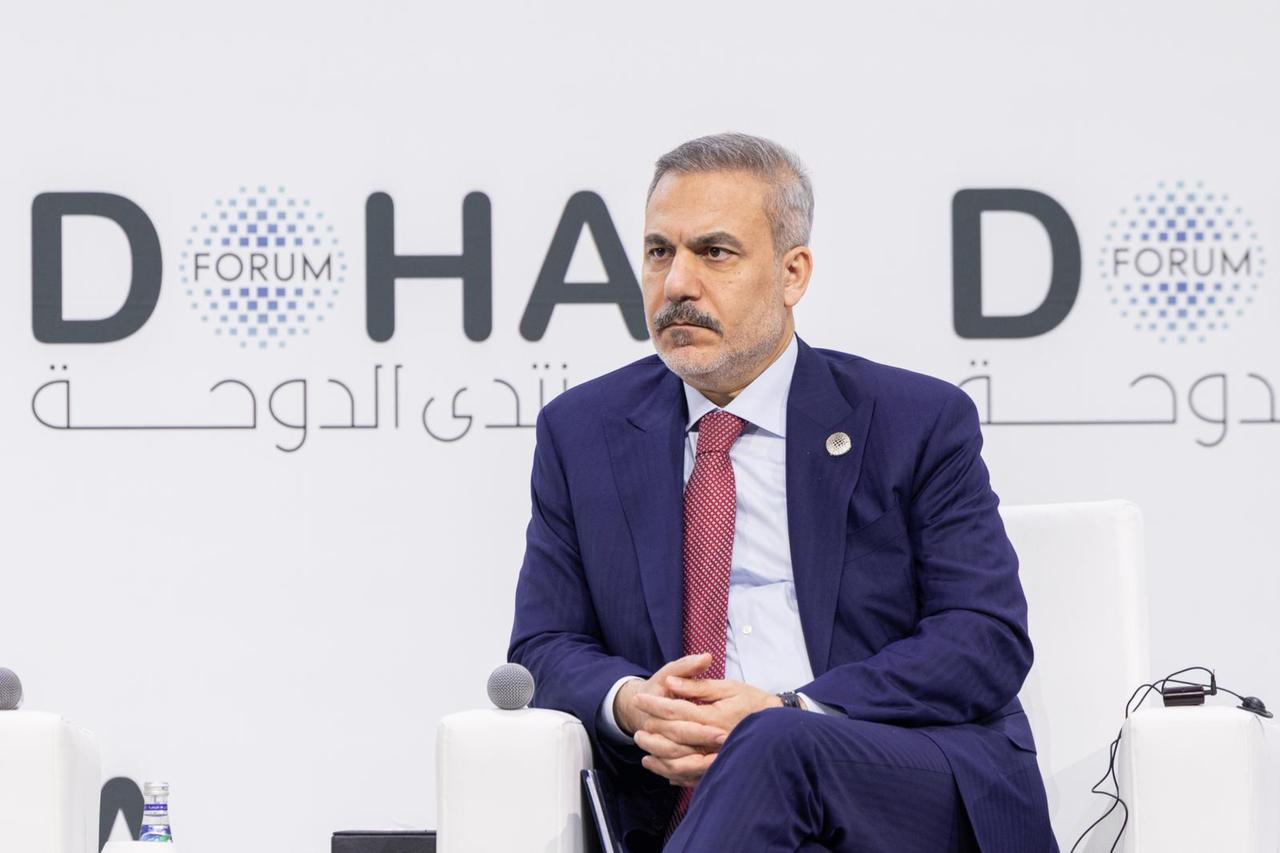


No one in the international community can stop Israel except the United States, Turkish Foreign Minister Hakan Fidan declared Saturday, as he warned that relentless Israeli ceasefire violations have pushed the fragile Gaza peace process to the brink of failure.
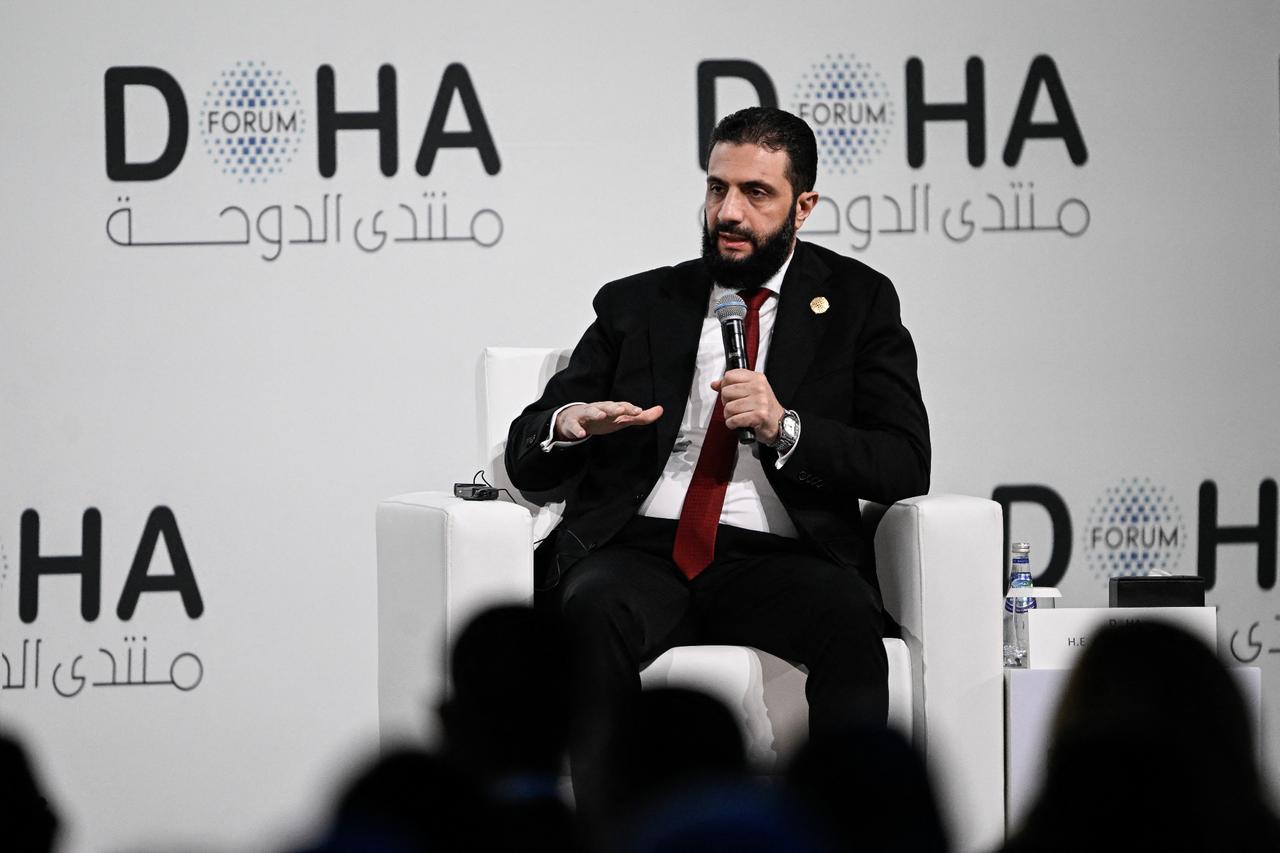
Speaking at the 23rd Doha Forum, Fidan described a fundamental power imbalance in Middle East diplomacy where traditional international mechanisms have proven ineffective at constraining Israeli military actions. He said only American pressure has successfully restrained Israel, and even that required a chain reaction of diplomatic efforts from multiple countries to convince the Trump administration to intervene.
"No one appears able to stop Israel, and that's exactly the problem we've experienced since the start of the war," Fidan told The Guardian's diplomacy editor Patrick Wintour during a "Newsmaker Interview" session. He emphasized that without credible enforcement mechanisms on the ground, no country has been able to apply sufficient leverage against Israeli actions.
The Turkish minister characterized Israeli violations of the October 10 ceasefire as indescribable in scale and said the peace process stood nearly at a stopping point. He called for President Donald Trump to hold detailed discussions with Prime Minister Benjamin Netanyahu, noting that the Trump administration owns the Middle East peace process and faces high expectations from regional partners.
Fidan, along with counterparts from Qatar and Egypt, signed the peace plan that established the ceasefire framework. While not formal guarantors, these three countries have positioned themselves as key stakeholders in implementation. However, Fidan suggested that Israeli compliance depends almost entirely on Washington's willingness to apply pressure.
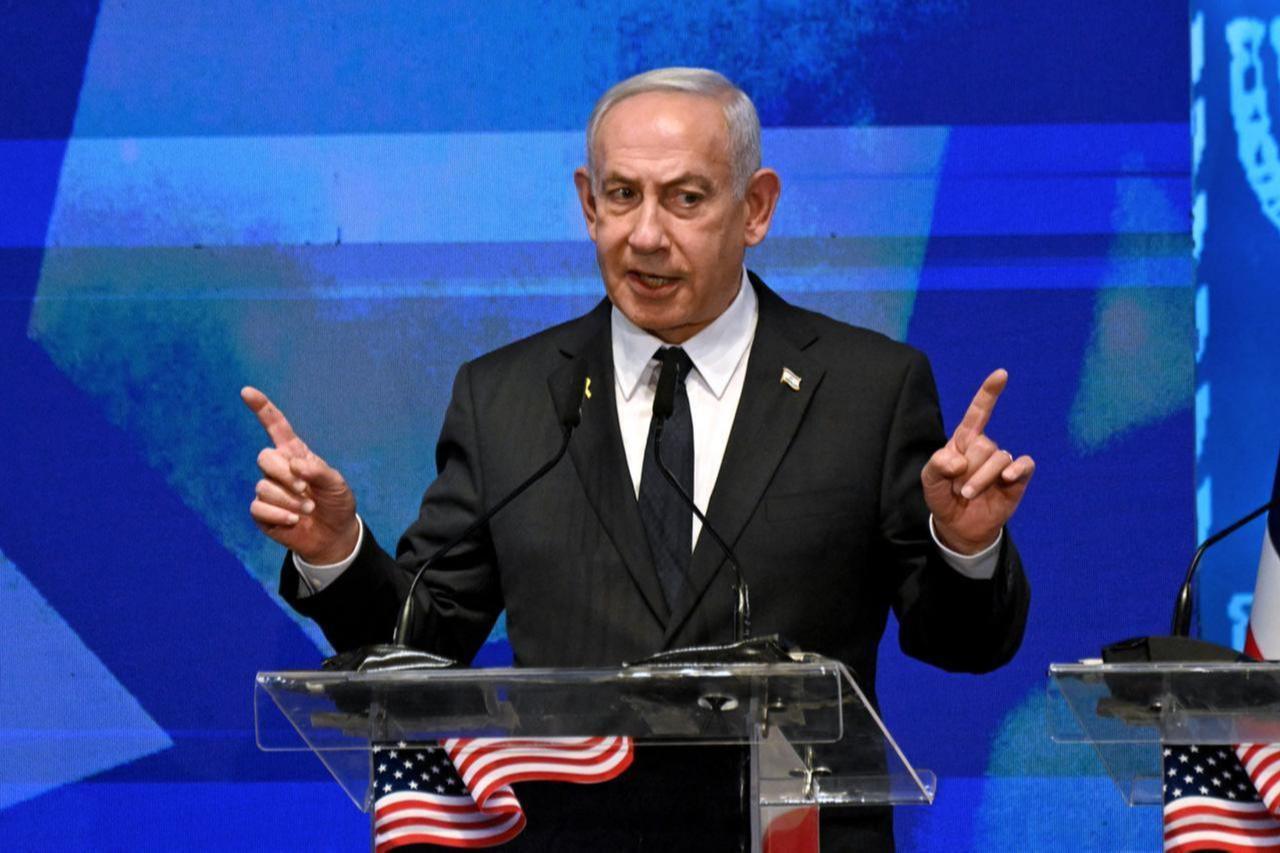

The foreign minister offered a stark assessment of Israeli intentions if left unchecked by American intervention. He said Netanyahu harbors a single objective: entering Gaza to cleanse it of Palestinians through one of two methodologies.
"Either making Gaza unlivable so they can send remaining Palestinians elsewhere, or continuing to kill the Palestinian population as they have done until now," Fidan said, outlining what he characterized as a systematic approach to depopulation.
He argued that Netanyahu's policies inflict severe damage on Israel's future and the Israeli state itself, even as international mechanisms prove unable to alter the trajectory. Fidan noted that growing global support for Palestinian statehood and youth mobilization against Israeli actions represent progress, but violence levels continue escalating despite these developments.
The minister said Israel has failed to allow adequate humanitarian aid into Gaza as promised under the ceasefire terms, compounding daily violations of the agreement. He maintained regular contact with U.S. Special Representative Steve Witkoff and Secretary of State Marco Rubio, describing American officials as aware of the problem's gravity and the need for timely intervention to prevent momentum loss.
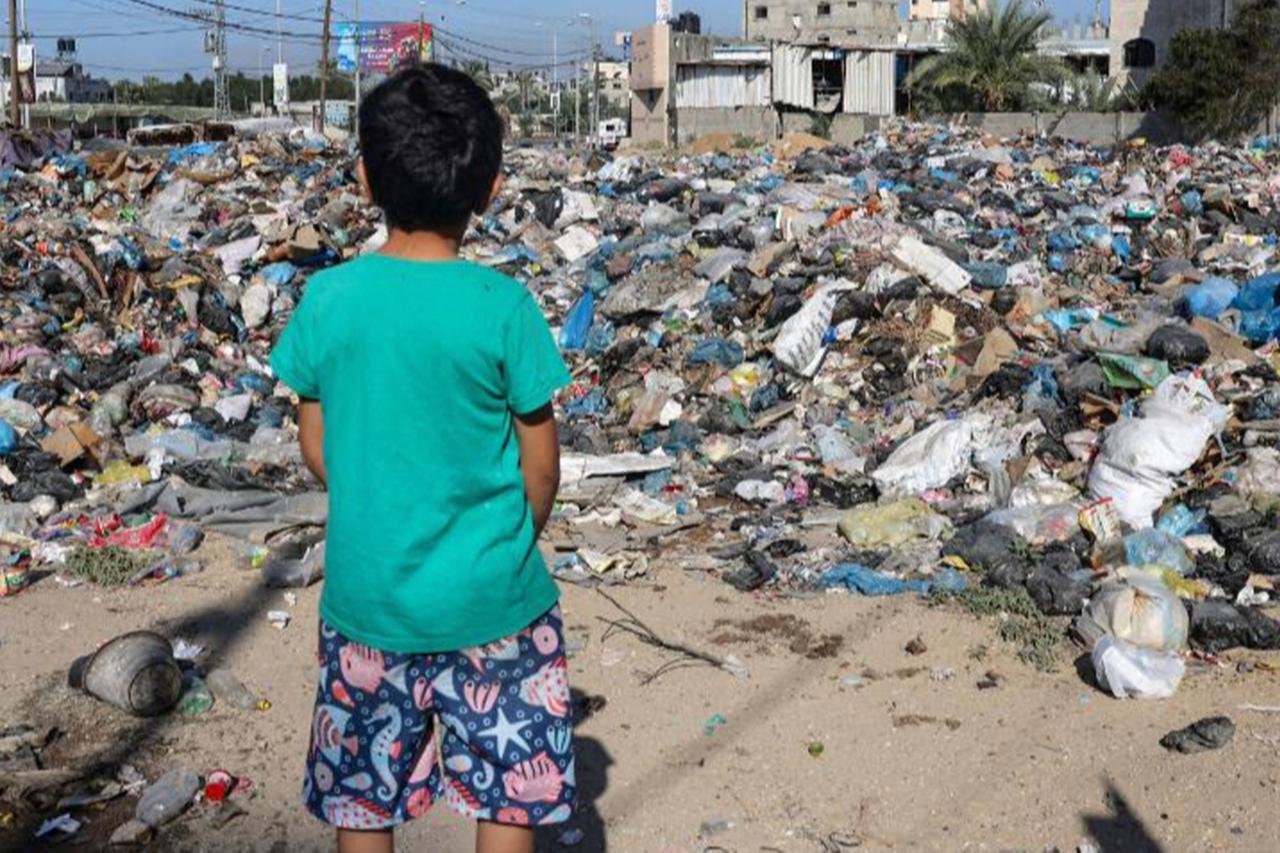
Fidan called for international action to address what he described as systematic torture of thousands of Palestinian prisoners in Israeli detention. He characterized the mistreatment not as a security measure but as a deliberate revenge tool employed by Israeli authorities.
"For Israelis, this is an act of revenge," he said, explaining that torturing Palestinian prisoners in detention serves as an instrument of retaliation. He noted that individuals exposing these practices do so because their consciences cannot accept what is happening, allowing the international community to understand the systematic nature of the abuse.
The minister acknowledged that despite documentation of these practices, the international community has not succeeded in stopping Israeli torture. He said insufficient attention has been paid to what constitutes a humanitarian tragedy, though he pointed to other avenues for progress including expanding recognition of Palestinian statehood.
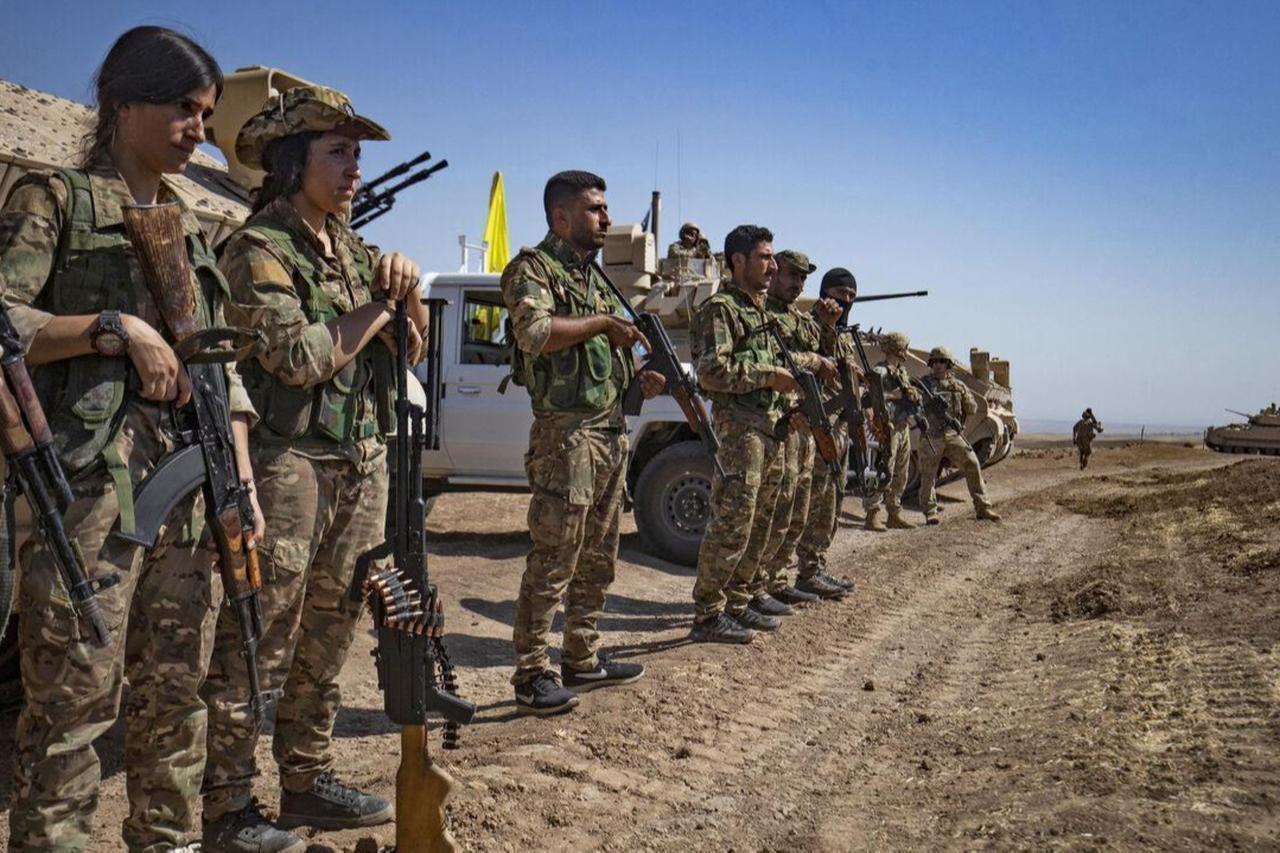
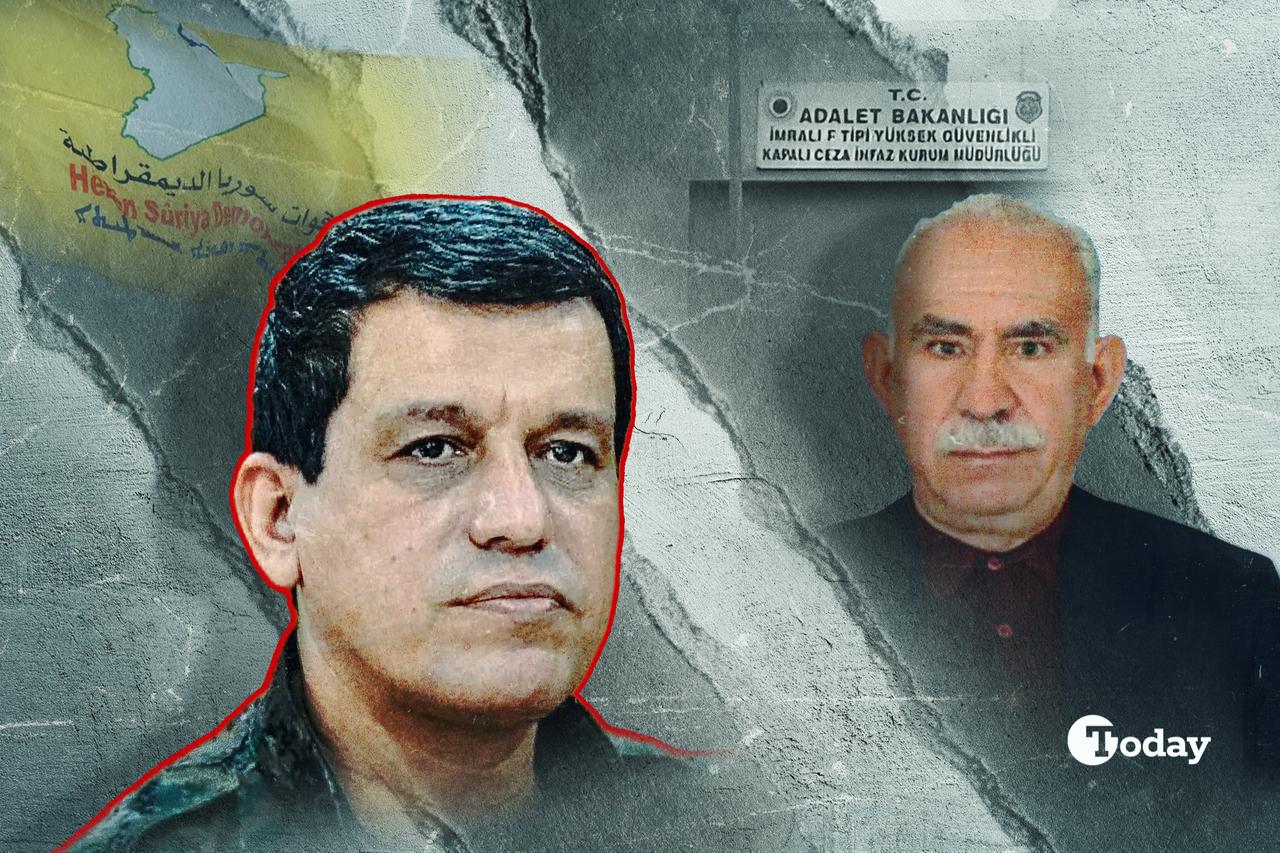
On Syria, Fidan outlined Türkiye's requirements for integrating Kurdish-led SDF into Damascus's new national army. While acknowledging Syria's sovereign right to negotiate agreements, he drew a sharp line regarding elements within the SDF that Ankara identifies as linked to the terror group PKK.
"We know there are elements within SDF whose sole goal is to wage struggle against Türkiye," Fidan said. He demanded the immediate departure of all fighters from Iraq, Iran and Türkiye participating in the coalition, along with removal of forces deployed contrary to Turkish interests and security.
The integration involves incorporating 50,000 to 60,000 fighters into Syria's military structure. Fidan warned that merely procedural steps designed to create an impression of cooperation would lack credibility without concrete actions. He suggested imprisoned PKK ringleader Abdullah Ocalan might influence the process, drawing on his own experience negotiating with PKK leadership during his tenure as intelligence chief from 2009 to 2013.
Despite Netanyahu's public opposition to Turkish involvement, multiple countries have indicated they want Türkiye in the proposed International Stabilization Force for Gaza before committing their own troops. Fidan named Indonesia, Azerbaijan and various Muslim nations as seeking Turkish participation to enhance the force's legitimacy and secure popular support.
He outlined a phased approach beginning with ISF deployment, followed by building Palestinian security forces and gradually transferring administrative control from Hamas. The minister emphasized that Hamas has nearly fulfilled all demands regarding hostage releases, with only one body remaining undelivered.
Fidan praised Qatar's evolution from regional to global mediator, highlighting conflict resolution work in Africa and South America. He described cooperation between Türkiye and Qatar as built on unshakeable bonds between President Recep Tayyip Erdogan and Qatari Emir Sheikh Tamim bin Hamad Al Thani, spanning investment, economy, technology, education, security and defense.
The minister confirmed ongoing cooperation with Syria's government across economic, security and commercial spheres, identifying Israeli expansionism as the region's greatest risk while expressing hope that Syria's challenges would be overcome through collective effort.


 Set as preferred source
 Set as preferred source


 1 min read
 1 min read